





Introduction — Getting around Granada: a practical, immersive overview
Granada is a city where hills, viewpoints and the white lanes of the Albaicín mix with a lively, modern urban life. Getting around here is both practical and part of the experience: some trips are pure necessity (commuting to work, getting to the station), while others are genuine sensory strolls (walking up to the Alhambra at sunset, pausing on a mirador to take in the city). This comprehensive 2026 guide lays out your transport options in Granada — urban and intercity buses, the tram (tranvía), and, above all, walking routes designed to help you enjoy the city’s streets, views and landmarks.
I’ll detail the main lines and stops, typical schedules, common fares in euros, exact addresses for stations and transfer hubs, plus local tips to make your travel smoother (when to avoid driving, how to pair tram and walking, where to buy tickets). The aim is both practical (exact addresses, indicative prices, standard timetables) and immersive: each section includes sensory descriptions — sounds, slopes, viewpoints — so your journeys become part of the visit.
Note that fares and timetables can change with the season or local reforms. I’ve included the most up-to-date and common information: single fares, multi-ride passes, and typical operating hours. For longer intercity trips I point out major companies and their departure stations. Finally, you’ll find recommended walks that balance convenience and pleasure (for example: Plaza Nueva up to the Alhambra, or the historic center to Sacromonte), with clear addresses and markers so you can follow along without a printed map.
1) Granada’s Tram (Tranvía de Granada) — lines, stops, fares and tips
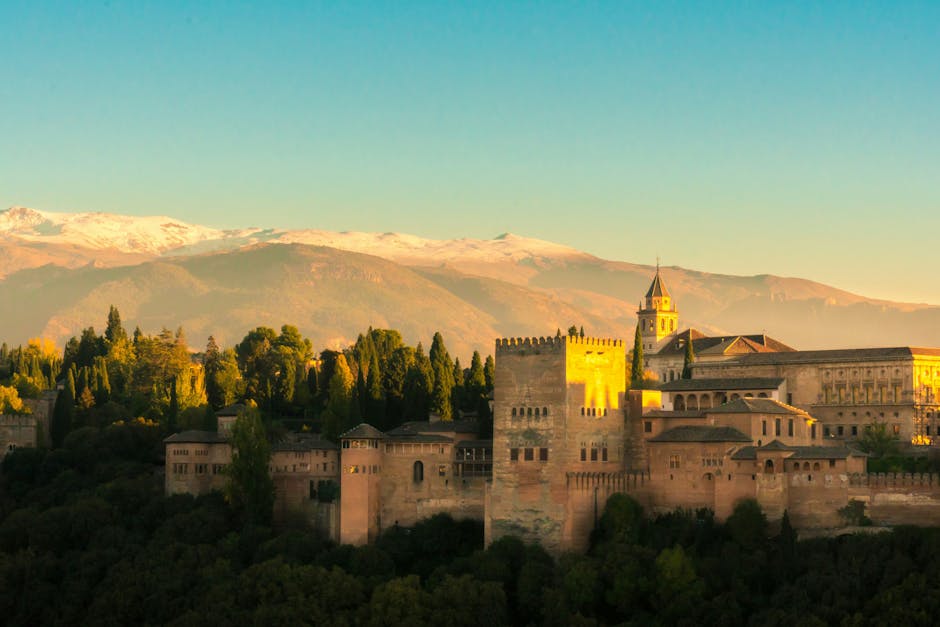
Granada’s tram, locally called the Tranvía de Granada, is now the backbone of on-street public transport across the metro area. It links the northern and southern suburbs via the city center, helping you avoid rush-hour traffic. A typical route serves Albolote in the north, crosses neighborhoods like Parque Almunia and the city center, passes Plaza Mariana Pineda and Avenida de la Constitución, then continues toward Armilla in the south (as per the current operating layout). The tram network connects with urban bus lines and major stops.
Key addresses and hubs:
- Estación de Tranvía – Recogidas : Calle Recogidas, 18005 Granada. Central station, tram/bus interchange.
- Estación de Tranvía – Plaza Mariana Pineda : Plaza Mariana Pineda, 18005 Granada. Direct access to the historic center.
- Estación Sur – Armilla (terminus) : Avenida de América, s/n, 18100 Armilla (Granada metropolitan area).
Hours and frequency: the tram usually runs from 06:30 to 23:30 on weekdays. During peak hours (07:00–09:30 and 17:00–20:00) trams come roughly every 6–10 minutes; off-peak intervals are typically 12–15 minutes. Saturdays are similar to weekdays; Sundays and public holidays see reduced frequency (about every 15–20 minutes).
Fares (indicative): a single ticket costs about €1.40 (standard fare). There are also combined fares and cards:
- Single tram/bus ticket : ~€1.40 (valid for one journey; local rules often allow 60 minutes for transfers).
- Reloadable card (strip card / tarjeta crédito transporte) : a rechargeable card that reduces the price on multiple trips (a 10-ride bundle usually costs around €9–10 depending on top-ups and discounts).
- Monthly pass : for regular residents; prices vary but are generally €40–55 depending on zones.
Practical tips:
- Remember to validate your ticket when boarding if validation is required (some services enforce strict validation). Inspections happen randomly and fines apply if you travel without a valid ticket.
- At peak times, use central stops like Recogidas or Plaza Mariana Pineda to board less crowded trams.
- The tram is ideal for reaching the bus station and some public hospitals quickly without driving.
2) Urban and intercity buses — network, main stations, companies and fares
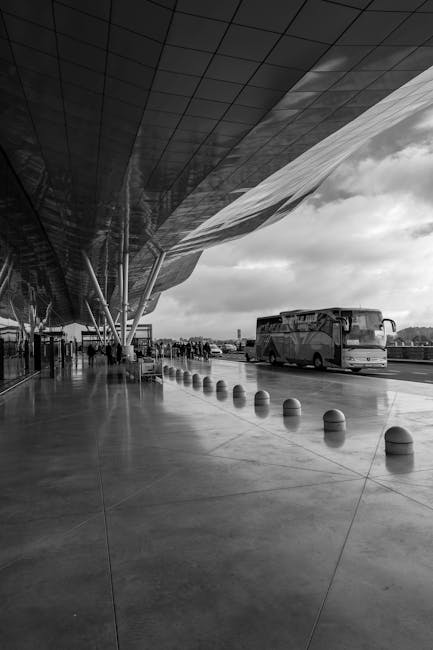
Granada’s bus network is split into two main categories: urban lines that serve the inner city and intercity (metropolitan and national) lines that connect Granada with nearby towns and other Andalusian cities. Urban buses are handy for getting to the university, markets and hospitals, while intercity coaches will take you to Málaga, Almería, Córdoba or Federico García Lorca Airport.
Main stations and addresses:
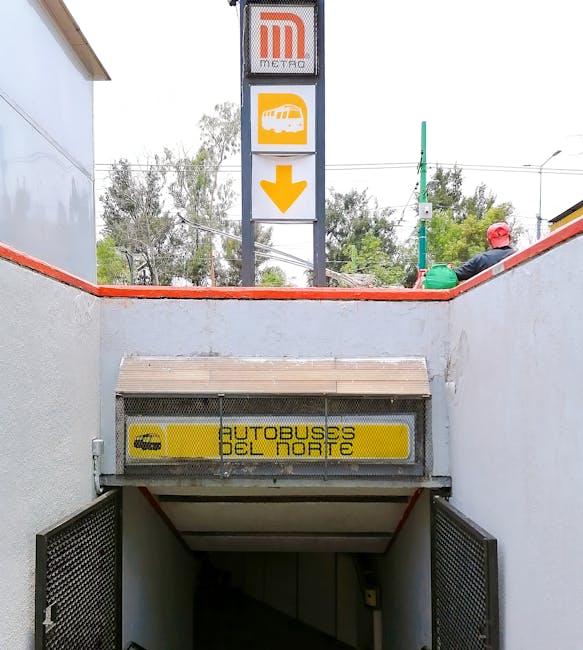
- Estación de Autobuses de Granada (Bus Station) : Glorieta de la Estación, s/n, 18004 Granada. Hub for intercity operators like ALSA, Avanza and others.
- Estación de Ferrocarril de Granada (Train Station) : Glorieta de la Estación, s/n, 18004 Granada — close to the bus station for easy transfers.
- Main Stop – Plaza Nueva : Plaza Nueva, 18001 Granada — starting point for many tourist and urban routes.
Major operators:
- ALSA — serves major Spanish cities (Madrid, Málaga, Sevilla). Tickets available at the bus station and online. Example: Granada → Málaga Centro-Alameda: from around €9.50 if booked in advance, journey ~1h30.
- Municipal urban transport — local city lines, tickets sold on board or at kiosks; single fare about €1.40.
- Metropolitan lines — serve Armilla, Ogíjares, Albolote, Atarfe: fares by zone or with combined tickets.
Schedules and operation:
Urban lines typically run between 06:00 and 23:00. Some night buses operate on main routes at weekends and during events (check local timetables for student-night services). ALSA intercity services depart throughout the day; for long-distance trips (e.g. Granada → Madrid) it’s recommended to book online at https://www.alsa.es or via the company’s app.
Fares and ticket types:
- Single urban ticket : ~€1.40 (purchase on board or at authorised outlets).
- 10-ride pass (bono 10 viajes) : a 10-trip booklet usually around €9–10, very handy for short stays.
- ALSA intercity tickets : variable; example Granada → Córdoba: €10–18 depending on time and booking; Granada → Málaga: €9–15.
Local tips:
- If you plan multiple trips a day, the 10-ride pass is often the most economical choice.
- For mountain destinations (Sierra Nevada, white villages), check seasonal timetables: winter services may be boosted for skiers, while some routes are reduced in summer.
- The Glorieta de la Estación bus terminal houses ticket offices, restrooms and left-luggage facilities: arrive 20–30 minutes before a national departure to handle luggage and formalities.
3) Walking around Granada — routes, slopes, safety and must-do strolls
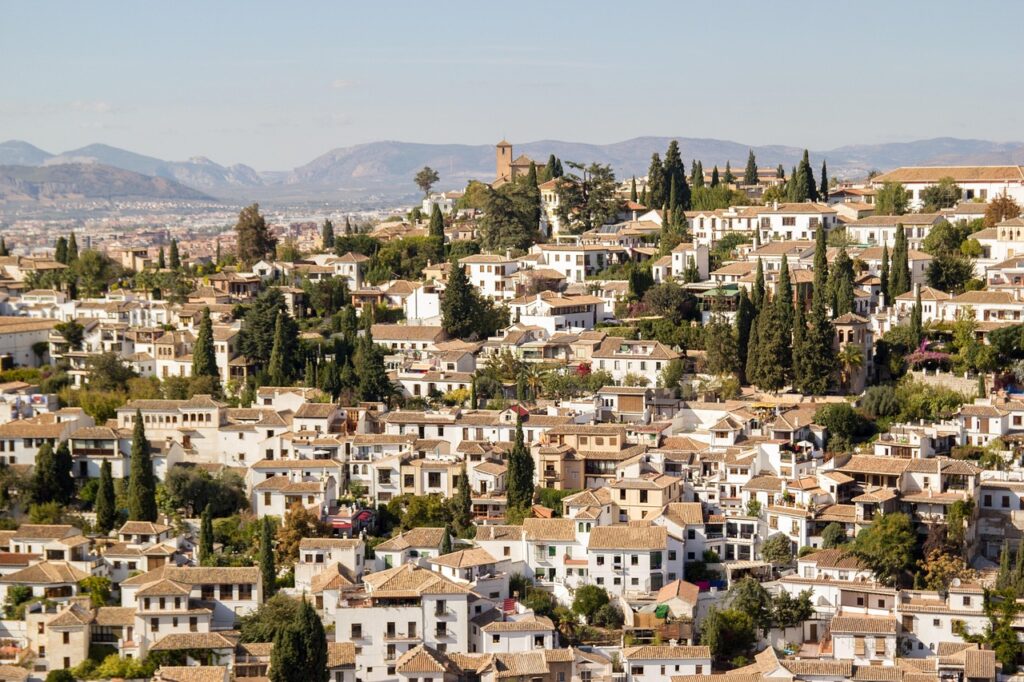
Granada is made for walking, but be warned: the terrain is hilly. The historic neighborhoods (Albaicín, Sacromonte) sit on slopes with narrow streets, stairways and uneven cobbles. Walking is the best way to soak up the city’s soul — jasmine scents, the murmur of fountains, dramatic views of the Alhambra — but it requires a little preparation (closed shoes, water bottle, offline map).
Recommended walks (with start/end addresses):
- Plaza Nueva to the Alhambra : start Plaza Nueva, 18001 Granada → finish Puerta de la Justicia, Alhambra, Calle Real de la Alhambra, s/n, 18009 Granada. Time: 20–35 minutes depending on pace and a stop at Mirador de San Nicolás. Route: climb via Cuesta de Gomérez or stroll along the Carrera del Darro for a riverside walk by the Río Darro.
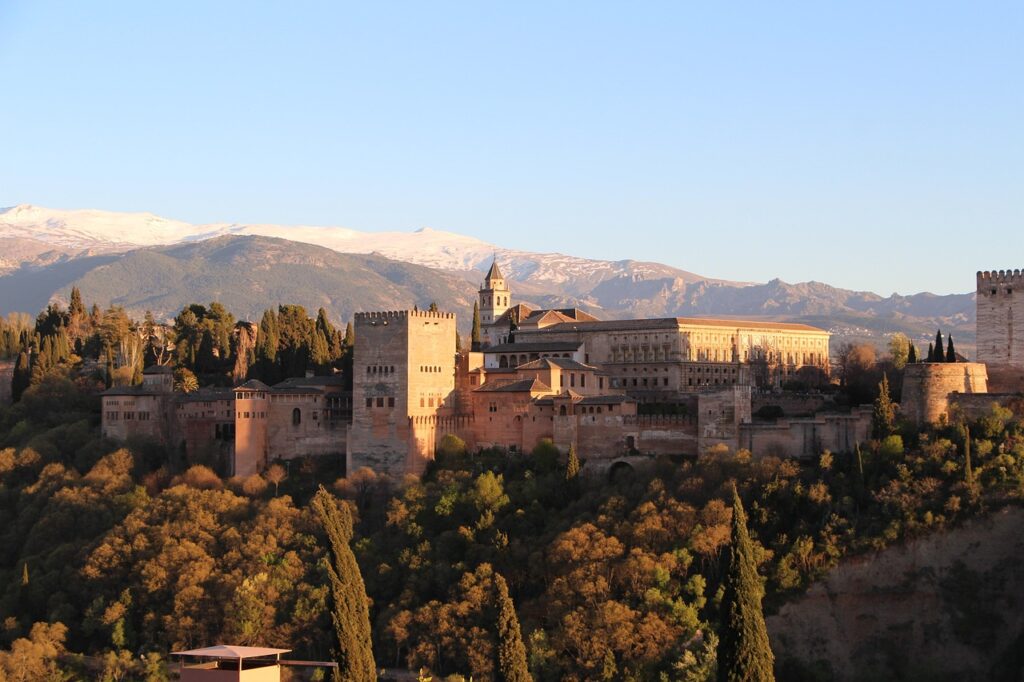
- Stroll through the Albaicín up to Mirador de San Nicolás : start Plaza Larga, 18010 Granada → Mirador de San Nicolás, Plaza de San Nicolás, 8, 18010 Granada. Time: 25–40 minutes; expect narrow alleys and stairways, with exceptional views of the Alhambra framed by the Sierra Nevada.
- Sacromonte & cave route : start Paseo de los Tristes, 18010 Granada → Sacromonte Abbey, Abadía del Sacromonte, Calle San Miguel Bajo, 8, 18010 Granada. Time: 30–50 minutes depending on detours (caves and flamenco taverns).
Safety and comfort tips:
- Shoes: choose closed walking shoes with grippy soles (cobbles and steps get slippery, especially after rain).
- Hydration: bring a reusable water bottle; temperatures climb fast in summer. Drinking fountains are common in the Albaicín and near parks.
- Maps: download an offline map (Google Maps offline or maps.me). The maze of alleys can be disorienting; local signs often point to “Alhambra” or “Mirador”.
- Best times: early morning (07:30–10:00) and late afternoon (17:00–20:00) to avoid heat and crowds at Mirador de San Nicolás and Alhambra access points.
Local experiences:
A typical walk starts at Plaza Nueva, follows the Río Darro past old facades, then climbs into the Albaicín through shaded squares, little ceramic shops and tapas bars. At Mirador de San Nicolás the view pays off: the Alhambra’s domes in the foreground with the Sierra Nevada as a backdrop. Finish by descending to Sacromonte for an evening flamenco show in a cueva (cave venue): performances usually run 60–90 minutes, costing around €20–35 (entrance plus a drink, depending on the venue).
4) Smart combinations: tram + bus + walking for tourist and daily routes
Granada’s real strength is how tram, bus and walking complement each other. By mixing these modes you can skip the car while covering very different distances. Here are practical routes (with addresses and time/price estimates) for tourists and business travelers.
Route A — Federico García Lorca Granada-Jaén Airport ⇄ City centre:
- Airport address: Aeropuerto Federico García Lorca Granada-Jaén, A-92, Km 245, 18006 Granada.
- Options: ALSA runs direct coaches between the airport and Estación de Autobuses de Granada (Glorieta de la Estación, s/n, 18004). Duration ~20–30 minutes; fare around €3.50–5.00 depending on season. Frequent departures; check ALSA timetables.
- From the bus station, it’s a 10–15 minute walk to Plaza Nueva or take the tram to Recogidas (€1.40) to reach central points faster.
Route B — From the train station (Estación de Ferrocarril, Glorieta de la Estación) to the Alhambra:
- From the station (Glorieta de la Estación, s/n, 18004): take the tram to Plaza Mariana Pineda (€1.40), then walk or catch a local bus along the Carrera del Darro toward Cuesta de Gomérez. Total time 25–40 minutes.
- On foot: a 30–40 minute direct walk is possible but involves a steady climb.
Route C — A tourist loop covering Sacromonte, the Albaicín and the centre:
- Start: Plaza Nueva, 18001 Granada. Head up to the Albaicín via Cuesta de Gomérez or Carrera del Darro (20–30 minutes).
- Stop at Mirador de San Nicolás for photos.
- Descend to Sacromonte: visit caves or catch an evening flamenco show. To return late, prefer official taxis (approx. €6–10 from Sacromonte to the centre depending on time and traffic) or a night bus if one is running.
Tips to optimize combinations:
- Buy a 10-ride pass if you expect 4–6 tram/bus trips over 2–3 days — immediate savings.
- Walk the historic quarters and use the tram for north-south links and to avoid tight parking.
- For late-night journeys or groups with luggage, taxis are often more convenient: taxi ranks at Plaza Nueva and Glorieta de la Estación; indicative fare centre → airport €25–35.
Conclusion — Final tips and practical recommendations
Getting around Granada blends usefulness and pleasure: a modern tram provides the spine for journeys, buses fill in the finer coverage across the city and neighbouring towns, and walking reveals the hidden treasures of its urban fabric. Travelers should balance these modes according to priorities: speed (tram/bus), immersion (walking), and savings (multi-ride passes and combined tickets). For short stays, prioritize walking in the historic centre and use public transport for longer transfers; for business trips, monthly cards or subscriptions offer great value for money.
Quick reference: key addresses to remember — Estación de Autobuses de Granada, Glorieta de la Estación, s/n, 18004 Granada; Alhambra, Calle Real de la Alhambra, s/n, 18009 Granada; Plaza Nueva, 18001 Granada; Aeropuerto Federico García Lorca Granada-Jaén, A-92, Km 245, 18006 Granada. Typical fares: single tram/bus ~€1.40, 10-ride pass ~€9–10, ALSA intercity fares vary (e.g. Granada→Málaga from ~€9.50), taxi centre→airport ~€25–35. Usual hours: bus and tram roughly 06:30–23:30 (varies by line and day), intercity services follow operator schedules (ALSA, etc.).
Final note: pace yourself — head up early to see Granada wake under the clear light of the Sierra Nevada, wander slowly between miradors and squares, and rely on the tram to bridge longer gaps. Always check live timetables and fare updates on official operator sites and local apps before you travel. With these pointers, getting around Granada will be efficient, safe and deeply memorable.