




Introduction — Safety in the Albaicín: How to Avoid Getting Pickpocketed
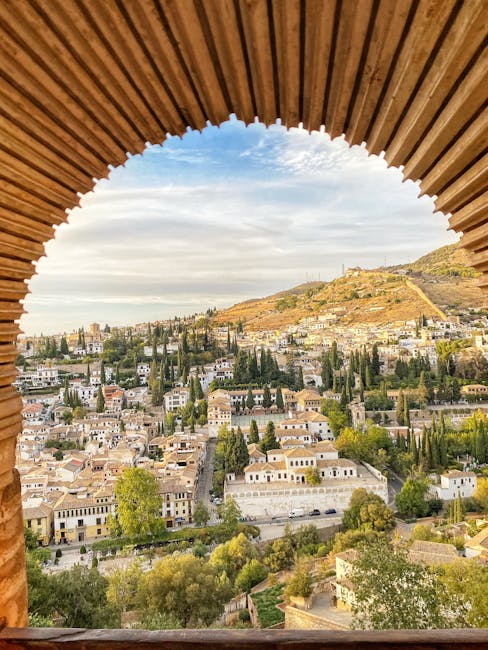
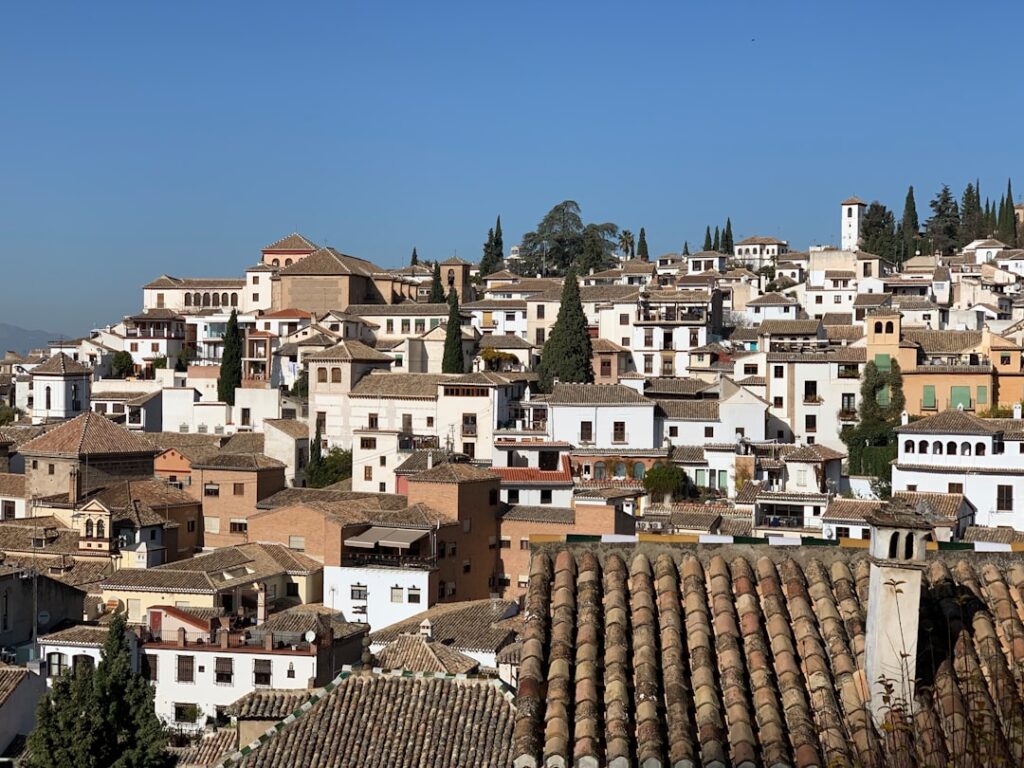
The Albaicín, Granada’s historic neighborhood and a UNESCO World Heritage site, is a charming maze of narrow streets, whitewashed squares and viewpoints that offer unforgettable views of the Alhambra and the Sierra Nevada. Its uneven cobbles and constant slopes draw hundreds of thousands of visitors every year. That popularity also attracts opportunistic petty criminals: pickpockets, distraction scams and street thefts. This guide aims to give you a practical, down-to-earth handbook so you can explore the Albaicín with peace of mind and avoid getting robbed.
We’ll cover concrete local advice: how to pick a secure bag for the climb to Mirador de San Nicolás, which streets to favor at sunset, how to react if someone bumps into you on the Paseo de los Tristes, and where to find quick help (emergency numbers, tourist information desks). Recommendations include exact addresses (to locate tourist police, info desks and pharmacies on duty), practical timings (when to visit viewpoints to dodge crowds), and typical prices (for taxis, hotel safes, mint tea in a tetería) so you can spot anything unusual straight away.
This guide isn’t meant to scare you: the Albaicín remains one of Granada’s most enchanting neighborhoods, generally safe and perfect for romantic strolls. The goal is to turn caution into a pleasant habit: where to stash your wallet, how to split your money, simple Spanish phrases to ask for help, and what behaviors to avoid so you don’t become a target. Advice is aimed at solo travelers and families alike, including tips for handling strollers in the alleys and for photographers who spend long periods at Mirador de San Nicolás at sunset.
You’ll also find concrete scenarios (for example: you notice a hand has been put into your bag near Plaza Larga) and clear procedures to follow, along with useful addresses like the Municipal Tourist Office (Plaza Nueva) or cafés where you can quickly leave your bag under supervision. Ready to explore the Albaicín calmly? This guide equips you to enjoy the neighborhood without unnecessary worry.
1) Understanding the Risks: What Threats Exist in the Albaicín and Where They Cluster
Most thefts in the Albaicín are opportunistic: pickpockets in dense tourist areas, grab-and-run incidents when visitors pause to take photos, and small distraction scams on the busiest streets. The places where you should be most alert are:
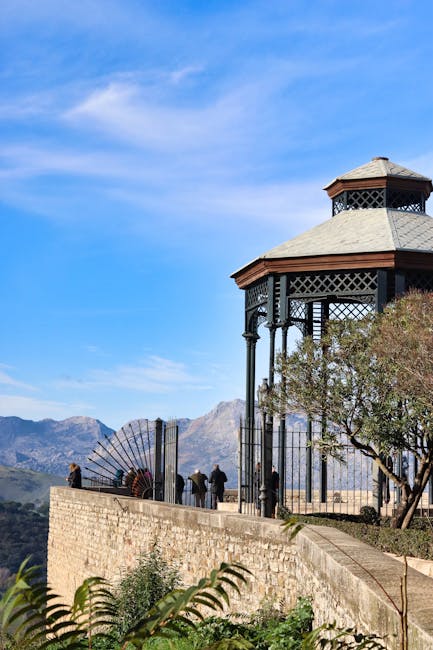
- Mirador de San Nicolás (Callejón de San Nicolás, 5, 18010 Granada) — a highly touristy spot, extremely busy at sunset; watch out for crowds jostling for photos.
- Paseo de los Tristes (Paseo de los Tristes, 18010 Granada) — a picturesque promenade at the foot of the Albaicín, busy in the evening; uneven lighting and narrow sidewalks make accidental bumps more likely.
- Plaza Larga (Plaza Larga, 18010 Granada) — the barrio’s heart, full of cafés and small shops; many pickpockets target terrace diners and outdoor tables.
- Calle Calderería Nueva (Calle Calderería Nueva, 1-7, 18010 Granada) — the street of teterías, popular and often crowded; be wary of overly persistent vendors and sudden rough gestures.
Critical times are sunset (roughly 19:00–21:30 depending on the season), late afternoon on weekends and bank holidays when the neighborhood is packed. Thefts often happen in queues, on stairways and at viewing points where tourists gather. Another common risk is team pickpocketing: one person asks you a question while another goes through your bag. « Souvenir » scams (items shown and then apparently stuck to your hands so the seller demands payment) can also occur in very touristy squares.
Immediate practical tips:
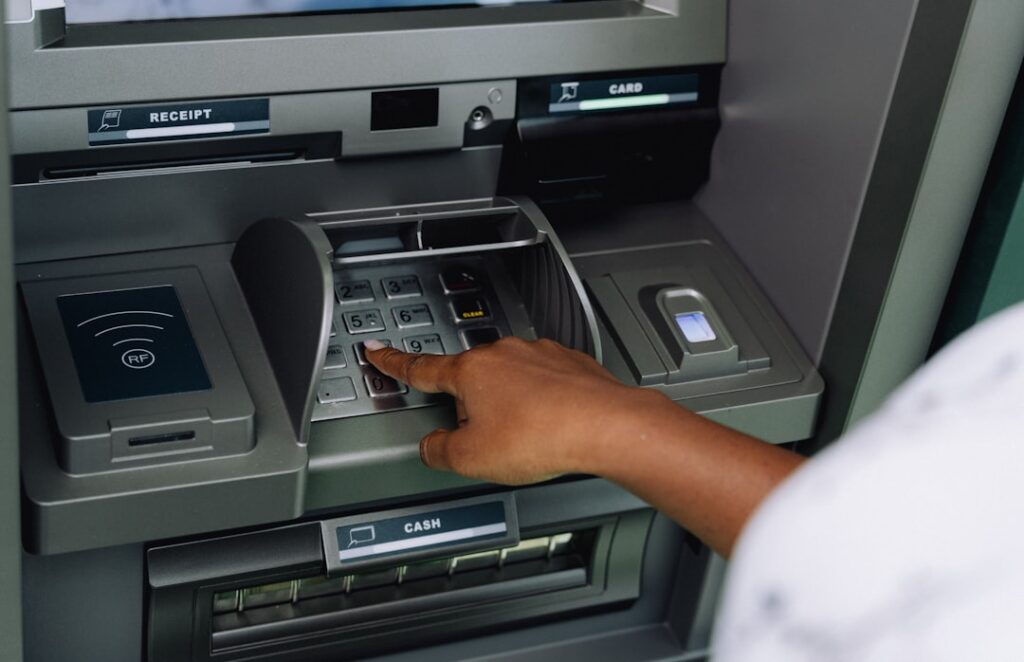
- Split your money — keep a small amount of spending money (20–40 €) in an easy-access wallet, and hide the rest in an inner pocket or money belt. Avoid withdrawing cash from ATMs in secluded spots: prefer machines inside bank branches.
- Secure bag — use a zipped bag worn close to the body, ideally an anti-cut crossbody with lockable closures. Photographers should consider an anti-theft camera strap.
- Low-key clothing — avoid flashing expensive watches or jewelry while walking around.
2) Gear and Preparation: What to Bring and How to Organize Your Belongings
Prevention starts even before you arrive in the neighborhood. Here’s the recommended gear and how to prepare your belongings to minimize risk.
- Anti-theft bag — choose a sturdy crossbody with the zipper facing forward. Mainstream anti-theft brands (e.g. Pacsafe) are available locally or online. Indicative price: 40–150 € depending on quality. Wear the bag on your chest in very crowded areas.
- Money belt — a slim belt to slip under your clothes for cards and passport (price 8–20 €). Use it especially during long walks or basic overnight stays.
- Copies of documents — photocopies of your passport and bank card, plus a digital photo stored in the cloud. Leave the original passport in the hotel safe if possible.
- Minimal wallet — carry only the cards and cash you need for the day (around 20–60 €); keep the rest safely at the hotel.
Where to leave luggage:
- If your accommodation (e.g. Hostal Atenas, Calle San Juan de los Reyes, 15, 18010 Granada) offers a safe, use it. Mid-range hotels often provide a free safe at reception; this service is usually included in the room price (varies by property).
- Left-luggage options nearby: the Municipal Tourist Office (Oficina Municipal de Turismo) (Plaza Nueva, 2, 18010 Granada) can point you to local luggage-storage services; access is free, opening hours generally 09:00–18:00 (high season 09:00–20:00).
Money and payments:
- Prefer card payments in shops and cafés. Your bank may charge fees (check in advance). Contactless payments reduce the need to take out a full wallet.
- Cash withdrawals: use ATMs located inside bank branches (e.g. Banco Santander, Calle Puentezuelas, 1, 18010 Granada) to lower the risk of skimming or being watched.

3) Behavior on the Ground: Safe Routes, Interactions and How to React If Something Happens
Your behavior on the ground makes the difference. This section gives recommended routes, useful Spanish phrases, and step-by-step procedures in case of an incident.
Safe routes:
- Head up to Mirador de San Nicolás via Callejón de las Tomasas or Cuesta del Chapiz rather than the narrowest alleys at dusk. These routes are better lit and more frequented.
- If you plan to photograph the Alhambra at sunset, arrive at least 45 minutes early and keep your belongings close. The area in front of the small chapel at the viewpoint is often crowded: place your bag between your legs or in front of you.
- Avoid descending alone on isolated stairways at night; use main streets like Paseo de los Tristes or return toward Plaza Nueva (Plaza Nueva is well lit and close to tourist services).
Common interactions and scams:
- Someone offering a free plan or an overly insistent « offer »: decline politely and move on. Scams where a person deliberately gets in front of you to take a photo and then demands money are common.
- If someone approaches to « sell » bracelets or invite you into a tetería, say “No, gracias” firmly and walk away. Avoid engaging with overly persistent street vendors.
- If you are bumped and feel a hand in your bag, don’t panic: grab your bag, move back to a well-lit area and ask for help from a shop or café — most merchants will be willing to assist.
What to do in case of theft:
- Call emergency services immediately: the Spanish emergency number is 112 for ambulance, police or fire services.
- Report the theft to the national police: the Foreign Tourist Assistance Office (Oficina de Atención al Turista Extranjero) is located near the cathedral and the Municipal Tourist Office (Plaza Nueva, 2, 18010 Granada) can point you to the nearest police station and help you file a report (denuncia).
- Contact your bank to block cards and check for suspicious transactions. If your passport is stolen, contact your nearest consulate/embassy — for France: the Consulate General of France in Granada (verify updated contact details before travel).
4) Local Resources and Useful Numbers: Where to Ask for Help and How to Get Organized After an Incident
Knowing local resources makes you more confident. Here are practical addresses and contacts, typical opening hours and the services they provide.
- Municipal Tourist Office (Oficina Municipal de Turismo) — Plaza Nueva, 2, 18010 Granada. Hours: usually 09:00–18:00 (high season 09:00–20:00). Services: free tourist information, guidance to police stations and pharmacies on duty.
- Tourist Information Office – Plaza del Carmen — Plaza del Carmen, 3, 18002 Granada. Hours vary; check online. Useful for maps and neighborhood plans.
- Granada Taxi Rank — Plaza del Carmen, 18002 Granada (central taxi point). Indicative city fares: flag drop about 3–4 €, per-kilometer rate 1–2 €; trips to Federico García Lorca – Granada-Jaén Airport (AEROPUERTO) approximately 25–35 € depending on traffic.
- Ambulance / Emergencies — European emergency number 112, available 24/7, operators in Spanish and often in English in tourist areas.
Police stations and assistance: if you need to file a complaint, the National Police have offices in Granada. When in doubt, the Municipal Tourist Office will tell you the exact location of the nearest station. Filing a denuncia (theft report) is free and necessary for insurance procedures.
Practical tip: always keep digital copies of important documents (passport, insurance cards, tickets) on a secure cloud service (Google Drive, Dropbox) accessible from any device. Also note down your bank and travel insurance emergency numbers in a notebook or on your phone.
Conclusion — Enjoying the Albaicín While Staying Alert
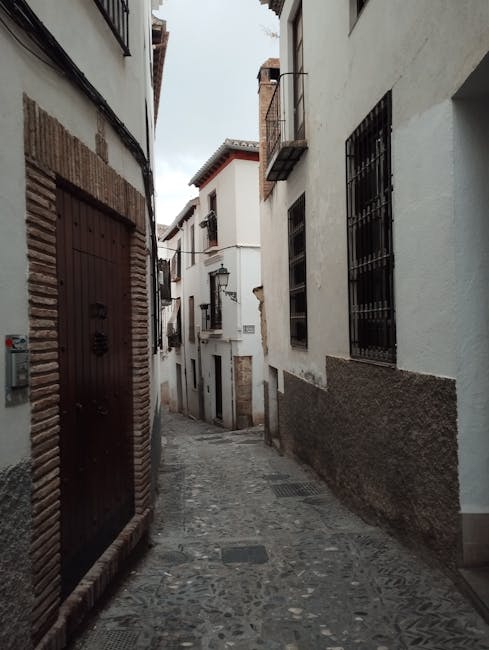
Despite the risks outlined above, the Albaicín remains one of Granada’s most treasured neighborhoods. Its white alleys, fragrant teterías and viewpoints are experiences worth the trip. The secret to not getting robbed is simple: preparation, the right gear and smart behavior. By planning your outings (arrive early at viewpoints, choose well-lit routes, split your money), carrying a secure bag and staying alert to warning signs (overly insistent people, unusual jostling), you will drastically reduce the chance of an incident.
If a problem does occur despite all precautions, local resources (Municipal Tourist Office, police stations, emergency number 112) are there to help. Take a moment to learn a few useful Spanish phrases (for example: “Me han robado” = I’ve been robbed; “Necesito ayuda” = I need help) and make sure loved ones know your emergency plan. Remember most visits go without incident: caution shouldn’t stop you from discovering the neighborhood. On the contrary, it will let you fully enjoy the Albaicín’s unique atmosphere, sip mint tea in a Calle Calderería Nueva tetería and watch the Alhambra light up from Mirador de San Nicolás — all with the peace of mind you deserve.
Have a great stay in Granada and delightful walks in the Albaicín: observe, savor, but above all protect your belongings so your trip keeps only good memories.