





Introduction: exploring Granada neighborhood by neighborhood, from the historic center to modern areas
Granada is a city where history is written into every stone, where Nasrid legacy blends with Christian architecture and everyday life unfolds between shady plazas and contemporary avenues. Nestled at the foot of the Sierra Nevada in Andalusia, Granada draws visitors for the Alhambra, of course, but also for lively neighborhoods like the Albaicín, the Sacromonte, the Realejo and modern corridors such as Avenida de la Constitución and the science quarter. This general guide offers essential routes to cross the city — from the historic core to modern areas — including exact addresses, prices in euros, opening hours, immersive descriptions and local tips to help make your visit smooth and complete.
Whether you’re a one-day traveler with limited time or a curious visitor with several days to explore, the goal is to give you clear, detailed routes centered on specific points of interest: the Alhambra and the Generalife Gardens, the Albaicín with its viewpoints, Granada Cathedral and the Royal Chapel, the Sacromonte and its caves, and modern zones like Avenida de la Constitución and the Parque de las Ciencias. Each section includes practical information — precise addresses, entry fees in euros and opening hours — plus immersive descriptions to help you get a feel for the place before you arrive.
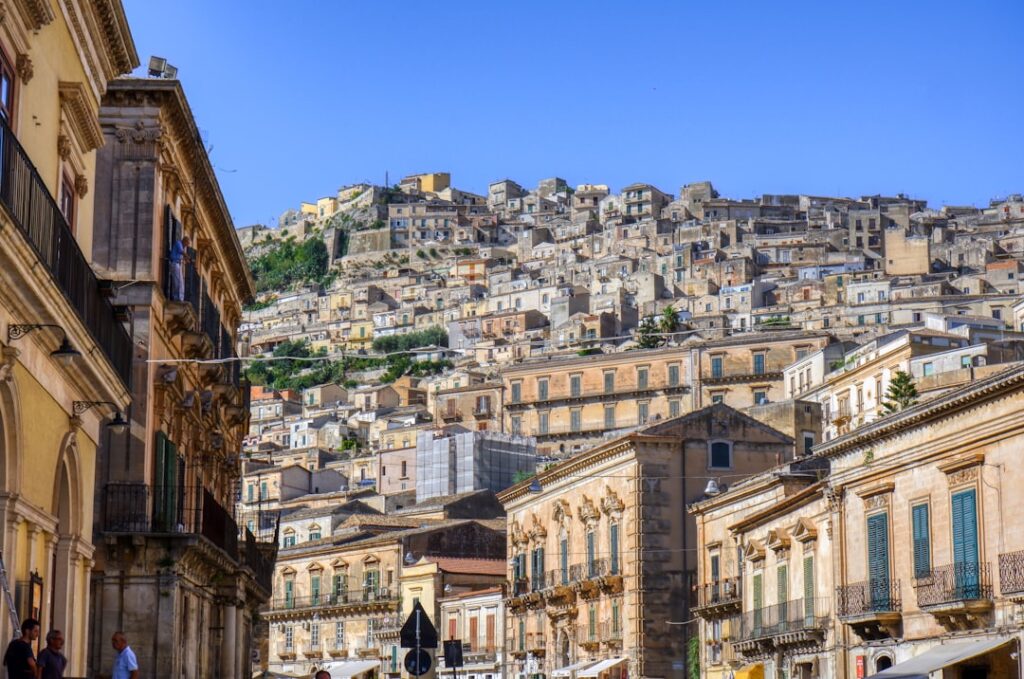
You’ll also find local tips on getting around (bus, taxi, walking), recommendations for typical restaurants and bars (with addresses), and advice on avoiding queues or finding the best photo spots. I’ve added visual markers 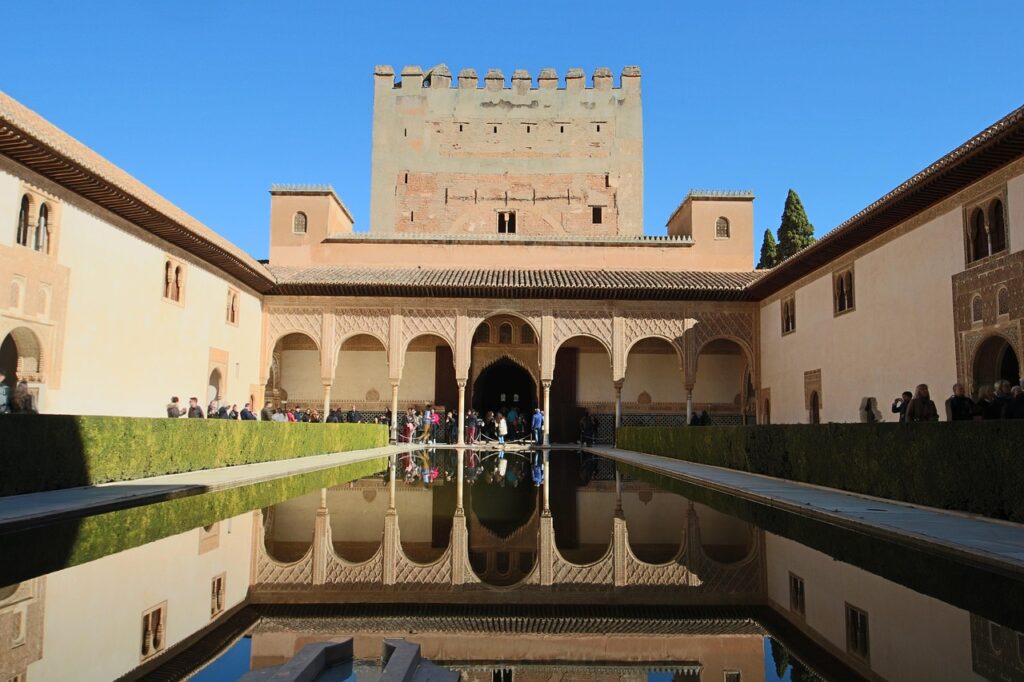 at the most photogenic spots to inspire you and make the guide easier to scan. These markers represent typical images — viewpoints, iconic façades, cobbled lanes, Andalusian patios, flamenco shows in caves — useful for visualizing each leg of your itinerary.
Before we begin, a few general tips: book Alhambra tickets in advance (access to the Nasrid Palaces is limited), wear comfortable shoes for cobbled streets and steep climbs in the Albaicín and Sacromonte, and take advantage of Granada’s tapa tradition — many bars include a free tapa with a drink. Also note that the hours listed here were correct at the time of writing; it’s wise to check official websites the day before your visit for any seasonal updates.
1. The Alhambra and the Generalife: the must-see route and practical tips
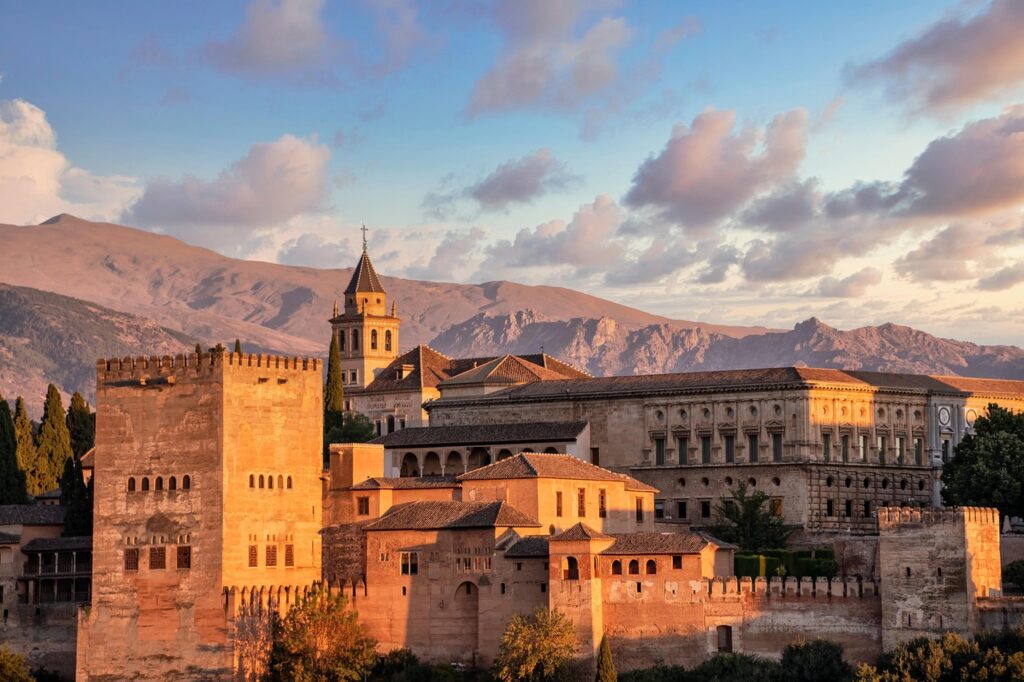
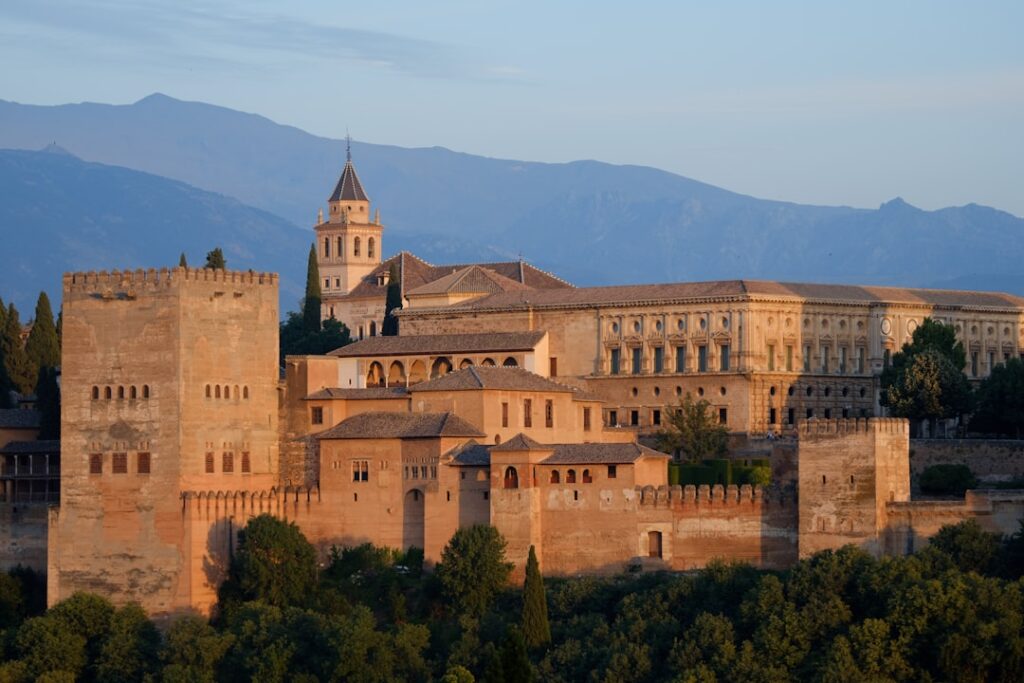
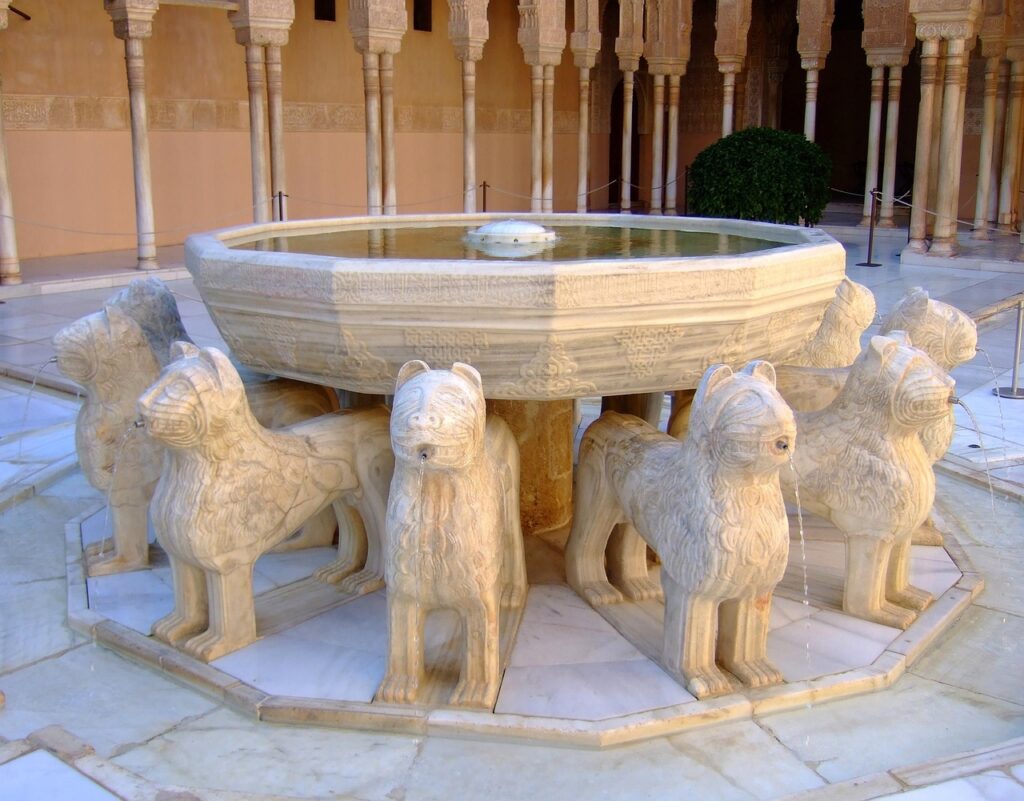
The Alhambra is the historic and symbolic heart of Granada. A UNESCO World Heritage site, the complex includes the Nasrid Palaces, the Alcazaba, the Palace of Charles V and the Generalife Gardens. Exact address: Patronato de la Alhambra y Generalife, Calle Real de la Alhambra, s/n, 18009 Granada. It’s a large site that needs at least 3 hours for a decent visit, and often half a day to really take it in.
Admission prices (indicative at time of writing): General Visit (including the Nasrid Palaces): €18.00. Reduced tickets exist for EU residents, students and seniors (check the official site to confirm). Tickets without access to the Nasrid Palaces are often around €14.00, and night visits start from about €9.00 depending on the season. Tickets are date-specific and, for the Nasrid Palaces, you will be assigned a specific entry time slot.
Typical opening hours: 8:30 – 20:00 in high season (April to October), and 8:30 – 18:00 in low season (November to March); opening times vary by day and section. The Generalife Gardens usually follow the same schedule, but access to the Palace of Charles V depends on museum hours which can differ (generally 10:00 – 18:00). Always double-check the official site: https://www.alhambra-patronato.es/
Recommended route inside the Alhambra: start at the Alcazaba (the fortress) for spectacular views over the city and the Sierra Nevada; continue with a relaxed walk through the Generalife Gardens, wandering among pools and fountains; finally, save the Nasrid Palaces for last, as their stucco work, tiles and carved wood deserve careful study — these rooms are often cooler and less crowded later in the morning. Tip: if your ticket gives you an early time slot for the Palaces, arrive at least 30 minutes early to collect your entry and avoid last-minute checks.
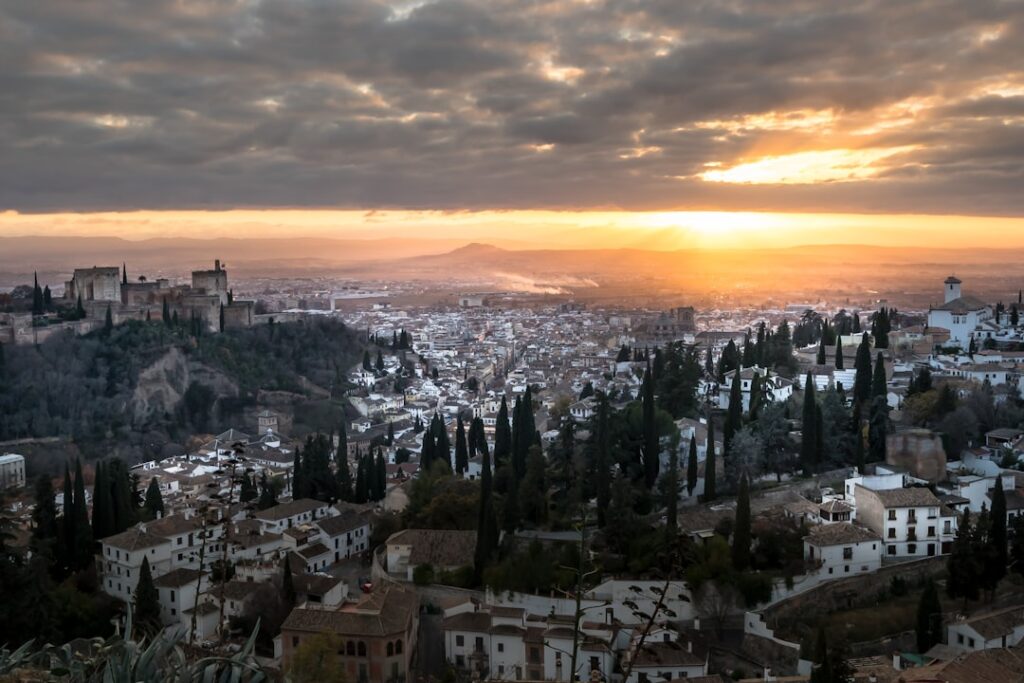
Practical tips: buy tickets online several days in advance, especially in summer; bring a hat and water in hot months (some areas have little shade); stick to your Palace time slots because access is strictly controlled; take bus C30/C32 from Plaza Nueva if you prefer not to walk up (single bus ticket: €1.40 in cash or card payment options depending on the vehicle). For a dramatic external view of the Alhambra at sunset, head to the Mirador de San Nicolás in the Albaicín.
2. The Albaicín and Mirador de San Nicolás: narrow streets, viewpoints and Moorish atmosphere
The Albaicín is Granada’s old Arab quarter, listed as a World Heritage site for its medieval layout and breathtaking views of the Alhambra. It stretches from Plaza Nueva and the Paseo de los Tristes up to the Mirador de San Nicolás. A good starting reference: Plaza de San Nicolás, 3, 18010 Granada (near the church of San Nicolás and the viewpoint). The neighborhood is best explored on foot, taking time to stop at its many miradors, traditional houses (cármenes) and artisan shops.
Hours: the neighborhood is accessible 24/7, but shops and cafés have varying opening times; most tourist shops open between 10:00 and 20:30. The Mirador de San Nicolás gets very busy in the evening — arrive early to secure a spot at sunset if you want to photograph the Alhambra bathed in golden light.
What to see and where to go: wander from the Placeta de los Carvajales (Calle Calderería Nueva, known for its tea shops) toward the Paseo de los Tristes (Paseo del Padre Manjón), then climb via Calle Elvira or Calle Calderería Nueva up to the Cuesta del Chapiz to reach the Mirador de San Nicolás. Don’t miss Calle Calderería Nueva, 9, 18010 Granada, famous for its Moroccan tea rooms (teterías) where a cup of mint tea usually costs between €2.50 and €4.00 depending on the place.
Atmosphere: the Albaicín is a maze of whitewashed streets, uneven cobbles, carved doors and small patios. Façades are often bursting with pots and planters, and the air carries stories. Listen to the local accents, smell spices and jasmine, and let your eyes drift back to the ever-present silhouette of the Alhambra. For a quieter experience, look for the cármenes — walled house-gardens tucked away behind doors — for example Carmen de la Victoria, which sometimes opens during cultural events (local reference: Calle Pagés, 1, 18010 Granada).
Tips: wear grippy shoes for the cobbles, avoid the hottest hours for climbs, and respect residents’ peace (no loud music in the narrow lanes at night). For a tasty break, stop at Mirador de San Cristóbal (Calle San Cristóbal, 6) or at La Fontana bar (Calle Elvira, 35) for tapas. Photographers will find the best times early in the morning for empty lanes and late afternoon for warm light at the viewpoints.
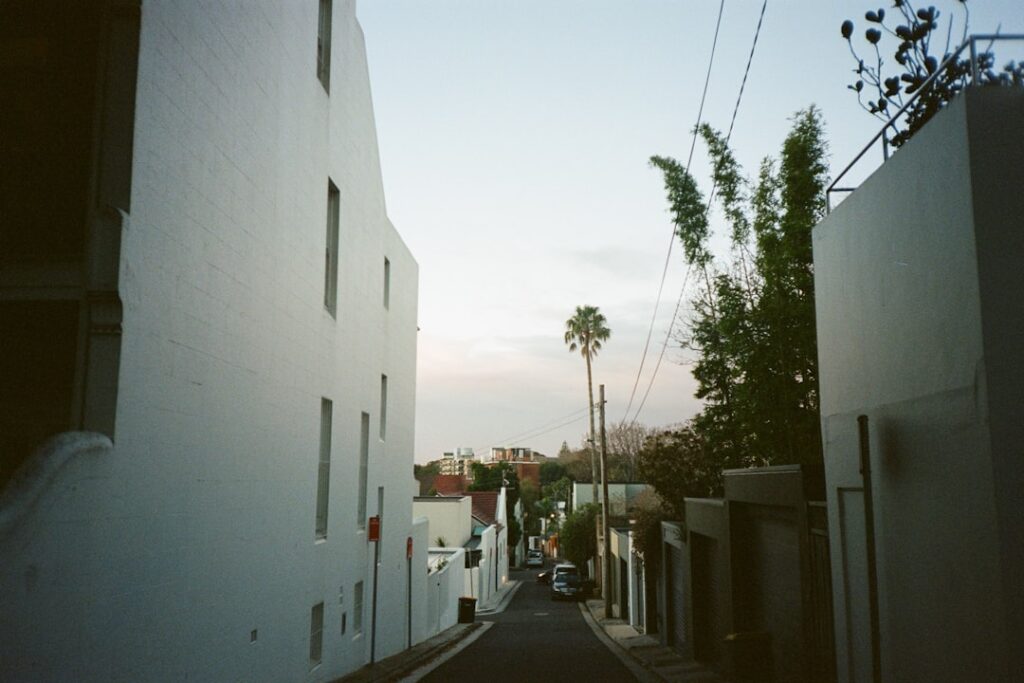
3. Historic center: Granada Cathedral, the Royal Chapel and local markets
The historic center concentrates the city’s major institutions and everyday bustle: Granada Cathedral, the Royal Chapel (Capilla Real), Plaza Bib-Rambla, the Carrera del Darro and the traditional Ataranzas market. Cathedral address: Catedral de la Encarnación, Plaza de la Reina Sofía, s/n, 18001 Granada. Royal Chapel address: Capilla Real de Granada, Calle Oficios, s/n, 18001 Granada (adjacent to the Cathedral and beside Plaza de las Pasiegas).
Entrance fees and hours: Granada Cathedral — general ticket around €5.00, typically open 10:00 – 18:30 depending on the season. Royal Chapel — combined ticket with the Cathedral often about €7.00 (combined rate), hours 10:00 – 18:30. Prices can change and combined tickets (Cathedral + Royal Chapel + Alcaicería) are sometimes offered. For Mass times or religious events, check the notices at the entrance or the parish website.
Immersive description: stepping through the Cathedral’s imposing façade, a Renaissance masterpiece, brings you into a space where light sculpts vaults and richly decorated chapels. Next door, the Royal Chapel houses the tombs of Ferdinand II of Aragon and Isabella I of Castile, with sumptuous sculptures and altarpieces — a reminder of the Reconquest. Strolling toward Plaza Bib-Rambla (Plaza Bib-Rambla, 18001 Granada), you’ll encounter kiosks, terraces and the bustle of temporary markets.
Activities and markets: visit Mercado de San Agustín (Calle San Agustín, s/n, 18001 Granada) for fresh produce and local specialties; the Alcaicería (the old silk bazaar, Calle Oficios, 18001 Granada) now houses craft and souvenir shops. For a food experience, head to Los Manueles restaurant (Calle Reyes Católicos, 12, 18001 Granada) or the tapas bar Los Diamantes (Calle Navas, 28, 18009 Granada): remember that in many Granada establishments, a drink includes a free tapa — a great way to try several dishes without spending a lot.
Practical tips: consider a stop at Mirador de San Miguel Alto if you want a different city view (reachable on foot or by taxi), and book guided tours of the Cathedral if you want deeper historical context (local guides available at ticket offices, fees vary, often between €6.00 and €12.00). The center is perfect for walking; distances between sites are short, but the crowds and stairs call for a relaxed pace.
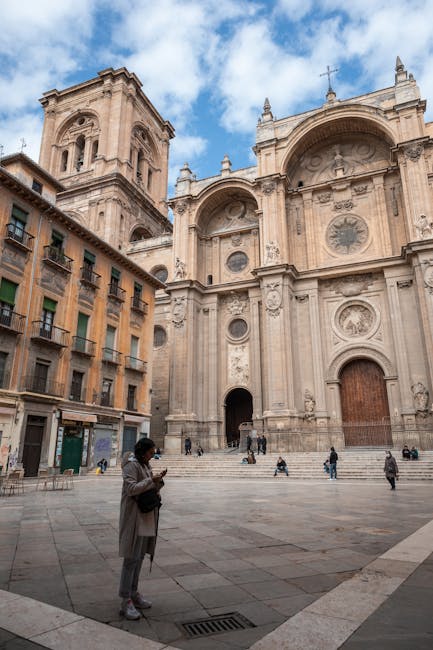
4. The Sacromonte and the caves: Romani traditions and flamenco in the grottoes
The Sacromonte, perched on the hills overlooking the Alhambra, is famous for its cave homes (cuevas) and intimate flamenco shows known as zambra. A useful starting point: Barrio del Sacromonte, Calle Cuevas del Sacromonte, 1, 18010 Granada (near the Museo Cuevas del Sacromonte and the Sacromonte Interpretation Centre).
Hours: Sacromonte can be visited at any time, but museums and shows have set schedules. Museo Cuevas del Sacromonte (Cuevas del Sacromonte, 8, 18010 Granada) usually opens from 10:00 to 18:00. Flamenco cave shows mainly take place in the evening, with common sessions at 20:00 and 22:30. Typical price for a flamenco show in a cueva: €25.00 per person (often includes a drink and light tapas).
Experience: wandering through Sacromonte, you’ll feel the vibrant pulse of Andalusian culture fused with Romani traditions. Many cuevas are lived-in homes and performance spaces where wood, packed earth and low lighting create a unique acoustic and atmosphere. The Museo Cuevas del Sacromonte offers a historical immersion into cave life with reconstructed dwellings, traditional objects and terraces that look out over the Alhambra.
Practical tips: book a zambra in advance, especially in high season; for a more « local » feel, ask about shows in less touristy caves (check with the Oficina de Turismo, Plaza Nueva, 1, 18010 Granada). Walk up from the Cuesta del Chapiz for a panoramic approach, or take the circular bus C30/C32 which serves parts of Sacromonte. For dinner, try places that serve gazpacho, oxtail stew (rabo de toro) or mountain-inspired tapas; Restaurante Mirador de Morayma (Calle Pianista García Carrillo, 2, 18010 Granada) is a good example of Andalusian cuisine with views of the Alhambra (menus around €25–€35 per person excluding drinks).
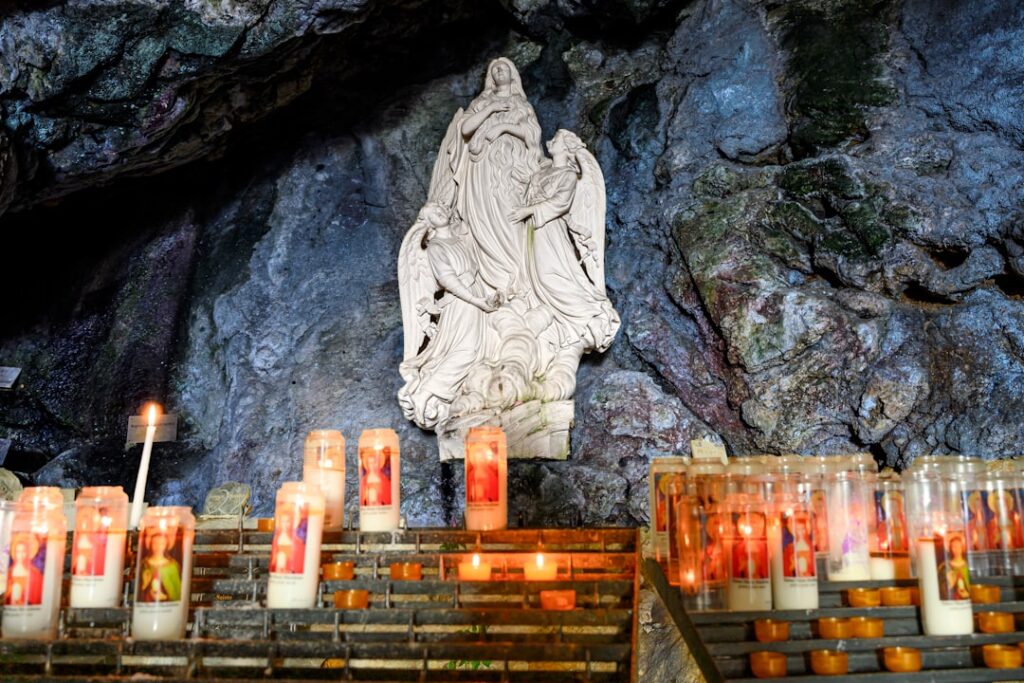
5. Modern areas: Avenida de la Constitución, Parque de las Ciencias and contemporary neighborhoods
Granada isn’t only about historic heritage; the modern city shows itself in shopping avenues, interactive museums and green spaces. Avenida de la Constitución is the main artery of the modern center, lined with shops, cafés and services. Central address: Avenida de la Constitución, 18010 Granada. The Parque de las Ciencias, an interactive science museum and park, is located at Av. de la Ciencia, 2, 18006 Granada.
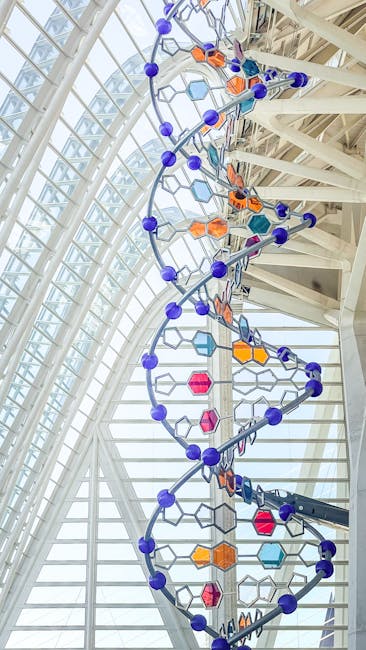
Parque de las Ciencias: hours and prices — typically 10:00 – 19:00 (seasonal variations), general admission around €6.50 for the permanent exhibition, combos with temporary exhibitions roughly €9.50. The park features exhibits on astronomy, biology and technology, a planetarium (separate paid sessions around €3.50) and kid-friendly areas. It’s an ideal stop for families or anyone looking for a playful, educational break.
Avenida de la Constitución and shopping: stroll down the avenue to find a mix of local boutiques, larger chains and cafés. For contemporary food experiences, visit Mercado de la Chana (Calle Escuelas, 1, 18006 Granada) to sample local products in a covered market format. If you’re after green space, Parque Federico García Lorca (Plaza de Federico García Lorca, 1, 18071 Granada) offers shady paths and a memorial to the poet.
Transport and getting around: the EMT municipal bus network serves these areas well; a single ticket costs around €1.40. To get from the historic center to Parque de las Ciencias, take bus C1 (toward Zaidín) or a taxi: a central-to-Parque fare averages between €6.00 and €10.00 depending on traffic (taxi base fare ~€3.20). For cyclists and pedestrians, some routes are well set up, but watch out for peak-hour congestion in the center.
Nightlife and modern dining: the Realejo, once the Jewish quarter, is now a trendy area for wine bars and fusion restaurants. Recommended spots: Restaurante Chikito (Plaza del Campillo, 11, 18001 Granada) for modernized regional dishes (plates €12–€25), Bodegas Castañeda (Calle Almireceros, 1, 18010 Granada) for a mix of tradition and quality tapas (tapas €3–€6). Don’t miss Calle Navas (Calle Navas, 18009 Granada) for a string of tapas bars and a lively evening scene.

Conclusion: planning your routes to make the most of Granada
Granada reads like a book of many chapters: the Alhambra, witness to Nasrid splendor; the Albaicín with its viewpoints; the historic center dominated by the Cathedral and the Royal Chapel; the Sacromonte with its vibrant caves and flamenco; and modern neighborhoods that add a contemporary layer to the Andalusian city. To get the most from your stay, plan according to your priorities: book the Alhambra in advance, reserve a late afternoon for Mirador de San Nicolás, save evenings in the Sacromonte for a zambra and keep mornings or half-days free to explore museums and modern avenues.
Key takeaways: buy Alhambra and cave-show tickets online; favor shoulder seasons (spring or autumn) for walking the Albaicín; use the free-tapa tradition to taste many dishes without breaking the bank; and alternate monument visits with slow wandering to truly absorb Granada’s atmosphere. Remember to check opening times (they change with seasons and local holidays) and to carry a map or navigation app for the narrow lanes of the Albaicín and Sacromonte.
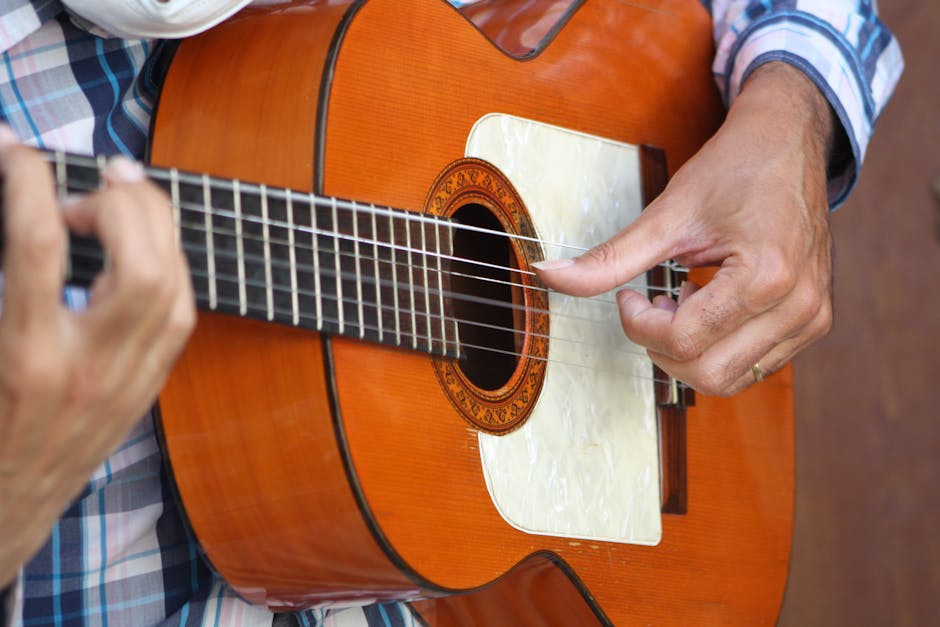
Finally, leave room for the unexpected: sit on a plaza step, pop into a tetería for mint tea, or follow the sound of a guitar into a cave — those spontaneous moments often become the most memorable. Granada is a city to be discovered slowly, mixing history, landscape and contemporary life; these essential itineraries will give you structure, but it’s your feet and curiosity that will enrich your visit.