





Introduction — Why this neighborhood guide for Granada matters for your trip
Granada is one of Andalusia’s most captivating cities: its old town is packed with Mudejar and Islamic monuments, its hills offer stunning viewpoints, and neighborhood life blends tapas, flamenco and bustling cafés. Yet, as in any tourist hotspot, how safe you feel can vary a lot from one neighborhood to another depending on the time of day, the season and how you travel. This practical guide aims to give you a clear, detailed map of the safest neighborhoods, zones to watch, and places most travelers can reasonably avoid, while offering exact addresses, opening times, prices in euros and concrete local tips.
You’ll find immersive descriptions of neighborhoods like the Albaicín, the Realejo, the Sacromonte, the Centro / Gran Vía and the Zaidín, with practical pointers: where to leave your luggage with confidence, which routes to favor to reach the Alhambra, which alleys to steer clear of at night, and how to tell a lively but safe area from a poorly lit, isolated one. This guide doesn’t simply label areas “good” or “bad”: it explains why certain pockets become trickier (poor lighting, nighttime isolation, occasional heavy crowds) and suggests immediate alternatives.
You’ll also find useful details like the Cathedral of Granada address (Catedral de Granada, Calle Gran Vía de Colón, 5, 18001 Granada), the safest way to reach the Alhambra (Real Alcázar de la Alhambra, Calle Real de la Alhambra, s/n, 18009 Granada), typical visiting hours and prices, and practical safety advice for public transport, renting an apartment and booking accommodation. Prices shown are indicative and may change: double-check official rates before you go.
Finally, this guide is aimed at all kinds of travelers — solo, couples, families or groups — and uses a professional, straightforward and accessible tone. It includes visual cues (recommended photo spots), terrace restaurant suggestions, hammam addresses and tips for enjoying Granada without unnecessary risk. Read on to discover, neighborhood by neighborhood, where to wander with confidence and where to stay alert.
1) Safe, charming neighborhoods: where to stay and why
If your priority is peace and a pleasant neighborhood vibe, focus your accommodation search on these areas: the Realejo, the higher parts of the Albaicín, the Centro (areas around Plaza Nueva and Gran Vía) and parts of the Zaidín near the park. These neighborhoods combine authentic atmosphere, ample amenities and a regular police presence. For example, the historic Realejo — a former Jewish quarter turned bohemian area — is full of small plazas, tapas bars and quiet cafés; it’s well connected and stays busy during the day, which helps reduce incidents like pickpocketing.
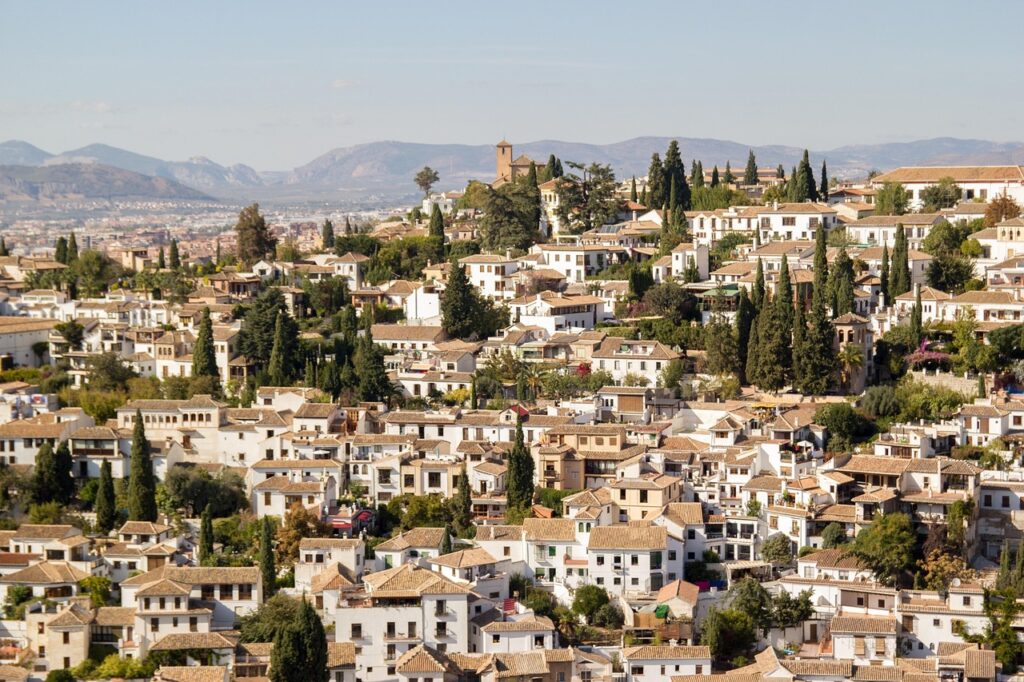
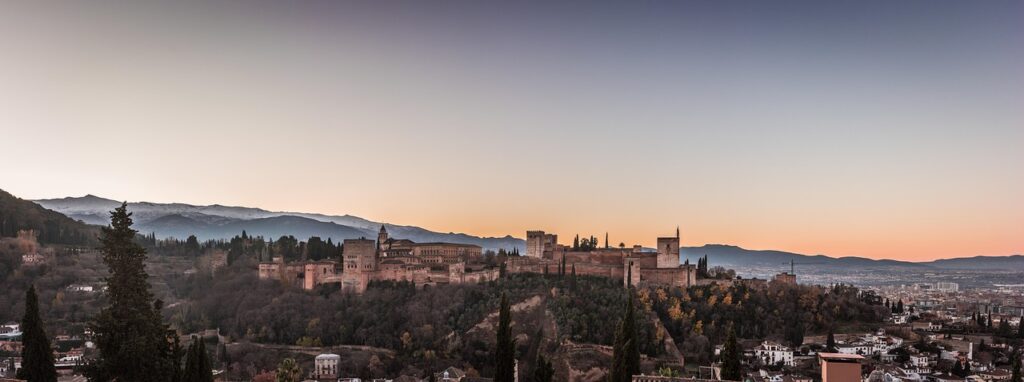
The Albaicín (Mirador de San Nicolás, Plaza Mirador San Nicolás, 18010 Granada) is unmissable for Alhambra views. It’s a steep, pedestrian neighborhood with narrow cobbled alleys. During the day and at sunset the vibe is friendly and very safe; however, some isolated, unlit lanes can feel uncomfortable at night if you’re alone or unfamiliar with the route. If you sleep here, choose places close to the Mirador or Carrera del Darro.
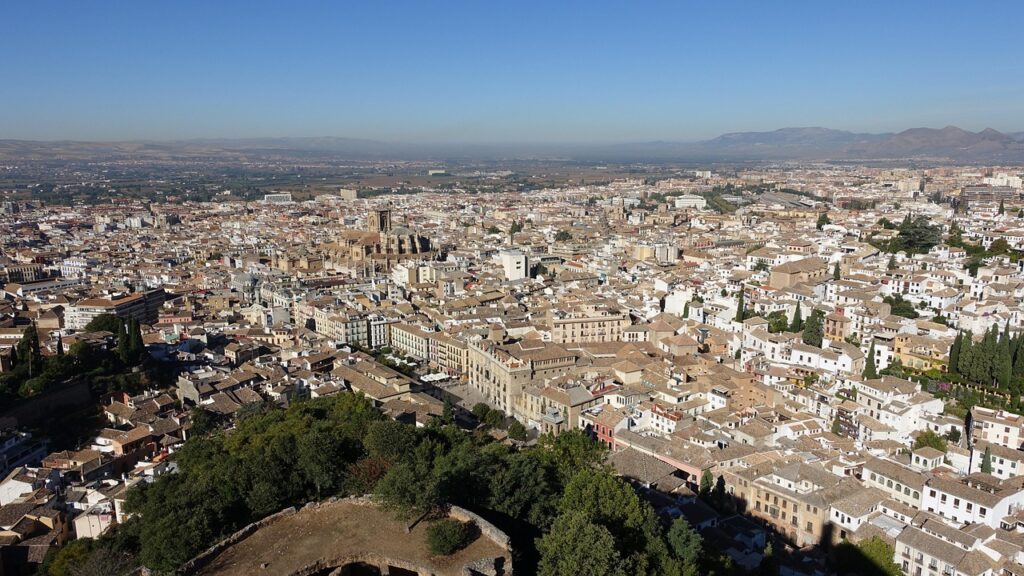
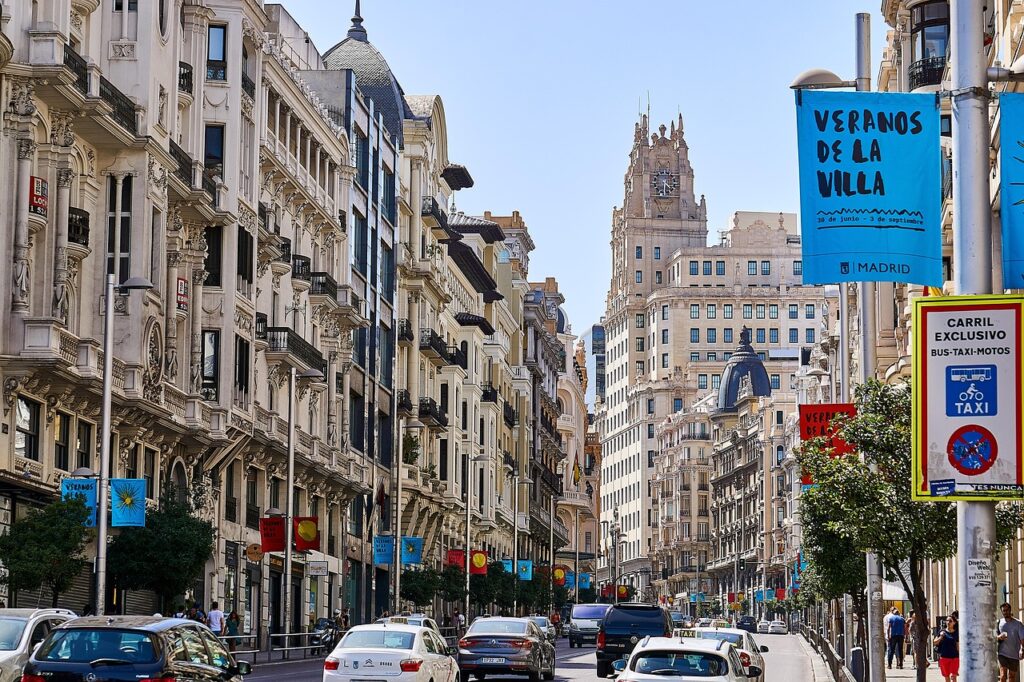
The Centro, around Calle Gran Vía de Colón and Plaza Bib-Rambla, is the commercial and civic heart: shops, restaurants and transport hubs. The Catedral de Granada, Calle Gran Vía de Colón, 5, 18001 Granada is typically open from 10:00 to 19:00 most days; basic entry is usually between €5 and €7 (rates may change). This area is very safe, well lit and ideal for families and anyone who wants to do everything on foot.
The Zaidín is more residential, quiet and often favored by long-term visitors for its affordable rents. Streets near Parque Almunia are well kept, with local shops and services. By day the area is pleasant and safe; as in any residential neighborhood, avoid completely deserted spots at night. In short: book in the Realejo, central Albaicín, Centro or on a main street in the Zaidín for a trouble-free stay.
2) Areas to watch and times to avoid
No one wants to overdramatize, but it’s useful to know where to be extra cautious. In Granada, the main issues travelers report are pickpocketing in crowded tourist spots, excessive drinking and late-night bar fights, and the isolation of unlit alleys. Three situations deserve particular vigilance: the immediate surroundings of train and bus stations at night, certain poorly lit peripheral roads, and the lower alleys of the Albaicín after midnight.
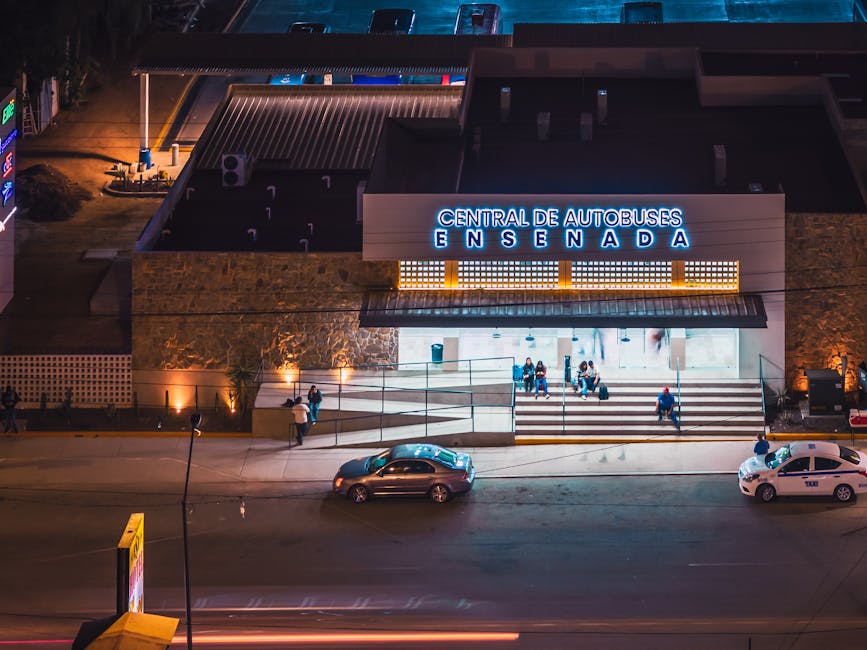
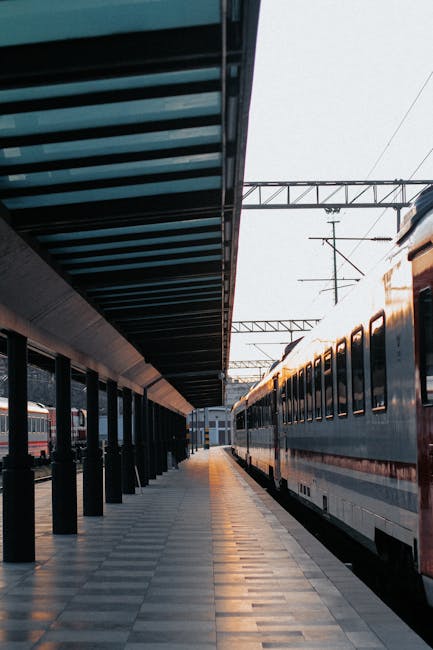
The Estación de Autobuses de Granada, Avenida de Juan Pablo II, s/n, 18006 Granada and the Estación de Tren de Granada, Avenida de Andaluces, s/n, 18014 Granada are handy for transfers, but as with any major station you should avoid showing valuables and prefer official taxis at night. Official taxis display a logo and meter; a typical fare from the city center to the airport can cost between €25 and €35 depending on time and traffic.
Camino de Ronda is a major artery that crosses varied areas: it’s busy and convenient, but some stretches can be less welcoming at night due to bars and crowds. If you’re returning late, stick to well-lit, lively routes (Gran Vía, Calle Reyes Católicos). Also avoid shortcuts through poorly lit parks and vacant lots.
Finally, in the Sacromonte — famous for its caves and flamenco shows (for example the Cueva Museo de Sacromonte, Paseo de los Tristes area) — the terrain is steep: watch out for uneven paths at night and favor taking a taxi to the higher points rather than walking after midnight. The Sacromonte is unique and very safe in its performance venues, but some visitors find the alleys isolated after shows — keep an eye on your group and book a taxi in advance if you’re tired.
3) Safe routes to visit the Alhambra and other highlights
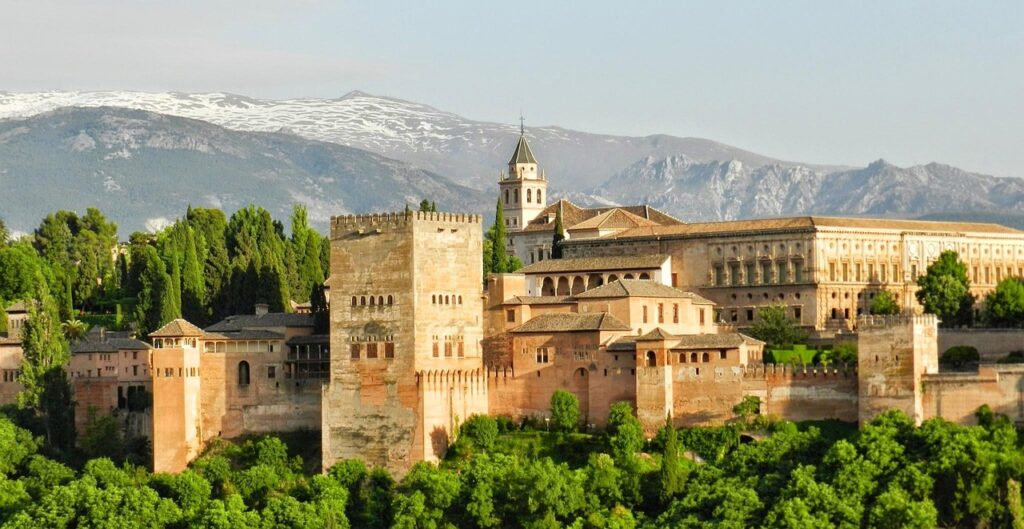
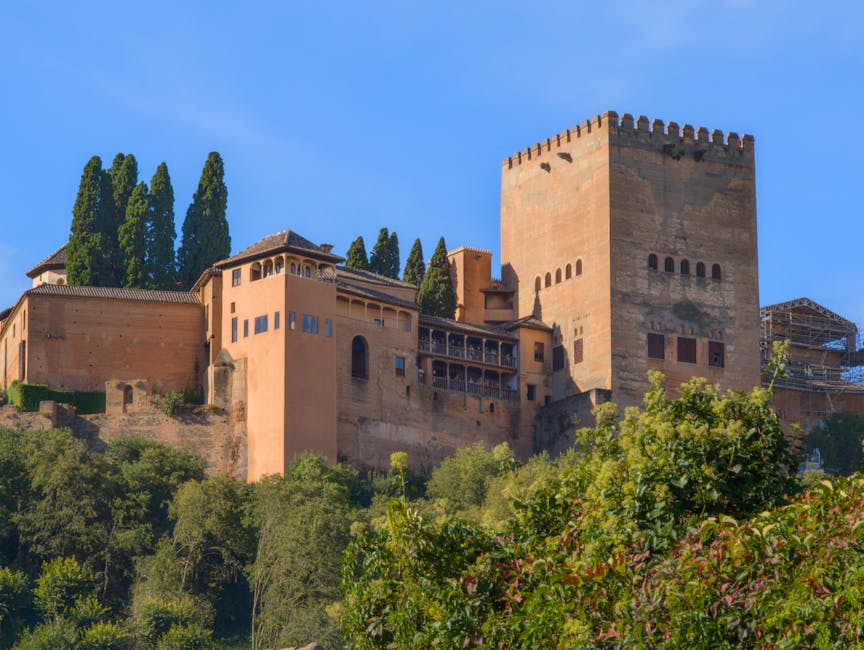
The Alhambra is Granada’s crown jewel. To visit safely and comfortably, plan your route in advance. The main entrance is at Real Alcázar de la Alhambra, Calle Real de la Alhambra, s/n, 18009 Granada. Tickets should ideally be bought online from the official site; a standard adult day ticket typically costs between €14 and €18 for the Alhambra and Generalife, and there are night palace tickets around €8–€10. Opening hours vary by season: in high season daytime visits can run from 8:30 until 20:00, while night visits often start around 22:00. Confirm the hours before you go as they change frequently.
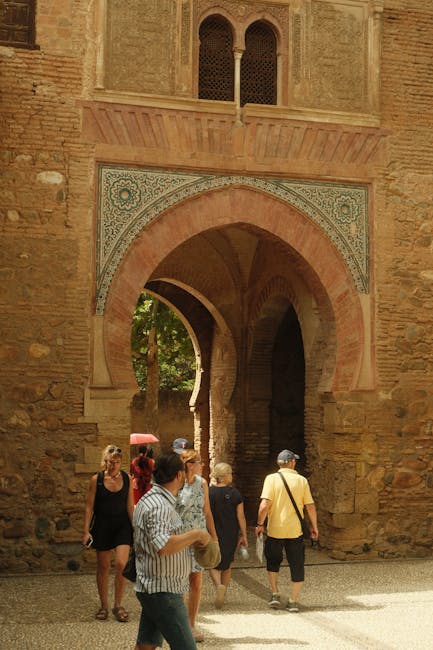
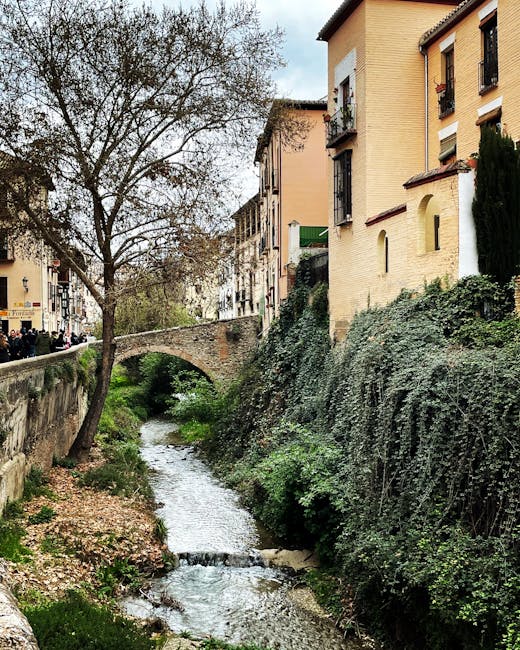
Recommended route from the center: walk up the Carrera del Darro, cross the Carril bridge along the Río Darro to the Cuesta del Rey Chico, then follow signs to the Alhambra. This path is photogenic, lit and heavily used by tourists, making it safe during the day and at dusk. If you’re carrying heavy luggage, take a taxi to the access area to save energy.
If you arrive by train: take a direct city bus (lines 30 and 32 depending on schedules) or a taxi from the Estación de Tren de Granada, Avenida de Andaluces, s/n, 18014 Granada. Taxi drivers know the entrances well and can drop you near the Puerta de la Justicia. Expect about €6–€10 from the historic center.
Practical tip: book an early guided tour to avoid the crowds (tours often depart at 8:30), bring water and comfortable shoes — the site has steps and sun-exposed areas. For safety, don’t leave valuables visible in your backpack during the visit; carry a small lock if you have expensive camera gear.
4) Safe restaurants, hammams and public spots — addresses and opening times
Granada is famous for its tradition of free tapas with many drinks; still, always keep an eye on your drink and belongings. Here are some trusted recommendations with addresses, hours and price ranges:
-
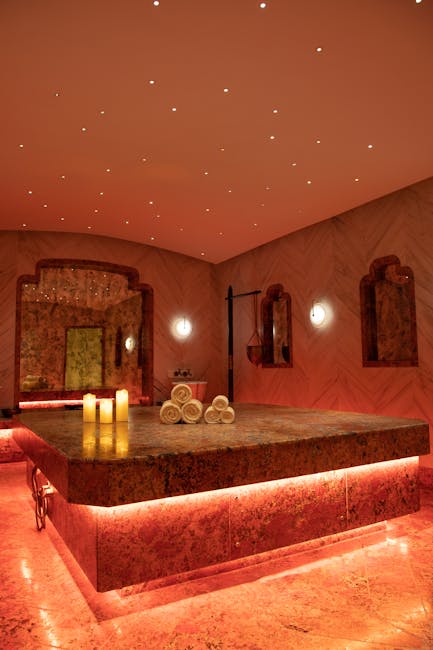
Hammam Al Ándalus Granada — Calle Santa Ana, 15, 18010 Granada. Hours: usually 10:00 to 22:30 (last entry varies). Prices: wellness sessions from €28 for 60 minutes (full spa packages €40–€60 depending on services). The venue is monitored, clean and perfect to relax after a day of walking.
-
Restaurante Las Tomasas — Calle San Juan de los Reyes, 24, 18010 Granada. Hours: lunch 13:00–16:00, dinner 20:00–23:30. Prices: mains €12–€28. Terrace with Alhambra views; professional service and a tourist clientele.
-
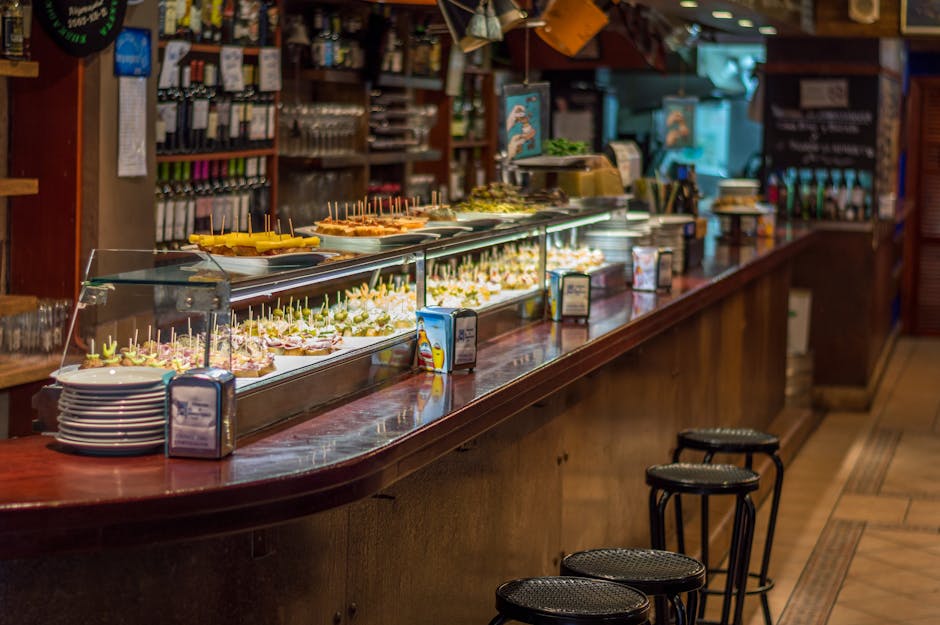
El Mercader (tapas) — Calle Recogidas, 45, 18002 Granada. Hours: 12:00–16:00 and 19:00–00:00. Free tapas with drinks; modest price range, €2–€6 per tapa. Very busy — pickpockets may operate if you’re not watching your belongings.
In public places, favor cafés and restaurants with table service and electronic payment systems; avoid withdrawing cash from isolated ATMs at night. Night pharmacies are available around the center — look for the sign « Farmacia de Guardia » on the storefront or check online for on-call hours.
5) Local tips, useful contacts and final recommendations for a smooth stay
Practical tips from locals and tourism professionals to keep your Granada stay trouble-free:
- Emergency numbers: in an emergency call 112 (European single emergency number). The Policía Local patrols the historic center and tourist zones; for non-urgent issues, visit the local police station or ask your accommodation for help.
- Safe transport: use official taxis (clear roof sign and meter) at night; a ride from the center to the airport usually costs €25–€35. City buses run frequently during the day — check lines 3, 11 and 30 depending on your route.
- Money and cards: avoid carrying large sums of cash. ATMs are plentiful but prefer those inside banks to reduce skimming risk.
- Lighting and footwear: wear appropriate shoes — many streets are cobbled and steep — and stick to well-lit routes after dark.
- Local respect: Granada is proud of its Islamic-Christian heritage; dress and behave respectfully in places of worship such as the Capilla Real, Calle Oficios, 3, 18001 Granada (hours vary, entry fees around €5–€6).
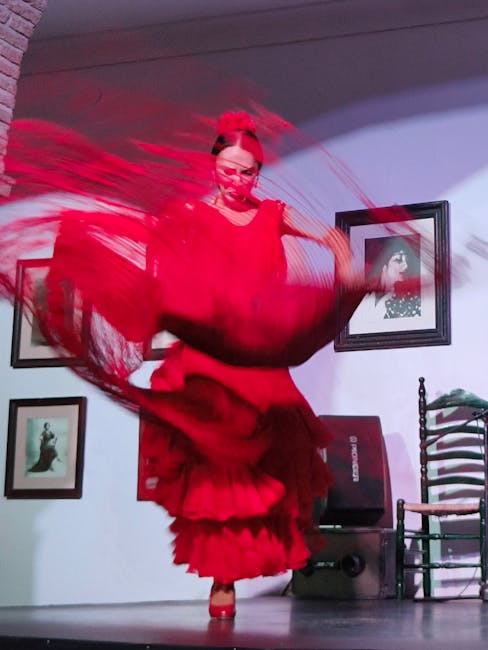
If you want authentic local experiences safely, book flamenco shows at reputable venues like the Sacromonte caves (reserve and plan a taxi for late nights) and choose official guides for themed tours (night walks to the Mirador de San Nicolás or food tours). Follow these simple tips and your stay in Granada will be rich, safe and memorable.
Conclusion — Traveling in Granada with confidence: summary and last tips
Granada is a city where history reveals itself on every corner and Andalusian warmth makes meeting people easy. This guide has outlined the safest neighborhoods (Realejo, Centro, central Albaicín and parts of the Zaidín), areas to watch (stations at night, poorly lit stretches of Camino de Ronda, lower Albaicín alleys after midnight), safe routes to the Alhambra and concrete addresses like the Catedral de Granada, Calle Gran Vía de Colón, 5, 18001, the Real Alcázar de la Alhambra, Calle Real de la Alhambra, s/n, 18009, and the Hammam Al Ándalus, Calle Santa Ana, 15, 18010. You now have practical information: useful addresses, typical opening hours and price ranges in euros to plan with confidence.
Remember most incidents reported by travelers in Granada are minor (pickpockets, late-night nuisances) and easily avoided by basic precautions: don’t flash valuables, choose accommodation in a well-served, well-lit neighborhood, use official taxis at night and plan your return after shows. Enjoy the terraces, walks at sunset to the Mirador de San Nicolás and flamenco evenings in the Sacromonte — but always arrange your trip back if the walk is steep or late.
By following the advice in this guide and checking updates as needed (opening times and prices may change), you’ll maximize your safety and peace of mind while exploring Granada at your own pace. Have a great trip and soak up the magic of this city with confidence.