






Introduction: Why pick an audio guide to explore Granada
Choosing an audio guide for exploring Granada can seriously shape how you experience the city. With visible historical layers on every corner, Granada is home to landmarks like the Alhambra, the Generalife, Granada Cathedral and the Albaicín neighborhood, where history, architecture and the stories of different cultures overlap. In that setting an audio guide becomes more than a gadget: it’s a cultural translator. It gives you precise, chronological information right when you’re looking at a place, helping you understand architectural elements, inscriptions, decorative motifs and urban vistas.
An audio guide walks with you step by step without forcing you to stick with a tour group — a real advantage in Granada, where narrow streets and viewpoints call for flexibility and stopping to soak up panoramas like the view from Mirador de San Nicolás. It also respects your pace: pause to take a photo, rewind to hear something again, skip ahead when a topic doesn’t interest you. Formats range from rented physical devices to downloadable apps and MP3 files, so you can pick what fits your tech habits and budget.
Beyond the practical side, a good audio guide enriches the visit with historical context: key dates, biographies of architects or rulers, and local anecdotes that don’t always appear on signs. For the Alhambra (Calle Real de la Alhambra, s/n, 18009 Granada), for example, knowing the chronological order of the Nasrid palaces, the meaning of the stalactite-like muqarnas and the symbolism of the Generalife gardens changes how you read the spaces. Likewise, understanding the Albaicín’s evolution from the Islamic era through the Reconquest makes the coexistence of Moorish and Christian details on façades and cobbled streets much clearer.
This general guide aims to outline the clear advantages of using an audio guide during a stay in Granada, while also presenting potential limits so you can choose the option that best fits your visiting style. We’ll cover practical aspects — where to rent an audio guide, typical prices in euros, opening hours for main sites — and share local tips to optimize your route. Finally, we’ll compare digital and human alternatives, like live guided tours, so you can decide with all the facts. Get ready to discover Granada with curious ears and free feet: an audio guide can unlock a smoother, more intimate and often richer visit.
Practical benefits of an audio guide in Granada: autonomy, savings and comfort
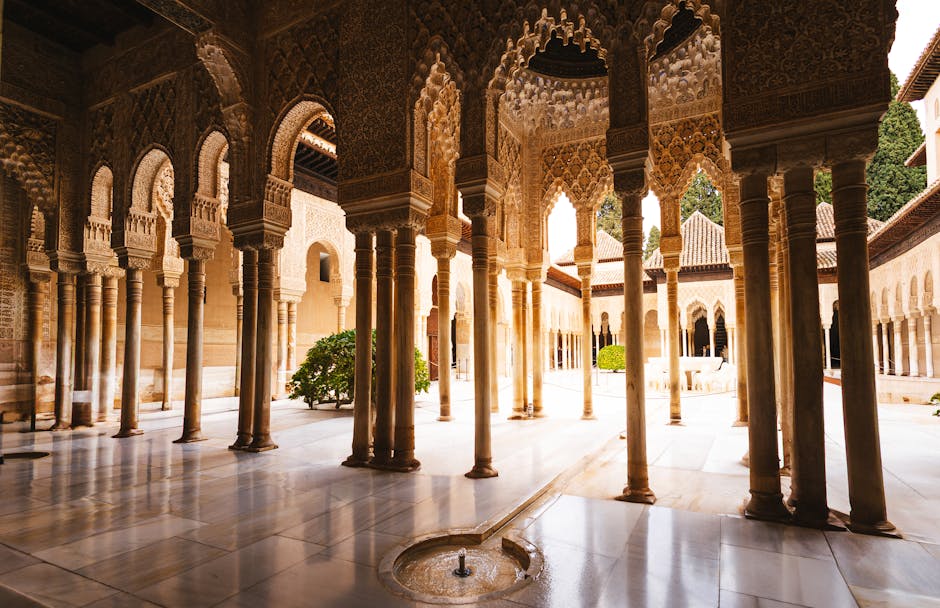
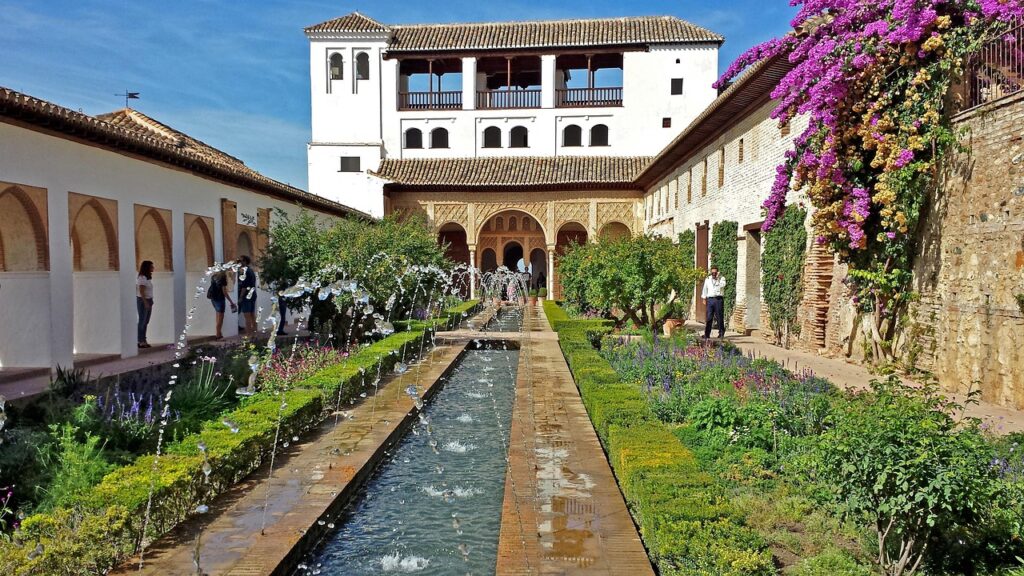
One of the main perks of an audio guide is the autonomy it gives you. In Granada, major sites are spread out and often include areas where moving organized groups is awkward. An audio guide lets you manage your time as you like: linger in the Generalife gardens (Alhambra, Calle Real de la Alhambra, s/n, 18009 Granada) or go back to admire a carved detail in the Court of the Lions without bothering other visitors. That’s especially useful during peak times (summer and local festivals) when queues and fixed schedules can be frustrating.
Listening comfort is another big benefit. Modern audio guides feature narrations recorded by specialists, often available in several languages, with sound effects and pauses matched to the pace of the visit. Physical rental devices on site usually cost between 5 and 7 euros for a typical tour (duration varies by site), while mobile apps or downloadable audio files can range from 3 to 10 euros depending on quality and how many routes are included. For example, the official Alhambra audio guide, when available, is often included with certain ticket options or rented on site at a price close to 6 euros (indicative prices — always check the official site).
From a budget perspective, an audio guide is often a cheaper alternative to a private guided tour. A guided visit in French with a local guide can cost between 80 and 150 euros for a small group, whereas an audio guide delivers expert commentary for a fraction of that price. For solo travelers or couples, the price difference is often decisive. Families can sometimes share a single device (following site rules), reducing the cost per person even more.
- Availability: many major sites (Alhambra, Granada Cathedral, Monasterio de la Cartuja) offer rental devices or downloadable audio tracks.
- Flexibility: listen when you want, repeat as needed, adjust duration and route.
- Multilingual options: narrations commonly available in Spanish, English, French, German and sometimes Italian or Japanese, depending on the operator.
In practice, to get the most out of this comfort, check the opening hours of main sites to plan your day: the Alhambra typically opens in the morning with hours that can range between 08:30 and 20:00 depending on the season (consult the official site for exact dates), Granada Cathedral (Catedral de Granada, Calle Gran Vía de Colón, 5, 18001 Granada) usually welcomes visitors from 10:00 to 18:00, and the Monasterio de la Cartuja (Calle Cartuja, s/n, 18011 Granada) has morning and afternoon slots (for example 10:00-14:00 and 16:00-18:00, variable by season). These schedules can affect whether you choose an all-day audio guide or a module limited to a specific site.
Cultural and educational value: making sense of Granada’s complex history
Granada is a city where history reads like a visual novel: Nasrid kingdoms, the Catholic Reconquest, and modern transformations. A well-made audio guide explains this historical layering clearly and accessibly. For instance, inside the Alhambra, an audio guide will lay out the construction timeline — the Nasrid palaces (Palacio de Comares, Palacio de los Leones), post-1492 Christian alterations, and the symbolic role of the built landscape. Place names and functions (Palacio de Carlos V, Calle Real de la Alhambra, s/n) take on deeper meaning.
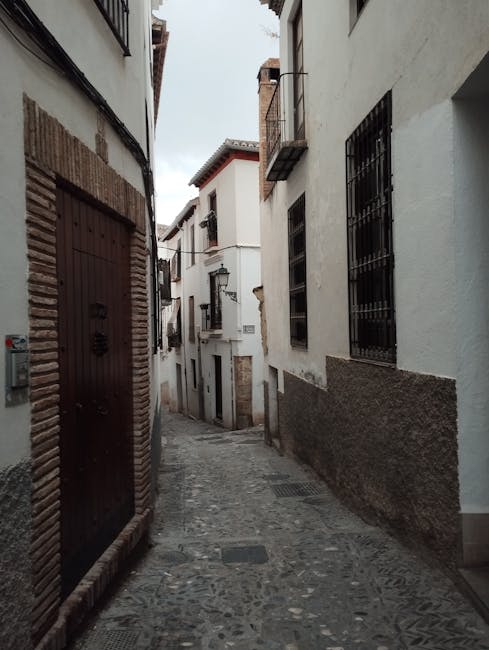
In the Albaicín neighborhood (Barrio de Albaicín, 18010 Granada), listening to a track that describes the topography, the role of miradores and the persistence of hammams (Arabic baths) helps you understand why streets are stepped, how daily life revolved around patios and wells, and why some walls still contain reused elements from the Islamic era. An audio guide provides time markers that turn mere admiration of a façade into critical reading: dates, dynasties, construction techniques (brick, carved plaster, worked wood), and the meaning behind geometric motifs.
The educational side also comes through human stories: biographies of rulers (e.g. Muhammad V), family dramas, battles and diplomacy, as well as smaller anecdotes — how a craftsman discreetly signed his work, or why a fountain was moved. These details bring sites to life. At Granada Cathedral and the Royal Chapel (Capilla Real de Granada, Calle Oficios, 6, 18001 Granada), an audio guide contextualizes the artistic fusion of Gothic, Renaissance and Plateresque styles, explains the tomb of the Catholic Monarchs and gives details about the artworks and tombs (entrance fees vary, often 5 to 8 euros for the Royal Chapel; indicative hours 10:00-18:00).
- Architectural explanations: materials, techniques, Islamic and Christian influences.
- Historical context: chronology, key figures, major events.
- Human stories: artisans’ anecdotes, daily life, religious rituals.
This kind of knowledge improves how you read spaces: recognizing a muqarnas motif in a Nasrid palace, understanding the purpose of an Andalusian patio, or grasping the visual impact of a perspective from Paseo de los Tristes (Paseo de los Tristes, 18010 Granada) thanks to contextual narration. For families, audio guides often offer child-friendly versions with simplified vocabulary and engaging stories to keep little ones interested.
Limits and precautions: technical issues, sensitivity and human interaction
Despite their many strengths, audio guides also have limits you should be aware of to plan a balanced visit. The first is technical: malfunctioning devices, low batteries, or download problems with an app can interrupt the experience. If you choose a mobile app, make sure you have enough storage and a power bank; if you rent a device on site, check it before you leave and ask for instructions if needed.
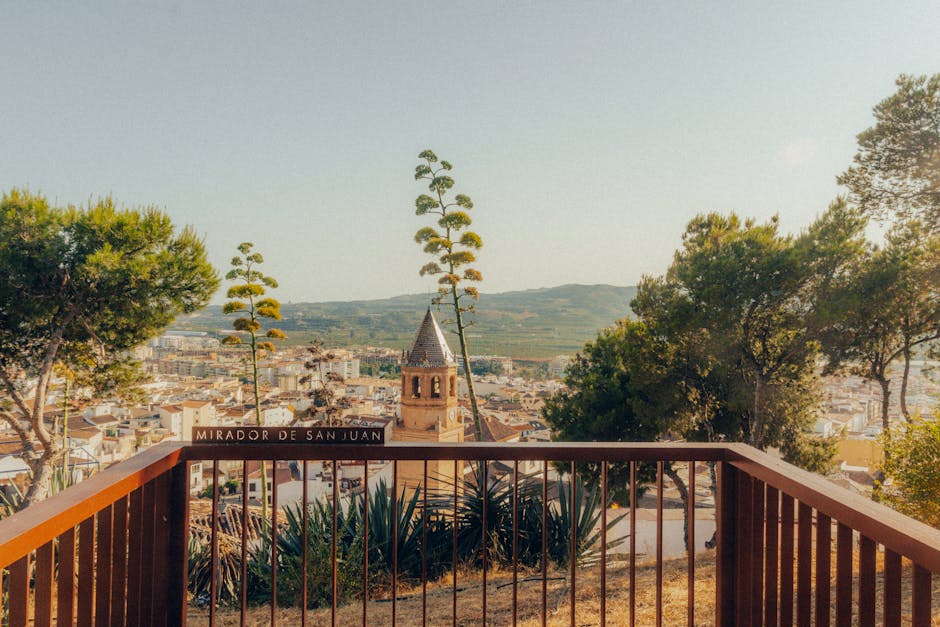
Another limit concerns sensitivity and interpretation: audio guides often provide a concise, neutral narrative that can leave out historiographical debates or sensitive local perspectives. For example, interpretations of the stages of the Reconquest and its consequences for Muslim and Jewish populations may be simplified. Likewise, contemporary realities (gentrification of the Albaicín, mass tourism at Mirador de San Nicolás — Plaza de San Nicolás, 18010 Granada) involve local tensions that sometimes require a more nuanced commentary than a prerecorded script offers.
Human interaction is another area where an audio guide can fall short. A live guide can answer specific questions, adapt their talk to the group’s level, and give immediate local recommendations (restaurants, cafés, quieter hours). In Granada, local tips such as the best time to go up to Mirador de San Nicolás to avoid crowds, or where to eat on Calle Elvira (Calle Elvira, 18010 Granada), are often more useful coming from a resident than from a standard recording.
- Technical problems: battery, downloads, sound quality.
- Limited interpretations: lack of depth on controversial or sensitive topics.
- No interaction: no personalized answers or immediate recommendations.
Finally, consider the social dimension: using an audio guide can isolate you from spontaneous exchanges with other travelers or local guides. If you enjoy conversation, live anecdotes, local humor or the opportunity to ask questions, a live guided tour or hiring a local for a few hours can nicely complement an audio guide. A mixed approach — audio guide for the broad discoveries and a human guide for themed visits (food, social history) — often works best.
Practical tips and recommendations: how to choose and get the most from an audio guide
To make the most of an audio guide in Granada, start by planning your visits and booking tickets in advance, especially for the Alhambra. Alhambra tickets (Palacios Nazaries, Palacio de Carlos V, Generalife) are sold for specific time slots and the standard adult price for daytime access to the Nasrid palaces is around 16 euros (indicative — check the official sites of the Junta de Andalucía or the Patronato de la Alhambra y Generalife). Buying tickets online often lets you choose options that include an official audio guide or multimedia packs.
If you prefer a device on site, rental points are usually at main ticket counters: the Alhambra (Calle Real de la Alhambra, s/n, 18009 Granada), the entrance to the Cathedral (Catedral de Granada, Calle Gran Vía de Colón, 5, 18001 Granada) and sometimes at Monasterio de la Cartuja (Calle Cartuja, s/n, 18011 Granada). Expect to pay 5 to 7 euros to rent a standard device per visit. Mobile apps let you download complete guides; favor versions that work offline to avoid network issues on the street.
For equipment, bring comfortable earphones and a power bank. In crowded spots (Mirador de San Nicolás, Plaza de San Nicolás, 18010 Granada; Paseo de los Tristes, 18010 Granada), lightweight isolating earphones help you enjoy commentary while staying aware of your surroundings. For families, check whether the guide offers a children’s version or interactive quizzes to keep younger visitors engaged.
- Booking: buy Alhambra tickets in advance and check access times.
- Gear: earphones, power bank, offline maps.
- Mix it up: combine audio guide + live guide for deeper insight.
Some local tips: avoid the hottest hours between 14:00 and 17:00 in summer; prefer mornings at the Alhambra (or late afternoons off-season), and end the day with a stroll along Paseo de los Tristes by the Darro. For food, try tapas on Calle Elvira (Calle Elvira, 18010 Granada) or in the Realejo neighborhood (Barrio del Realejo), and don’t miss the local specialty, the pionono, at traditional bakeries. If you’re unsure about opening times: Granada Cathedral usually opens 10:00 to 18:00, the Royal Chapel typically 10:00 to 18:00, and Monasterio de la Cartuja’s hours can vary by season, so always check official sites.
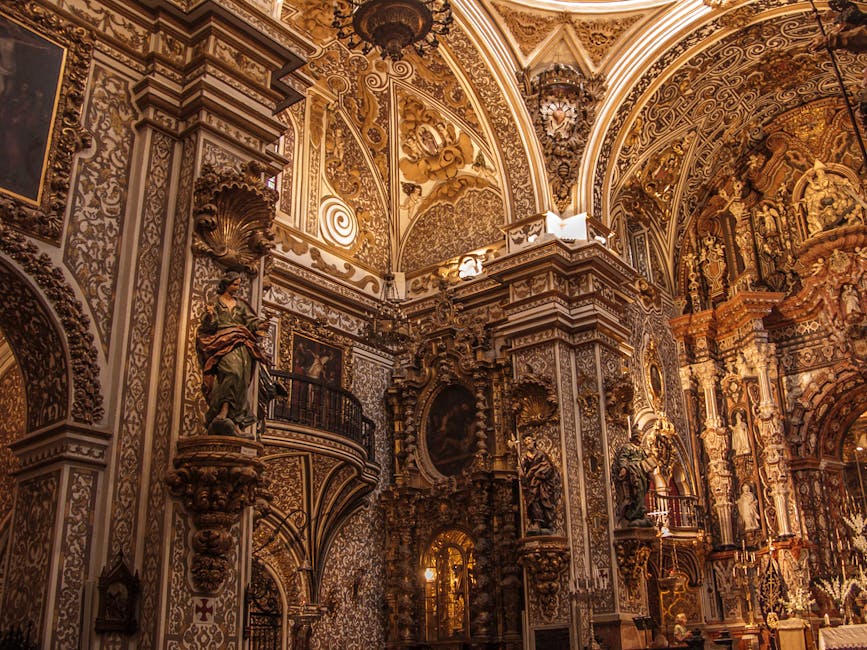
Concrete examples: suggested routes with an audio guide
Here are two sample itineraries to make the most of an audio guide in Granada: one half-day focused on the Alhambra, the other a full day combining the Albaicín and the historic center.
Itinerary 1 — The essentials of the Alhambra (half-day)
- Start: Main entrance to the Alhambra (Calle Real de la Alhambra, s/n, 18009 Granada). Arrive 30 minutes before the time printed on your ticket.
- Rental/activation: pick up or activate your audio guide. Make sure the tracks for the Palacio de los Leones and the Patio de los Arrayanes are selected.
- Visit: Nasrid Palaces (Palacio de Comares, Palacio de los Leones), then the Generalife (gardens and summer house). Allow 2.5 to 3 hours.
- Tip: take breaks at Mirador de la Silla del Moro or in the gardens to enjoy city views.
- Indicative costs: Alhambra ticket ~ 16 euros (adult); audio guide if not included ~ 5-7 euros.
Itinerary 2 — Albaicín, viewpoints and historic center (full day)
- Morning: start at Mirador de San Nicolás (Plaza de San Nicolás, 18010 Granada) for the morning light and activate the Albaicín track.
- Walk: descend via Paseo de los Tristes (Paseo de los Tristes, 18010 Granada) toward the historic center. Listen to the track on the Darro river and historic bridges.
- Afternoon: visit Granada Cathedral (Calle Gran Vía de Colón, 5, 18001 Granada) and the Royal Chapel (Calle Oficios, 6, 18001 Granada). Plan 2 to 3 hours for these sites.
- Food tip: stop for tapas on Calle Elvira (Calle Elvira, 18010 Granada) or in the Realejo.
- Indicative costs: Cathedral entry ~ 5 euros, Royal Chapel ~ 5-8 euros, full-day audio guide ~ 6-10 euros depending on the app and modules.
These routes show how an audio guide can structure your visits, providing historical markers and routing tips. Adapt them based on the weather, your fitness (lots of walking and elevation changes) and your interests (architecture, sacred art, gardens).
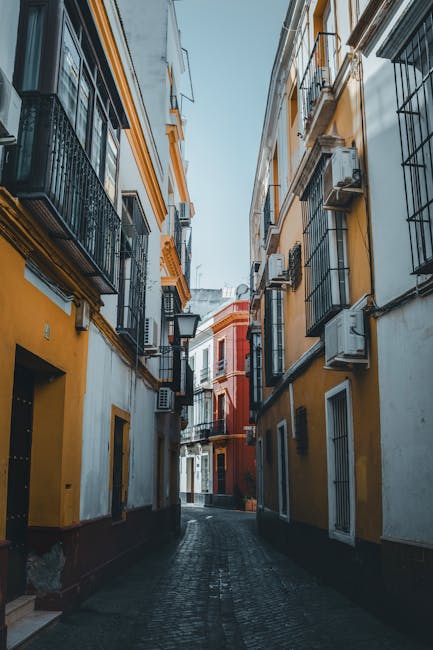
Conclusion: a recommendable tool if used with discernment
In short, an audio guide is a highly recommendable tool for visiting Granada: it offers autonomy, savings, comfort and important educational value. It lets you understand the city at your own pace, dive deeper into key architectural and historical elements, and often costs much less than a live guided tour. The sample itineraries show how it can structure visits to complex sites like the Alhambra (Calle Real de la Alhambra, s/n, 18009 Granada), enrich a walk through the Albaicín (Barrio de Albaicín, 18010 Granada), or clarify the artistic richness of Granada Cathedral (Calle Gran Vía de Colón, 5, 18001 Granada) and the Royal Chapel (Calle Oficios, 6, 18001 Granada).
However, keep in mind the limitations: technical risks, sometimes simplified takes on sensitive historical facts, and lack of human interaction. To overcome these limits, combine an audio guide with other resources: local guides for live exchange, additional reading, or themed visits with specialists. Always verify official hours and prices before you go — for example, Alhambra opening hours vary by season (morning/evening), Granada Cathedral’s timetable is frequent but can change, and Monasterio de la Cartuja (Calle Cartuja, s/n, 18011 Granada) may have specific slots for services or exhibitions.
Finally, match your choice to your priorities: if you want an intimate immersion, a rich, well-made audio guide will shine; if you value interaction and the chance to ask questions, plan for a local guide for part of your itinerary. Whatever you choose, Granada’s dense heritage means a little preparation — buying tickets, checking schedules, bringing basic gear (earphones, battery) — will maximize the experience. Listen carefully, walk slowly, and let the stones and stories carry you: with a good audio guide, Granada speaks to the ear and reveals itself to the eye.