





Introduction: Why visit Granada’s Islamic museums and monuments
Granada is one of Spain’s cultural gems, and its Islamic legacy is woven through the city: architecture, urban planning, gardens, decorative arts and crafts reveal themselves in every stone. This legacy belongs largely to the Nasrid period (1238–1492) — the last Muslim dynasty in Spain — and today is expressed through a group of monuments and museums that are essential for anyone wanting to grasp the city’s historical and aesthetic complexity. Visiting these places isn’t just about looking at buildings; it’s about stepping into a civilization that blended functionality and beauty, spirituality and comfort, public and private life, with a way of living whose echoes still shape neighborhoods like the Sacromonte and the Albaicín.
This guide covers the main Islamic museums and monuments in Granada you shouldn’t miss: the Alhambra complex (Palacios Nazaríes, Generalife, the Palace of Charles V and the Alhambra Museum), the Arab baths known as El Bañuelo, the Corral del Carbón (the oldest preserved civil Muslim building in Spain), the Casa de Zafra (a Nasrid house), the Mirador de San Nicolás and the Albaicín as a historic neighborhood, as well as the Cathedral and Royal Chapel which, although postdating the Islamic period, are key to understanding Granada’s transition in 1492.
The approach here is practical and general: for each site you’ll find the exact address, approximate prices in euros, usual opening hours (noting these can change with the season), an immersive description to help you picture the experience, and local tips — best times to visit, ticket combinations, transport hints and accessibility notes. Whether you’re a visitor on a tight schedule or a curious traveler wanting to linger over the details of zellige tiles, muqarnas and shaded patios, this guide will help you plan a coherent and rewarding route.
Finally, remember: in Granada the emotion comes both from wide views (tiles reflecting light, vistas of the city from the gardens) and from small details (calligraphic inscriptions, carved wood patterns, water features). Wear comfortable shoes — many streets are paved and steep — and book Alhambra tickets online: it’s Spain’s most visited site and Nasrid palace tickets often sell out days in advance. This selection of monuments and museums will take you from private patios to grand public outlooks, offering a full and nuanced reading of Andalusi Islam in Granada.
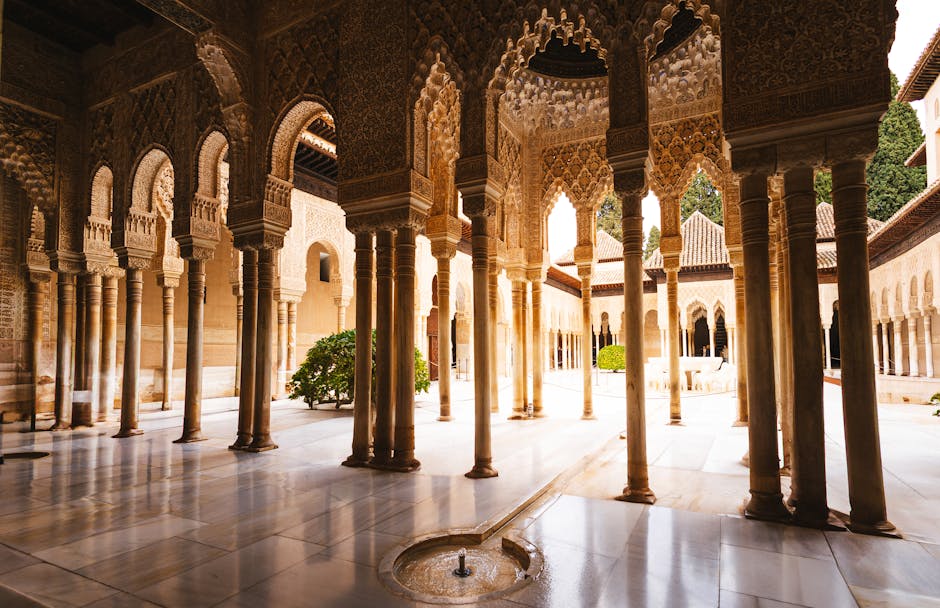
1. The Alhambra and the Palace of Charles V: the Nasrid art heart
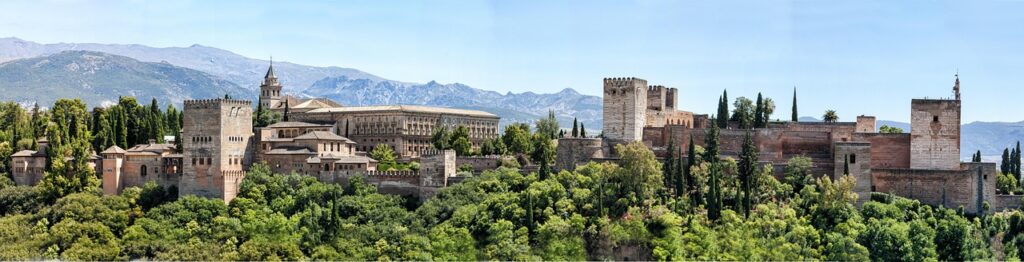
The Alhambra complex is the definitive reference for understanding Islamic art in Granada. It comprises the Palacios Nazaríes (Nasrid Palaces), the Generalife (Generalife Gardens), the Palacio de Carlos V (Palace of Charles V) and the Museo de la Alhambra (Alhambra Museum). Perched on the Sabika hill, the Alhambra overlooks the city and offers spectacular views over the Albaicín and the Sierra Nevada.
Address and practical information
- Name: Conjunto Monumental de la Alhambra y Generalife
- Address: Calle Real de la Alhambra, s/n, 18009 Granada
- Approximate price: daytime general ticket (including the Nasrid Palaces) ≈ €18.00 (variable by season). Night ticket / nocturnal visit ≈ €14–20. Reduced/student fares and some free admissions possible — check the official site.
- Hours: Nasrid Palaces generally 08:30–20:00 (summer) / 08:30–18:00 (winter) — visits at timed entry slots. Generalife and other areas: 08:00–20:00 (summer) / 08:30–18:00 (winter). Palace of Charles V / Museum 10:00–18:00 (may vary).
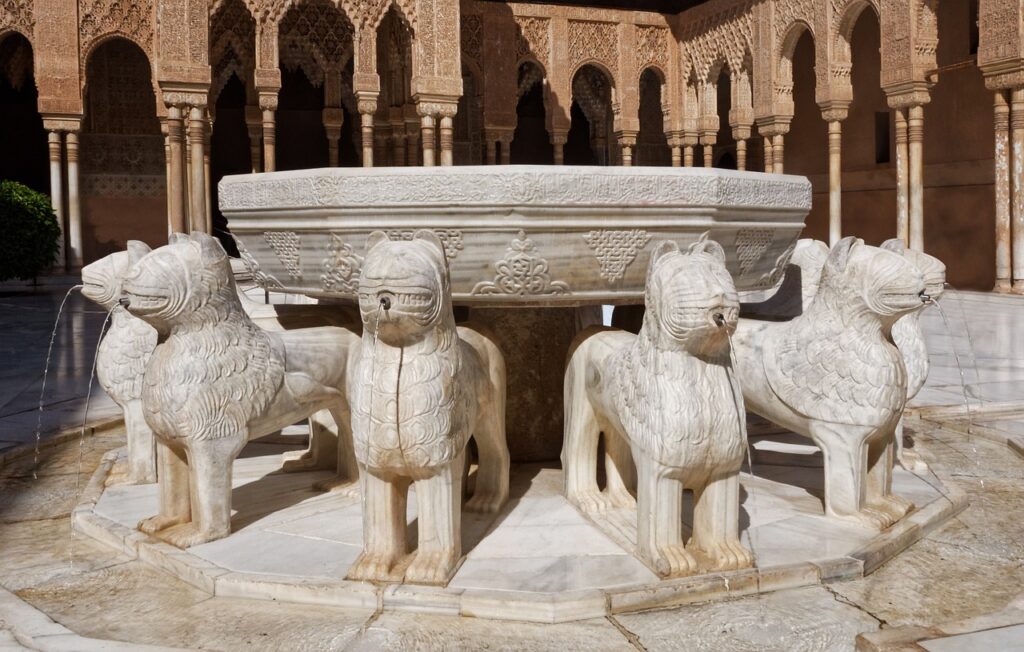
Immersive description: crossing the threshold of the Alhambra feels like entering a palace-city. The palaces unfold — Mexuar, Comares, Patio de los Leones — and each room showcases a concentrate of decorative techniques: stucco muqarnas, polychrome woodwork, zellij tile mosaics, and epigraphic calligraphy inscribing poetic maxims along lintels. The Patio de los Leones, with its central fountain borne by twelve carved lions, demonstrates hydraulic and symbolic sophistication: water runs symmetrically through the patio along channels easy to miss if you’re not looking closely.
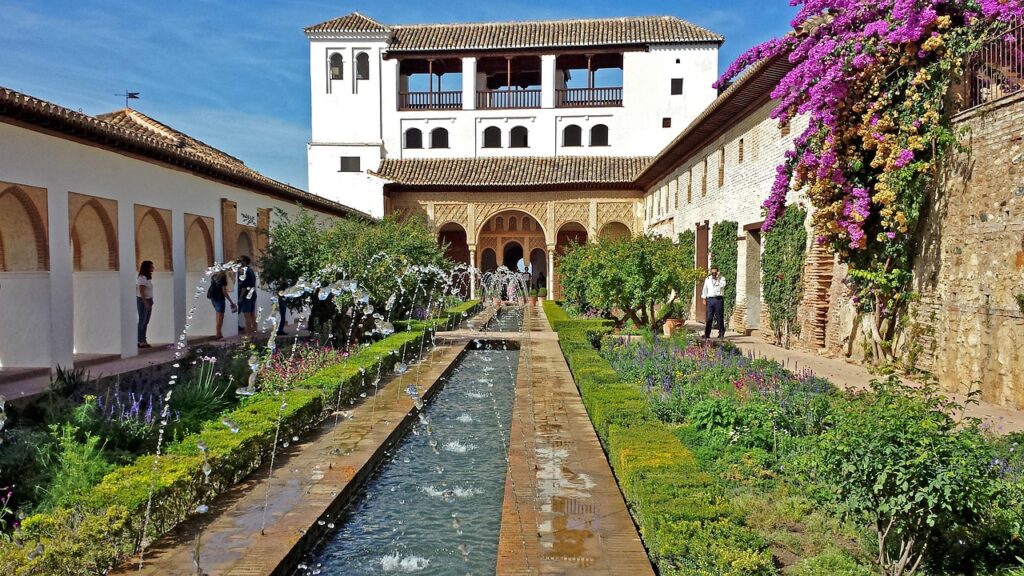
The Generalife, the emirs’ summer residence, features terraced gardens, channels and citrus groves. The views over the city remind you that landscape here wasn’t only ornament but also a tool for power and contemplation. The Palace of Charles V, a Renaissance insertion within the Nasrid ensemble, now houses the Museo de la Alhambra and exhibitions on Andalusian history.
Local tips: book your tickets online through the official Patronato de la Alhambra y Generalife website several days ahead, especially in high season. Aim for the first hour of opening to avoid the biggest crowds and harsh midday light; late afternoon offers the best photography. Wear comfortable shoes: the site is large and uneven, with irregular steps. Bring water — there are few refreshment spots around the palaces.
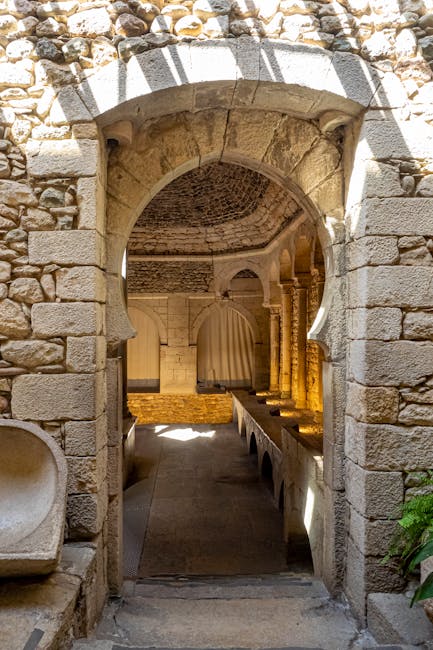
2. El Bañuelo and the Arab baths: Nasrid thermal intimacy
Hammams, or Arab baths, were places of purification and social life, with roots reaching back to the Roman Empire but transformed by Islamic culture. In Granada, El Bañuelo is one of the few well-preserved Arab-Moorish baths. It demonstrates functional architecture — heat circuits, brick vaults, basins and channels — and helps you understand Nasrid everyday life beyond the grandeur of the palaces.
Address and practical information
- Name: El Bañuelo (Baños Árabes del Albayzín)
- Address: Carrera del Darro, 31, 18010 Granada
- Approximate price: ≈ €2.50–4.00 (modest local admission; some promotions or guided combos may raise the price).
- Hours: usually 10:00–18:30 (check seasonal hours and public holidays).
Immersive description: El Bañuelo is not a modern spa but a piece of living memory: small vaulted rooms, alcoves, tiled floors and a network of ducts that reveal technical sophistication. The atmosphere is intimate: light filters in through star-shaped skylights (small openings in the dome) and the hush enhances the sense of a place suspended in time. Stone basins and pools give a clear sense of the cold, warm and hot room layout.
Local tips: El Bañuelo is often visited together with a stroll along the Carrera del Darro and an ascent into the Albaicín. The site is small; plan for 30–45 minutes. Take the time to admire the white houses of the neighborhood and the river views. Respect the fragility of the site: don’t touch plasterwork and avoid strong flash photography.
3. Corral del Carbón and Casa de Zafra: civic institutions and Nasrid homes
These two buildings offer complementary insights into Nasrid urban life. The Corral del Carbón was once an alhóndiga (public grain market) and a funduq (merchant inn), built in the 14th century and today serving as a cultural and tourist center. The Casa de Zafra is a restored Nasrid house that gives a precise idea of aristocratic urban housing or a wealthier household from the period.
Corral del Carbón — practical information
- Name: Corral del Carbón
- Address: Calle Mariana Pineda, 10, 18001 Granada
- Approximate price: free or a symbolic fee for the main hall; guided tours and events may have variable costs (€0–5).
- Hours: around 10:00–20:00 depending on the cultural program.
Immersive description: the imposing façade preserves brick ornamentation and arcades typical of utilitarian Nasrid architecture. The interior, organized around a courtyard, once served for storage, lodging and trade. Today concerts, exhibitions and cultural events enliven the space, offering a living way to experience Islamic heritage in a modern city.
Casa de Zafra — practical information
- Name: Casa de Zafra
- Address: Calle Oficios, 14, 18001 Granada (near the Cathedral and the Royal Chapel)
- Approximate price: ≈ €3–4 (reduced rates for students and seniors; sometimes included in local passes)
- Hours: approximately 10:00–14:00 and 16:00–19:00 (closed between noon and 16:00 in some seasons).
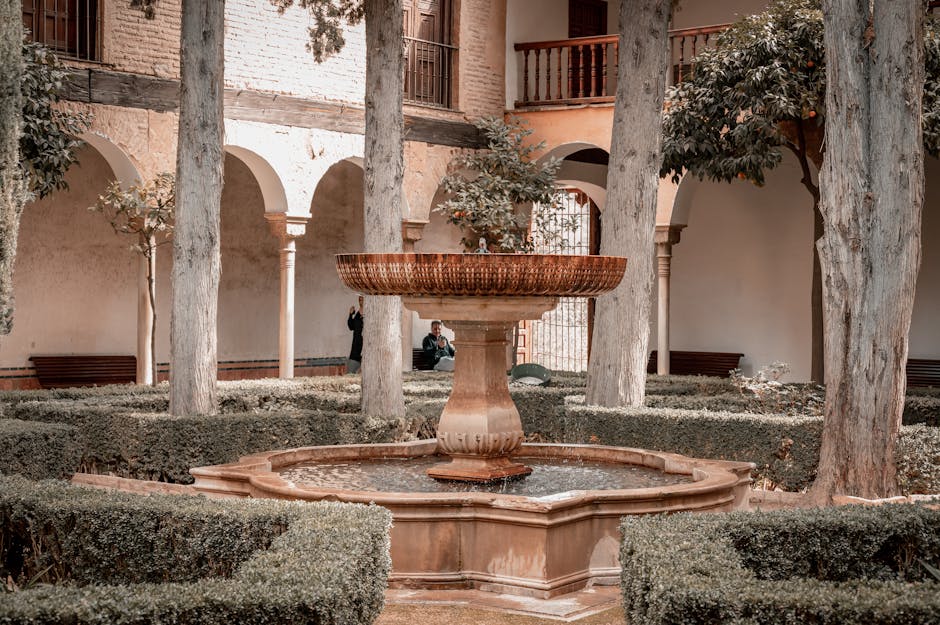
Immersive description: Casa de Zafra recreates domestic intimacy: inner galleries around a patio, tiled floors, arches and carved wood. The layout highlights the distinction between public and private spaces, the movement of light and the decorative use of water in small pools. The house is an excellent introduction to family life and material culture in Nasrid homes.
Local tips: both sites are located in the historic center, so you can easily combine them with a walk that includes the Cathedral and the Alcaicería market. Visit Corral del Carbón in the late afternoon if you want to catch a cultural event. For Casa de Zafra, check local opening hours and possible themed guided tours.
4. The Albaicín and Mirador de San Nicolás: urban landscape and Islamic memory
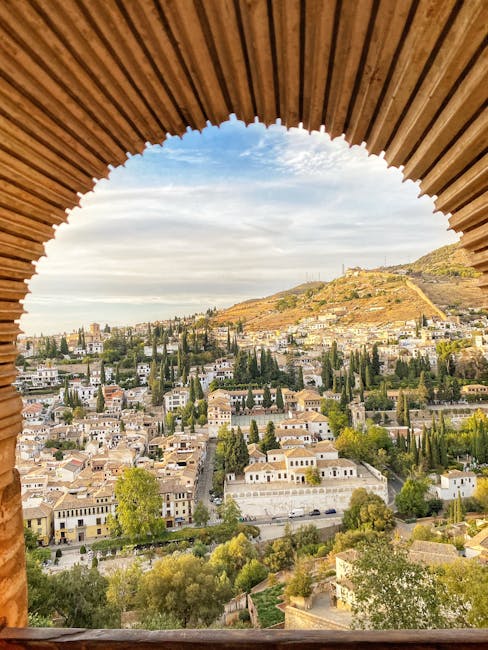
The Albaicín (or Albayzín) is the historic Nasrid quarter, listed as a UNESCO World Heritage site together with the Alhambra. Its whitewashed alleys, shaded squares and viewpoints offer some of the most evocative urban panoramas of Andalusia. The Mirador de San Nicolás is one of the must-see vantage points for admiring the Alhambra, especially at sunset.
Address and practical information
- Name: Barrio del Albaicín / Mirador de San Nicolás
- Mirador address: Plaza de San Nicolás, s/n, 18010 Granada
- Price: free access to the neighborhood and viewpoint. Some museums and churches in the area may charge admission.
- Hours: open access; shops and cafés follow their own hours (generally 10:00–22:00).
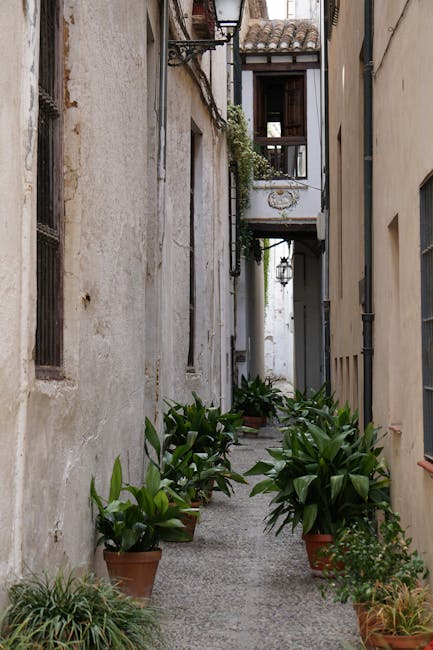
Immersive description: wandering the Albaicín means accepting steep slopes, narrow streets and stairways that occasionally open onto small squares where the sound of water and conversation lingers. Street-facing houses often feature celosías (wooden lattice windows) and interior patios. From the Mirador de San Nicolás you get a frontal view of the Alhambra with the Sierra Nevada as a backdrop — a scene you can enjoy for hours as the light shifts.
Local tips: the best time to climb to the Mirador is just before or during sunset: the golden light bathes the Alhambra and the Albaicín’s white façades. Arrive early to avoid crowds, or stay until nightfall when the Alhambra lights up. Prefer closed, grippy shoes — many alleys are cobbled and slippery. Stop at one of the small teterías (tea rooms) for a mint tea and pastries with North African influences.
5. Granada Cathedral and the Royal Chapel: overlapping narratives and the memory of the Reconquista
Although the Cathedral and the Royal Chapel are Catholic monuments built after Granada fell in 1492, they are essential for understanding the city’s urban and symbolic transformation. The Cathedral reflects the Catholic monarchs’ desire to assert their authority, while the Royal Chapel houses the remains of Queen Isabella and King Ferdinand, a key site for historical memory.
Practical information
- Name: Catedral de Granada
- Address: Calle Gran Vía de Colón, 5, 18001 Granada
- Approximate price: cathedral visit ≈ €5–6. Combined access with the Royal Chapel ≈ €7–8 (prices vary).
- Hours: generally 10:00–18:30 (hours vary with masses and ceremonies).
- Name: Capilla Real (Royal Chapel)
- Address: Calle Oficios, 31, 18001 Granada (next to the cathedral)
- Approximate price: often included in the combined ticket with the cathedral; solo entry ≈ €4–6.
- Hours: approximately 10:00–18:00 (check closures for ceremonies).
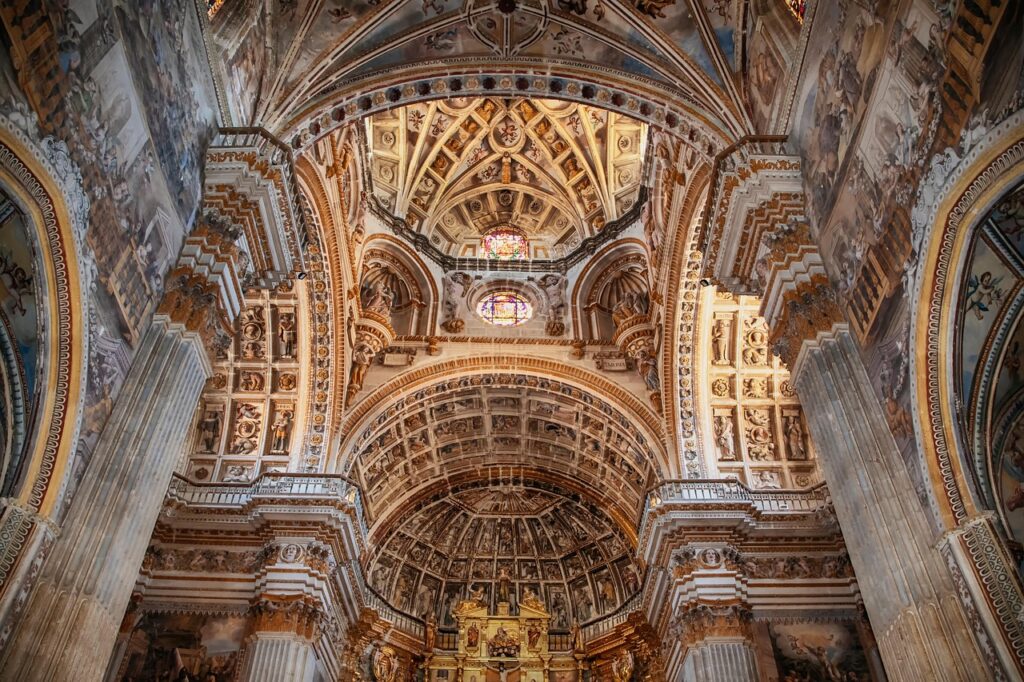
Immersive description: stepping into the cathedral’s nave you feel the scale of a stylistic rupture: marble, richly decorated side chapels and a layout that competes with Europe’s great sanctuaries. The Royal Chapel, more intimate, contains sculpted tombs and relics as well as artistic elements that illustrate the monarchs’ triumph after the Reconquista. These monuments show how art and architecture were used to rewrite history and redefine urban space.
Local tips: combine a visit to the cathedral and the Royal Chapel with Casa de Zafra and a walk through the adjacent quarters (Alcaicería, the former silk merchants’ district). Check mass schedules if you want to avoid interruptions. Audio guides and local guides often provide historical context that makes the visit more accessible to travelers from different backgrounds.
Conclusion: planning your route and practical recommendations
Granada unfolds in layers: the Alhambra occupies the symbolic and visual summit, the Albaicín lays out urban memory, while baths, houses and funduqs tell the story of daily life. To make the most of these visits, book Alhambra tickets (Nasrid Palaces) several days in advance and plan that visit for early morning or late afternoon. Depending on your time, allow about half a day for the Alhambra (including Generalife and the Palace of Charles V / museum), a short 30–60 minute visit for El Bañuelo, 45–90 minutes for Corral del Carbón and Casa de Zafra, and at least half a day to wander the Albaicín with a stop at the Mirador de San Nicolás.
Favor combined tickets when available (e.g., cathedral + Royal Chapel) and look into reduced fares (students, seniors, groups). Consider circulation modes: the historic center is narrow and often pedestrian-only; many streets are steep. Urban buses and taxis help link the center with parking areas at the base of the Alhambra hill. If you have mobility constraints, check ahead: some sites (notably the Palaces) have steps and uneven floors, while others offer partial accessible routes.
For the experience itself, don’t stay at a superficial level: take a few moments to study details (inscriptions, stuccowork, junctions between stone and wood) and let yourself be absorbed by the relationship between water and light, which lies at the heart of Nasrid poetics. Sample Mozarabic-influenced treats in the Albaicín’s teterías and give the city time to reveal its contrasts: in the shade of the Generalife citrus trees, in the tiled silence of El Bañuelo, or from the Mirador terrace when the city lights mingle with the Sierra Nevada’s contours.
Finally, respect the sites: many monuments are fragile and require discreet behavior (no flash photography, minimal traces, respect for restricted areas). When in doubt, ask cultural services or guides: they’ll provide up-to-date information on hours, tickets and restrictions. With these practical and cultural pointers, your visit to Granada’s Islamic museums and monuments will be both enlightening and deeply memorable, allowing you to fully appreciate one of the most sublime expressions of Andalusian heritage.