





Introduction — Why explore Granada on foot, by tram or by bus?
Granada is a city where layers of history stack up on every corner. From the Nasrid palaces of the Alhambra to the white-washed alleys of the Albaicín, from viewpoints offering sweeping views of the Sierra Nevada to lively taverns in the center, Granada invites slow, varied discovery. If you only have one day, choosing the right way to get around — walking, using the light tram (Metro/Tranvía de Granada) or the city bus network (EMT Granada) — completely changes how you experience the city. This guide explains how to combine these modes to make the most of 24 hours in Granada, with exact addresses, prices in euros, typical opening times and practical tips to keep your day smooth and memorable.
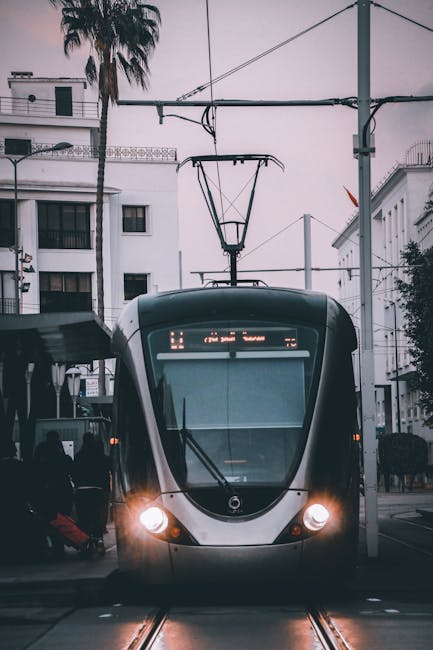
Starting the day on foot lets you soak up the intimate atmosphere of historic neighborhoods like the Realejo or the Albaicín: past and present converse in every cobblestone. Walking lends itself to unexpected finds — a tucked-away mirador, a crafts shop, a small Mudejar church — and gives you a full sensory immersion. The tram, officially called the Metro de Granada (sometimes referred to as the Tranvía de Granada), is ideal for covering longer distances quickly between tourist hubs and residential areas without wasting time hunting for parking. The EMT city buses provide broad coverage, reach the hills, and offer convenient lines to spots like the Estación de Autobuses de Granada (Bus Station) or the Zaidín neighborhood.
In this guide I propose a sample itinerary for a perfect day in Granada with alternatives to suit your pace: a walking-only route for hikers, a combined tram + walking option for those who want efficiency with comfort, and a bus-based version for travelers who prefer to avoid stairs and steep climbs. You’ll find precise addresses — for example the Alhambra (Calle Real de la Alhambra, s/n, 18009 Granada) or Granada Cathedral (Calle Gran Vía de Colón, 5, 18001 Granada) — together with practical info like approximate entry prices, common opening hours and local tips to save time and money.
The guide also includes recommended food breaks, suggested miradors for memorable photos, and tips to adapt your movements to the weather and the season. Whether you love wandering aimlessly, photographing, getting pleasantly lost in a neighborhood or planning every minute, Granada delivers a full day of wonder. Bring comfortable shoes, a water bottle and your curiosity: follow this plan to get the most out of a day filled with history, panoramas and tapas.
Getting around Granada: options and what to know
Before diving into the itinerary, it’s useful to know the characteristics of each transport option. Walking: central Granada is compact but very hilly, especially toward the Albaicín and Sacromonte. Pack comfortable shoes and a light bag. Tram / Metro de Granada: a light rail system serving several areas of the city, handy to avoid the steepest slopes and to connect the center with outlying neighborhoods quickly. City bus (EMT Granada): a dense network, practical for reaching specific points like the Estación de Autobuses de Granada (Calle Juan Pablo II, s/n, 18006 Granada) or linking the bus station to other districts.
Tickets and fares (typical references, valid 2024–2025 — check official sites before you travel):
- EMT single bus ticket (standard fare): ≈ €1.40 (single fare paid to the driver or at ticket machines).
- Reduced fares / multi-ride: 10-ride cards (bonobús) ≈ €8–9 depending on where you buy them.
- Metro/Tranvía de Granada: single ticket ≈ €1.40–€1.50; multi-ride booklets or rechargeable cards available at stations.
- Tourist bus (Granada City Tour): day ticket hop-on hop-off ≈ €20–25 depending on the operator.
Typical hours:
- EMT buses: usually from 06:00 to 23:00 for main lines; some night services run after 23:00; daytime frequency 10–20 minutes depending on the line.
- Metro/Tranvía: typically 06:00 to 23:00, frequency 10–15 minutes during peak times.
- Tourist bus: circuits from about 09:30 to 18:00 depending on the season.
Practical tips:
- Buy a 10-ride card (bonobús) if you plan multiple bus trips — it’s cheaper than single tickets.
- Use the tram to reach areas near the Alhambra and the science parks quickly — stops are clearly marked around the city.
- Ask about student, senior and family discounts at ticket offices.
- Carry some cash for small local buses and for pay toilets at tourist sites.
Morning: Alhambra and Generalife — plan your visit to beat the crowds
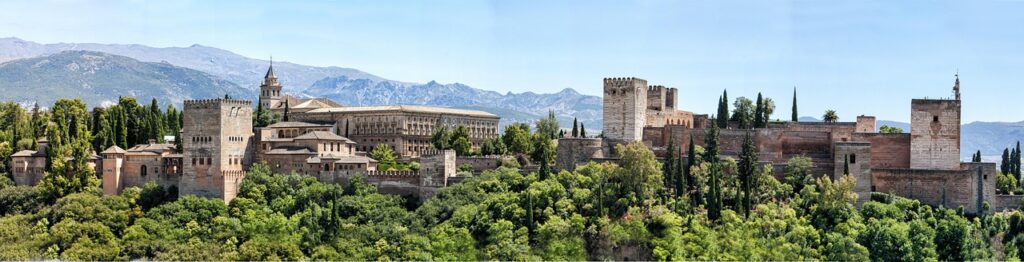
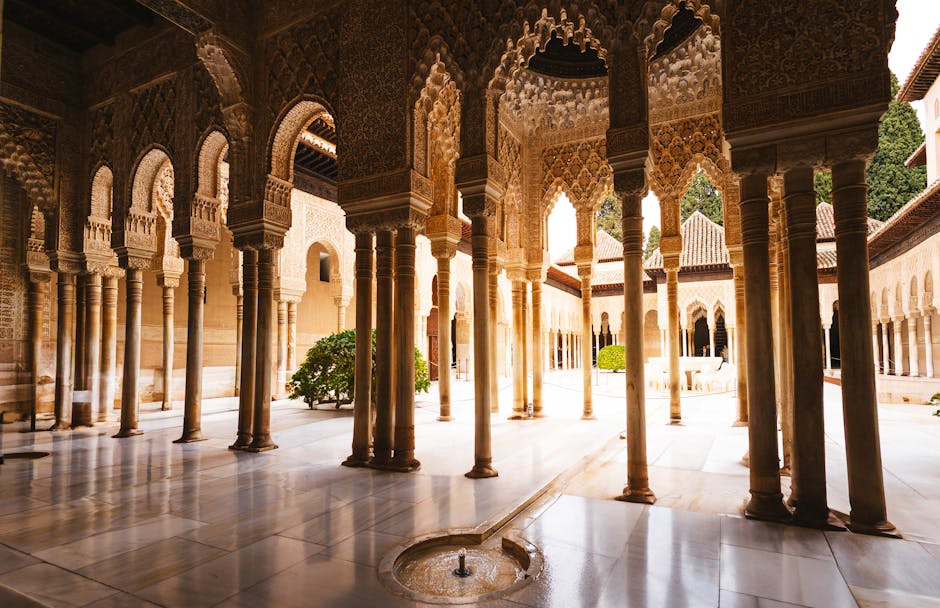
Start early to enjoy the Alhambra in the morning light and avoid the crowds. The Alhambra, a World Heritage site, is Granada’s crown jewel. Exact address: Alhambra, Calle Real de la Alhambra, s/n, 18009 Granada. Highlights: the Palacios Nazaríes (Nasrid Palaces), the Alcazaba, the Generalife gardens and the Palacio de Carlos V.
Hours and tickets:
- General opening times: open daily depending on the season, typically 08:30–20:00 for the whole complex, but access to the Palacios Nazaríes is strictly scheduled in timed slots (morning or afternoon) shown on your ticket.
- Indicative price: combined ticket Palacios Nazaríes + Generalife + Alcazaba ≈ €14.00 for adults (standard rate). Reduced entry for under-12s and special rates for seniors/students — check the Alhambra’s official office.
- Buying tickets: it’s strongly recommended to buy tickets in advance via the official site [tickets.alhambra-patronato.es] so you can choose the timed slot for the Palacios Nazaríes; entry without a ticket is generally not possible.
Visitor tips:
- Arrive at the Puerta de la Justicia access point about 20–30 minutes before the time shown on your ticket to avoid stress. This entrance is along the Calle Real de la Alhambra.
- Allow 2.5 to 3 hours to take in the palaces and gardens at a relaxed pace. There are many slopes and stairs — wear sturdy shoes.
- Bring a water bottle, a hat and sun protection in summer; in winter bring a warm layer as winds on the ramparts can be strong.
- If you miss your Palacios Nazaríes timeslot, explore the Alcazaba and the Generalife, which remain beautiful and are less time-constrained.
Noon: Albaicín, Mirador de San Nicolás and a traditional lunch
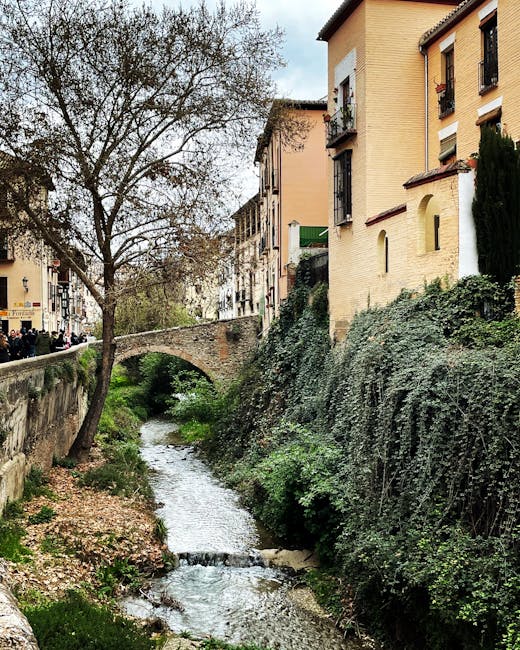
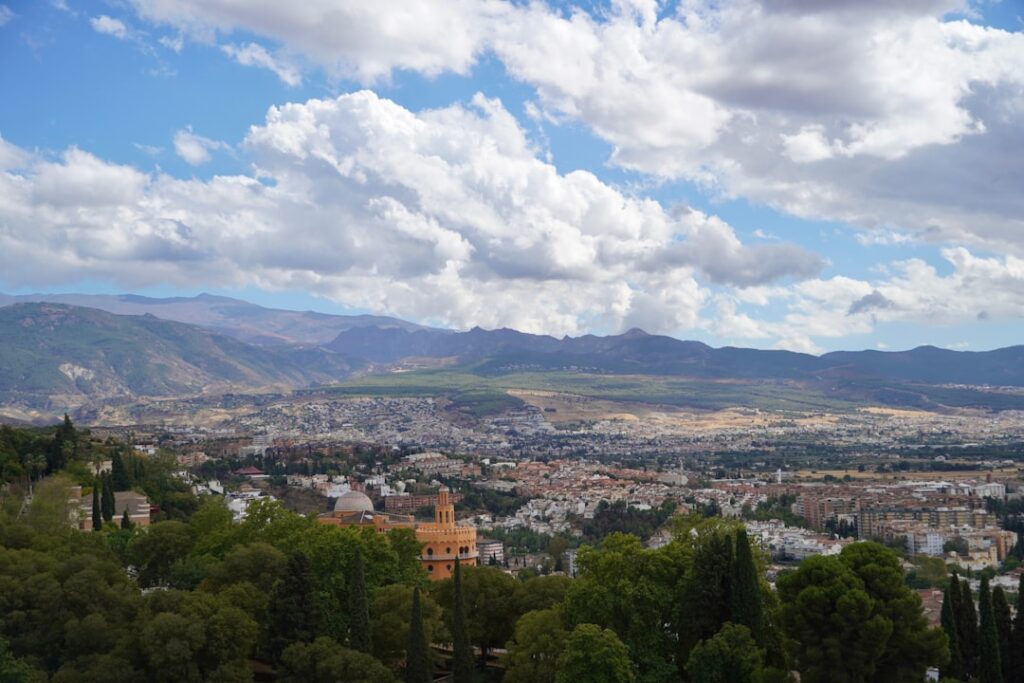
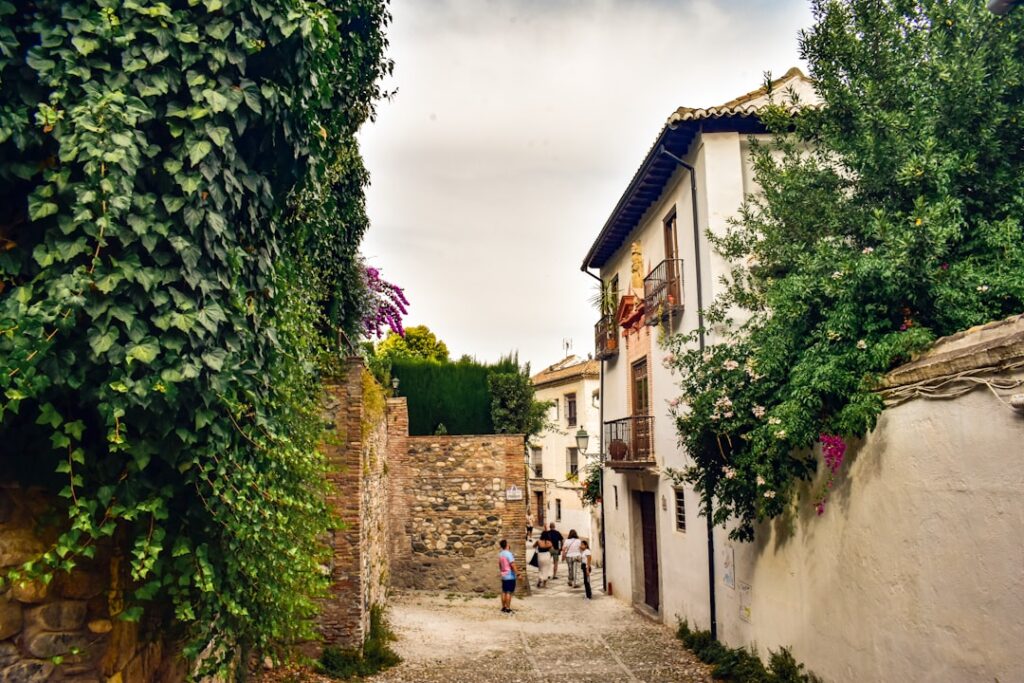
After the Alhambra, head down to the Albaicín, the Moorish quarter of white alleys and a UNESCO World Heritage site. The Albaicín sits on the hill opposite the Alhambra and is walkable from the Puerta de las Granadas via the Paseo de los Tristes (Paseo del Padre Manjón) and the Carrera del Darro. Stroll streets as photogenic as Calle Calderería Nueva, known for its tea shops and craft stalls.
Must-see viewpoint: Mirador de San Nicolás (Plaza de San Nicolás, 4, 18010 Granada). This popular balcony offers one of the best views of the Alhambra with the Sierra Nevada behind it — perfect for photos at sunset or in midday light depending on the season. Access is free; try to arrive before noon to avoid the crowds after 16:00.
Lunch break:
- Traditional option: Bodegas Castañeda, address Calle Almireceros, 1, 18010 Granada. Specialties: varied tapas, cold cuts and local wines. Typical prices: tapas €2.50–6.00 each, raciones €8–15.
- Modern option: Restaurante Chikito, address Plaza de Isabel la Católica, 5, 18001 Granada — contemporary takes on Andalusian cuisine. Lunch menu ≈ €12–18 (daily dish).
Local tips:
- In some traditional bars in the historic center you’ll get a free tapa with a drink — this varies by place.
- If you want a typical experience, book a table early because popular restaurants fill up at midday (12:30–14:30).
- To avoid steep paths from Mirador de San Nicolás, descend via the Cuesta del Chapiz toward the Paseo de los Tristes and then return to the Carrera del Darro.
Afternoon: Granada Cathedral, Royal Chapel and central shopping
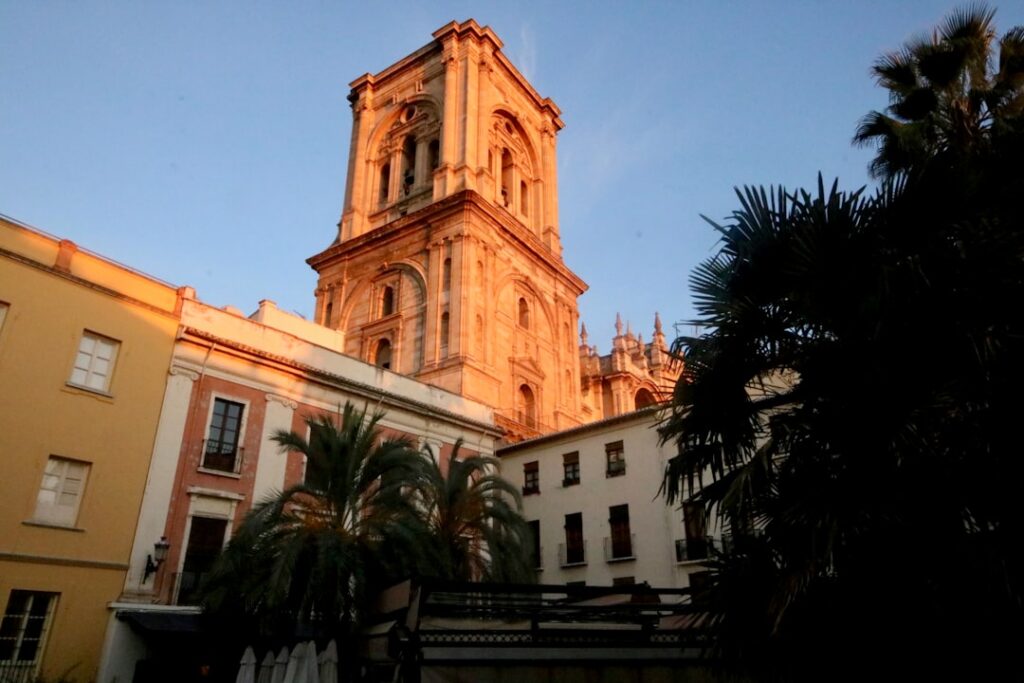
Return to the city center to visit Granada Cathedral and the Capilla Real. The cathedral is a masterpiece of Spanish Renaissance architecture and is located at: Catedral de Granada, Calle Gran Vía de Colón, 5, 18001 Granada. The Capilla Real (Royal Chapel of Granada) next door houses the tombs of the Catholic Monarchs.
Hours and prices:
- Granada Cathedral: typical opening times 10:00–18:00 (seasonal variations). Entry ≈ €5.00 per adult.
- Capilla Real: usually open 10:00–18:30; combined Cathedral + Capilla Real ticket ≈ €7–8.
Visit highlights and details:
- Admire the plateresque façade, the main chapel and the monumental organ. Audioguides are often available for ≈ €3–4.
- Plaza Bib-Rambla (Plaza Bib-Rambla, 18001 Granada) nearby is a good spot to try local pastries and watch city life. It’s also a convenient starting point for shopping on Gran Vía de Colón and Calle Reyes Católicos.
- If you enjoy gastronomic shopping, stop by the Mercado de San Agustín, address Paseo del Salón, s/n, 18001 Granada, for olives, cheeses and Andalusian products. Typical hours 09:00–15:00.
Getting around next:
- To reach farther neighborhoods without walking, take the tram or an EMT bus from the nearest city stop. The tram will quickly drop you near places like the Parque de las Ciencias if you want to extend your afternoon.
- If you prefer on-foot exploration, a walk to the Paseo de los Tristes and the Carrera del Darro makes a lovely transition to the Darro riverbank and the picture-book bridges beneath the Alhambra.
Late afternoon & evening: Sacromonte, flamenco and nighttime panoramas
To wrap up the day beautifully, head to Sacromonte, famous for its cave houses and flamenco heritage. The Sacromonte quarter (Barrio de Sacromonte, 18010 Granada) is reachable on foot from the Albaicín by a steep path, or more comfortably by EMT bus (e.g. lines C30/C32 depending on schedules) or by taxi.
Attractions and experiences:
- Museo Cuevas del Sacromonte: address Calle Pagés, 1, 18010 Granada (check the exact access point upon arrival). Hours ≈ 10:00–14:00 and 16:00–19:00; entry ≈ €4–6.
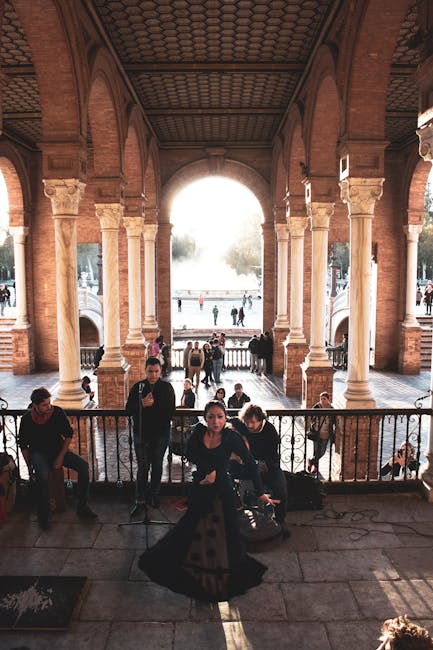
- See a flamenco show in an authentic cueva (cave): many zambras and tablaos offer evening performances. Examples: Venta El Gallo (Calle del Gallo area) or Zambra María la Canastera. Show + drink ≈ €20–35 depending on the venue.
- Night viewpoint: the Mirador de San Miguel Alto (Camino del Sacromonte, 18010 Granada) gives a spectacular view of the illuminated Alhambra. Access is free but the route is steep; bring a torch if you go after dark.
Night out tips:
- Book your flamenco show in advance, especially in high season; Sacromonte venues have limited seating and an intimate vibe.
- Plan your return by bus or taxi: night bus services are limited after midnight. The central taxi rank is at Plaza Isabel la Católica.
- For a more relaxed evening, enjoy dinner tapas in the winding streets of the historic center where bars often serve small Andalusian plates late into the night.
Logistics, safety and local tips
Here are practical recommendations to optimize your day and avoid hassles:
- Safety: Granada is generally safe, but like anywhere, watch out for pickpockets in busy tourist areas (Calle Reyes Católicos, Plaza Nueva). Keep valuables close.
- Weather & clothing: summers can be hot (35 °C+), so bring a hat and water; winters are cool, especially in the evening near the Sierra Nevada, so pack a jacket.
- Accessibility: many streets in Albaicín and Sacromonte are cobbled and steep; people with reduced mobility may prefer tram and bus routes and should check access in advance.
- Maps & connections: download an offline map (Google Maps offline or Maps.me) and the EMT Granada app to check timetables in real time.
- Meal times: Spaniards dine late (20:30–22:30). To avoid dinner crowds, book or arrive early (19:00–19:30).
- Language: tourist staff often speak English, but a little Spanish (hola = hello, por favor = please) helps and is appreciated by locals.
Conclusion — A well-balanced day in Granada
An ideal day in Granada mixes walking, tram and bus: walking gives you the intimacy to savor the Albaicín and its lanes, the tram (Metro/Tranvía de Granada) links city hubs quickly so you don’t get exhausted, and the EMT network provides practical coverage to reach further spots like Sacromonte or the bus station. By starting early at the Alhambra (Alhambra, Calle Real de la Alhambra, s/n, 18009 Granada) and then descending toward the Albaicín and the historic center, you follow a logical route that minimizes unnecessary travel and maximizes time spent discovering and feeling the city’s essence.
Remember to buy Alhambra tickets in advance, consider a bus multi-ride card if you’ll travel several times, and book your flamenco show for the evening if it’s important to you. The addresses mentioned in this guide — Granada Cathedral (Calle Gran Vía de Colón, 5, 18001 Granada), Mirador de San Nicolás (Plaza de San Nicolás, 4, 18010 Granada), Estación de Autobuses de Granada (Calle Juan Pablo II, s/n, 18006 Granada) — give you concrete waypoints to plan stops. Above all, adapt the itinerary to your pace: Granada is also discovered by taking time to stop, taste a tapa, chat with a local shopkeeper or sit on a bench and watch the light fall on the Alhambra.
Whether you prefer to wander freely, follow a tight schedule or blend comfort and discovery using tram and bus, Granada packs more experiences per square kilometer than most cities. Bring your camera, your best walking shoes and an open curiosity: the city reveals itself to those who take the time to look. Safe travels — may your day in Granada be full of memorable views, Andalusian flavors and delightful surprises.