





Introduction: Self-Guided Granada — Plan a Perfect Day
Granada is a city to be experienced with both your eyes and your feet. Nestled at the foot of the Sierra Nevada, it blends Islamic history, Christian heritage, lively neighborhoods and breathtaking viewpoints. For a self-guided visitor, a well-organized day lets you hit the highlights — the Alhambra, the Albaicín, Sacromonte, the Cathedral and the Royal Chapel — while leaving room for tapas breaks, unexpected discoveries and sunset panoramas. This guide is a practical, step-by-step itinerary: exact addresses, opening times, prices in euros, local tips and vivid descriptions so you can make the most of your day without paying for a guide.
Seeing Granada in a single day means prioritizing and organizing the main stops. The Alhambra, the city’s crowning jewel, requires booking and is best visited in the morning to beat the crowds and capture ideal light for photos. The Albaicín, a UNESCO-listed historical quarter, is best explored on foot, wandering its lime-washed alleys and pausing in a carmen for a coffee. Sacromonte, with its Gypsy traditions and cave tablaos, shows a more popular, colorful side of the city. Between major visits, take time to taste the local cuisine: free tapas in some bars, Iberian ham dishes and desserts with Arab influences like the pionono.
This guide stays flexible: it proposes a logical, chronological route for a self-guided day, with alternatives in case of closures or time constraints. It includes precise addresses such as Calle Real de la Alhambra for the Alhambra’s main entrance, Calle Gran Vía de Colón 5 for the Cathedral, and Plaza de San Nicolás for the most famous viewpoint. You’ll also find indicative prices — essential for budgeting — and typical schedules to book your visits. On-the-ground tips (comfortable shoes, bring water, book the Alhambra early, watch out for Albaicín slopes) will help you optimize your time.
Finally, I suggest tips for photographers, the best times of day for light, and alternatives if the weather turns bad (museums, hammams, tapas cellars). The goal: leave Granada satisfied, feeling like you saw the essentials and soaked up the city’s atmosphere. Follow this plan step by step, adapt it to your pace, and leave room for the unexpected — sometimes the best discoveries are the unplanned ones.
Morning: Alhambra and Generalife — Dive into the Moorish Palace
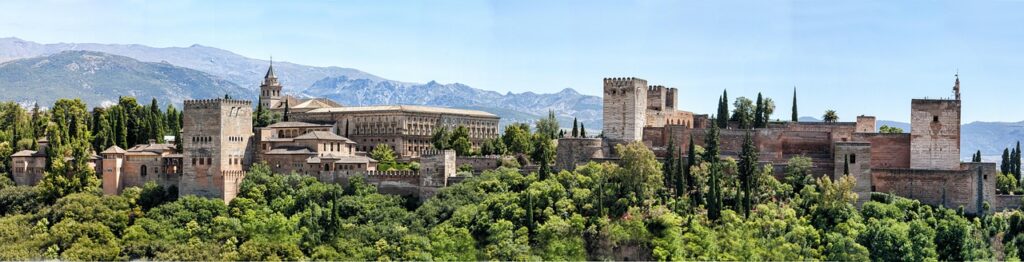
The Alhambra is Granada’s absolute must-see. Official address: Patronato de la Alhambra y Generalife, Calle Real de la Alhambra, s/n, 18009 Granada. For a self-guided visit, book your ticket in advance through the official site (https://www.alhambra-patronato.es) or an authorized ticketing partner. Ticket options vary: the « General Day visit » (access to gardens, palaces and fortress with a timed entry for the Palacios Nazaríes) usually costs around €18 per adult (2024 indicative rates), night visits to the palaces are about €14, and discounts exist for students and seniors (ID required). Tickets include a precise entry time for the Palacios Nazaríes — be punctual: the time is strict.
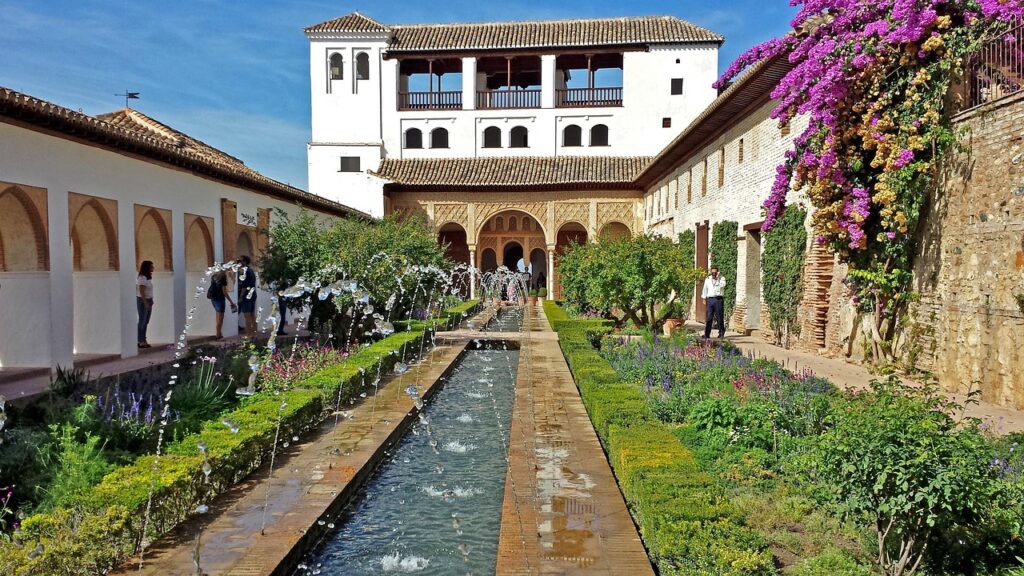
Typical schedule: the site usually opens around 08:30 in high season (varies by period). The Palacios Nazaríes are visitable in morning slots (often between 08:30 and 14:00 for morning sessions). The Generalife gardens and the Alcazaba have wider hours, so you can wander there before or after the palace visit. Arrive at least 30 minutes before your palace entry time to pass security and orient yourself. Recommended morning route: start with the Alcazaba for panoramic views over the city and the Sierra Nevada, then head to the Palacios Nazaríes, and finish in the Generalife gardens where morning light highlights the pools and walkways.
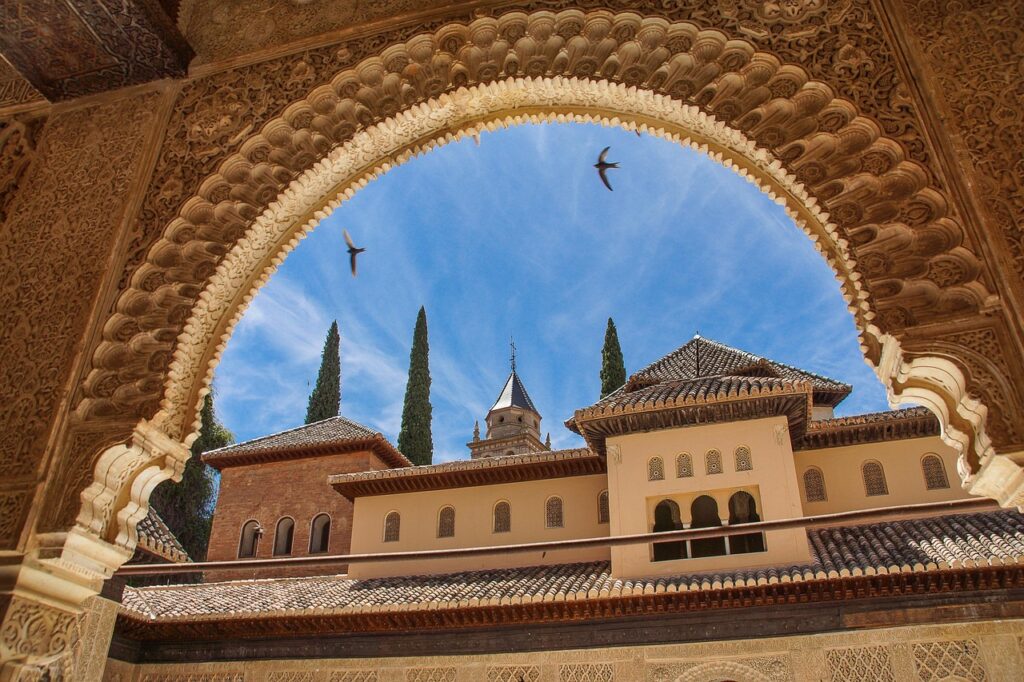
Immersive visit tips: linger over details — plaster stalactites (mocárabes), tile mosaics, Arabic calligraphic inscriptions and intimate courtyards like the Patio de los Leones (Courtyard of the Lions). The atmosphere is a delicate architectural choreography of shadow and light, water sounds and framed views of Granada. Take photos from the Mirador de Daraxa and the Paseo de los Cipreses to capture the Albaicín in the background.
Practical tips: wear comfortable shoes (cobblestones and slopes), bring water (on-site shops exist but are limited) and avoid large bags — there’s a security check at the entrance. If you have a half day to spare, buy a combined « Generalife + Palacios » ticket rather than rushing a quick tour. For families, there are child discounts and shorter routes tailored to younger visitors.
Midday: Albaicín and Carrera del Darro — Alleyways, Viewpoints and Tapas Breaks
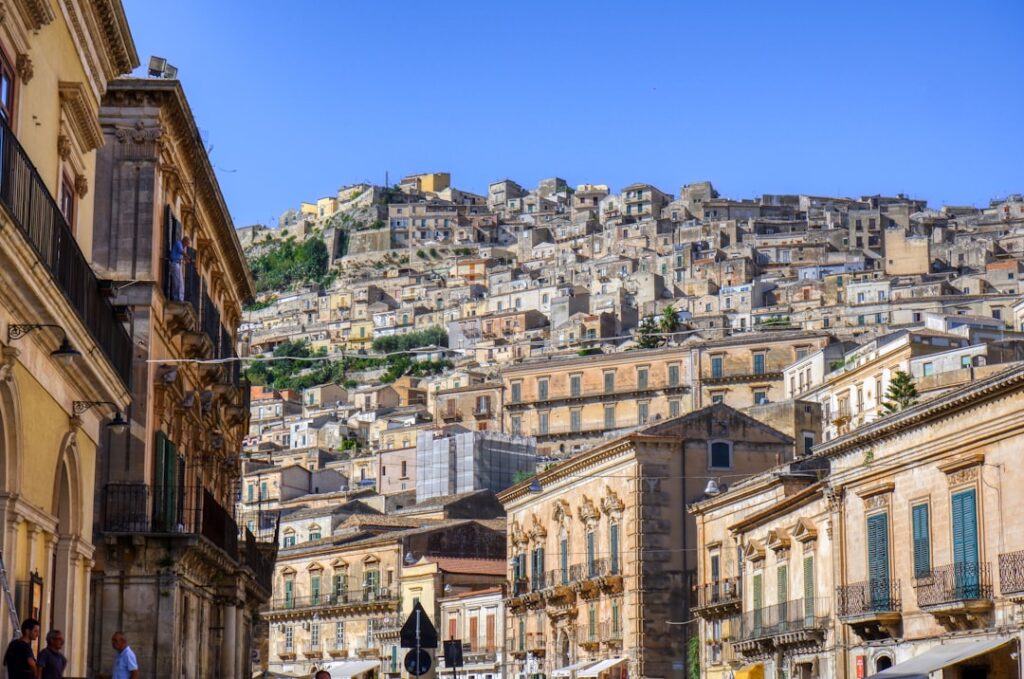
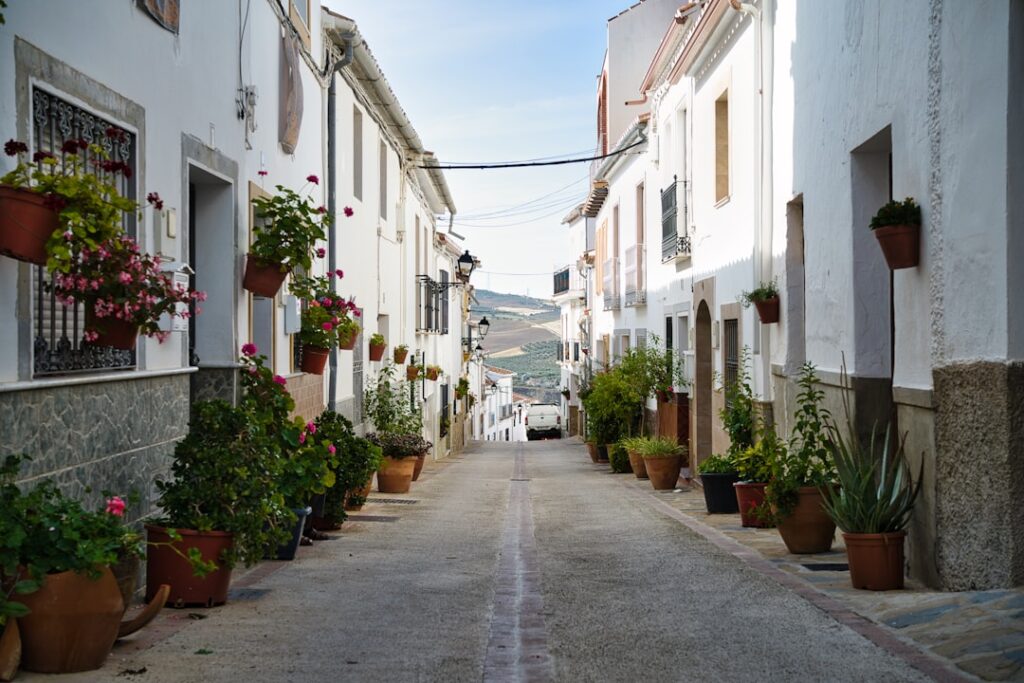
After your Alhambra morning, walk down to the Albaicín, the historic Muslim quarter and UNESCO site. The Albaicín doesn’t have a single address, but a useful landmark is Plaza Larga (Plaza Larga, Albaicín, 18010 Granada) — the neighborhood’s lively heart. Wander without a fixed route: the charm lies in narrow lanes (calesas), whitewashed houses with wooden balconies and small viewpoints known as « cármenes. » Head up to the Mirador de San Nicolás (Plaza de San Nicolás, 18010 Granada) for one of the most famous views of the Alhambra, framed by the Sierra Nevada.
Suggested duration: 2 to 3 hours. From the Alhambra, pass along the Paseo de los Tristes and the Carrera del Darro (also called Calle del Darro), a riverside stroll beside the Río Darro lined with bridges, mills and historic facades. A good starting point for the descent is Paseo de los Tristes, 18010 Granada. Stop for lunch in a traditional tapas bar: recommended spots include Bodegas Castañeda (Calle Almireceros, 1-3, 18010 Granada), tapas priced around €3–€6 depending on the drink included; and El Tapeo de Cervantes (Calle Cárcel Baja, 8, 18010 Granada), tapas €3–€7. In many central bars, a drink comes with a free or discounted tapa — ask at the bar.
Hours: most bars open for lunch around 13:00 and serve until 16:00, then reopen for the evening from 20:00. Craft shops and ceramics workshops usually stay open during the day (approx. 9:30–19:30). Visit the Church of San Salvador (Plaza San Salvador, s/n) for a contrasting Christian architectural note. Stroll through small squares like Plaza Romanilla, and don’t hesitate to enter a carmen (garden-house) if visits are offered — prices vary but many are free to admire from the outside.
Local tips: favor the cooler morning hours for the Albaicín to avoid heat and enjoy a quieter atmosphere; in summer wear a hat and drink frequently. Climb to the Mirador de San Nicolás at late afternoon if you want to be there for sunset — it gets very touristy but the view is worth it. For a more authentic experience, get lost in the quieter alleys toward Cuesta del Chapiz and hunt out small food shops selling local cheeses and artisan preserves. Watch the slopes: the climbs and descents can be steep, so choose shoes with good grip.
Afternoon: Granada Cathedral, Royal Chapel and Museums
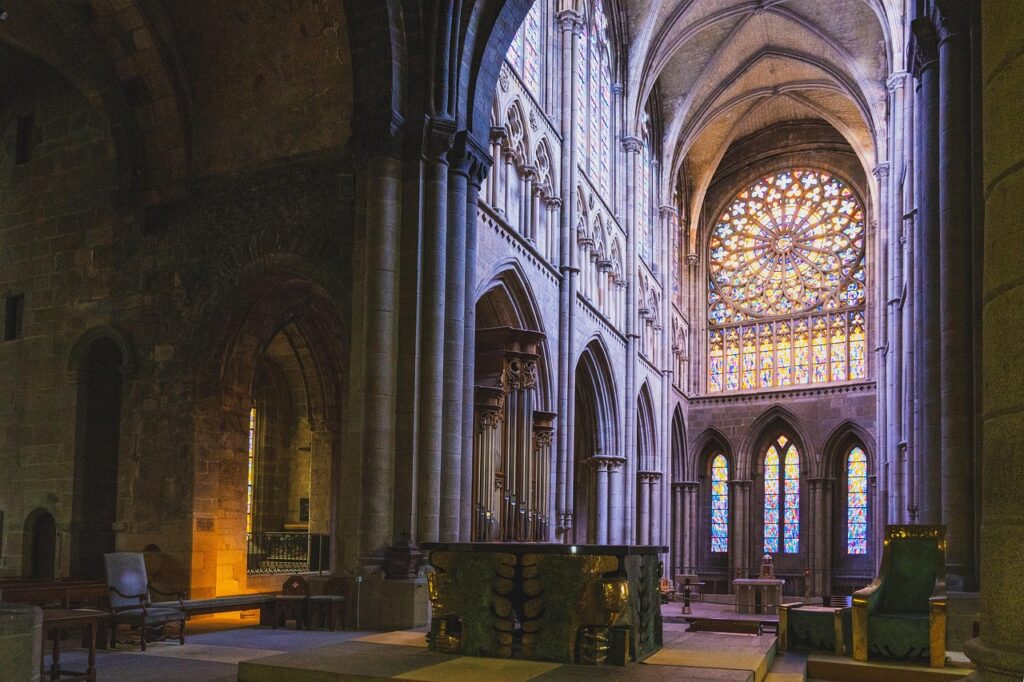
In the mid-afternoon, head to the city center to visit the Catedral de Granada and the Capilla Real (Royal Chapel) — two cornerstones of Christian Granada. Cathedral address: Catedral de Granada, Calle Gran Vía de Colón, 5, 18001 Granada. Royal Chapel address: Capilla Real, Calle Oficios, s/n, 18001 Granada (located next to the cathedral and the bishop’s palace).
Prices and hours (indicative): Granada Cathedral offers general admission at around €5 per adult; the Royal Chapel, where the Catholic Monarchs Isabella and Ferdinand are buried along with relics of Christopher Columbus, generally offers a combined ticket with the Cathedral for about €7–€10 depending on options and audio guides. Typical opening hours: Cathedral open from 10:00 to 18:00 (closing times may vary off-season), Royal Chapel usually 10:00–18:00. Check hours on the day as religious services can affect access. The immersive visit showcases Renaissance and Baroque masterpieces, soaring vaults, gilded altarpieces and a richly decorated royal crypt.
The neighborhood also hosts small museums and palaces: the Corral del Carbón (Calle Mariana Pineda, 5, 18001 Granada), an old Nasrid alhóndiga, is a fascinating example of Islamic architecture repurposed, with entry around €2–€3. The Casa de los Tiros museum (Plaza del Carmen, 18002 Granada) gives a glimpse into historical life in Granada (entry about €1–€3). If you want to dive deeper into local history, the Museo de la Alhambra (located in the gardens) houses archaeological pieces and objects linked to the palace.
Immersion and details: at the Cathedral, notice the contrast between the plateresque facade and the Renaissance interior. At the Royal Chapel, study the royal effigies, funerary chests and the precision of the sculptures. Plan 1 to 2 hours for both monuments to visit comfortably. If you’re traveling with kids, factor in sweet snack breaks (local pastries) around Plaza Bib-Rambla (Plaza Bib-Rambla, 18001 Granada), a lively spot perfect for a sugary pause.
Evening: Sacromonte, Flamenco Show and Albaicín Viewpoints
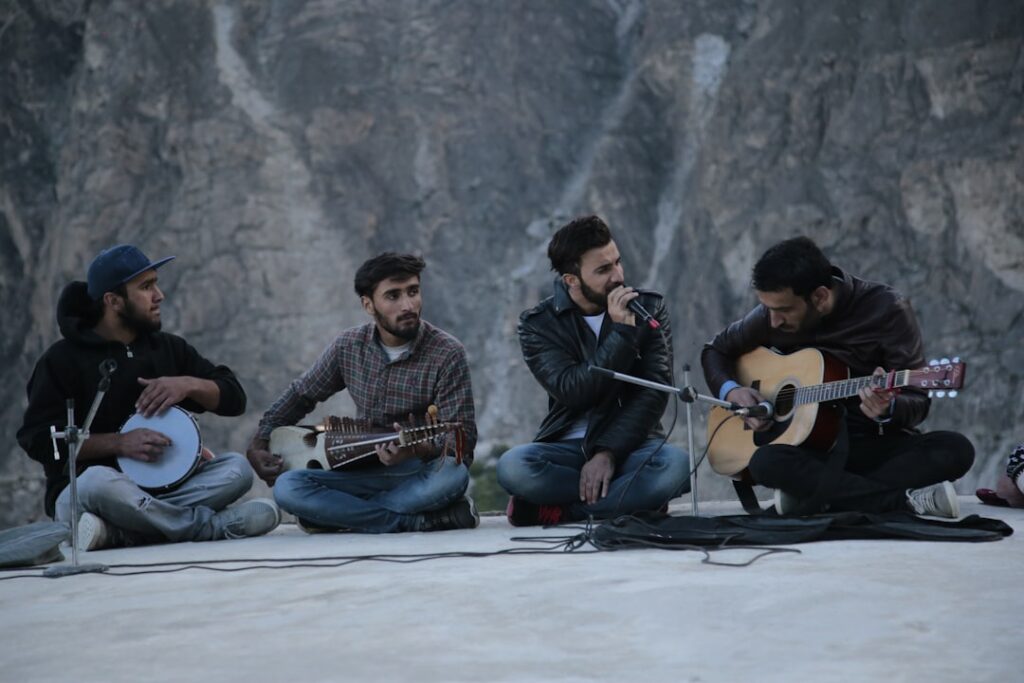
Evening in Granada can be one of the most memorable parts of your visit: head to Sacromonte for a dive into Gypsy traditions and flamenco, then end with a final look at the illuminated Alhambra from a viewpoint. Sacromonte is reachable from Plaza Nueva or by taxi. A good starting place for the night is the Cueva de María la Canastera (Calle del Chapiz, s/n, 18010 Granada) or tablaos like Venta El Gallo (Camino del Sacromonte, 4, 18010 Granada). Cave flamenco shows (performed in adapted caves) usually range from €20 (short format) to €40 per person, sometimes including a drink. Book ahead in high season to secure a seat.
Showtimes: most performances start between 20:00 and 22:00, lasting about 60–90 minutes. Many tablaos also serve dinner or tapas before the show — budgets vary: dinner + show can reach €40–€60 per person. For a cheaper option, choose a shorter performance without dinner, then eat afterward in the city center where tapas are still generous.
After the flamenco, head up to the Mirador de San Nicolás (Plaza de San Nicolás, 18010 Granada) or the Albaicín viewpoint to see the Alhambra lit up — a magical sight not to miss. The viewpoints are free but fill up quickly at sunset. If you prefer a less touristy alternative, the Mirador de la Lona or Sacromonte’s wider lookout points offer broad views with fewer crowds.
Local tips: bring a light layer for the evening (temperatures can drop, especially in spring/autumn), book shows in advance and check cave accessibility (stairs and narrow passages). For transport, walk if you’re nearby; otherwise taxis are plentiful after 22:00. And a culinary tip: don’t leave without trying a « pionono » (small local pastry) at Confitería Ideal (Calle Recogidas, 2, 18002 Granada), about €1–€2 each.
Conclusion: Final Tips and Variations for a Successful Day in Granada
A self-guided day in Granada may seem ambitious, but with good organization it’s both feasible and highly rewarding. Prioritize the Alhambra by booking a morning slot — it’s the heart of the visit and the main reason many travelers come to Granada. The rest of the day falls into place: Albaicín and Carrera del Darro for atmosphere and panoramas, the Cathedral and Royal Chapel for Christian history, and Sacromonte for popular culture and flamenco. The addresses and indicative prices provided (Alhambra: Calle Real de la Alhambra, s/n, 18009 Granada — around €18; Cathedral: Calle Gran Vía de Colón, 5 — about €5; Royal Chapel: Calle Oficios, s/n — combined ticket €7–€10) will help you plan budget and bookings.
A few final practical tips: book the Alhambra several weeks in advance during high season; wear comfortable shoes; pack water and a hat in summer; bring an adapter if you need to charge devices on the go; and always leave some time to intentionally get lost in the alleys — spontaneous moments often make the best memories. If you have more time, add a half day to visit the Sierra Nevada (hiking or cable car to Monachil) or book a hammam for authentic Andalusian relaxation (Hammam Al Ándalus Granada, Calle Santa Ana, 16, 18009 Granada — sessions roughly €32–€45).
For tweaks to this route: if you arrive late in the morning, reverse the plan and visit the Cathedral/Royal Chapel first, keep the Albaicín for sunset and book a night visit to the Alhambra if available. On a tight budget, many panoramic views and neighborhood strolls are free; opt for a more modest flamenco experience or simply walk to the Mirador de San Nicolás for sunset. Whatever formula you choose, Granada is a city of emotion and contrasts — take time to feel its rhythm, taste its flavors and admire its light. Safe travels and enjoy your day in Granada!