





Introduction — Why Adopting Local Habits Lowers Your Scam Risk in Grenada
Traveling to Grenada (the Spice Isle) is a feast for the senses — vivid colors, rich spice aromas and lush tropical scenery. But like any tourist destination, there are opportunities for scams aimed at visitors, especially those who don’t know local routines. Blending in isn’t just about looking the part: it’s a practical way to lower your profile as a “target,” spot potential cons, and protect your cash and personal data. In this practical, professional and detailed guide I’ll share concrete actions, specific places and everyday tips rooted in the reality of life in Grenada so your trip stays relaxed and trouble-free.
Grenada is a small island with tight-knit communities; locals value respect and discretion. Acting “like a local” means adopting a few simple habits: know common routes and typical prices, use licensed operators, insist on receipts, stay alert to distraction techniques (for example someone drawing your attention while an accomplice rifles your bag), and keep both digital and paper copies of important documents. This guide gives practical anchors — addresses, usual opening hours, indicative prices in euros — for the places travelers frequent most: the airport, Grand Anse, St. George’s market, excursion departure points and ATM locations. Timetables and prices can change, so always double-check before you travel or once you arrive.
You’ll find preventative behaviors to apply from the moment you land at Maurice Bishop International Airport (Point Salines) through busy Grand Anse Beach, the lanes of St. George’s and on trips to waterfalls or dive sites. I explain how to negotiate a taxi, spot an official driver or guide, use ATMs safely, and handle offers that sound too good to be true (often a red flag for a scam). Beyond the basics, you’ll learn local tips: which markets locals use (and when) to avoid opportunistic sellers, how to book a dive or snorkeling trip with clear guarantees and paperwork, and how to report an incident to local authorities.
This guide also stresses attitude: be polite but firm, keep a copy of your passport in a separate place, avoid flashing valuables in public, and choose reputable places to sleep and eat. I include reference addresses in St. George’s and Grand Anse, price ranges in euros for common services (taxi, museum entry, dive trips) and typical schedules to help you plan safe days. Finally, you’ll find practical tips you can use right away on arrival or to prepare from home.
Protect Yourself from the Start: Airport, Taxis and First Transactions (Practical Steps)
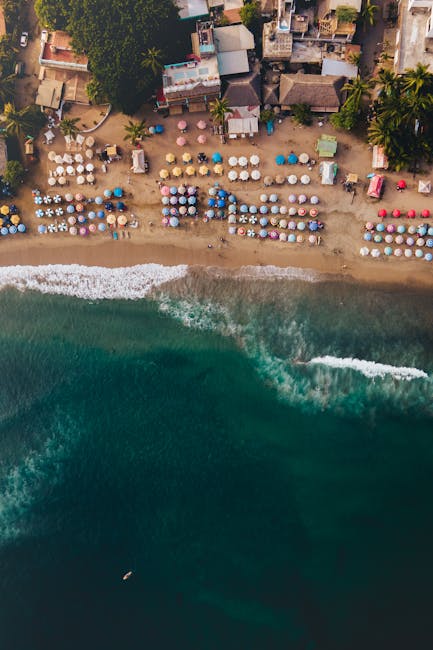
Your first contact with Grenada is often at Maurice Bishop International Airport (Point Salines, St. George’s, Grenada). Address: Maurice Bishop International Airport, Point Salines, St. George’s, Grenada. The airport operates 24 hours but most international flights arrive between 06:00 and 22:00. On arrival, avoid offers from unofficial drivers waiting just outside: opt for an official taxi, book a transfer through your hotel or use the airport’s official taxi desk.
Recommended actions:
- Book ahead: contact your hotel for a transfer. Many Grand Anse hotels offer airport pickups for around €15–€20 per person (e.g. beachfront hotels at Grand Anse). This avoids being approached by unlicensed drivers.
- Check the meter or agree a fixed fare: a trip from Maurice Bishop International Airport to Grand Anse (about 20–25 minutes) usually costs €20–€30 with an official taxi; if the taxi has no meter, agree on a fixed fare before you get in.
- Don’t flash banknotes: change a small amount at the airport for the taxi (€10–€30) and do larger currency exchanges in town at a bank or reputable bureau de change.
- ATMs: use cash machines in secure locations (banks or shopping centers); avoid late-night withdrawals in isolated spots. Major banks in St. George’s include Republic Bank Grenada (Bank Lane, St. George’s) — typical hours are 08:30–15:30 on weekdays.
- Keep receipts: ask for a receipt for every payment, especially for taxis and transfers.
Markets, Street Vendors and Small Purchases: Read Local Patterns and Avoid Traps
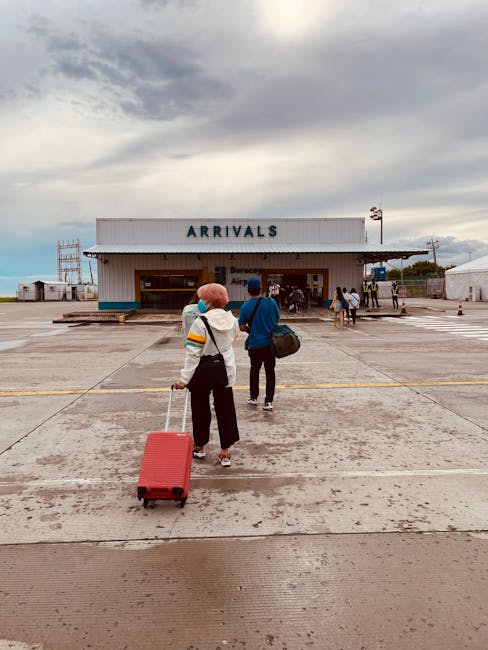
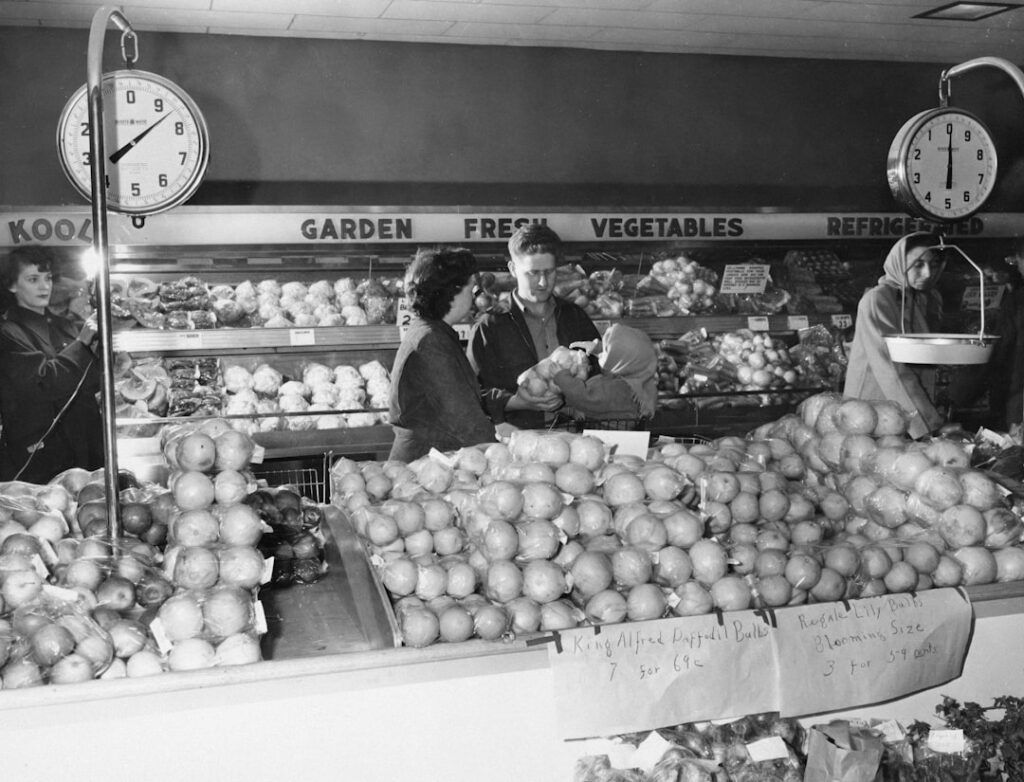
St. George’s is the commercial heart where visitors head to the Carenage and Market Square. Example spot: St. George’s Market (The Carenage, St. George’s, Grenada). Carenage address: The Carenage, St. George’s, Grenada — the port and central market area. Typical hours: the market buzzes in the morning (06:00–09:30) for fresh produce, with some shops open until about 16:00. To avoid scams:
- Know the local hours: visit the market early in the morning when prices are lower and locals shop — commerce is generally more honest then and you can get a feel for normal prices before you haggle.
- Know baseline prices: get a sense of typical costs: for example a platter of local fruit or a bag of spices at the market can range from €2 to €10 depending on quantity and season. If someone quotes a price that’s wildly inflated (three times more), walk away.
- Avoid distractions: one scam technique is to start a friendly conversation to divert your attention while an accomplice goes through your bag. Keep personal items close, use a zipped bag and don’t let anyone handle your phone without good reason.
- Make visible transactions: pay in view of others and ask for a receipt when buying higher-value items (nutmeg jewelry or pricey souvenirs); avoid “special price” deals without paperwork for tours or expensive goods.
- Use reputable banks and exchange offices: for changing euros, prefer banks such as Republic Bank Grenada (Bank Lane, St. George’s) or bureaus recommended by your hotel.
Tours, Diving and Excursions: Pick Licensed Operators and Secure Payments
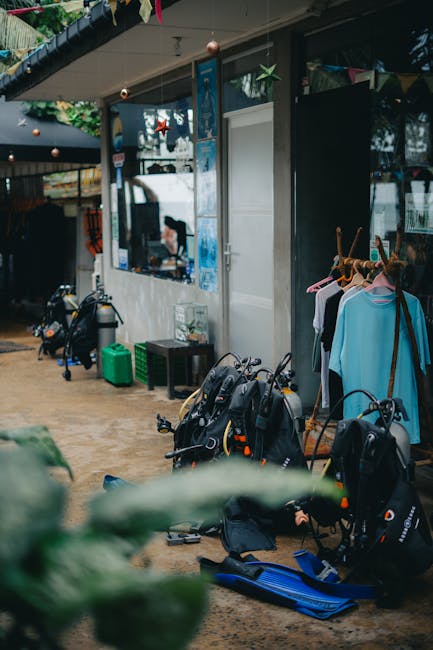
Excursions (diving, snorkeling, hikes to Grand Etang or Annandale Falls) can be a source of scams if you book on impulse. For sea trips, favor certified dive centers and well-reviewed agencies. Examples of known operators: Underwater Vision Ltd (La Sagesse area) or dive centers based in Grand Anse. Typical office address at Grand Anse: Grand Anse Beach, Grand Anse, St. George’s, Grenada — many operators have a desk on the beachfront promenade. Hours: most open 08:00–17:00; tours leave early (07:30–09:00) to catch calm sea conditions.
Behaviors and precautions:
- Ask for certification: insist on seeing PADI/CMAS licenses for the dive center and the guide before boarding. A reputable center displays licenses and keeps well-maintained boats.
- Get a contract and a receipt: have a service agreement signed or at least get a detailed receipt listing price and included services (equipment, drinks, transfers). Half-day snorkeling trips usually cost €30–€60 per person; full-day dives range €80–€160 depending on the site and gear.
- Don’t hand over big cash without proof: avoid paying large sums in cash without a receipt. Prefer card payments where possible or insist on an official receipt.
- Avoid “too cheap” offers: a diving deal at half price might mean an uninsured boat, faulty gear or an unqualified guide. Choose safety even if it costs a bit more.
- Leave contact details and a plan B: give your operator’s address and phone number to hotel reception and note exact departure and return times (for example: depart 08:00, return 13:00). If the operator is late, get an explanation from the guide and the local office.
Everyday Safety: Money, Cards, Documents and Reporting Incidents
To lower your everyday scam risk, adopt simple effective practices. Travel light with documents: keep your main passport in the hotel safe and carry a photocopy or an encrypted scan on your phone. If you need to show ID, present the copy. Reliable hotels and guesthouses in Grand Anse or St. George’s can hold your documents securely.
Practical measures:
- Spread out your payment methods: don’t keep all your cash in one place. For example, split your cash (a few tens of euros for the day, the rest in the safe). ATMs at Grand Anse and St. George’s often charge fees; plan withdrawals (€100–€200 at a time to limit fees).
- Limit smartphone use in public: avoid using banking apps or displaying cards in busy tourist areas. Withdraw discreetly from ATMs inside banks during business hours (typically 08:30–15:30 on weekdays).
- Emergency numbers: if you’re scammed or attacked, contact the local police: Royal Grenada Police Force — Central Station in St. George’s (local number to confirm on arrival). Also notify your embassy or consulate if you lose important documents.
- Report incidents: get an official police report for any major scam (needed for insurance). Keep copies of all correspondence, receipts and photographic evidence.
- Blend in: adopt a low-key attitude — don’t wear flashy jewelry and don’t leave cameras or phones unattended on the beach. Renting beach gear through a reputable business (hotel or official beach center) is safer than accepting offers from strangers.
Conclusion — Key Local Habits and Final Practical Tips
Traveling in Grenada can be very safe and enjoyable if you adopt a few local habits. Book transfers from Maurice Bishop International Airport (Point Salines) with your hotel, use official taxis, know indicative prices (airport–Grand Anse taxi €20–€30; snorkeling €30–€60; diving €80–€160), visit markets early for fairer prices, and insist on receipts and contracts for any paid service — these concrete behaviors significantly reduce scam risk. Favor established operators and businesses (banks for withdrawals, certified dive centers, reputable restaurants) and avoid overly attractive offers or anyone pressuring you.
Remember that vigilance doesn’t mean blanket mistrust: be friendly, respectful and open to local interactions while keeping practical safeguards (document copies, splitting cash, checking licenses). If something goes wrong, report it promptly to local police and your travel insurer. Finally, ask your accommodation for advice — most hotels and guesthouses in Grand Anse and St. George’s provide reliable recommendations for taxis, tours and restaurants. By following these local habits you’ll protect your money and documents and fully enjoy the nutmeg scents, white sand beaches and warm hospitality of the real Grenada.