





Introduction — Why sustainable mobility matters in Granada
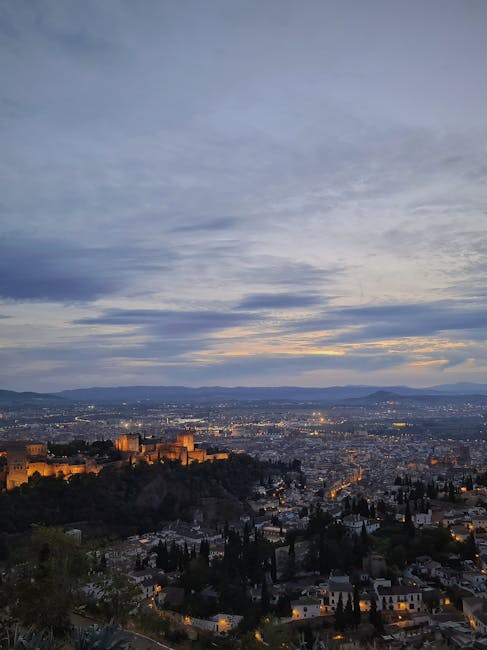
Granada blends exceptional historic heritage, the steep lanes of the Albaicín, dramatic views of the Sierra Nevada and a lively urban scene around Plaza Nueva and the Paseo de los Tristes. In that context, how you get around matters: how can you move cleanly, efficiently and enjoyably without sacrificing the joy of discovery? Sustainable mobility isn’t just about cutting CO2 emissions; it’s about improving quality of life, keeping pedestrians safe and showcasing cultural assets. In Granada, where narrow streets, steep slopes and protected areas (like the Alhambra complex) limit car use, choosing cleaner alternatives is both pragmatic and civic-minded.
This guide gives you a practical, detailed overview of sustainable mobility options in Granada: public transport, the metro/tram, biking, electric bike rentals, shared e-scooters, electric shuttles to the Alhambra, optimized walking routes, and tips to reduce your footprint while making the most of the sights. You’ll find exact addresses, typical schedules, prices in euros, immersive descriptions and local hacks to streamline your travel — useful for short-term visitors and residents rethinking daily routes alike.
We’ll also cover connections to and from main points of interest (Federico García Lorca Granada-Jaén Airport, Granada train station, the Alhambra, Mirador de San Nicolás, Sacromonte neighborhood), plus practical recommendations: how to avoid rush hours, where to park responsibly if you arrive by car, when to book Alhambra tickets to minimize unnecessary trips, and how to combine walking and shared transport for a richer, greener visit. Moving sustainably in Granada also means living the city at the pace of its viewpoints, craft shops and cafés — so we focus on slow, responsible routes.

Public transport and metro: the city’s clean backbone
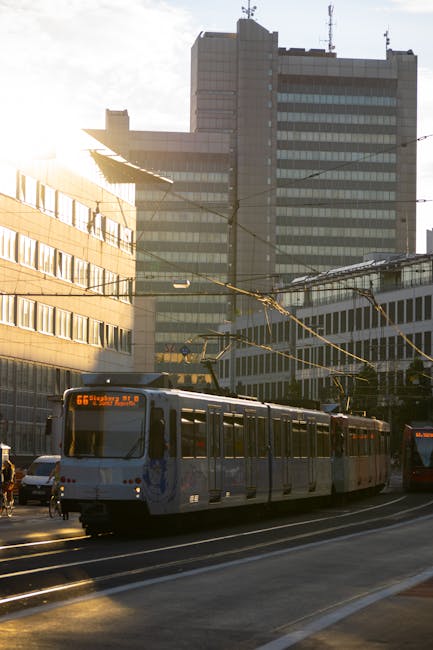
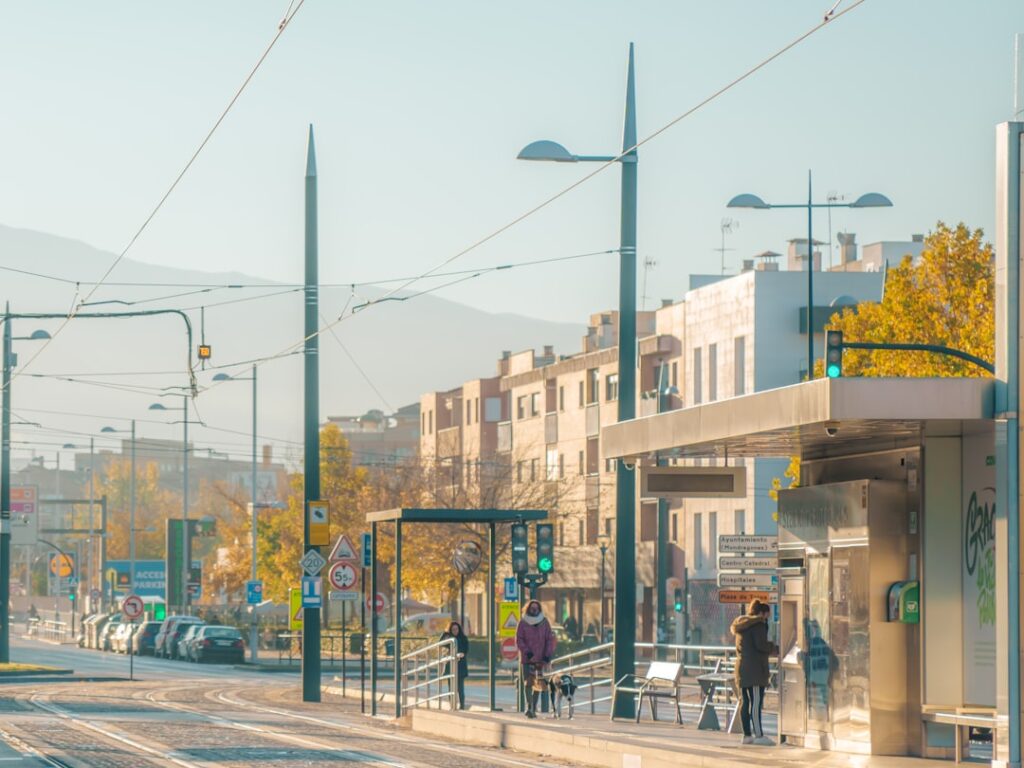
Granada’s public transport network combines city buses, a light metro/tram system and intercity connections. For visitors, these options are often the easiest and cleanest way to travel between the train station, the historic center and main attractions. The Granada metro (Metro de Granada) is an efficient spine: it serves hubs like Plaza de la Estación (Granada Station) and Avenida de la Constitución and extends westward. Useful address: Oficina de Atención al Cliente del Metro de Granada, Plaza del Carmen, s/n, 18002 Granada. Hours: generally 06:00–23:30 (varies by line and season). Price: single ticket around €1.40 (indicative). Ten-trip cards are available (good value for stays of a few days).
City buses (run by local operators) reach places the metro can’t, like the climb up to Sacromonte or some outlying parks. A single ticket costs about €1.40 (validate on board or via the app). Main departure points include Plaza del Triunfo and Plaza Nueva; two central hubs are: Estación de Autobuses de Granada, Av. de la Constitución, s/n, 18004 Granada (for intercity buses) and Estación de Ferrocarril, Calle Neptuno, s/n, 18004 Granada (for the train station). Schedules: most city lines run from 06:00 to 23:00; there are a few night lines on weekends.
Practical tips: buy a reloadable card if you’ll use bus/metro multiple times; use the official Metro de Granada app for real-time schedules; avoid the tram at peak times (08:00–09:30 and 18:00–20:00) for a calmer, safer ride. To get to Federico García Lorca Granada-Jaén Airport (Aeroopuerto Federico García Lorca Granada-Jaén, Ctra. de Madrid A-92, Km 274, 18320 Chauchina → shuttle from the airport to Vía de la Plata), prefer the dedicated shuttle that links the airport to the bus station in around 30–45 minutes: price roughly €3–5 depending on season.
Bicycles and e-bikes: explore at your own pace, pollution-free
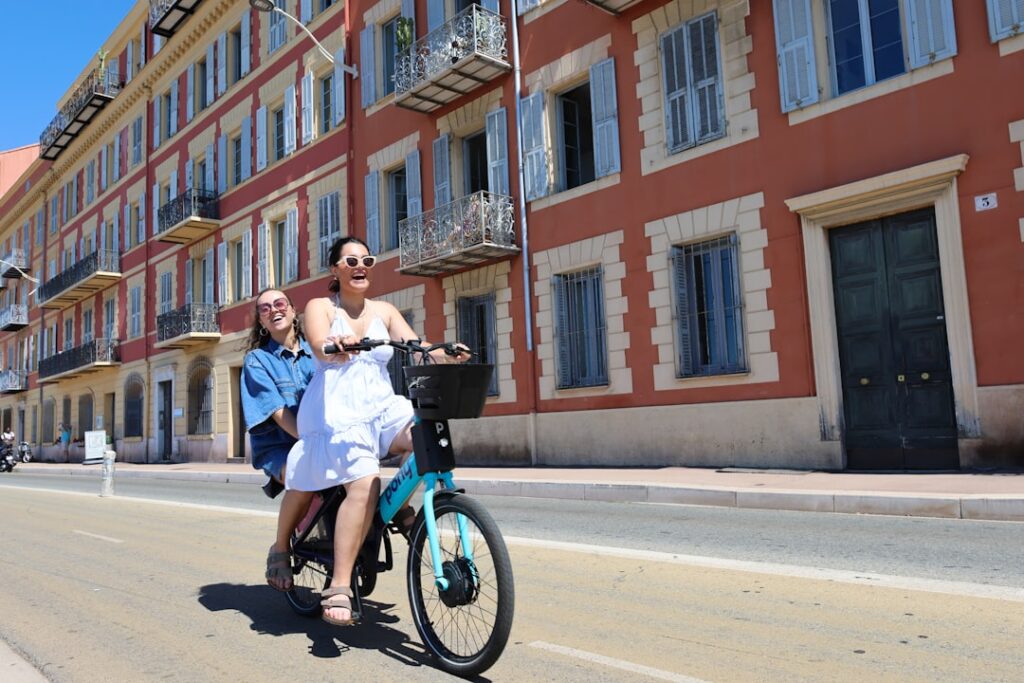
Riding a bike in Granada is an appealing option for those who want sustainable mobility and freedom of route. The historic center can be narrow and steep, but several cycle lanes and shared paths make travel easier, especially along the Río Genil and toward the modern Zaidín district. For bike rentals, check out Granada Bike (Granada Bike Tours & Rentals, Calle Reyes Católicos 24, 18001 Granada). Hours: 09:00–19:00. Prices: standard bike one day €12, electric bike one day €28.
For electric models, the difference is noticeable on the slopes of the Albaicín and Sacromonte: an e-assist bike lets you reach Mirador de San Nicolás without excessive sweating. Rental shops usually provide a lock, helmet and a map of recommended routes. Suggested route: start at Paseo de los Tristes, follow the Río Genil, carefully climb to the Carmen de los Mártires (Calle Real de la Alhambra, s/n, 18009 Granada) and descend through the Sacromonte neighborhood. The Carmen de los Mártires is a great stop for a break: public gardens open 09:00–20:00 (free entry).
Safety and local advice: choose wider tires for cobblestones, use shared lanes and indicate your turns; always park your bike at an official rack or inside a shop to avoid theft — theft rates rise during high season. For shorter trips, many hotels and hostels offer half-day rentals often priced €6–10.
E-scooters and shared services: flexibility with a smaller footprint
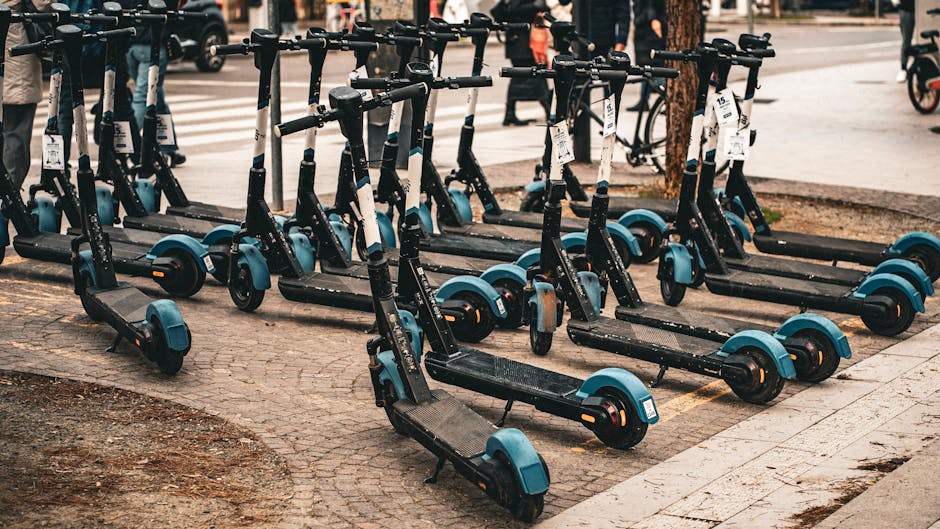
In recent years, shared electric scooters have become established in Granada, offering a practical solution for short hops between central squares, metro stops and tourist sites. International operators (for example Lime, Voi) and local companies provide GPS-tracked scooters you book via an app. Typical pricing: unlock €1 + €0.15–0.25 per minute (rates vary by operator). Usage zones include the historic center, Plaza de Toros, Avenida de la Constitución and parts of access routes to tourist areas. Availability: 24/7 depending on fleet size and municipal rules.
Regulation and safety: Granada City Council enforces speed-limited zones and mandatory parking areas for scooters to prevent sidewalk clutter. Wear a helmet if possible, respect pedestrians and slow down in narrow tourist alleys (often 6–12 km/h). Scooters are perfect for short trips, but beware of cobblestones, stairs and steep slopes — in those places, walk or choose an e-bike instead.
Local tip: use scooters to link the station to your accommodation or to shuttle between Plaza Nueva and Paseo del Salón to avoid densely pedestrian areas. If you plan frequent use, check operator subscriptions (daily passes from €4–6, monthly plans around €10–15) — these can massively lower the cost per trip.
Walking, slow routes and electric shuttles to the Alhambra
Walking is the most sustainable — and often the richest — way to explore Granada, especially the historic center. Well-designed pedestrian routes connect Plaza Nueva to Mirador de San Nicolás in 20–30 minutes through alleys that offer breathtaking Alhambra views. Getting to the Alhambra properly (Patronato de la Alhambra y Generalife, Calle Real de la Alhambra, s/n, 18009 Granada) on foot from the Albaicín is possible but demanding: allow 15–30 minutes uphill depending on your starting point. Alhambra tickets: indicative price for general admission (including the Nasrid Palaces) around €14.00–18.00 depending on season and type; time slots vary (morning and late-afternoon visits). Book tickets online in advance to avoid unnecessary back-and-forth trips.
To reduce car use, the municipality and private operators run electric shuttles between Plaza Nueva / Paseo del Salón and the Alhambra’s main ticket offices during peak times. These electric shuttles typically cost €2.50–5.00 round-trip and operate in the morning and late afternoon (approximate hours 09:00–13:00 and 15:00–19:00 depending on season). They ease pressure on parking and spare you exhausting uphill walks.
Walking tips: wear grippy shoes (cobbled streets), plan visits early morning or late afternoon to avoid heat and crowds, and take breaks in spots like Carmen de los Mártires (Calle Real de la Alhambra), Placeta de San Miguel Bajo (Albaicín) and the various miradors. For residents, combining regular walking with public transport for longer trips is often the most sustainable and economical approach. Finally, respect protected areas and stick to marked routes around the Alhambra to help preserve the historic site.

Small habits that make a big difference
- Favor intermodality: combining bike + tram/metro cuts emissions significantly and gives you great flexibility.
- Avoid driving in the center: use park-and-ride lots on the outskirts (e.g. P+R Neptuno, Av. de Andalucía, 18013 Granada) and finish your trip by bus or on foot.
- Charge and maintain: if you rent an e-bike, check the range (ideally 50–80 km on a full charge) and ask for a spare battery if you plan a full mountain day.
- Respect heritage: protected heritage zones restrict motor vehicles — follow the rules so the site stays preserved.
Conclusion — Make sustainable mobility part of your Granada experience
Sustainable mobility in Granada isn’t a slogan; it’s a practical reality that improves visits and protects the city. By combining public transport (metro and buses), bikes or e-bikes, shared scooters, thoughtful walking and electric shuttles to sensitive sites, you reduce your trip’s ecological footprint while gaining convenience and enjoyment. Costs are often modest — bus or metro tickets around €1.40, bike rentals from €12 a day, shared scooters from €1 + per-minute rates — and they let you live Granada like a local: at a human pace, attentive to the views and heritage.
To make the most of these options, plan ahead: book Alhambra tickets in advance to avoid unnecessary trips, download local apps to track metros, buses and shared fleets, and learn which areas prioritize walking. If you’re a resident or staying long-term, investing in a monthly transport pass or buying an e-bike can pay off and transform daily travel.
Remember that sustainable mobility is also social: respect pedestrians, share public space, support local shops and, through simple choices, help preserve a unique place. In Granada, every uphill walk to a viewpoint, every tram ride at sunset and every bike ride along the Genil contributes to a more authentic, calmer and more responsible travel experience. Enjoy a sustainable trip in Granada!