




Introduction — Why the Alhambra Isn’t Granada’s Only Muslim Story
When you hear “Granada,” the image that instantly pops into the global tourist imagination is the Alhambra: glowing palaces, delicate arabesques, the Generalife gardens, endless queues. It’s true that the Alhambra is a world-class masterpiece — but precisely that fame has turned a historical site into a mass experience often disconnected from the real complexity of the Muslim presence in Granada.
What I offer here isn’t a blanket critique of the Alhambra: think of it as a thoughtful counter-guide. My aim is twofold: first, to unpack a few assumptions that make the Alhambra the sole “Muslim story” of the city; second, to point you to lesser-visited places that reveal more intimately the Andalusian imprint on Granada. The reality is far richer, more fragmented, and at times more moving than the standardized monument tour.
Exploring Muslim Granada in a broader sense means turning away from fast tourist circuits and seeing the city as a palimpsest: streets, homes, neighborhoods, baths, caravanserais, small madrasas and cemeteries that tell stories of coexistence, trade, vernacular architecture and everyday rituals. The Alhambra has gathered attention — and resources — to such an extent that it has overshadowed more modest but essential witnesses: El Bañuelo (the Arab baths), the popular Albaicín, the carmenes’ gardens, house-madrasas and civic remains like the Corral del Carbón. These places, often free or inexpensive, offer direct access to layers of daily life far more telling than palace staging.
In this article you’ll find a critical reading of what is sold to you as “the Muslim experience in Granada,” objective reasons (mass tourism, staging, loss of context) and subjective ones (poorly prepared visitor expectations). But above all, I’ll give you concrete alternatives with exact addresses, opening hours, prices and visiting tips — practical suggestions for anyone who wants to seek the Muslim presence in the city rather than just photograph it from a viewpoint. This approach doesn’t denigrate the Alhambra: it proposes a more measured, patient, human itinerary where history speaks through stone and street, not only through marked routes and audio guides.
Ready to leave the queue and listen to the city? Let’s start by understanding why the Alhambra paradoxically lost part of its historical voice.
1) The Alhambra: why the icon became a symptom rather than a full narrative
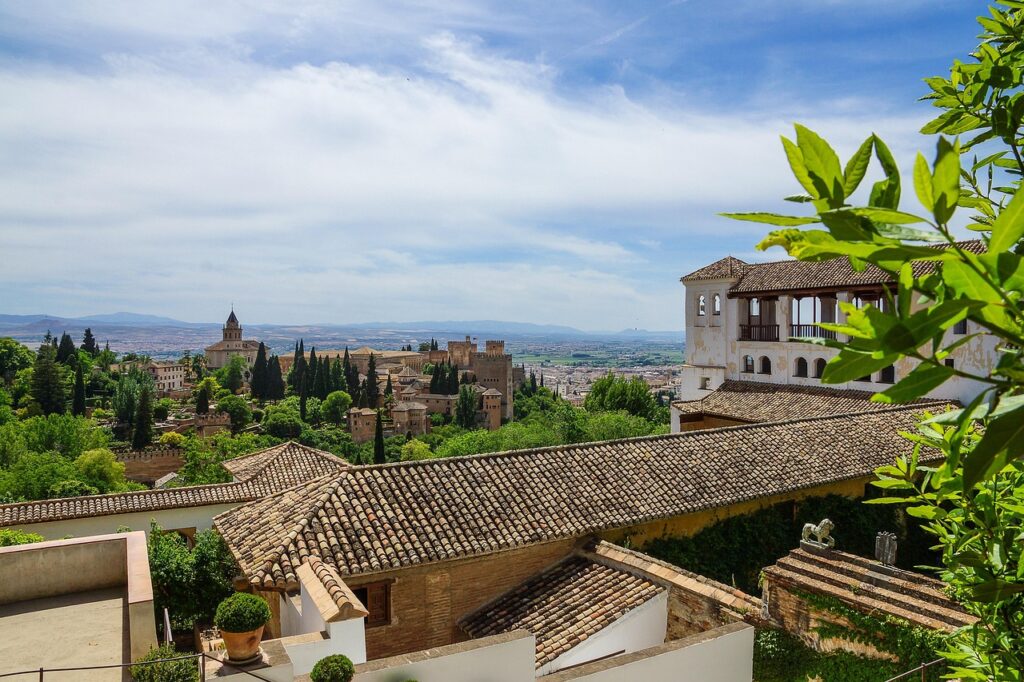
The Alhambra is (rightly) an exceptional monument. But its transformation into a tourist “must-see” has side effects that few itineraries explain: the staging of the past, the homogenization of the experience and the erasure of everyday traces. Understanding these mechanisms helps explain why sometimes you need to look elsewhere to discover the “real” Muslim history of Granada.
First, museification: the Alhambra is managed like an international heritage site, with quotas, highly structured interpretation and a mise-en-scène that turns the monument into a park to visit. The result? Appreciation limited to major architectural elements — patios, muqarnas, fountains — but rarely to human networks, craftsmen or popular uses. The standard visit is short and codified, which masks social and urban continuities.
Second, the tourism economy: the Alhambra concentrates resources and visibility. Guides, organized tours and local businesses shape themselves around its hours and flows, leaving other historic sites on the margins. This centralization deprives the visitor of the opportunity to understand Muslim everyday life: baths, souks, peasant homes and small sanctuaries. Palatial grandeur is only one facet of a society that also produced the mundane, the domestic, the living.
Third, idealized interpretation: the romantic image of the Alhambra — perfect gardens, fairy-tale palaces — tends to offer an aesthetic and sometimes stereotyped reading of Muslim Andalucía. It’s a partial history, the one of elites. It overlooks conflicts, cultural mixing, the evolution after the Reconquista, and the day-to-day coexistence between communities that shaped urban space for centuries.
In short, the Alhambra is indispensable but insufficient. If you want to go further, you need to cross symbolic ramparts and leave the tourist script to meet other layers of Granada.
2) Albaicín and Sacromonte: neighborhoods where Muslim culture reinvented itself
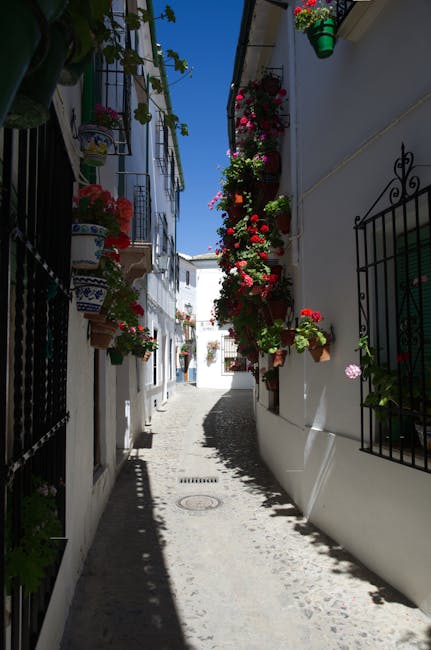
If the Alhambra represents palatial apex, the Albaicín and Sacromonte embody persistence. These neighborhoods aren’t mere “copies” of the past: they are lived survivals, often transformed, of Andalusian ways of life. The alleys, small squares, carmenes (house-gardens) and reflecting pools hide historical layers where Islamic heritage reads clearly in the street pattern and social customs.
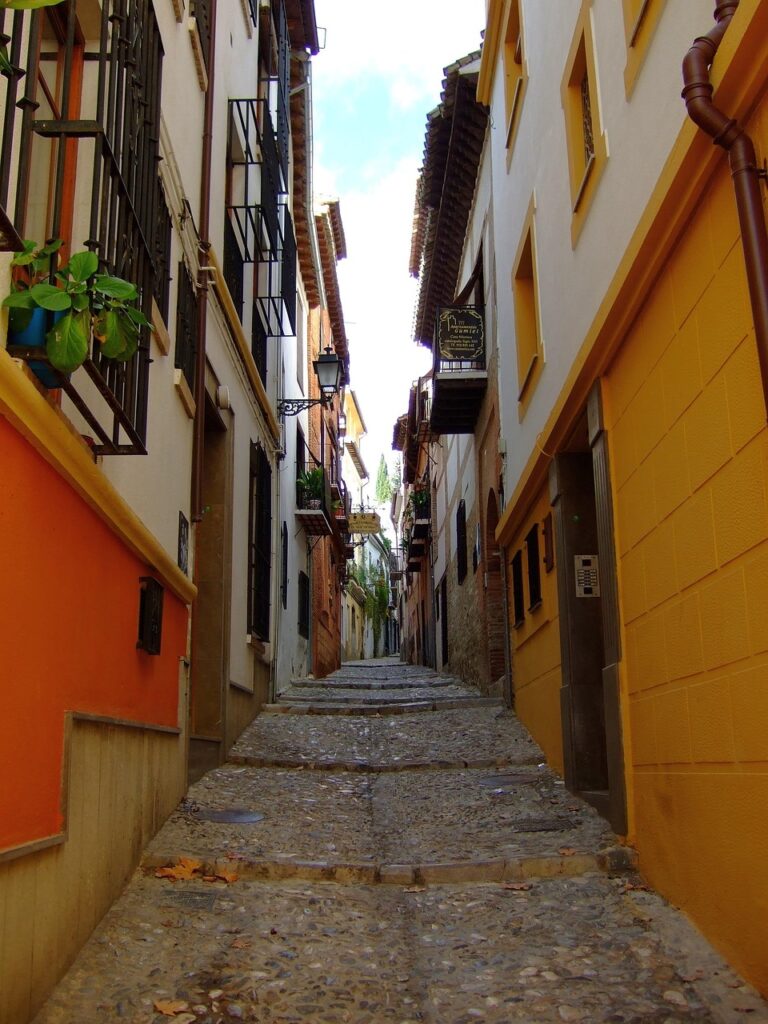
The Albaicín, perched opposite the Alhambra, is a tangle of cobbled streets, white houses and domestic viewpoints. It’s a place to walk slowly, listen to echoes and observe how popular architecture adapts to climate and traditions: shaded lanes, patios, small fountains. The Mirador de San Nicolás (Plaza de San Nicolás) offers the most iconic view of the Alhambra, but don’t stop at the viewpoint: get lost in the surrounding streets, visit the Iglesia de San Salvador (which hides mudéjar elements) and seek out the less touristy carmenes.
Useful address: Mirador de San Nicolás, Plaza de San Nicolás, Albaicín, 18010 Granada. Open 24/7 (very busy at sunset).
The Sacromonte, on the other side, tells the story of Morisco and Romani communities who settled the slopes by carving homes into the hillside. The cuevas (troglodyte dwellings) show an ingenious adaptation to terrain and climate. The Museo Cuevas del Sacromonte (Calle San Miguel Bajo, 28) offers an ethnographic route to understand this unique coexistence.
Practical info: Museo Cuevas del Sacromonte, Calle San Miguel Bajo, 28, 18010 Granada. Indicative price: around €4–6. Opening hours: generally 10:00–18:00, varying by season; check before you go.
Local tip: visit these neighborhoods early morning or late afternoon, when the light reveals wall textures and the echoes of historical calls to prayer become whispers of the past. Buy bread or small pastries in local bakeries — it’s often an occasion to chat and learn from a resident.
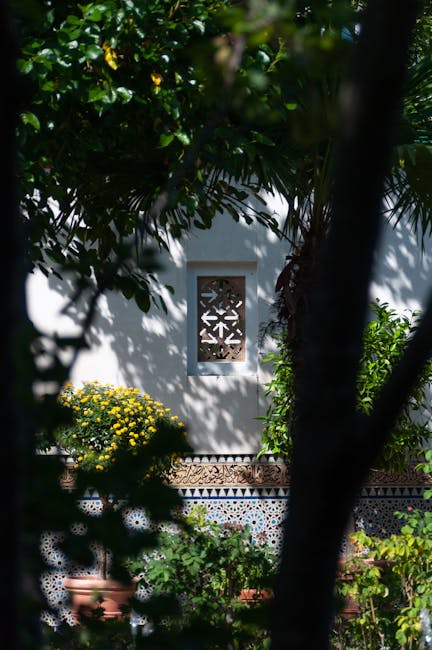
3) Hidden remains and discreet spots to prioritize: El Bañuelo, Corral del Carbón, Madraza and more
To understand medieval Muslim daily life, favor authentic, modest fragments over grand staging. Here are concrete experiences, less crowded than the Alhambra, but essential for a deeper reading of Granada.
- El Bañuelo (Old Arab bath) — Address: Carrera del Darro, 31, 18010 Granada. Price: often around €2–4. Opening hours: usually 10:00–18:00; closed some days depending on the season. Why go: it’s one of the best-preserved hammams in Spain — vaulted rooms, alcoves, drainage and heating systems. The small, intimate atmosphere makes tangible the hygienic and social practice that structured neighborhoods.
- Corral del Carbón — Address: Calle Mariana Pineda, s/n, 18009 Granada (near Plaza Bib-Rambla). Price: free entry or occasional donation; temporary exhibitions may be ticketed. Opening hours: variable, often 9:00–20:00 for access to exterior spaces and the shop. Why go: this former alhóndiga (warehouse and inn) is a civic remnant from the Islamic period, a place of trade, lodging and exchange among merchants. Its courtyard reveals the urban structure of medieval bazaars.
- La Madraza (former Quranic school) — Address: Plaza de los Lobos, s/n, 18009 Granada (street near the Cathedral). Price: often around €1–3. Opening hours: temporary exhibitions and guided visits depending on programming, generally 10:00–14:00 and 16:00–19:00. Why go: the Madraza shows the educational and intellectual function, not only prestige architecture; its remains give an idea of knowledge transmission.
- Less-known baths and private patios — Numerous private homes in the city center preserve patios and small fountains in the Andalusian spirit. Look for “casas de los señores” and visit neighborhood museums that display these interiors — entrance usually costs between €2 and €5.
Practical tip: these sites sometimes close early and may have reduced hours in low season. Always check online or at the tourist office on Plaza del Carmen or Plaza Nueva before you go. If possible, book a local small-group guided tour run by a Spanish-speaking or bilingual guide specialized in medieval history — the nuance in the explanations makes all the difference.
4) A concrete alternative half-day route: feel Muslim Granada off the queues
Here’s a practical route designed to avoid Alhambra crowds and favor places where history reads in material and daily life. This half-day plan (morning or late afternoon) combines visits, tasty breaks and viewpoints.
- Start: El Bañuelo — Carrera del Darro, 31. Arrive at opening (around 10:00) to enjoy the site in peace. Expected time: 30–45 minutes. Price: ~€2–4.
- Stroll along the Darro — walk down the river, admire the bridges and façades. Coffee break at Café 4 Gatos (Calle Elvira, 23 — a small local café). Price: €1.50–3 for a coffee, €2–5 for a pastry.
- Corral del Carbón — short visit to the courtyard, read the medieval trade layout. Expected time: 30 minutes. Entrance: often free.
- Madraza — short visit to the former Quranic school and exhibition room. Expected time: 30–45 minutes. Price: ~€1–3.
- Albaicín (walk) — climb up to the Mirador de San Nicolás for a panoramic pause (sunset if you’re in the late afternoon). Wander the lanes, look at the carmenes and, if you feel like it, visit a local house-museum. Free time: 1–2 hours.
Local tips: bring water (streets can be sunny), wear comfortable shoes (cobbles and climbs), and respect residents — don’t enter private properties without invitation. On site, always look for Spanish signs reading “casa-museo,” “patio” or “museo” for authentic and often inexpensive visits.
Options to go deeper (evening and relaxation)
If you want to extend the half-day: book an evening in a traditional tetería (tea house) in the Albaicín, enjoy mint tea and Oriental pastries, or attend a flamenco show in an authentic Sacromonte cueva (shows often cost around €15–25). Another option: a session at Hammam Al Ándalus in Granada for thermal baths with massages, but be aware this is a contemporary, tourist-oriented interpretation of historical baths (expect €30–60 depending on the package).
Booking ahead for these lesser-known spots isn’t always necessary, but for cave evenings or hammams, reservations ensure a better experience.
Conclusion — What you gain by leaving the queue behind
Refusing to reduce Muslim Granada to the Alhambra doesn’t mean giving up wonder; on the contrary, it means seeking a broader, more human understanding. The Alhambra shows aesthetic excellence and the power of an era; other sites — El Bañuelo, Corral del Carbón, the Madraza, the Albaicín and the Sacromonte — give you social depth, vernacular ingenuity and historical continuity.
By visiting these places you discover a fuller story: daily practices (baths, trade, learning), adaptations to the landscape (troglodyte homes, carmenes), and traces of coexistence and transition after the Reconquista. You’ll see stones worn by thousands of footsteps, but also inhabited façades, private patios and small museums preserving a living memory. The collective price of these visits is modest (often between €0 and €6 per site), the schedule is flexible and the experience, profound.
My final tip: plan your visit around the local rhythm. Mornings are calm for baths and museums; late afternoon brings magical light to the Albaicín; at night, the Sacromonte caves reveal another cultural layer. Always check official hours (small museums change seasonally), favor slow visits and support local initiatives: independent guides, small teterías, neighborhood museums. That way, you’ll leave Granada not only impressed by the Alhambra, but with an emotional and critical map of the city — something the best tourist routes sometimes forget to give.
Happy discoveries — and above all: take your time. The real Muslim history of Granada is read in small doses, between walls and people, not just in grand palace halls.