





Ditch the Car: How Granada’s Tram Makes the City More Livable
When people picture visiting Granada, the most common image is a slow car crawling up the hill, horn honking, hunting for a spot near the Alhambra or the San Nicolás viewpoint. But that typical scene — cars, guided drives, crowds and pollution — doesn’t do justice to a city that actually breathes and lives better day to day thanks to more human alternatives. Among them, the Granada tram (the « Tranvía de Granada ») is more than just a ride: it’s an urban tool that changes how you experience the city, cuts travel stress and opens up neighborhoods worth exploring on foot, by bike or from a café terrace.
In this anti-guide — measured, well-documented and practical — I dismantle the common belief that a car is essential to enjoy Granada. I’m not pitching progress against heritage; I’m offering a different logic: fewer engines, more living space. Below you’ll find concrete reasons why the tram is worth choosing over the wheel, route suggestions to favor, practical tips (buying tickets, schedules, up-to-date price estimates), and complementary alternatives (walks, tasty stopovers) that slow, gentle mobility makes possible.
I’m not romanticizing things: yes, the tram isn’t perfect — its route is limited and service can thin out at off-peak times, and no, it won’t drop you at every shop door in the Albaicín. But it reshapes the tourist experience. It frees you from the parking hunt — that urban ordeal that can turn a morning into frustration — and makes the city pleasant from the moment you step off. And for anyone who thinks the tram « slows down » travel: that’s exactly what Granada needs. Slow down to see better. Slow down to hear the market, smell the spices, sit on a bench and watch the Sierra Nevada glow in the sun.
As we go through the sections below, we will:
- Question the idea that a car is indispensable in Granada;
- Show precisely how and why the tram changes the game (stops, indicative fares, schedules, routes);
- Offer concrete itineraries and high-quality alternatives to replace car tours — with exact addresses, prices and hours so you can plan without surprises;
- Provide local tips, crowd-avoidance tricks and tasty suggestions reachable from tram stops.
Why the car myth rules — and why it’s overrated
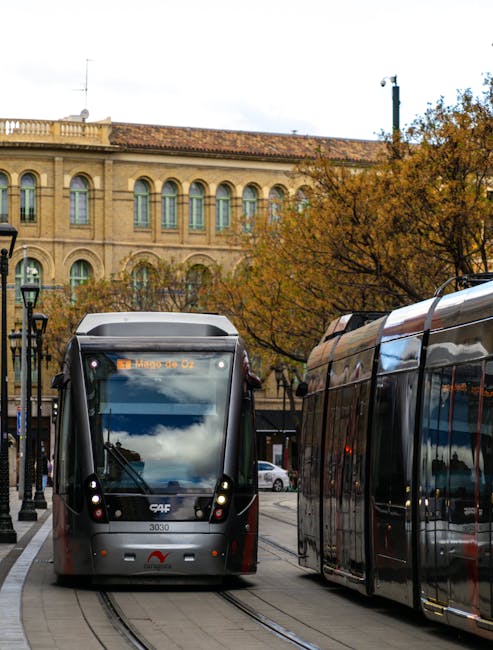
The myth is simple: « If you want to see Granada, you need a car. » This belief has practical roots — the mountain roads around the city, the temptation to reach sites like the Sierra Nevada or the Alpujarra villages — but it ignores several urban realities. First, Granada’s historic center, like many Mediterranean old towns, wasn’t designed for heavy car traffic. The streets of the Albaicín are narrow, winding, often one-way and cobbled; they invite walking, not maneuvering.
Next, cars create negative externalities many tourists downplay: air pollution, noise, parking congestion and lost time. An hour spent looking for a space often costs more than an hour spent lounging on a terrace. Car-based visits can turn into stress sessions rather than discoveries. Organized tours in buses or minibuses reproduce this problem by channeling huge flows to just a few points (viewpoints, the Alhambra), at the expense of a dispersed, more resident-friendly tourism.
Finally, cars isolate you. They drop you at major sights but keep you from noticing the little details that give a city its color: a weathered door, a ceramics shop, a local market. Behind a window you lose the sensory immersion. The tram, bikes and walking fix that: they put you at the city’s pace, letting you stop, talk and taste.
That said, I’m not claiming cars are useless. For some Sierra Nevada excursions, for carrying hiking gear or for families with reduced mobility in certain cases, a car is still handy. But for the urban experience proper — museums, markets, historic quarters, cafés and terraces — a car is often a hindrance. The tram is a compromise: efficient along its line, eco-friendly, and above all designed so you can hop off at multiple stops and shape your day without having to return to a parking lot.
The Granada Tram: how it works, key stops, fares and schedules (practical info)
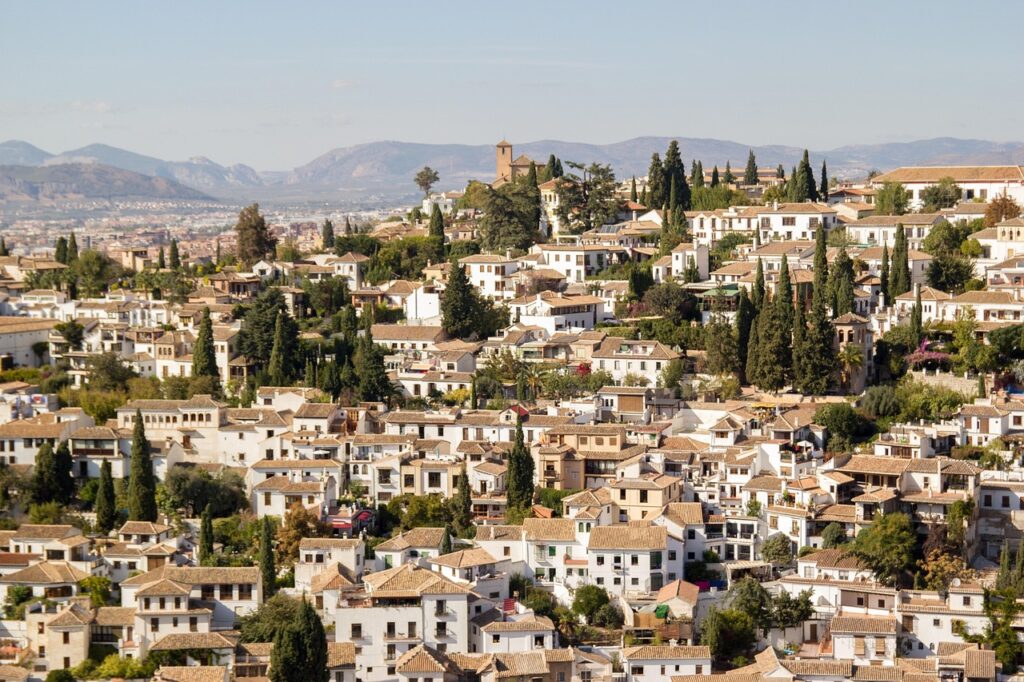
The best urban alternative to the car in Granada is the Tranvía de Granada. It runs on a line linking strategic points across the city, making museums, parks, shopping districts and intercity bus connections easier to reach. Here’s everything you need to use it with confidence.
Official name and starting points
Name: Tranvía de Granada (often called « Granada Tram »). The line crosses the center and connects important hubs like the Science Park and the Plaza Mariana Pineda / Recogidas area.
Stops and useful addresses (selected for visitors)
- Recogidas (Estación de Tranvía – Calle Recogidas, 14, 18002 Granada) — Interchange with urban bus lines and a central spot for walking or catching a bus to the Albaicín. Ticket machines and an information desk available.
- Parque de las Ciencias (Av. de la Constitución, 20, 18071 Granada) — Great for families and visiting the science museum. Direct access to the park and adjacent promenade.
- Plaza Mariana Pineda (Pl. Mariana Pineda, 18002 Granada) — Close to Calle Reyes Católicos and the pedestrian core.
- Paseo del Violón (Pº del Violón, 18006 Granada) — Connection to intercity buses heading to the airport and the outskirts.
These addresses help locate the most useful stations for visitors. Ticket machines are found at every stop; the main assistance desk is at Recogidas (same address above).
Fares and tickets (indicative — updated 2026)
- Single ticket: around €1.40 for a short intra-urban ride (valid 60 minutes from validation).
- Tarjeta Multiviaje (rechargeable 10-trip card): around €8.50 (about €0.85 per trip).
- Day pass (unlimited day pass): around €3.50.
- Tickets sold at vending machines (card and cash accepted) and via the official Granada transport app.
Schedules (indicative)
The tram runs regularly, with higher frequency during peak times:
- Monday to Saturday: roughly 06:30 — 23:00 (7–12 minute frequency depending on time).
- Sundays and public holidays: roughly 07:00 — 22:00 (10–20 minute frequency).
These schedules and fares are indicative — it’s wise to check the Tranvía de Granada official site or station notices before your trip. Even so, the tram’s main strength is its regularity: you can plan a day without relying on parking, knowing connections are convenient.
Concrete alternative routes — replace a car tour with a tram + walking day
Rather than buying a car tour that rushes you past the « must-sees » without depth, design your own day by combining tram, walking and a few tasty stops. Here are two tested, doable routes meant to limit tough walking while maximizing discovery.
Route A: Culture, science and urban panorama (perfect for families)
Start: Parque de las Ciencias (Av. de la Constitución, 20). Hop on the tram and get off at Recogidas (Calle Recogidas, 14) for a short stroll toward the shopping quarter.
- Morning: Visit the Parque de las Ciencias (Av. de la Constitución, 2, 18006 Granada). Price: adults €9.50, discounts by age. Hours: 10:00–18:00 (closed certain days, check locally).
- Lunch: Tram to Plaza Mariana Pineda and lunch at Restaurante Chikito (Plaza del Carmen, 4, 18009 Granada) or tapas along Calle Reyes Católicos. Tapas budget: €2–4 per tapa.
- Afternoon: Wander on foot toward the Albaicín from Recogidas, taking a gradual climb (favor the Calvario and Cuesta de los Chinos lanes to avoid crowds). Finish at the San Nicolás viewpoint in the late afternoon for the best light.
Route B: Architecture and lively streets (perfect for slow travelers)
Start: Paseo del Violón. Take the tram to Recogidas then head down toward the center.
- Morning: Coffee and churros at Café Fútbol (Calle Reyes Católicos, 3, 18001 Granada), then a walking tour of the historic center.
- Lunch: Break at the covered market Mercado San Agustín (Calle San Juan de los Reyes, 7, 18009 Granada) — tapas galore and local produce.
- Afternoon: Stroll toward Parque García Lorca, reachable by tram if you want to skip a long walk. The park is a lovely place to rest and read a postcard in the sun.
These routes make one point clear: the tram isn’t just a replacement — it’s the spine that lets you organize a respectful, slow exploration of the city. Instead of being parachuted in front of a site, you build your day in modular segments, free to hop off whenever you fancy.
Local, ethical and practical tips for enjoying Granada without a car
Here’s a concrete list of practical, respectful tips for using the tram and experiencing Granada differently.
- Choose the Tarjeta Multiviaje if you’re staying several days: it lowers the cost per trip and avoids digging for change at every boarding. Recharge at the vending machines in each station.
- Favor off-peak hours: mid-morning (9:30–12:00) and late afternoon (16:00–18:30) are great to avoid the midday tourist crush.
- Walk in loops: get off at key stations, walk 20–30 minutes to explore a neighborhood, then hop back on. It gives you a richer sense of the city’s topography.
- Avoid trying to drive into the Albaicín: limited parking, narrow streets and added stress. If needed, park on the outskirts (public parking) and finish your trip by tram/bus.
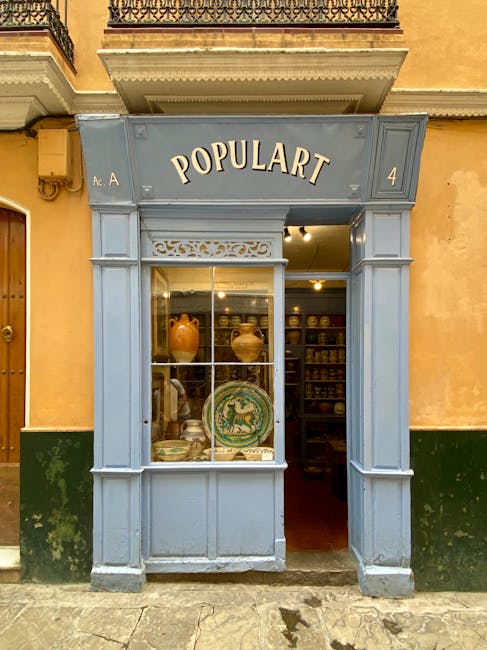
- Support local shops: buy souvenirs from pottery and artisan stores rather than chains, and sit on a terrace for a drink rather than a pricey panoramic bus tour.
- Check tram schedules before you go: occasional roadworks or events (processions, fairs) can alter service.
Adopting these habits turns your visit into a softer, more authentic and often cheaper experience. The tram isn’t just transportation: it’s an act of respect for the city and its residents.
Conclusion — Slow down, get off, live Granada
If you take away one idea, let it be this: the car is not the ultimate measure of tourist efficiency. In Granada, the tram offers a different paradigm. It invites you to slow down, choose multiple short trips rather than one big curated loop, mingle with everyday life and savor a city best enjoyed step by step.
The Tranvía de Granada doesn’t erase the charm of mountain roads or the occasional need for a vehicle for certain excursions — it complements them. It reduces stress, the time wasted hunting for parking, screens out unnecessary noise and makes the city accessible. It puts you in the role of an active observer: you get off, find a café, talk to a shopkeeper, follow a random street. These micro-decisions are what make a stay memorable.
Finally, choosing the tram isn’t only practical — it’s a gesture against the current model of mass tourism: a tourism that swallows, accelerates and leaves little room for encounters. The tram helps spread flows, open less crowded corridors and return the city to a human rhythm. Before your next trip to Granada, leave the car in the garage for a few days: grab a Tarjeta Multiviaje, plan two of the routes above, and prepare to re-learn the city as you travel through it.
You’ll see: stepping off a tram to buy an orange at a market, sitting on a bench and watching the Alhambra at dusk — those moments are priceless, and often the best way to remember a city.