





Ditch the Audio Guide: How Free Exploration Lets Granada Reveal Itself
Audio guides and group tours have long been sold as the most “efficient” way to see a historic city like Granada. You’re promised concise facts, an optimized route, and a headset that narrates the story as you walk from one spot to another. Yet in a place where history is written in the stones, the alleyways, the smells and the shifting views, an experience boxed into pre-chewed information often flattens everything. This piece is an invitation — a practical, reasoned anti-guide — to ditch the audio guide and rediscover Granada at the pace of memory, observation and surprise.
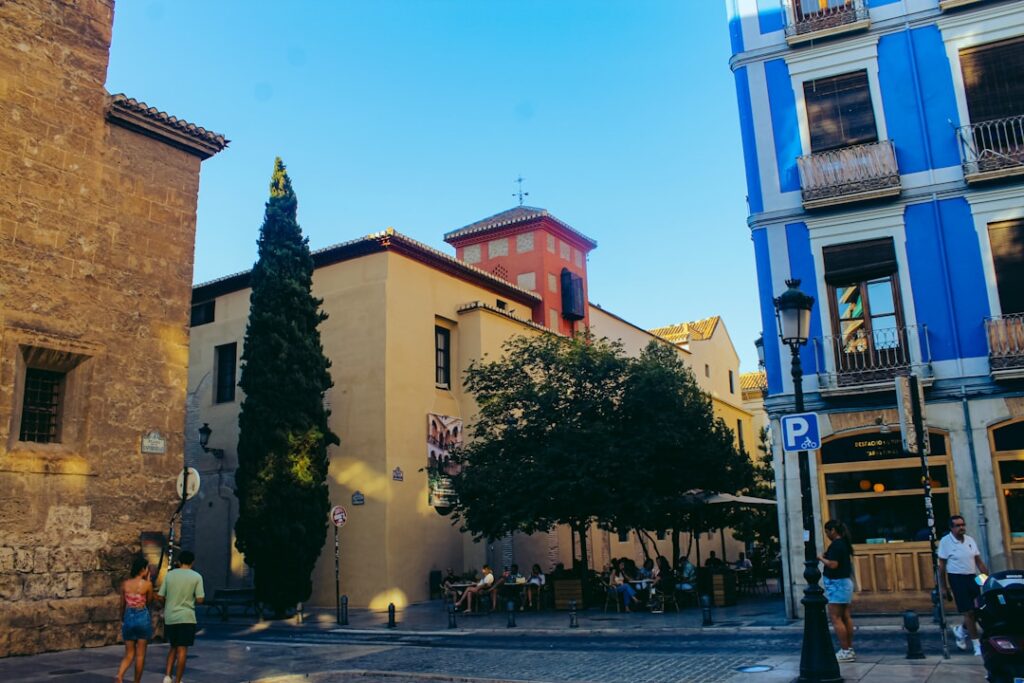
Why write this now? Because Granada isn’t just a checkbox on a list. It’s a place where micro-events (an old woman sweeping, a cat pausing on a cornice, the scent of jasmine in a carmen) matter as much as the big dates. Guided tours often confine visitors to a single narrative corridor: “Alhambra, Alhambra, Alhambra,” leaving no room for silence, detours or encounters. The audio guide, especially, reduces the city to consumable “facts” — architecture, names of rulers, opening hours — whereas Granada asks for a sensory engagement.
This isn’t a rant against professional guides: well-prepared and passionate guides can bring invaluable insight. But the belief that you must systematically “learn” a city by listening to someone else is a received idea worth questioning. A well-executed self-guided visit can reveal layers of authenticity rarely accessible to tightly packed groups or headphone-bound visitors. You’ll learn to recognize the textures of the Albaicín, how light hits a carmen at different times, the particular sounds of the Sacromonte, and the intimate relationship between the Darro stream and the white houses that overlook it.
In the sections that follow I explain why audio guides overvalue certain aspects, how free exploration can create a richer and more lasting experience, and — most importantly — I offer concrete alternatives: detailed routes, exact places (with addresses and opening times), practical tips to avoid peak hours, and paid options that are actually worth it. The goal isn’t to impose one “better” way to visit Granada, but to give travelers tools to reclaim their time and impressions. Lace up your shoes, grab a notebook, and bring your curiosity: Granada reveals itself when you let it speak — and sometimes when you let it have its silence.
1) Why the audio guide overvalues certain sites and erodes attention
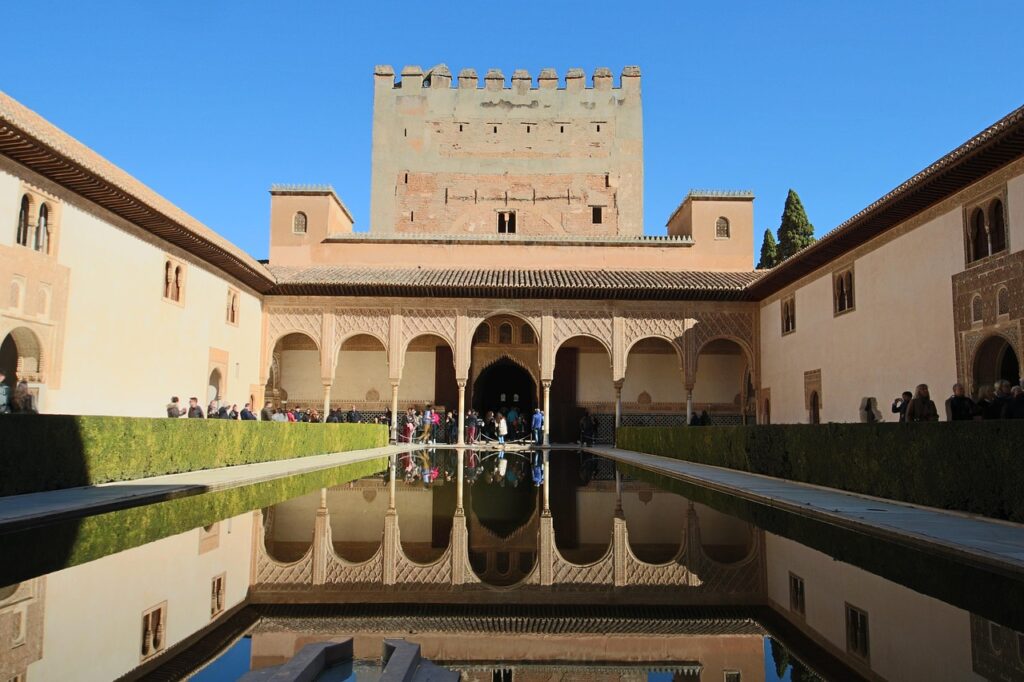
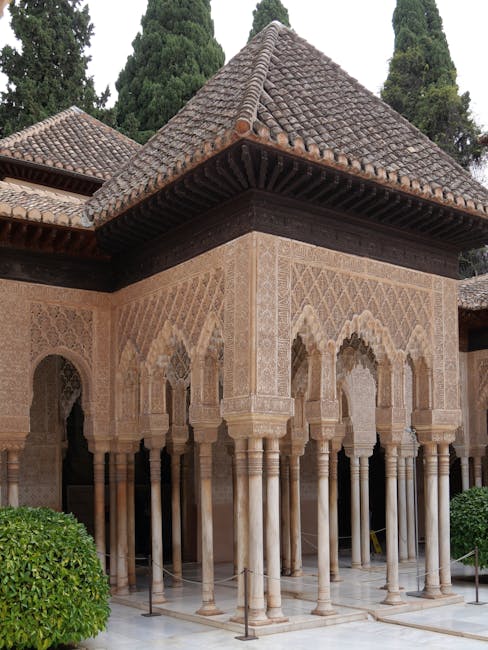
Audio guides sell the promise of historical efficiency: “In 45 minutes, you’ll know the essentials.” But that logic often reduces places to a set of temporal and stylistic labels. Take the emblematic example: the Alhambra (Palacios Nazaríes) — an essential monument, for sure — located at Calle Real de la Alhambra, s/n, 18009 Granada. Audio guides steer you toward the showstoppers: Patio de los Leones, Patio de los Arrayanes, Sala de los Abencerrajes. The result? A human queue in front of works that ask you to stop, to close your mouth, and to let the stone work on you. The audio guide, whispering descriptions as you move, often prevents that contemplative pause.
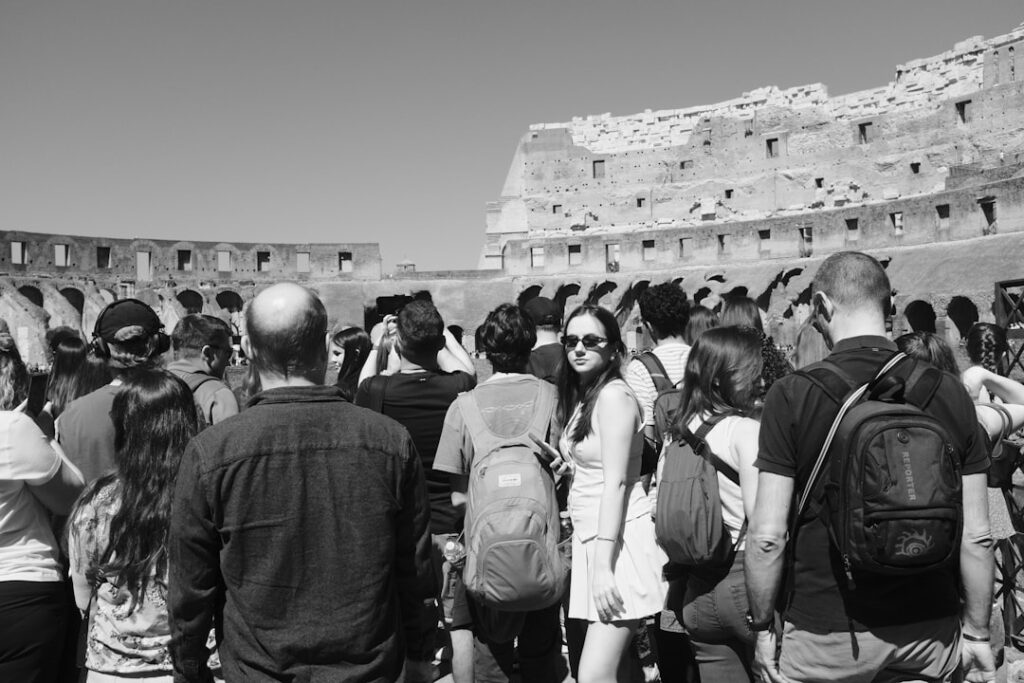
Guided groups have another effect: they grid the space, monopolize viewpoints, and speed up the flow. For those who want to photograph a carved detail or linger for ten minutes in a courtyard, the pressure of the group and the schedule is discouraging. Moreover, the audio guide privileges a linear narrative — chronology, rulers, events — at the expense of less “legitimate” but richer stories: the daily life of artisans, recent urban changes, or how contemporary residents live in the shadow of monuments.
Finally, there’s a sensory question: passively listening to historical information takes little effort but can produce shallow memory. You may know this phenomenon: after a heavily “guided” visit you remember one striking sentence but not the atmosphere, not the feeling of the ground beneath your feet, not the smell of jasmine. Those sensory elements are what turn a traveler into a transformed traveler.
2) Self-guided exploration: how it reveals the real Granada
Self-guided exploration isn’t the same as wandering aimlessly. It requires intent: pick a neighborhood, an angle (light, food, vernacular architecture, music), and commit to active observation. Granada lends itself particularly well to this approach because the city works in spatial and temporal layers. Starting from the Carrera del Darro and climbing to the Albaicín, then crossing toward the Sacromonte, every turn opens a new perspective.
Start early. In the morning the light chisels the stones, cafés open and the city is still murmuring. Combine anchors — a mirador, a tetería, a plaza — to structure your day without rigid schedules. For example, the Mirador de San Nicolás (Plaza Mirador de San Nicolás, 18010 Granada) offers a view that changes by the minute: at dawn the stone is cool, at noon it blazes, at sunset the sky colors the Alhambra. Staying 20, 40 or 60 minutes without an audio guide will let you perceive those nuances.
Self-guided visits also favor improvisation: you step into a tetería because it’s full of locals, you follow a street flamenco musician, you accept an invitation from a resident to taste a specialty. These encounters are less predictable but often more memorable than factual data. They offer a living glimpse of the city — the everyday that coexists with the legend.
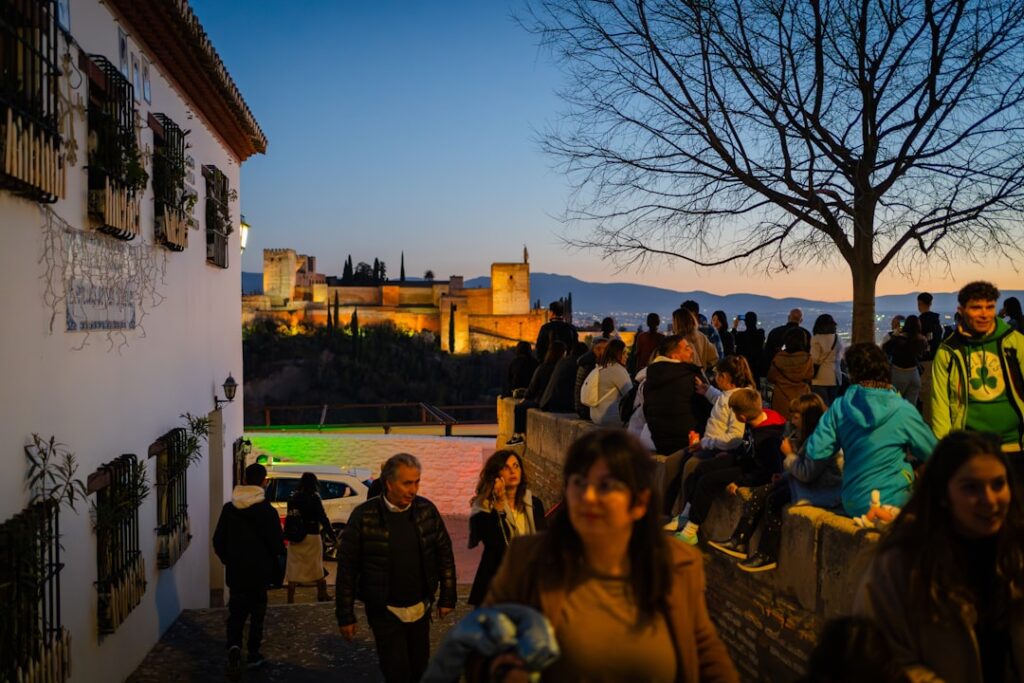
3) Practical, detailed alternative itinerary: Albaicín, Sacromonte and the Darro
Here’s a concrete, day-by-day itinerary designed to replace a surface-level audio-guided visit with a slow, rich immersion. Each step is verifiable and meant to give you clear reference points. You don’t need a guide: take your map, a bottle of water, and comfortable shoes.
Morning — Albaicín and the mirador:
– Start: Plaza Nueva, 18010 Granada. Climb via Cuesta de Gomérez, cross the Paseo de los Tristes (Paseo del Padre Manjón, 18009 Granada) to feel the relationship between the Darro and the houses.
– Coffee break: Tetería Al-Yabal, Calle Calderería Nueva, 15, 18009 Granada — mint tea roughly €3–5. Typical hours: 10:00–23:00 (check locally).
– Mirador: Plaza Mirador de San Nicolás, 18010 Granada. Free. Best times: sunrise or sunset (be mindful of residents at night).
Afternoon — Walk along the Darro:
– Stroll the Carrera del Darro, which runs beside the Río Darro. Admire the bridges and facades, and stop at the Corral del Carbón (Calle Mariana Pineda, 8, 18009 Granada) — a former nasrid alhóndiga and commercial courtyard. Entrance around €3; usual hours: 10:00–18:00 (seasonal variations).
– Lunch: pick a taberna on the Carrera del Darro or head back down to the historic center.
Evening — Sacromonte:
– Head up to the Sacromonte to see the cuevas (cave houses) and Romani life. Recommended museum: Museo Cuevas del Sacromonte, Calle Camarillas, 11, 18010 Granada — approximate price €3.50; hours 10:00–18:00 (check before you go). This small museum contextualizes the neighborhood’s culture.
– Watch a flamenco show in a cueva: cuevas show options vary; a trusted option is Venta El Gallo (Calle Horno de Abad, s/n, Sacromonte) — prices between €20 and €30 depending on the package (entry + drink). Evening shows usually start around 20:30.
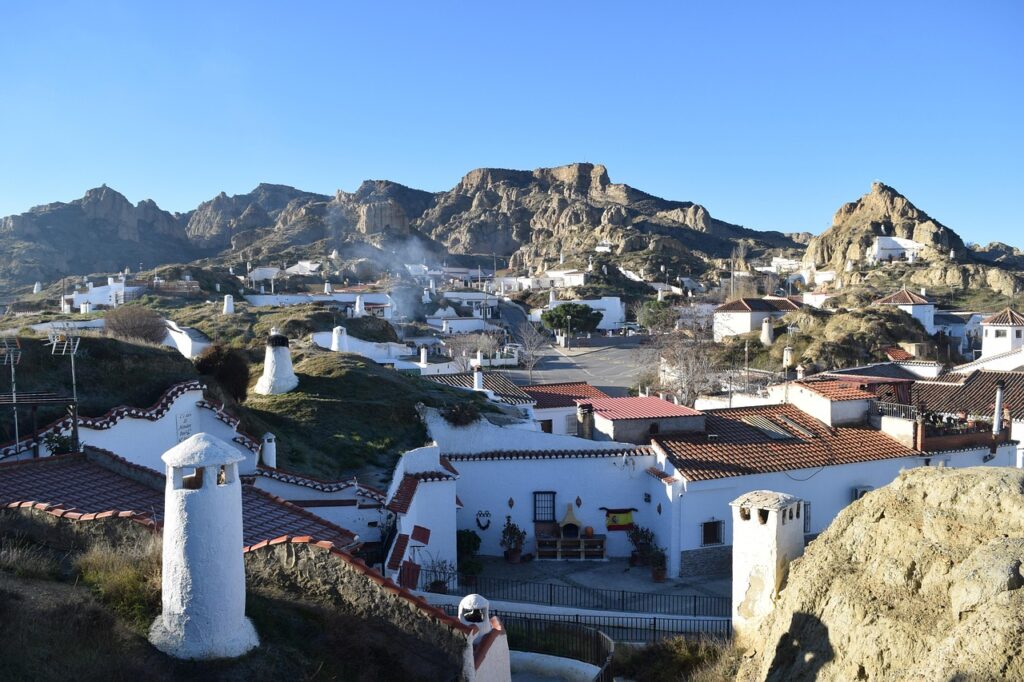
4) Paid and free alternatives that are truly worth it
Some paid experiences in Granada are worth the price because they offer comfort, context or a narrative that self-guided exploration can’t easily reproduce. But beware of unnecessary expenses that replicate mass-tourism logic. Here’s an honest selection with addresses, indicative prices and usual hours.
-
Hammam Al Ándalus Granada, Calle Santa Ana, 12, 18009 Granada — a restorative immersion in restored Arab baths. Price: packages €35–55 (bath + massage depending on duration). Hours: generally 10:00–23:00 (closing times vary). Why it’s useful: after walking the Albaicín and Sacromonte, it’s a sensory reset, ideal for feeling the historical continuity of bathing culture without the crowds at some other sites.

-
Alhambra (Patronato de la Alhambra y Generalife), Calle Real de la Alhambra, s/n, 18009 Granada — tickets: vary by circuit; general daytime monument tickets around €14–18, Generalife + Nasrid Palaces require timed entry (buy in advance at tickets.alhambra-patronato.es). Hours: 08:30–20:00 (high season); shorter hours in low season. Tip: even if you plan to visit the Alhambra, combine it with self-guided detours in the Albaicín before and after to provide context.
-
Corral del Carbón, Calle Mariana Pineda, 8, 18009 Granada — entrance often around €3; hours 10:00–18:00. This small nasrid building is a concise way to understand medieval commerce without the overload of large museums.
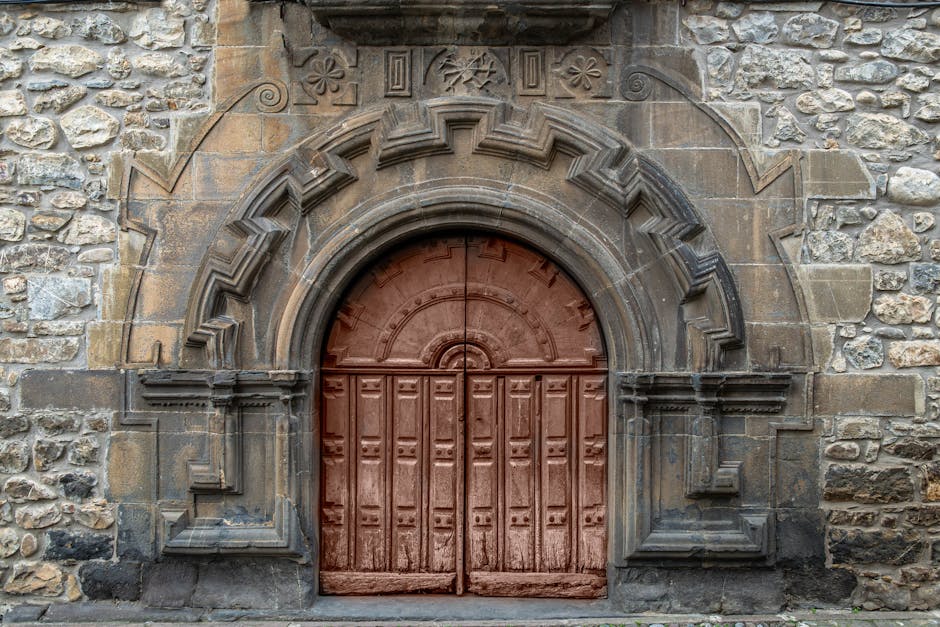
Among the free options, I recommend morning walks (Paseo de los Tristes, Plaza Larga), exploring the Albaicín’s alleys, and taking in the view from Mirador de San Nicolás. These moments are priceless, but they require time — the real luxury.
Practical tips for a successful self-guided visit
- Come early: the light and temperatures are better, and the streets are quieter.
- Avoid Alhambra peak times if you can: book in advance for the Palacios Nazaríes.
- Talk to shopkeepers: a street vendor will often point you to a hidden mirador or a tucked-away tetería.
- Transport: the city is best discovered on foot; bring a map and use buses for the steepest slopes.
- Respect: some miradors and passages are residential — keep noise down and avoid intrusive behavior.
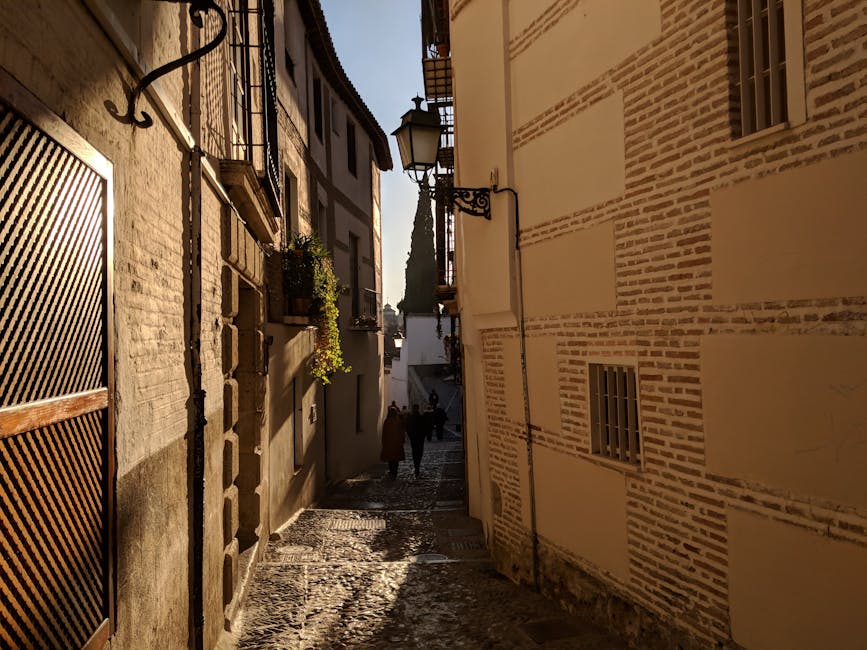
Conclusion: reclaiming your gaze (and your memory)
Choosing a self-guided visit in Granada isn’t an elitist stance; it’s a practical and emotional decision. Rather than accepting a narrative flow imposed by a device, you allow yourself to reorganize your attention: to linger longer in front of a façade, to accept a detour, to share a moment with a resident or a street musician. This approach turns tourist consumption into a living experience.
The aim isn’t to banish guides or audio guides altogether. There are times when expert explanation greatly enriches understanding (for example, a qualified guide in the Palacios Nazaríes). But remember that knowledge is not only information: it’s also sensibility. Granada is read with the eyes, the hands, the breath and the silence. The alternatives I suggest — structured walks, stops in teterías, visits to the Sacromonte cuevas, a bath at Hammam Al Ándalus — are concrete, honest ways to live the city.
Finally, remember that every traveler has their own rhythm. This anti-guide offers a method to slow down, choose and deepen. Bring a notebook, jot down your impressions, and come back perhaps next year: Granada changes with the seasons and with you. Let it surprise you — without a headset in your ears, but with all your senses awake.