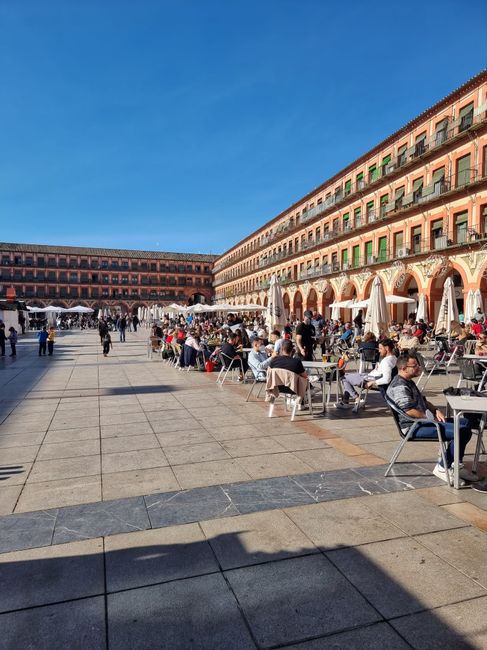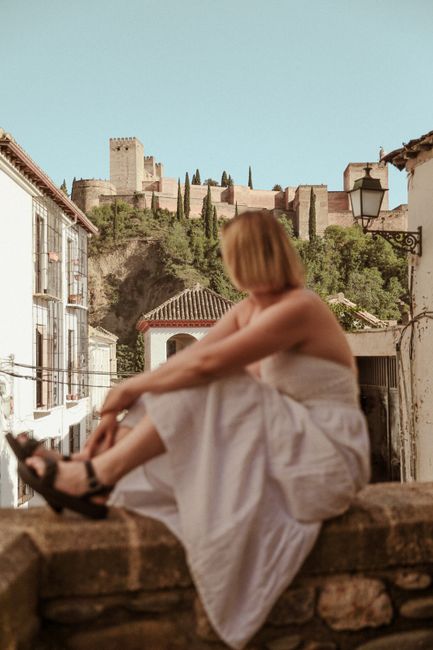






Introduction — Why Granada’s city center deserves your attention when you want to escape the clichés
You’ve probably been sold Granada as a place that boils down to one Alhambra visit, a sunset selfie at the Mirador de San Nicolás and a crowded alleyway in the Albaicín. Those snapshots aren’t entirely wrong — the Alhambra is breathtaking and the mirador serves up memorable sunsets — but they’re a very narrow view. Mass tourism has turned those spots into boxes to be ticked, where the experience is measured in waiting time, entrance fees and the perfect camera angle. If what you’re after is to feel the soul of a city, to overhear locals chatting, to eat well and authentically, and to soak up a genuine atmosphere without queuing, Granada’s centro is a smart, rich and often more satisfying alternative.
The city center is no substitute for the Alhambra: it’s a world in its own right, made of plazas, markets, small churches, neighborhood museums, tapas bars that beat to the rhythm of Granadinos, and pedestrian routes that invite aimless wandering. Choosing the centro means avoiding concentrated tourist flows and gaining local presence — kids playing in the squares, neighbours lining up at the cheesemonger, cobblers repairing shoes with surgical care. Here culture reveals itself in small details: a Renaissance façade, a ceramics shop, a heated discussion outside a café.
This piece is an anti-guide in the most useful sense: it questions received ideas, highlights what’s overrated, and — most importantly — offers concrete alternatives with addresses, opening hours and prices to turn your stay in Granada into a thoughtful, rich experience. I’m not here to bash people who visit the Alhambra or San Nicolás; I just want to give anyone looking for something different a practical roadmap. Expect actionable suggestions: less-crowded museums with meaningful collections, markets where you can buy real Andalusian food, urban walks with equally lovely but quieter viewpoints, and tapas bars where you feel more like a neighbour than a tourist.
In the sections ahead I first explain why the usual tourist clichés often disappoint, then I propose local, concrete, and accessible alternatives. Each recommendation includes exact addresses, prices and opening hours where possible — because good travel advice should be immediately usable. My tone is honest and nuanced: I acknowledge the heritage value of the big sights while explaining why, sometimes, opting for the city center is the smarter choice. Grab your map, comfy shoes and curiosity: the real Granada is read in the sound of footsteps on the cobbles and in the snippets of conversation you catch over a terrace.
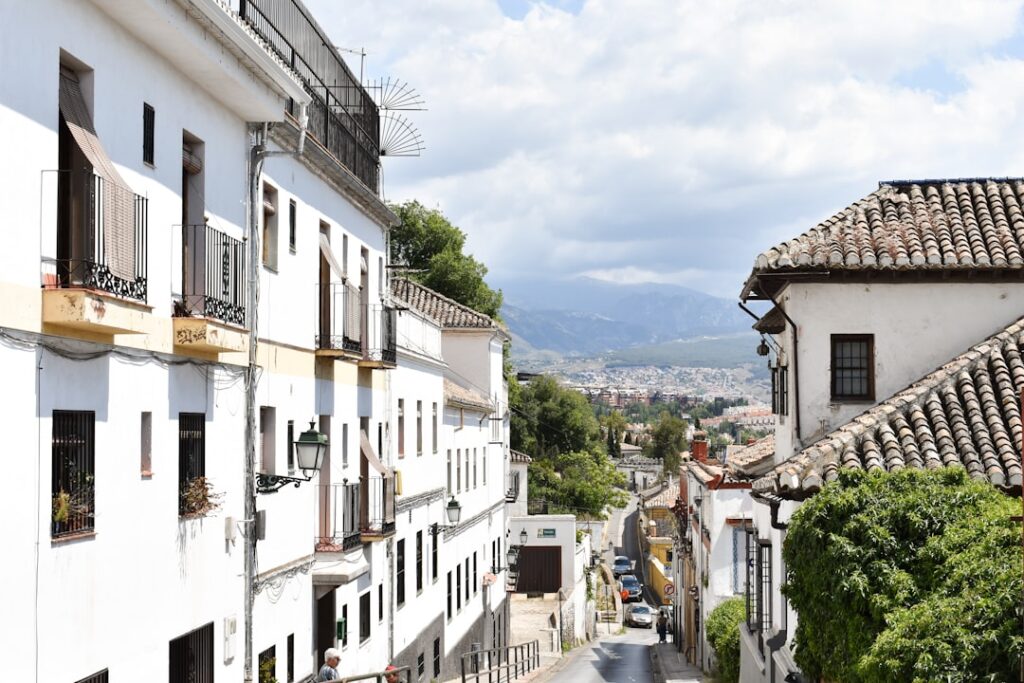
1) Why the tourist clichés (the Alhambra and Mirador de San Nicolás) can be overrated
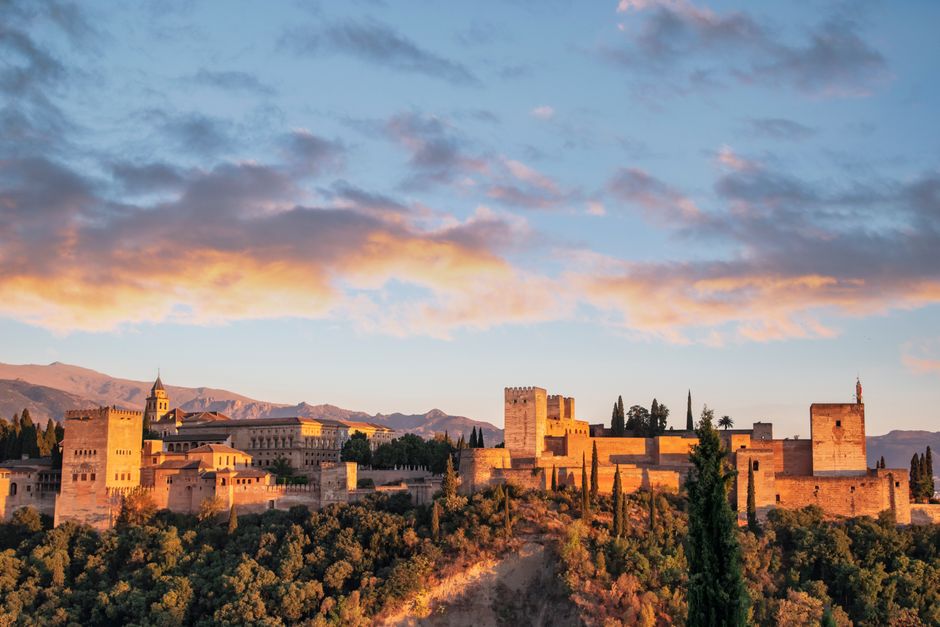
The Alhambra and the Mirador de San Nicolás are indisputable gems. Yet their popularity can sometimes compress the experience into a caricature of itself. The Alhambra, while a UNESCO site and architecturally and scenically magnificent, is now a place where visits have to be planned to the minute: timed tickets, enforced circulation routes, areas where you can linger and others you must pass through quickly. This structure helps preserve the site and manage visitor flow, but it reduces the sense of intimate discovery. The Mirador de San Nicolás is fantastic for sunsets, but it’s often swamped with mass tourism, street vendors and organized groups.
Practical consequences: long lines, rigid schedules, human walls that spoil contemplation and photography. The result can be frustration: you spend more time watching the clock and angling your camera than understanding the site or enjoying its quiet beauty. Those constraints are understandable — they protect heritage and ensure safety — but they do come with a loss of spontaneity. For anyone who wants to feel, to understand, to wander, these sites can disappoint.
Moreover, focusing your visit on these two spots means missing a city that lives around the clock: contemporary museums, markets, neighborhood gastronomy, hidden gardens and a thriving cultural scene. The centro is precisely the antidote to that frustration. It offers a dense urban panorama, with human-scale places where you can take your time. Here you won’t just be a spectator; you’ll be an actor: you buy a slice of tortilla at the market, sip coffee in a century-old café, listen to a local musician improvising in the square.
That’s not to say you should snub the Alhambra. Rather, if your goal is to live Granada instead of « collecting » monuments, the centro is a considered, intelligent choice. It helps you avoid waits and increases the chances of authentic encounters, while still keeping the major sites within reach if you want to visit them another day, at a quieter hour, or on a guided outing. The rest of the article offers concrete alternatives, with names, addresses, prices and opening times, to replace — or complement — those clichés with human and local experiences.
2) Walking through the historic center: quieter routes and lesser-known viewpoints
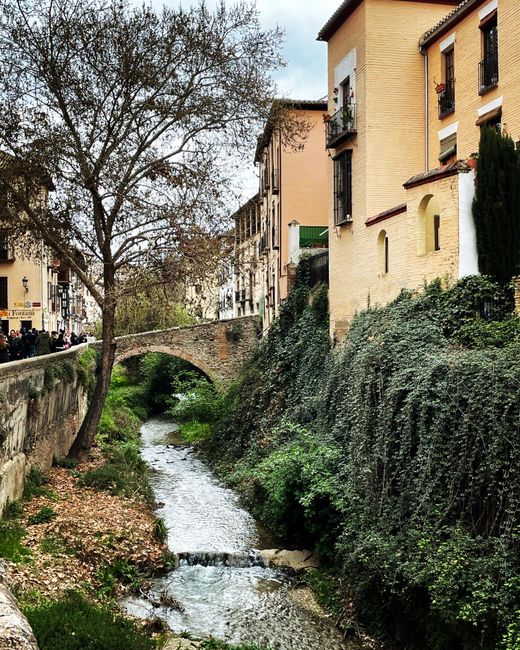
Instead of jostling for a spot at the Mirador de San Nicolás, explore the city center’s viewpoints and walks that offer calm and equally lovely angles. One recommended walk starts at Plaza Nueva (Plaza Nueva, 18009 Granada), the historic heart where traditional cafés still stand. From there, head down to the Carrera del Darro and stroll along the río Darro — it’s less crowded early in the morning or late afternoon — taking in façades that tell the story of the city’s Islamic and Christian layers.
Address and tip: Carrera del Darro (riverside walkway, 18010 Granada). Free, open all day. Best time: 08:00–10:00 or 18:00–20:00 for soft light and fewer people. Local tip: cross Calle Elvira to discover narrow lanes full of artisan shops and small pastry shops.
A lesser-known viewpoint is the Mirador de la Churra (Mirador de la Churra, Paseo de los Tristes area, 18010 Granada). Less famous, it offers views of the slopes of the Alhambra and the river, with a more relaxed atmosphere than San Nicolás. Free and open year-round, it’s especially nice in the evening when the city begins to glow.
For a modern, interactive stroll, visit the Parque de las Ciencias (Avenida de la Ciencia, 2, 18006 Granada). This science museum in the city’s north-central area is a great half-day outing for families or anyone needing a cultural break away from the major monuments. Prices: around €8.50 for adults, €6.50 for concessions (subject to change). Hours: typically 10:00–19:00 in high season (check the official site).
Practical walking tips: wear comfortable shoes — the cobbles are everywhere — carry a water bottle (small shops will refill it), and try to schedule major attractions for early morning if possible. By exploring these viewpoints and walks you’ll experience a less staged, more lived-in Granada that often looks lovelier precisely because it isn’t put on display.
3) Eat and drink: tapas and markets in the centro that beat tourist restaurants
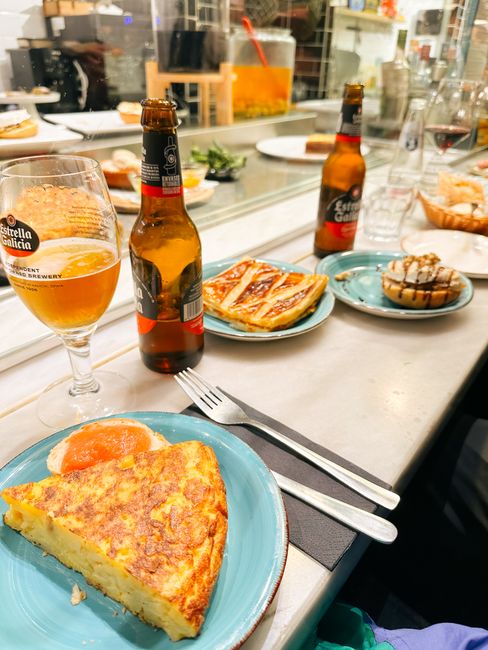
Granada’s food scene is lived on the street and in the markets. Rather than cramming into a tourist restaurant that charges for the view, get among the locals. Calle Navas (Calle Navas, 18009 Granada) is a lively stretch in the center with a run of popular, less-touristy tapas bars. Go early in the evening (around 20:00–21:30) for better seating. Two places to know:
- Bodegas Castañeda — Calle Almireceros, 1-3, 18010 Granada. Traditional, convivial atmosphere. Prices: tapas €2.50–4.00; vermouth or local wine €2.50–4.00. Hours: roughly 10:30–23:30 (closing times vary on Sunday). Great spot to start a tapas crawl.
- Bar Los Diamantes — Calle Navas, 28, 18009 Granada. Specializes in fried seafood and large portions for sharing. Prices: tapas €3.00–5.00. Hours: 13:00–00:30 (often open late). Very busy but well worth it.
For an authentic market experience, visit Mercado de San Agustín (Plaza de San Agustín, s/n, 18009 Granada). This covered market offers stalls selling fruit, vegetables, fish and charcuterie — perfect for assembling a picnic or buying local products. Hours: generally 09:00–14:00 and 17:00–20:00 depending on the day; sometimes closed Sunday morning. Prices vary with what you buy, but expect good-quality local produce at local prices (fruit €1–3/kg depending on season, cured meats €12–18/kg).
One culinary ritual not to miss is Granada’s often-generous free tapa policy — order a drink in many central bars and you’ll get a tapa on the house. Tip: look for places where the tapa is homemade and changes regularly. Venture into the small streets off Gran Vía de Colón and around Plaza Nueva to find taverns frequented by locals, which usually serve better portions and higher quality than tourist-focused spots.
4) Neighborhood museums and cultural spots: the thoughtful alternative to crowded attractions
If you want cultural content without the crowds, the centro is full of high-quality, often under-visited museums that reward exploration. Here are three concrete suggestions:
- Centro José Guerrero — Calle Recogidas, 47, 18002 Granada. A contemporary art center dedicated to painter José Guerrero and rotating exhibitions. Entry: often free or a nominal fee (check the site). Hours: typically 10:00–14:00 and 17:00–20:00, closed Monday (hours vary by season).
- Capilla Real (Royal Chapel) — Calle Oficios, s/n, 18001 Granada. Burial place of the Catholic Monarchs, usually less crowded than the Alhambra but historically significant. Price: around €5 for adults (indicative), hours: 10:00–18:00 (variable). Tip: buy a combined ticket with the Cathedral to save time.
- Corral del Carbón — Calle Mariana Pineda, 10, 18001 Granada. A former Nasrid caravanserai, today a cultural space and venue for concerts and exhibitions. Entrance: usually free to wander the courtyard; events may be ticketed. Hours: open for self-guided visits during the day (check the schedule for evening events).
These places give you a more nuanced understanding of Granada’s history and contemporary creativity and require less effort to enjoy fully. It’s worth it: less waiting, more time to read labels, and often a more direct interaction with museum staff. For a quiet morning off the tourist trail, pair Centro José Guerrero (morning) with a tapas lunch on Calle Navas, then visit the Capilla Real in the afternoon.
Don’t forget neighborhood cultural initiatives too: small galleries, independent bookshops and intimate venues like Teatro Isabel la Católica (Calle Reyes Católicos, 17, 18001 Granada), which offers local programming more intimate than the big stages. Check the schedule and book tickets online: prices vary by event, but you can often find quality shows for €8–20.
Conclusion — Choosing the centro is a thoughtful, rewarding travel choice
If you’re still wondering whether Granada’s city center is a “smart choice,” the answer is yes — for anyone who wants to escape the superficiality of mass tourism and prioritize lived richness. Choosing the centro doesn’t mean giving up famous monuments; it means spreading your attention differently: a lesser-known museum in the morning, a lively market for lunch, a riverside stroll in the afternoon and a local tapas bar at night. This way of traveling brings encounters, flavours and stories that clichés usually leave out.
In practice, it means planning a little differently: use timed tickets for the Alhambra if you want to visit it, but reserve several mornings and evenings for the historic center. Use the addresses and hours listed in this article: Bodegas Castañeda (Calle Almireceros, 1-3), Bar Los Diamantes (Calle Navas, 28), Centro José Guerrero (Calle Recogidas, 47), Parque de las Ciencias (Avenida de la Ciencia, 2), Capilla Real (Calle Oficios, s/n) and Mercado de San Agustín (Plaza de San Agustín). These spots are concrete, ready-to-use alternatives with prices and time windows to help you organize your days without stress.
Finally, my best piece of advice: slow down. Granada’s true reward isn’t a checklist of monuments but the sum of small moments — a passing conversation with a fruit vendor, a generous tapa, the golden light on an unknown façade. The centro gives you those moments. Bring a good pair of shoes, keep your curiosity intact and be willing to share a drink with people from the area. You’ll come back not necessarily with one spectacular photo, but with a feeling of temporary belonging and a real knowledge of the city.
Have a great trip, and above all: happy wandering.