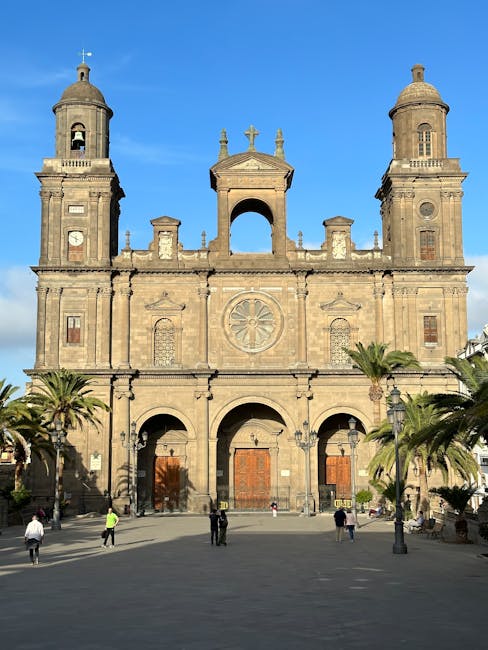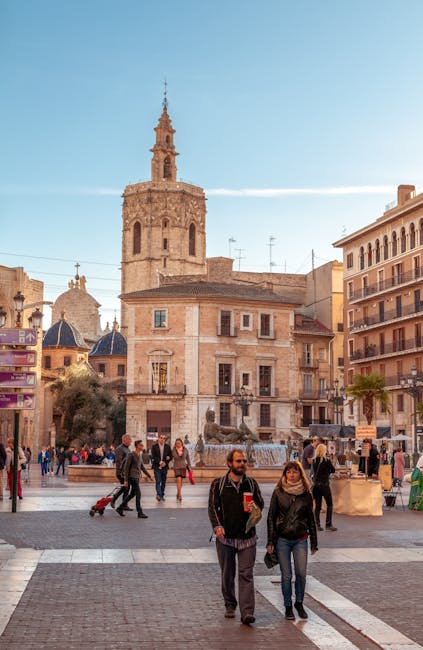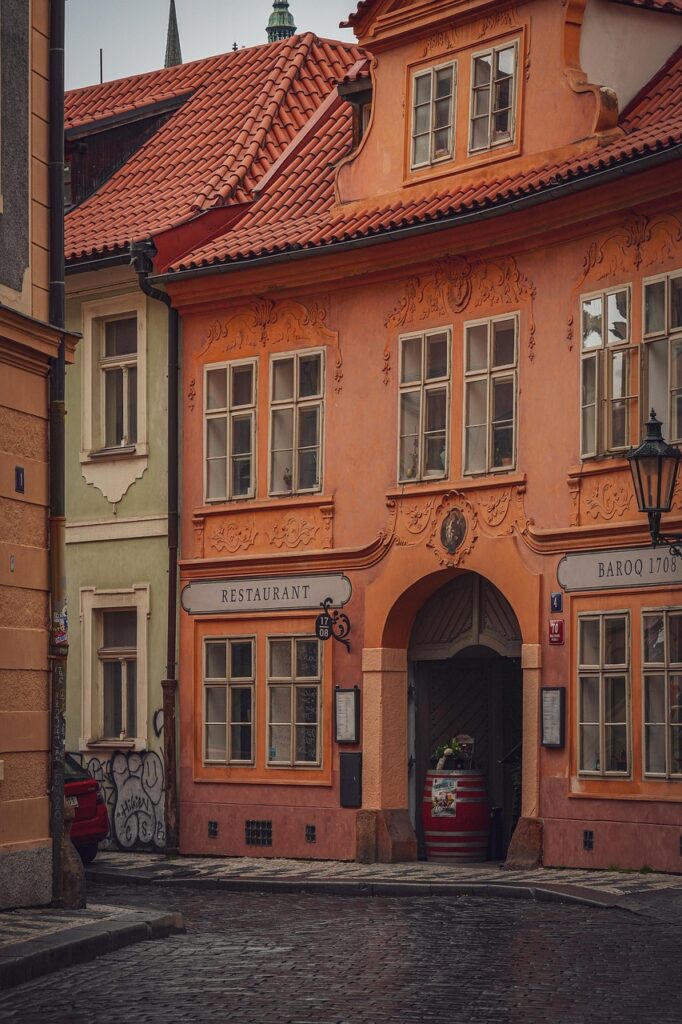





Introduction — Why this guide to avoid theft and scams in Granada
Granada, an Andalusian gem tucked beneath the Sierra Nevada, draws millions of visitors every year with highlights like the Alhambra, the Albaicín neighborhood and the Mirador de San Nicolás. Yet, like any top tourist destination, it has spots where you need to stay alert. This guide gives you ten clear, locally-tested rules you can start using right away to greatly reduce the risk of theft, scams or awkward incidents during your stay.
The tips here come from tried-and-true local practices, traveler and resident feedback, and practical information: exact addresses, opening hours for key sites, typical price ranges in euros and immersive descriptions of risky situations. The aim isn’t to scare you, but to make you confident and independent: you’ll enjoy the whitewashed streets of the Albaicín, the patios of the Realejo and tapas nights on Calle Navas much more if you know how to limit opportunities for pickpockets and common scams.
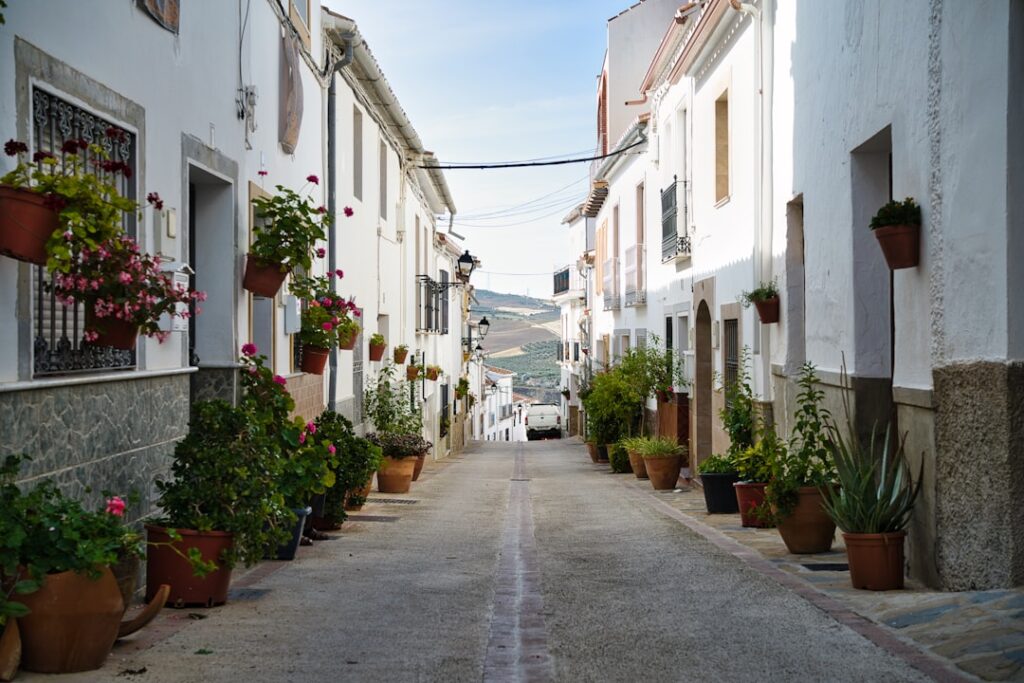
This guide contains simple rules — carry copies of your documents, avoid distractions in markets, negotiate taxis, use safe ATMs — plus practical recommendations for each situation. I also include concrete places to go if something goes wrong: the Policía Nacional station, Plaza del Carmen for official taxis, or the Estación de Autobuses de Granada (Avenida de Constitución, s/n, 18014 Granada) if you need to organize a quick departure. To help you recognize key locations, visual markers 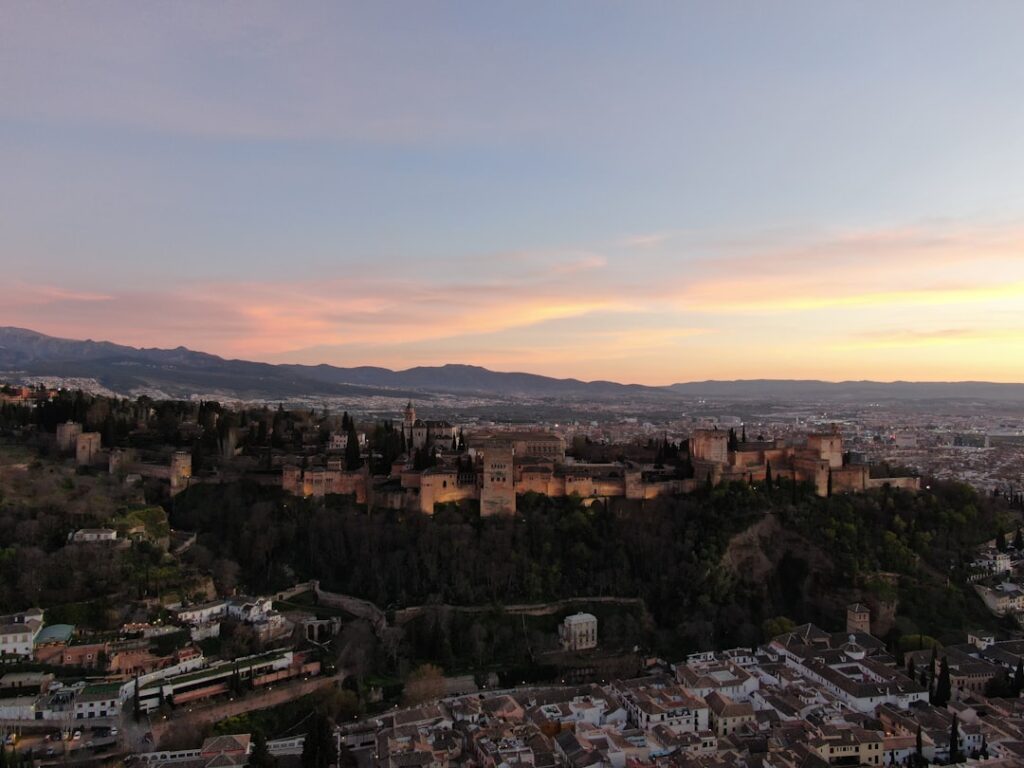 are placed at the most photogenic spots.
Finally, this guide lists price ranges in euros — for example, a skip-the-line ticket for the Alhambra is usually around €14 to €18 for daytime visits (Calle Real de la Alhambra, s/n, 18009 Granada) — and gives typical opening times to help you plan. It’s a general, professional resource meant for every kind of traveler: hikers, families, couples or solo explorers. Read it before you go, keep it handy (or saved on your phone) and you’ll quickly see that Granada is a welcoming, safe city.
1. Always keep your documents with you and carry separate copies
The first rule is essential: never leave important documents (passport, ID card, driver’s license) in hold luggage, especially if you hop between hostels or budget hotels. Keep your original passport in a secure place — ideally the hotel safe when available — and carry a paper copy or digital photo on you. In Granada, also keep a card with your hotel’s full address (name, street, postal code) handy: for example, Hotel NH Collection Granada Victoria, Plaza Regina, 18001 Granada — a printed note makes communication with taxis or police much easier.
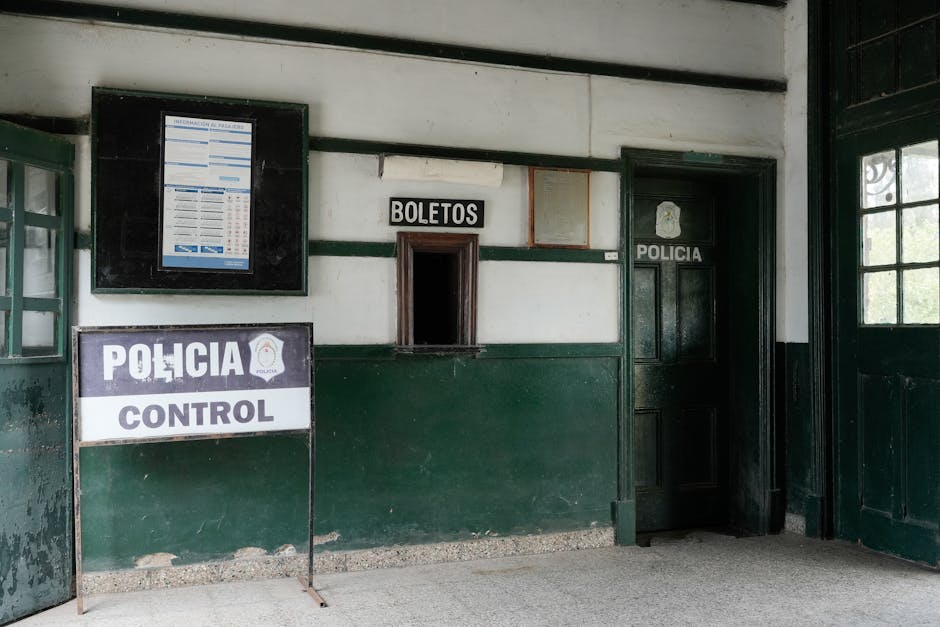
If something is stolen, the process is faster if you have copies: file a report at the Policía Nacional station (Comisaría Provincial de Granada, Calle Gran Vía de Colón, 55, 18001 Granada, Phone +34 958 42 92 00) and show your copies. Ask for an official receipt (denuncia) for insurance purposes. A practical tip: split your payment methods. Don’t keep all your bank cards and cash in the same place. For example, keep one card and €50–€100 in cash in a small money pouch hidden under your clothes (inner pocket), and another card in your main bag.
Useful hours: the station usually serves the public between 09:00 and 14:00, but in an emergency you can reach Policía Nacional on 091 (national number) and general emergencies on 112. Also, save emergency numbers and your embassy or consulate contact details, and keep a photocopy of your plane tickets and hotel reservations (price and arrival times: e.g. Iberia flight IBxxx, expected arrival 14:30).
2. Watch out for pickpockets in tourist areas and markets
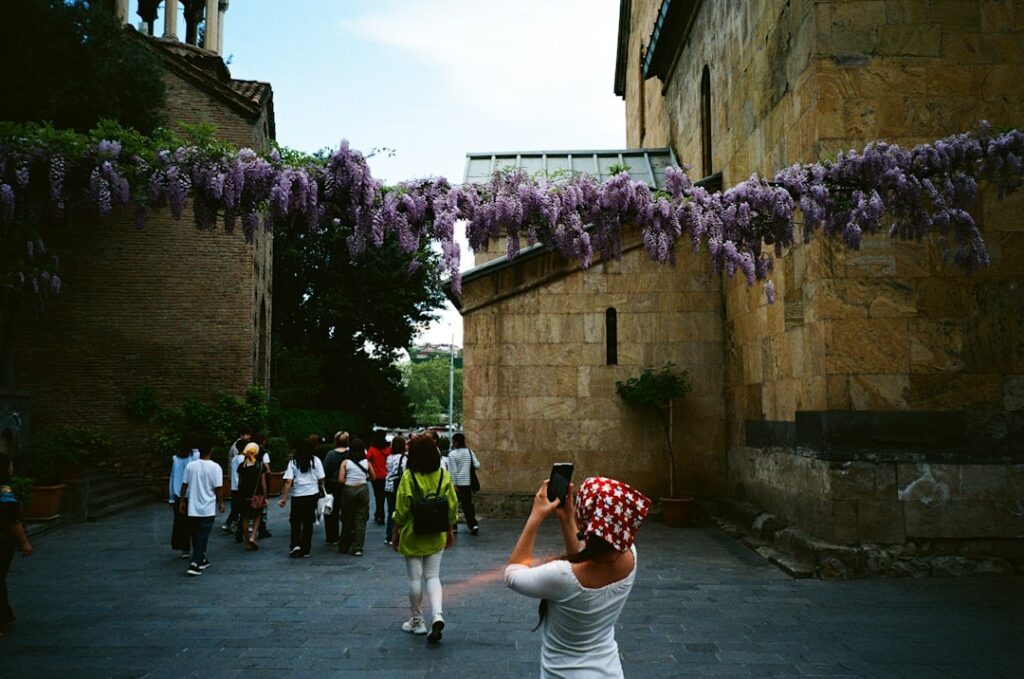
The busiest neighborhoods — the Albaicín (Calle Calderería Nueva, 18010), Calle Elvira, Calle Navas (for tapas) and Plaza Nueva — naturally attract pickpockets. They often work in teams and use distraction techniques: someone bumps into you, a person or a dog approaches, then a quick grab of a smartphone or wallet. A simple rule: keep valuables in zipped pockets and in front of you, not in a bag worn on your back.
Practical tips: use a zippered bag with an internal clip to attach your wallet; wear an anti-theft bag or a security undergarment. Avoid using your phone while walking the narrow streets around the Mirador de San Nicolás (Callejón de San Cecilio) or while standing in long lines outside the Alhambra (Calle Real de la Alhambra, s/n). When taking photos, keep a firm grip on your device, especially at viewpoints like Mirador de San Nicolás (Plaza de San Nicolás, 2, 18010 Granada), which gets very busy at sunset.
Costs and examples: a stolen phone can cost anywhere from €200 to €1,000 depending on the model. It’s better to invest in a secure case (around €15–€40) or buy a local anti-theft bag. If an incident happens, go to the Policía Local (Plaza del Carmen, 6, 18001 Granada) to file a report; they can point you to services for blocking cards or getting temporary documents. Also, avoid keeping transit or metro cards visible in an outer pocket: a single bus ride on EMTG (Empresa Municipal de Transportes de Granada) costs €1.40.
3. Pay for and book taxis safely — addresses and typical fares
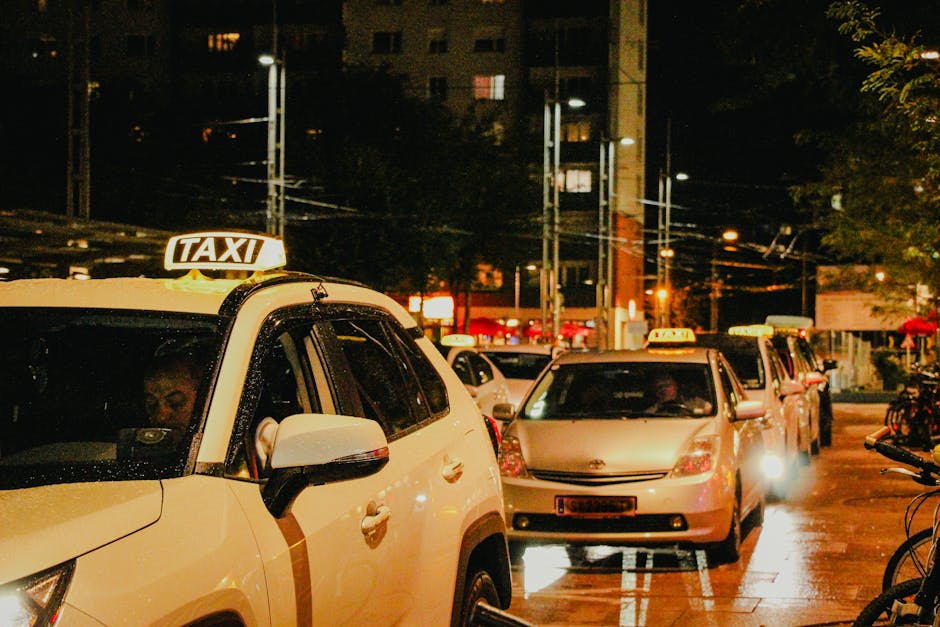
Taxis are convenient in Granada, but a few rules help you avoid overcharging or detours. For official taxis, look for official ranks: Radio Taxi Granada, Plaza del Carmen, 18001 Granada or the rank near the Cathedral (Calle Gran Vía de Colón, 5). Official vehicles display a rooftop light reading « TAXI » and have a visible license plate. Typical fares: minimum fare roughly €2.50–€3.00, then €1.10–€1.40 per kilometer depending on the time. A ride from the city center to Federico García Lorca Airport (Aeropuerto Federico García Lorca Granada-Jaén, Carretera de la Sierra, s/n, 18038 Granada) usually costs €20–€30.
Tips to avoid scams: ask the driver to start the meter (« marcar el taxímetro ») at the beginning. If the driver refuses, get out and take another taxi. Prefer booking by phone or an official app (Radio Taxi Granada +34 958 24 54 54) rather than jumping into an unmarked car. Keep small change to pay and ask for a receipt with the trip number if there’s a problem. Late at night, between 23:00 and 05:00, surcharges may apply: expect an extra €1–€2.
For longer transfers (for example to the Sierra Nevada), compare taxi prices with bus services from the Estación de Autobuses de Granada (Avenida de Constitución, s/n, 18014 Granada). Shuttle buses to the ski resort cost around €5–€10 depending on the season and operator.
4. Avoid common scams: fake donations, bracelets and petition tricks
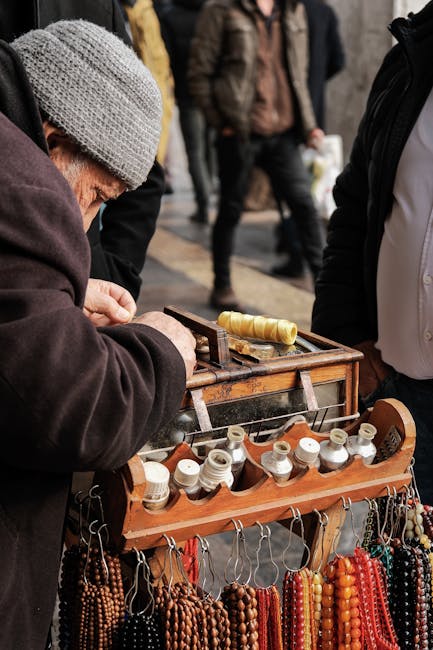
In Granada, as in many tourist cities, some scams rely on emotional solicitation. You may be asked to sign a petition, wear a « free » bracelet or give money for supposed charities. Watch out especially in touristy spots like Calle Elvira (18010) and Plaza Bib-Rambla (Plaza Bib-Rambla, 18001 Granada), where these tactics are common.
Simple rules: don’t sign anything unless the purpose is clearly explained; politely refuse any bracelet or « free » gift — you are often pressured to pay a large amount to remove it afterward. If someone persists, walk away and find a police officer. Official donations go through identifiable organizations with paperwork; if you want to give, ask for a card and check the association online later.
Costs and examples: an aggressive seller may demand up to €20–€50 for a supposedly « free » bracelet, creating an unnecessary confrontation. Instead, buy souvenirs and handicrafts from established shops: Calle Calderería Nueva (18010) has rug and spice shops with items priced between €5 and €80 depending on quality. Remember: a genuine volunteer respects your « no » and never becomes aggressive.
5. Use secure ATMs and protect your cards
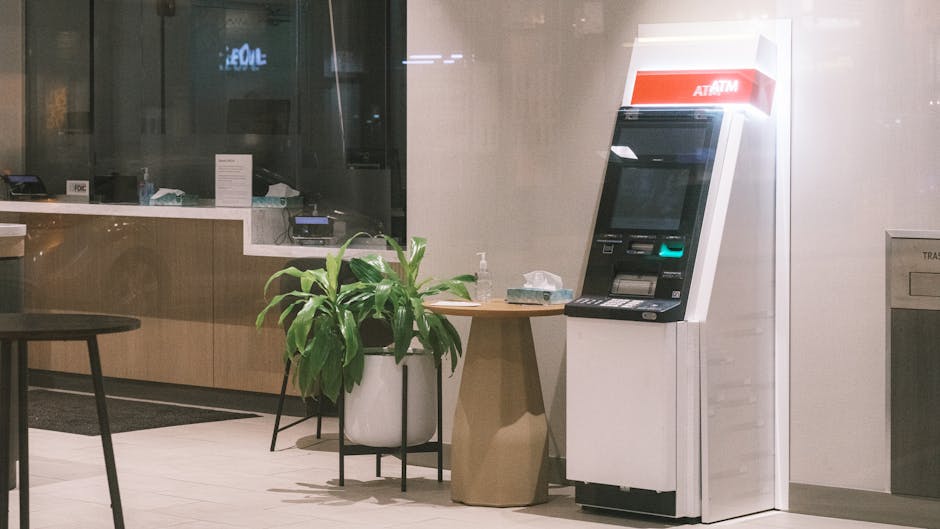
Card data theft by skimming at ATMs is rare in Granada but it happens. Prefer ATMs located inside banks (Banco Santander, Calle Reyes Católicos, 15, 18001 Granada; CaixaBank, Gran Vía de Colón, 2, 18001 Granada) rather than standalone machines on isolated streets. Indoor ATMs are usually available during bank hours (generally 09:00–14:30 and sometimes 16:30–18:00) and offer extra security.
Practical tips: inspect the card slot and keypad for loose parts or suspicious devices. Cover the keypad when entering your PIN. Don’t look away from the ATM immediately after initiating a transaction: wait until the receipt and cash are dispensed. Limit withdrawal amounts to reduce potential loss; many ATMs offer withdrawals of €20, €40, €60 or €100.
If in doubt, report the machine to the bank or use alternatives: official exchange offices (for example ExactChange, Calle Recogidas, 3, 18002 Granada) or card payments in shops. Note that airport withdrawals may carry higher fees: prefer withdrawing in the city center to limit bank commissions. Also, inform your bank of your travel dates to avoid card blocks due to unusual activity.
6. Watch your drinks and distractions in bars and tapas spots
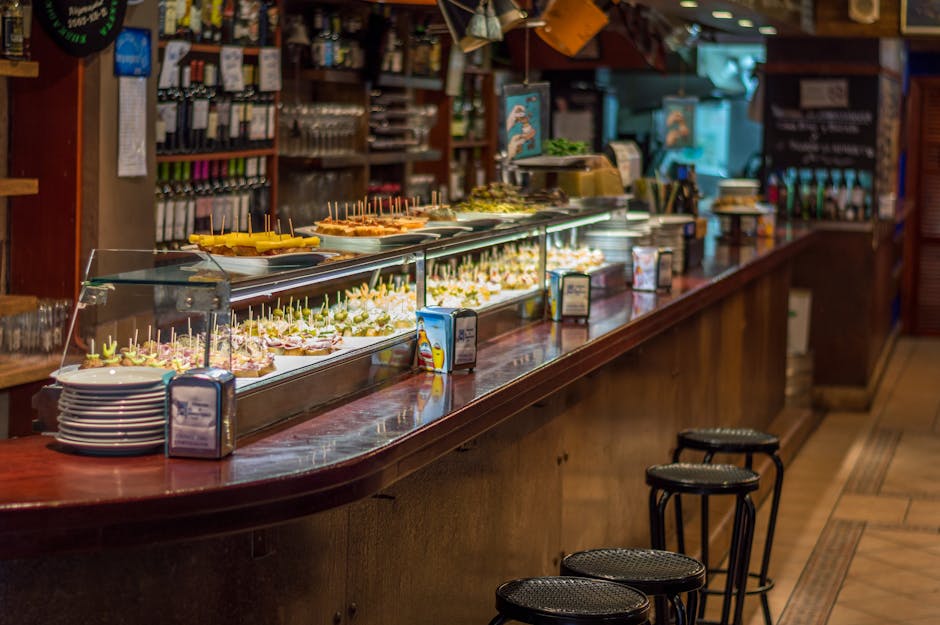
Granada’s nightlife is among the liveliest in Spain: free tapas along streets like Calle Navas (Calle Navas, 5–11, 18009 Granada), packed bars and busy terraces. In this context, stay vigilant: never leave your glass unattended and avoid accepting drinks from strangers. Incidents with « forgotten » or swapped drinks are rare but do happen; if your drink changes taste or color, throw it away.
Other tips: pay at the bar when possible and avoid leaving your bag on a chair or behind you. For a safer dinner, choose well-rated places like Bodegas Castañeda, Calle Almireceros, 1–3, 18010 Granada (typical hours 12:00–00:00, tapas and bottles €3–€20) where space is organized and service is reliable. Restaurants and bars often display prices at the entrance; if not, ask before ordering to avoid surprises on the bill.
Finally, at night use official taxis to get home (see rule 3) or walk in groups. The center’s alleys can be poorly lit after midnight; stick to main streets like Gran Vía de Colón to return to your hotel safely.
7. Plan your Alhambra visit to avoid queues and resale scams
The Alhambra is Granada’s most visited site: management is strict, but ticket resales at inflated prices exist, mainly from unofficial operators. Address: Alhambra, Calle Real de la Alhambra, s/n, 18009 Granada. Typical hours (seasonal): daytime visits usually start at 08:30 and end around 18:00; night visits fall between 22:00 and 23:30 depending on the period.
Always book tickets on the official site (Patronato de la Alhambra y Generalife) or through reputable agencies. Indicative prices: general adult ticket around €14–€16, reduced rates for youth and seniors. On-site resellers may charge double or triple. If you missed the official booking, wait at the official box office (Puerta del Palacio) rather than buying from street resellers. ID checks are common: carry an identity document with you.
Logistics tip: arrive 30–45 minutes before your scheduled entry time, especially in high season (May–Sept). Follow marked routes to avoid private areas; unauthorized guides may offer an « express » tour at inflated prices (from €40 to €80) — choose a certified guide recognized by the tourist office. For exceptional views of the Alhambra, go to the Mirador de San Nicolás (Plaza de San Nicolás, 2, 18010 Granada) at sunset, but keep your belongings in front of you since crowds attract petty thieves.

8. Choose your accommodation carefully and check reviews
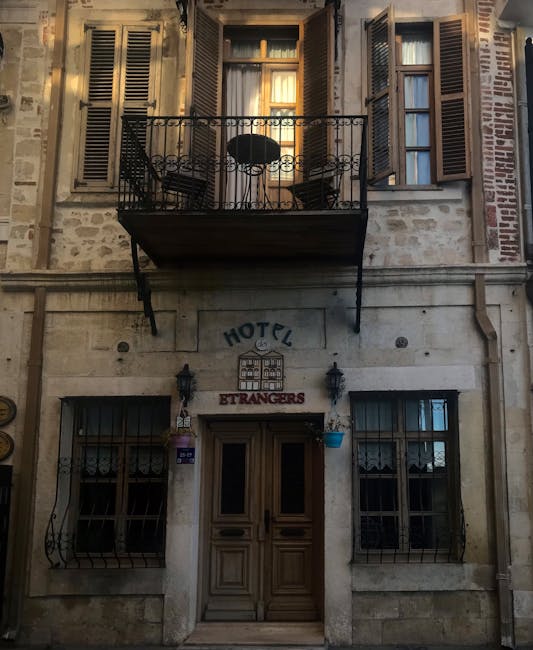
Security starts with choosing the right place to stay. Look for hotels and apartments in neighborhoods known for being quiet: Realejo (Calle San Matías, 18010) has calm streets close to the center, or the historic center near the Cathedral (Catedral de Granada, Calle Gran Vía de Colón, 5, 18001 Granada). Check for an in-room safe and a 24-hour reception if you’ll be arriving late (late check-in fees may apply).
Price examples: a standard double at Hospes Palacio de los Patos (Calle de Don Juan de Austria, 15, 18002 Granada) runs about €90–€170 depending on season; hostels in the Albaicín start at €20–€40 per night. Read recent reviews carefully: report any repeated mentions of thefts in rooms or poorly secured doors. For Airbnb rentals, verify the host’s identity and favor « Superhost » listings with many confirmed reviews.
Also, note the exact address and keep it on paper. If you need a late-night taxi, give precise details: hotel name, street and postal code. Local hoteliers are often a great source of advice about areas to avoid at night and the best walking routes.
9. Protect your purchases and avoid pricing scams in markets
Markets and tourist shops are perfect for souvenirs, but you need to know how to negotiate and verify authenticity. The covered market Mercado San Agustín (Calle San Antón, 20, 18005 Granada) and the shops on Calle Calderería Nueva sell spices, rugs and crafts. Always ask the price before buying and check several shops to establish a price range. Items labeled as « silver » or « blown glass » may not be genuine; ask for a receipt.
Practical tips: pay by card when possible and keep your receipt. For big purchases (rugs, jewelry), demand a certificate of authenticity and an invoice. Typical prices: small handmade rugs €20–€80, handcrafted silver jewelry €30–€200 depending on the piece. For food products (oils, spices), favor shops with proper labeling and expiration dates to avoid spoiled goods.
Finally, when transporting souvenirs, use lockable suitcases and avoid leaving bags visible in your vehicle. If an offer seems too good to be true, decline: many scams prey on the excitement of a hurried traveler.
10. Useful numbers, travel insurance and what to do if something happens
Knowing who to contact is essential. Emergency numbers: 112 (emergencies), 091 (Policía Nacional), 092 (Policía Local). For the bus station: Estación de Autobuses de Granada, Avenida de Constitución, s/n, 18014 Granada, phone +34 958 22 28 33. If you’re a victim of theft or assault, go to the main police station (Comisaría Provincial de Granada, Calle Gran Vía de Colón, 55, 18001 Granada) to file a report — ask for a signed copy (denuncia) for your insurance claim.
Travel insurance: get coverage that includes theft of personal belongings and trip cancellation. Check reimbursement limits (e.g. €500–€2,000) and the claims process. Carry a list of bank customer service numbers and block a card immediately if it’s lost. Local banks (Banco Santander, CaixaBank) have branches open during weekdays; many close between 14:00–16:30, so check with your bank for emergencies.
What to do if an incident occurs: stay calm, move away from the aggressor if possible, note details (clothing, vehicle registration), contact the police and request consular assistance if needed. Locals and shopkeepers are often willing to help: ask your hotel reception or a trusted bar or restaurant staff member if they can witness the incident or call the police for you.
Conclusion — Travel in Granada with peace of mind: vigilance and common sense
Granada is a city full of heritage, color and flavor. These ten rules are practical tools to help make your trip calm and memorable. They cover the most common situations: pickpockets in tourist areas (Albaicín, Plaza Nueva), ticket resale scams for the Alhambra, aggressive solicitations around key viewpoints, ATM risks, and smart practices for taking a taxi or securing your documents. Knowing useful addresses — such as Comisaría Provincial de Granada (Calle Gran Vía de Colón, 55), the Estación de Autobuses (Avenida de Constitución, s/n) and official taxi ranks (Plaza del Carmen) — will save you time if a problem arises.
The golden rule is common sense: split your payment methods, keep document copies, avoid flaunting valuables in public, choose official shops for major purchases, use bank ATMs and always ask for a receipt. Don’t forget the human side: most people in Granada are welcoming and ready to help; if in doubt, ask your hotel reception, a trusted shopkeeper or the local police. A calm, informed attitude greatly reduces risk and lets you fully enjoy flamenco nights, the Albaicín’s white alleys and the flower-filled patios of the Realejo.
To finish, a few practical reminders: note emergency numbers (112, 091, 092), inform your bank of your travel dates, and keep a list of key addresses (Alhambra — Calle Real de la Alhambra, s/n, 18009; Cathedral of Granada — Calle Gran Vía de Colón, 5, 18001; Mercado San Agustín — Calle San Antón, 20, 18005). With these rules and your curiosity, Granada will reward you with a rich and safe experience. Have a great trip and disfruta Granada!