





Introduction — Why this 2-day itinerary for Granada’s Muslim history
Granada is one of the most remarkable centers of Islamic civilization in Spain. The city concentrates a unique collection of monuments, neighborhoods and atmospheres that tell more than 700 years of Muslim history: from the Nasrid palaces of the Alhambra to medieval baths, through the winding streets of the Albaicín and Muslim-influenced features preserved in civic buildings. This practical two-day guide is designed to show you, step by step, Muslim Granada with immediately actionable information: exact addresses, prices in euros, opening hours, checklists, walking routes, ticket tips, where to eat and what to see at the best time of day.
Goal: help you optimize your time and avoid queues while soaking up the historic atmosphere. This guide is for travelers who want to experience Granada on the ground: wake early to enter the Nasrid Palaces when the light is at its best, stroll Albaicín viewpoints at sunset, visit a traditional hammam and discover quieter corners. The information is practical and ordered into clear steps to follow. Each step includes exact addresses, entrance fees (in euros), typical hours (with notes when booking is required), and local tips (parking, combined tickets, suggested visit duration).
Important: prices and opening hours can change with the season. The prices below were accurate when this guide was written and reflect typical rates; remember to book online for attractions that require it (Alhambra). The places selected here trace the main strands of the Muslim presence: royal and religious power (Alhambra and Generalife), urban life and daily routines (Albaicín, Corral del Carbón), public infrastructure (baños — Arab baths), and urban memory (museums and alleyways). Bring comfortable shoes — steep streets and cobbles are the norm — and a water bottle.
In short: two very concrete, timed days with food recommendations, photo stops (miradores), and artisan shop suggestions. At the end of the guide you’ll find printable checklists to leave with peace of mind (tickets, times, bags, camera). All addresses are complete so you can drop them straight into your map app and follow the route without improvising.
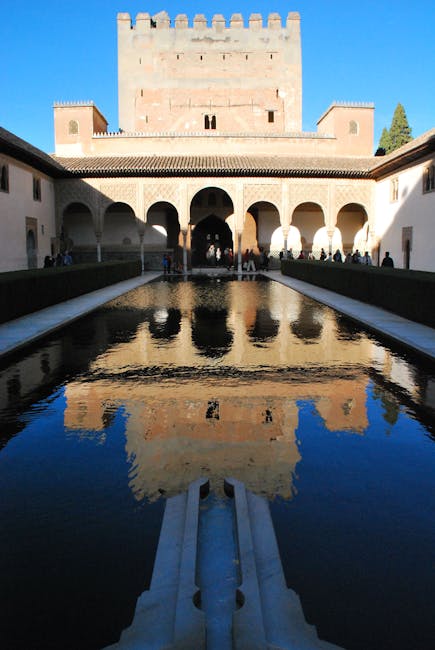
1. Day 1 — The heart of Nasrid power: Alhambra, Generalife and the Albaicín (detailed route)
Day objective: visit the Alhambra and Generalife at dawn, then descend into the Albaicín to understand Islamic urbanism, finishing at the Mirador de San Nicolás for sunset. Recommended timing: start early (7:30–8:00) to enjoy the gardens and avoid the busiest hours at the Nasrid Palaces.
Step-by-step (morning) — Alhambra and the Nasrid Palaces
- Book tickets BEFORE you go: Official Alhambra tickets (Patronato de la Alhambra y el Generalife). Online purchase: https://www.alhambra-patronato.es. Indicative prices: General Alhambra entry (Palacios Nazaries included) around €14.00–€16.00 depending on the day; reduced rates for youth/students and some free entries under conditions. Booking fees may apply. Reserve 2–4 weeks in advance during high season.
- Meeting point: Calle Real de la Alhambra, s/n, 18009 Granada. Park or be dropped off at Avenida de la Constitución then take a taxi if you have luggage (taxi recommended if you’re on a tight schedule).
- Opening hours: The Alhambra generally opens between 8:30 and 9:00 (varies by season). The Nasrid Palaces have specific time slots printed on your ticket — be at the entrance 15 minutes early. Recommended duration: 2.5–3 hours for the whole site (Palacios, Alcazaba, Court of the Lions, Mexuar).
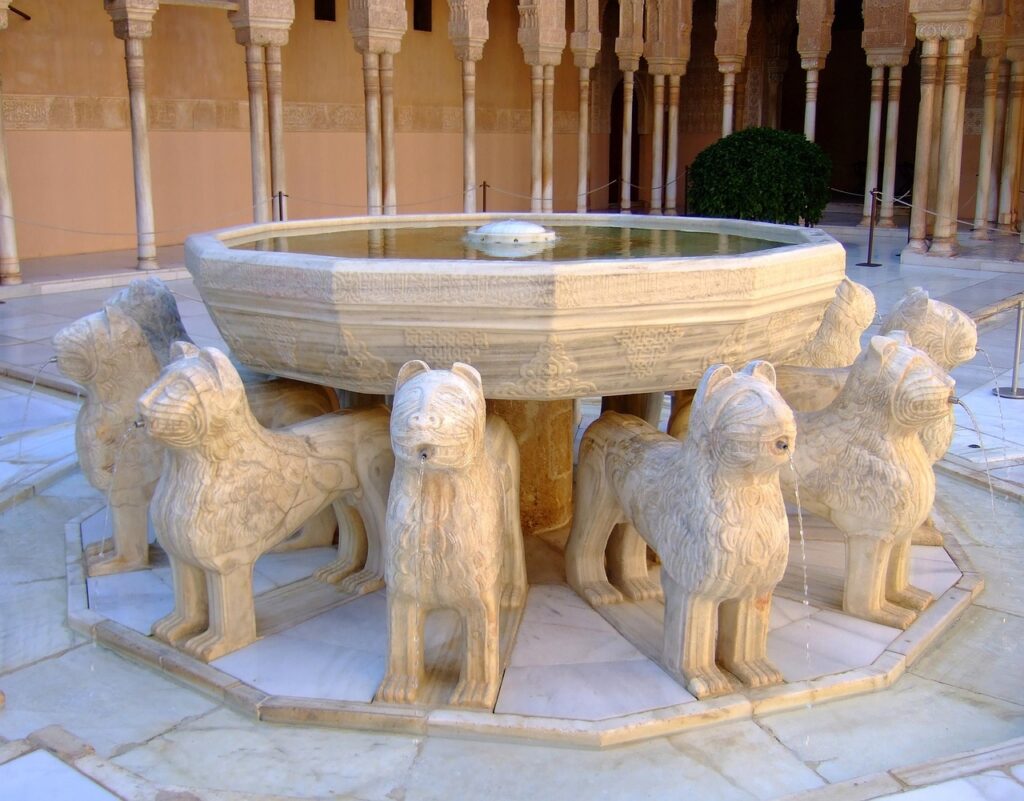
- Photo tips: start at the Court of the Lions when the morning light is soft; avoid midday for direct sunlight that flattens contrasts.
Estimated time: 3 hours. Bring water and wear a hat in summer. Restrooms are available at the main entrance and at the museum.
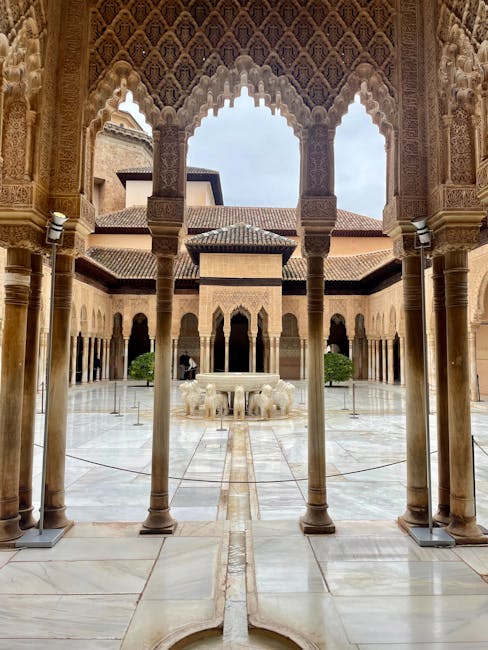
Midday step — Generalife and the Gardens
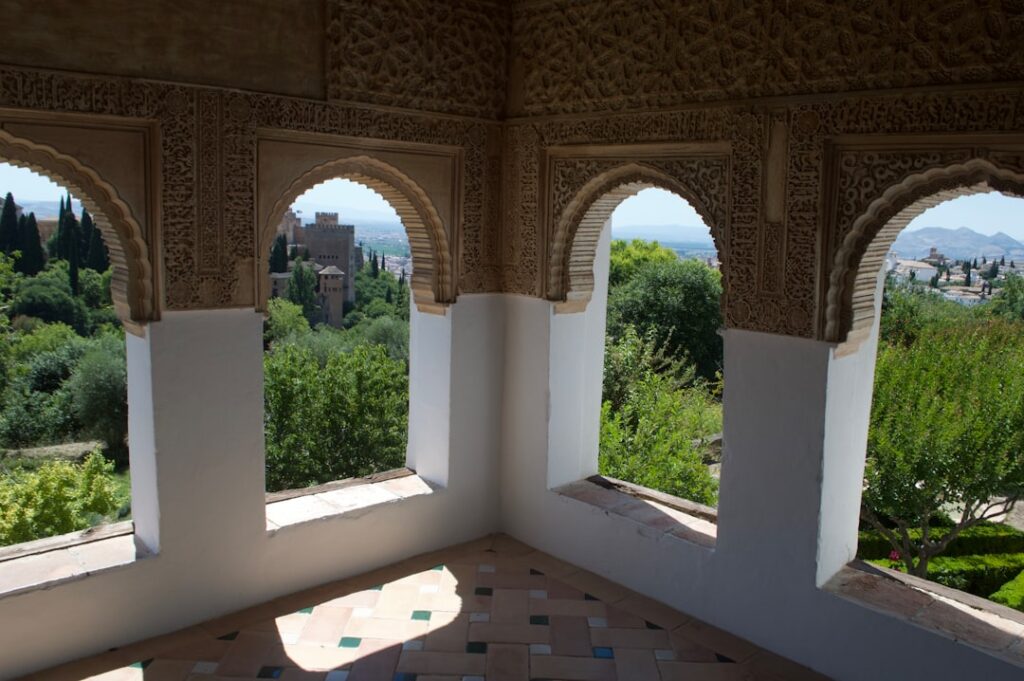
- After the Palaces, head to the Generalife (included with the Alhambra ticket). Stroll the Jardines del Generalife, the Patio de la Acequia and the orange-tree gardens. Recommended time: 1–1.5 hours.
- Route: exit the Palaces toward the Generalife area then descend toward the Puerta de Los Leones if you want to extend the walk toward the Paseo de los Tristes.
- Address: Generalife, within Alhambra complex, Calle Real de la Alhambra, s/n, 18009 Granada.
- Price: included in the Alhambra ticket.
Practical lunch
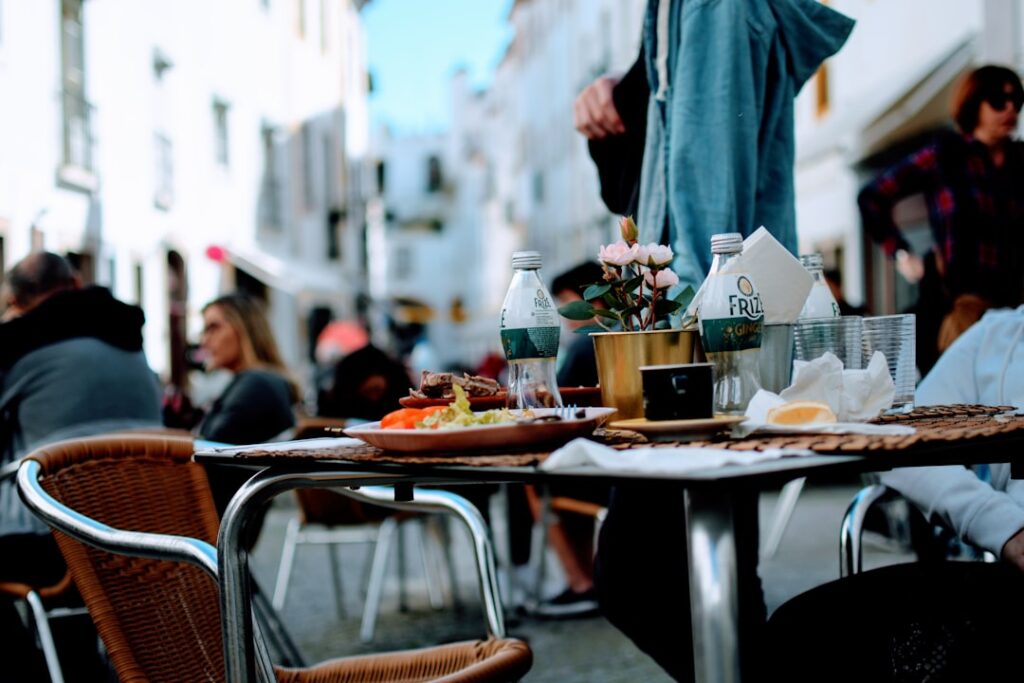
Nearby options: Paseo de los Tristes (along the Darro river) — Restaurante Ruta del Azafrán (Callejón de San Cecilio, 4, 18010 Granada) is a mid-range choice: tapas and Andalusian dishes (main course roughly €12–€18). For a quick stop: Bar los Diamantes (Calle Navas, 28) for fresh tapas (prices: tapas about €2–€4). It’s wise to check reservations for restaurants by late morning.
Afternoon — Albaicín: alleys and Muslim memory
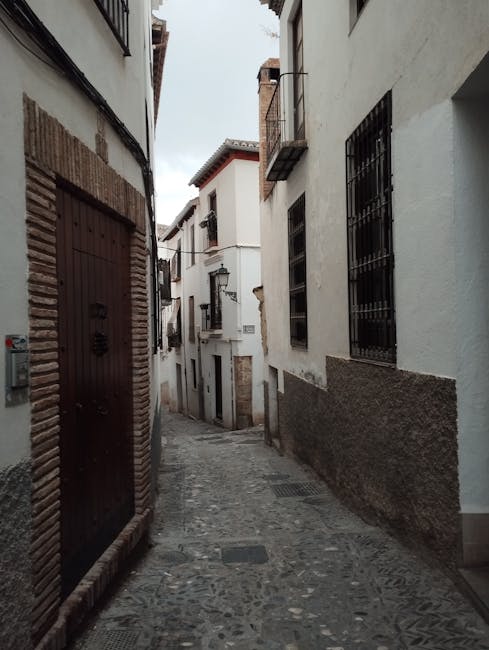
- Head down into the Albaicín: from Paseo de los Tristes or Puerta de la Justicia, walk up toward Carrera del Darro then Cuesta del Chapiz to enter the Albaicín. Ascent time: 20–30 minutes depending on pace.
- Suggested route: start at the Corral del Carbón (former alhóndiga and Nasrid caravanserai), continue to the small plaza of San Miguel Bajo, then Calle Calderería Nueva for Moroccan tea shops and artisans.
- Corral del Carbón — practical info: Address: Calle Mariana Pineda, 10 (main entrance toward Plaza de los Lobos) — Typical hours: 10:00–20:00 (seasonal). Price: often free to see the exterior / guided visits or events may cost (around €3–€5). Check the Diputación de Granada site for current listings.
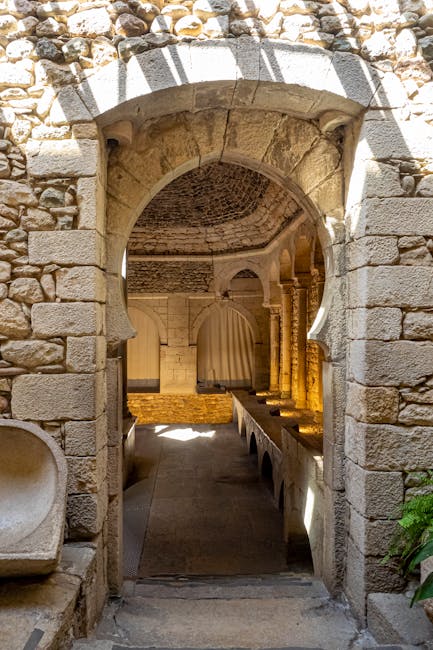
Don’t miss the medieval Arab baths known locally as El Bañuelo: approximate pedestrian access from Carrera del Darro — Carril del Chorro, s/n, 18010 Granada. Hours: typically 10:00–19:00, closed some days; indicative price €2–€4. These baths are a great way to picture daily life under the Emirate and the Nasrid Kingdom.
Evening — Mirador de San Nicolás and dinner
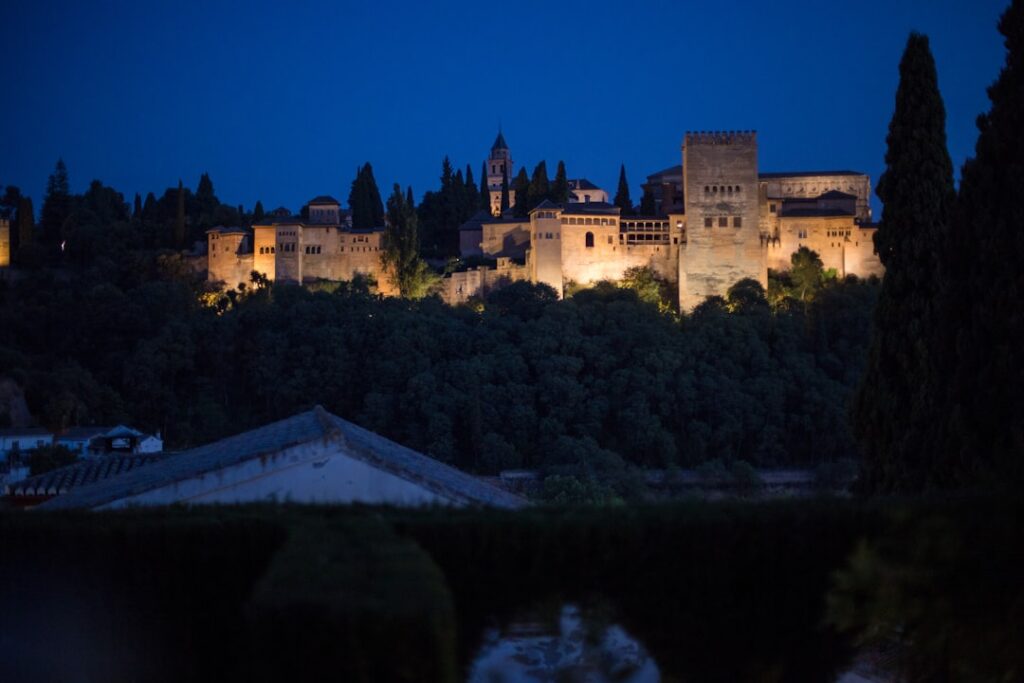
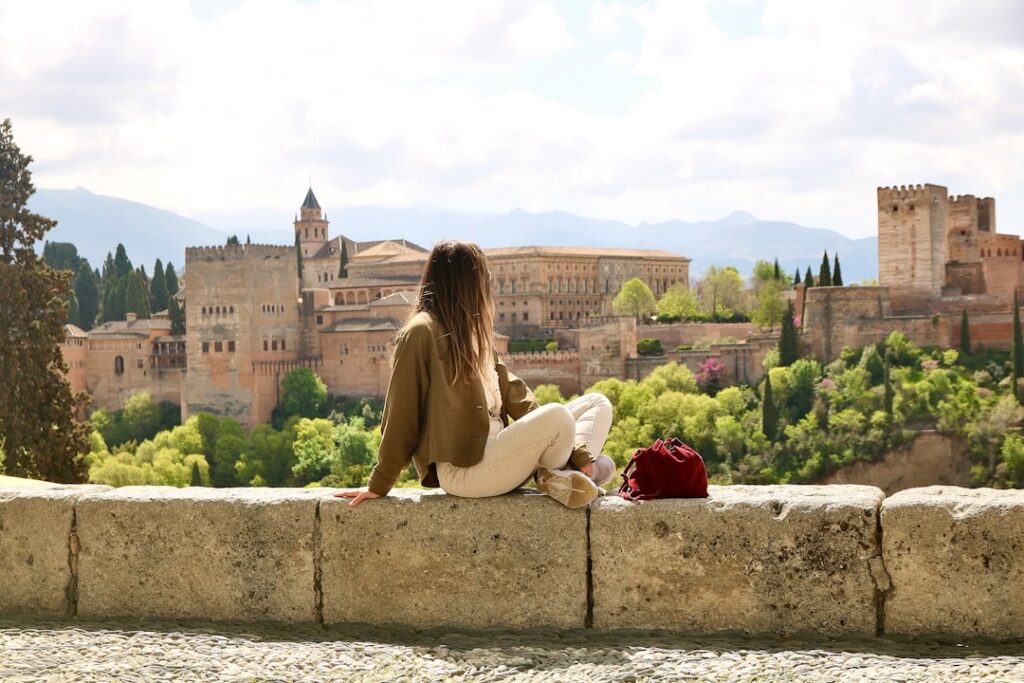
- Mirador de San Nicolás (Plaza de San Nicolás, 1, 18010 Granada): arrive 45–60 minutes before sunset to secure a front-row spot for the Alhambra panorama. Sunset times vary by season — check local sunset times. Free entry, very crowded in high season.
- Dinner: In the Albaicín, try Bar La Bella y La Bestia (Calle Elvira, 20, 18009 Granada) for tapas; alternatively return toward the historic center for Bodegas Castañeda (Calle Almireceros 1, 18010 Granada) — a classic spot for tapas and local wines. Average dinner cost: €15–€30 per person depending on consumption.
2. Day 2 — Realejo, museums and immersion: arab bath, shopping streets and remains
Day objective: deepen the everyday aspects of Muslim Granada — markets, hammams, merchant neighborhoods, and small museums that preserve ceramics, epigraphy and medieval remains. This day is more local, with food breaks and a hammam visit for a sensory experience.
Morning — Realejo, Corral del Carbón (if not seen), and Alcaicería
- Start: Begin at Plaza Nueva (city center). Walk toward Calle Elvira (the old historic market access).
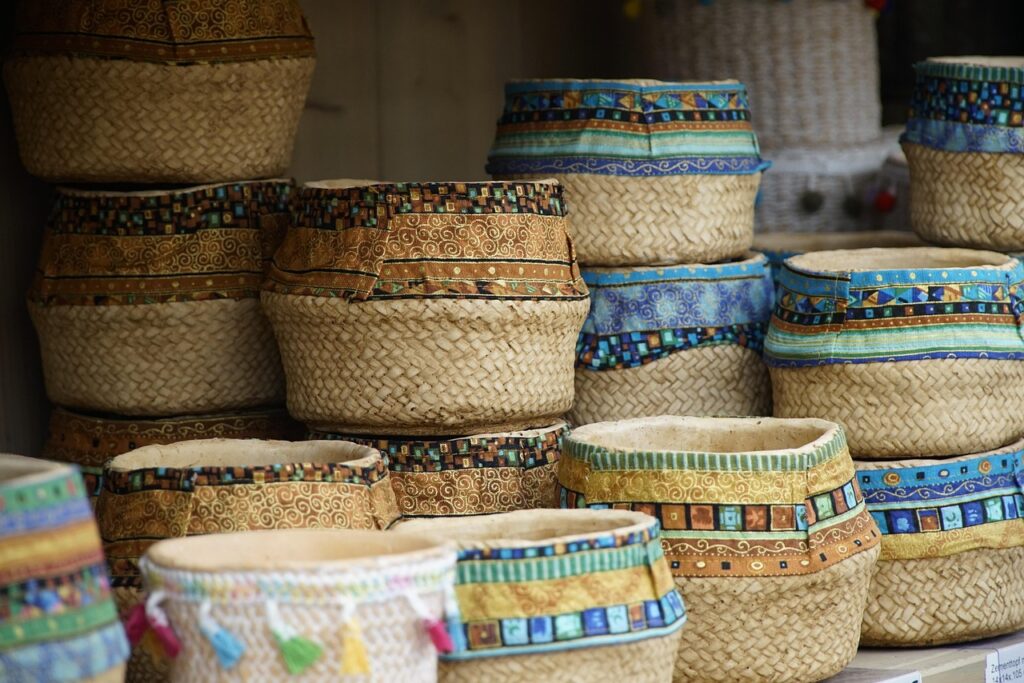
- Alcaicería: The Alcaicería was the medieval silk market; today it’s a reconstructed shopping street. Address: Calle Alcaicería, 18009 Granada. Shop hours: usually 10:00–20:00. Atmosphere: small souvenir and craft shops with Hispano-Muslim-inspired wares; perfect for buying marbled paper, ceramics and textiles.
- Corral del Carbón (if not visited): The Corral del Carbón is a well-preserved 14th-century Muslim building, later used as a warehouse/market and now a public venue. Address: Calle Mariana Pineda, 10, 18009 Granada. Typical opening hours: 10:00–20:00; exhibition/guided visit price: around €3–€5. Check the local cultural calendar for events.
Late morning — Museums and memory
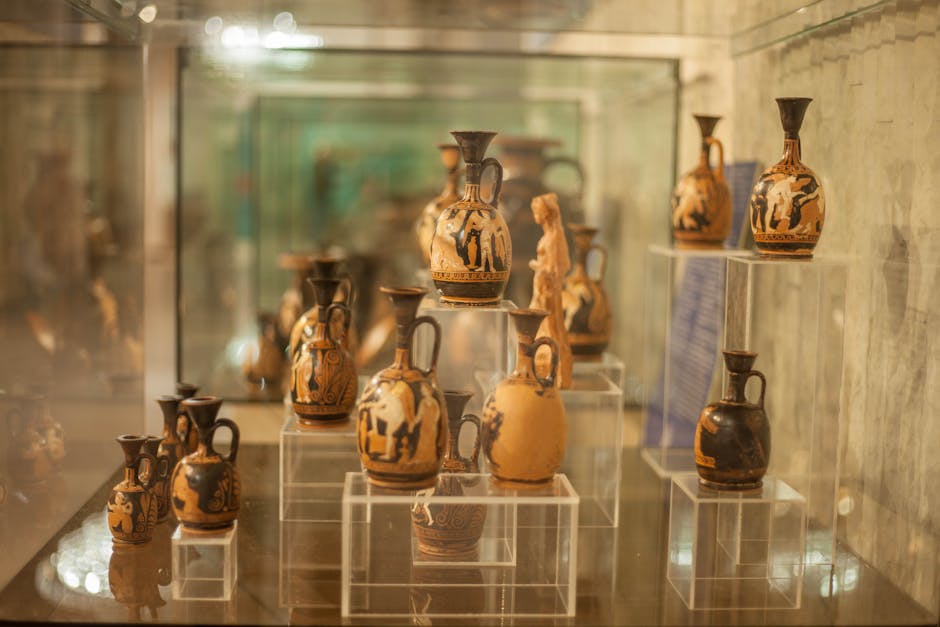
Recommended choice: Museo Arqueológico y Etnológico de Granada or the Museo de la Alhambra (if you want to see items conserved off-site). Museo Arqueológico y Etnológico address: Plaza de las Culturas, s/n (near the Pabellón de la Reina), hours vary: usually 09:00–18:00; price: around €2–€4. The Museo de la Alhambra is inside the Alhambra complex; access may be possible depending on your ticket.
Lunch & hammam break (practical experience)
- Quick lunch: Realejo has neighborhood bars: Bar Los Manueles (Calle Reyes Católicos, 15) or small tascas on Calle San Matías. Budget: €10–€15 per person.
- Traditional hammam: Reserve 1.5 hours for an Arab bath/body-restoration session. Recommended option: Hammam Al Ándalus Granada — Address: C/ Santa Ana, 15, 18010 Granada (near Paseo de los Tristes). Typical hours: 10:00–23:00 (last entry varies). Price: basic baths from about €28–€40 for 1 hour (packages with massage more expensive). Online booking recommended.
- Tip: arrive 10–15 minutes early for check-in; bring swimwear, a towel (sometimes provided), and cash for tipping if you add a massage.
Afternoon — Historic streets and craft workshops
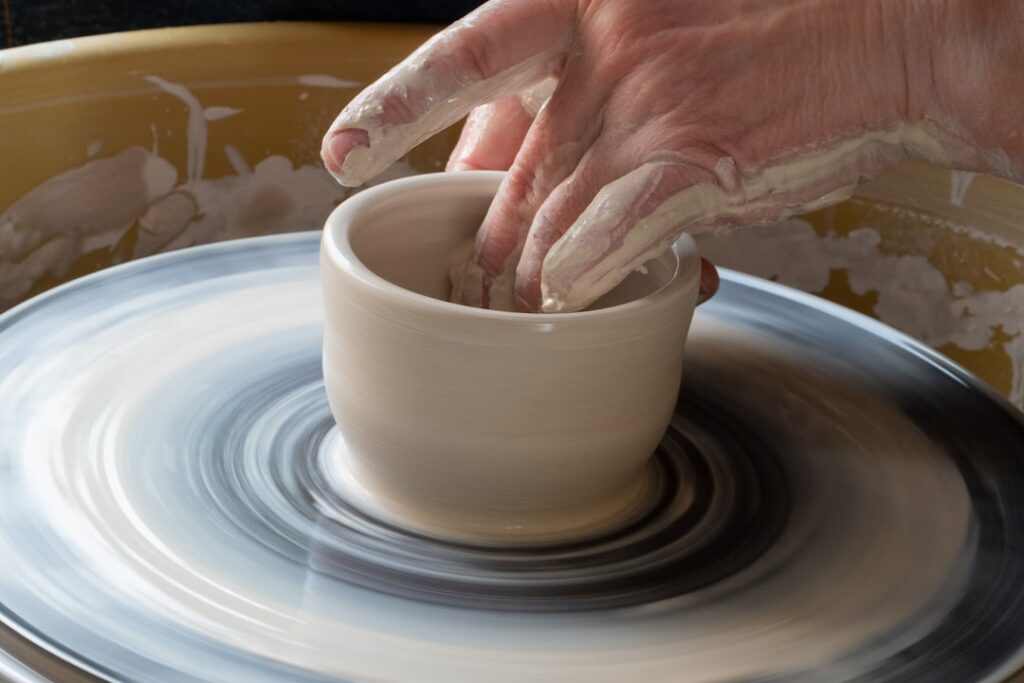
After the hammam, stroll along Calle Elvira, Calle Calderería Nueva (the tea street), and the Carrera del Darro. Artisan workshops: potters, weavers and copper workshops continue techniques passed down since Andalusi times. Recommended ceramics workshop: Taller de Cerámica Marruecos (Calle Calderería Nueva, various open studios; hours 11:00–19:00). Souvenir budget: small ceramics from €8, larger pieces priced by craftsmanship.
Late afternoon — Along the río Darro and Paseo de los Tristes
Finish the day wandering along the río Darro on the Paseo de los Tristes. This is an ideal vantage point to view the Alhambra from below, take photos in the softer light and enjoy one last drink before dinner. If you want a memorable dinner, book at Mirador de Morayma (Calle Pianista García Carrillo, 2, Albaicín) which pairs views with Andalusian cuisine. Dinner price: about €20–€35 per person depending on the menu.
Practical checklist for day 2
- Museum or activity tickets reserved if needed (museum, hammam).
- Check artisan workshop opening hours.
- Wear soft-soled shoes: cobbles and climbs.
- Carry €30–€60 in cash for small purchases and tapas; cards accepted in most places.
- Download an offline map of Granada or print addresses (mobile signal can be weak in narrow streets).
Conclusion — Final tips, ticket combos and safety
Two days let you grasp the essentials of Granada’s Muslim history if you plan and book smartly. The key point is the Alhambra booking: without a dated ticket and time slot you will be denied access to the Nasrid Palaces. The rest of the route requires flexibility (streets can be closed for local events), but it’s mainly about pace — alternate intense visits (Alhambra in the morning) with slow walks (Albaicín, Realejo in the afternoon). Keep in mind many museums and monuments offer discounts for youth, seniors and holders of certain tourist cards; always ask for a reduced rate if you’re eligible.
Safety and comfort: Granada is generally safe for travelers; pickpockets exist as anywhere — keep valuables close in busy tourist spots (Mirador de San Nicolás, Alhambra, Alcaicería). Drink regularly in summer — streets are often steep and the sun is strong. For walking routes, plan rests near fountains or cafés: walking at a steady pace maximizes visits, but don’t skip a terrace coffee to watch the architecture.
Ticket combos: look into provincial Granada passes that may include museums and temporary exhibitions. For the hammam, read reviews and book a longer time slot if you want both massage and bath. Finally, respect the sites: some places are worship spaces or conserved historic sites with behavior rules (no loud noise, photos sometimes restricted).
Last local tip: the best moments to lock in the mental images of Muslim Granada are early morning (Alhambra) and twilight from the Albaicín. If you remember only one scene: the Alhambra silhouette lit up while the Mirador de San Nicolás fills with musicians and the clink of tea glasses — a moment where history and modern life meet. Safe travels — and enjoy every alley, fountain and tile.