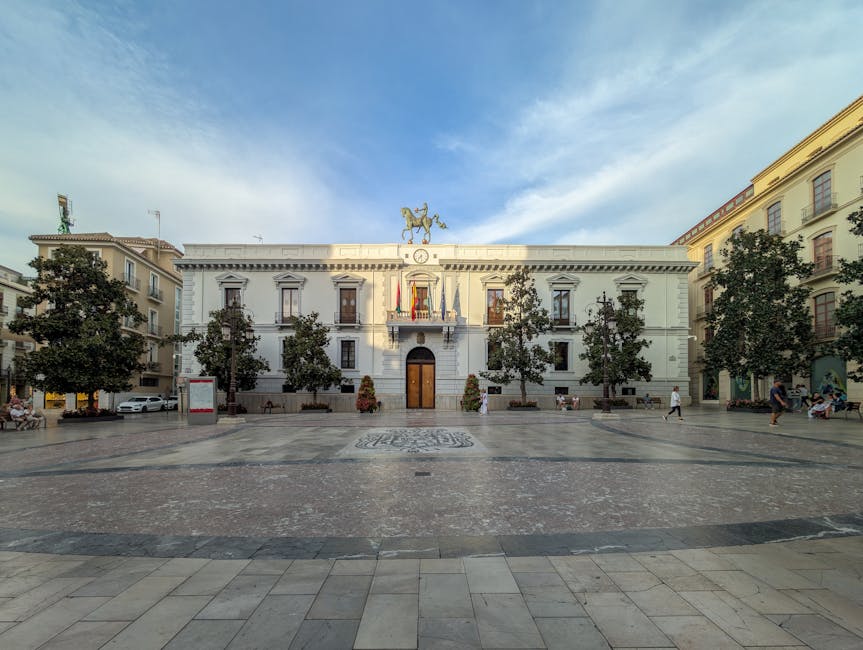






Introduction — Why this 48-hour Granada itinerary is perfect for you
Granada is compact but layered: every alley tells a story, every mirador frames a different view of the Alhambra, and the tapas bars connect you straight to Andalusian life. This 48-hour plan is a practical, hour-by-hour walking guide — not just a vague sightseeing list — showing you where to go in the Albayzín, Realejo and Centro, street by street, with exact addresses, prices, opening hours and checklists so your two days are optimised. No generalities — you’ll get numbered steps, local tips to skip queues, late-arrival alternatives, and concrete recommendations for bars and museums with real opening windows.
This plan is for travelers who want to truly explore Granada on foot: diving into historic neighborhoods, hidden patios, essential photo vantage points and well-timed food breaks. You’ll learn how to: book and visit the Alhambra efficiently, climb the Albayzín without burning out, discover Realejo (the old Jewish quarter) beyond the bus routes, and finish in the Centro with the Cathedral and the best bodegas for tapas. I list specific opening times, prices in euros valid at the time of writing (expect slight seasonal changes), and exact postal addresses so you can plug places into your GPS or maps app.
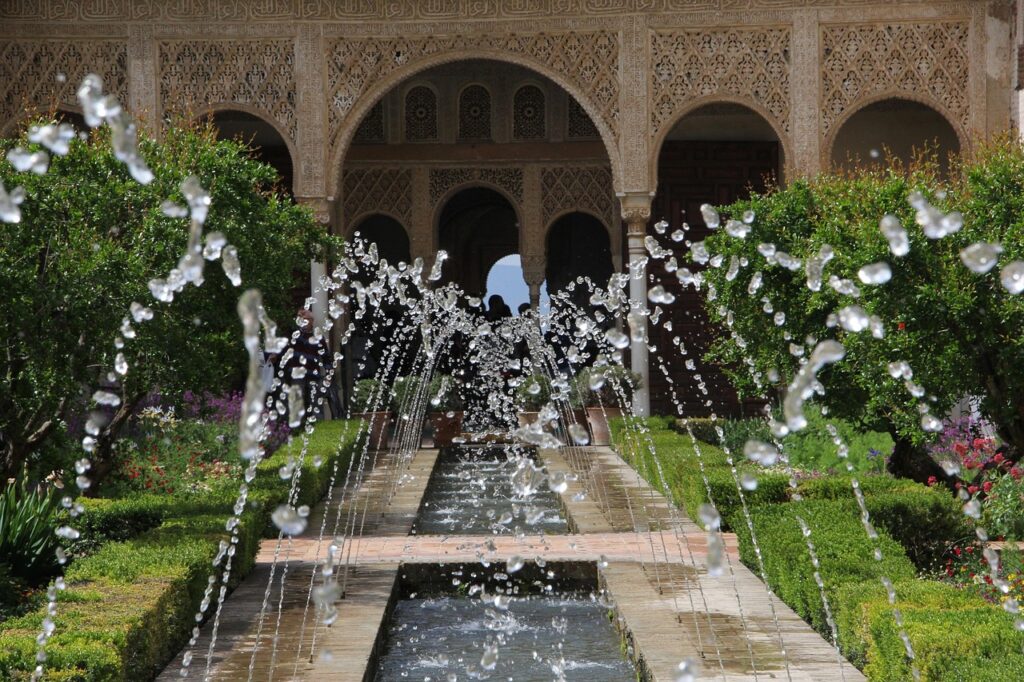
Alongside the step-by-step route you’ll find: preparation checklists (tickets, shoes, water), plan Bs for heavy crowds, practical tips (how to photograph sunset at Mirador de San Nicolás, where the cheapest paid public toilets are), and meal management suggestions (recommended tapas bars and price ranges). I’ve added visual markers 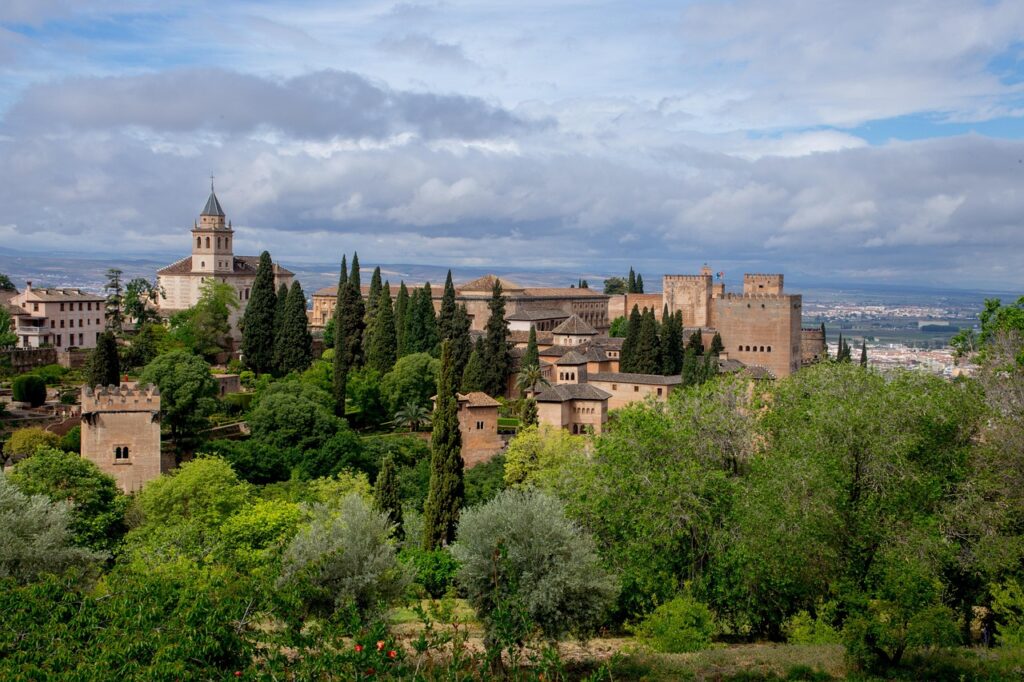 where the view is most striking — perfect for planning your photos or moodboard. Bring good walking shoes, a reusable water bottle, your Alhambra ticket printed or on your phone, and follow this step-by-step guide: 48 full hours in Granada start now.
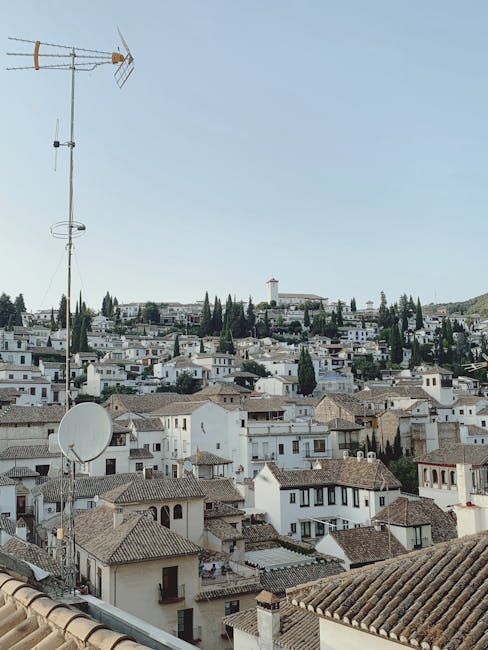
1. Preparation before arrival — essential checklist
Checklist to do 48–72 hours before arrival:
- Alhambra ticket: book online at Patronato de la Alhambra (https://www.alhambra-patronato.es). Approximate standard price: Ticket General Alhambra y Generalife €18. Price for Palacios Nazaríes (if sold separately): around €14–€18 depending on season. Print or download the PDF.
- Card & cash: have €50–€80 in cash for small purchases and tips. Many places accept cards, but some teahouses and markets prefer cash.
- Shoes: comfortable walking shoes (the cobbles in Albayzín and Realejo are uneven).
- Downloads: offline map of Granada (Albayzín, Realejo, Centro areas) and screenshots of accommodation confirmations.
- Note your timing: write down your Alhambra entry time (Palacios Nazaríes have a strict timed entry). Arrive 30 minutes early.
Tip: if your schedule is tight, choose a morning Alhambra slot (09:00–11:00) to avoid heat and crowds.

2. Arrival and check-in — first practical hour
On arrival at the train station (Tren Avant) or Granada Bus Station (Estación de Autobuses, Plaza Mariana Pineda, s/n, 18004), follow these steps:
- Take an official taxi (white, meter) to your accommodation — typical trip to the centre 10–20 min, estimated fare €8–€15 depending on origin.
- If you prefer the bus, use the LAC or C1/C2 lines (depending on where you arrive): single ticket ≈ €1.40–€1.60.
- At your hotel or hostel: collect your key, drop bags. Luggage storage option at the bus station (paid) ≈ €4–€6/day.
Tip: ask reception to print your Alhambra tickets if needed (sometimes free or ≈ €1). Take a short break to refill your water bottle and put on your walking shoes.
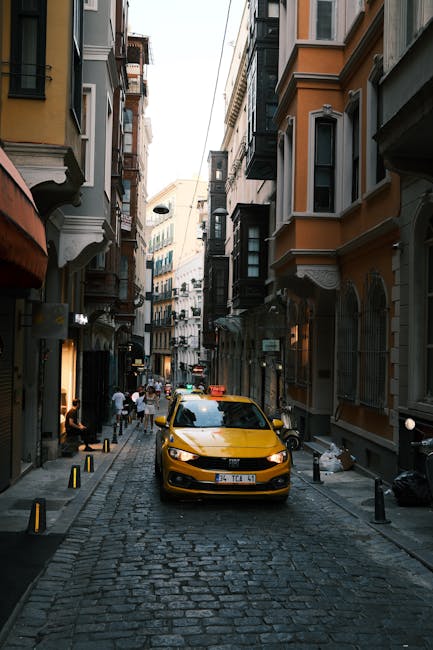
3. Morning day 1 — lower Albayzín and Paseo de los Tristes
Step-by-step route (starting from the Centro, Plaza Nueva):
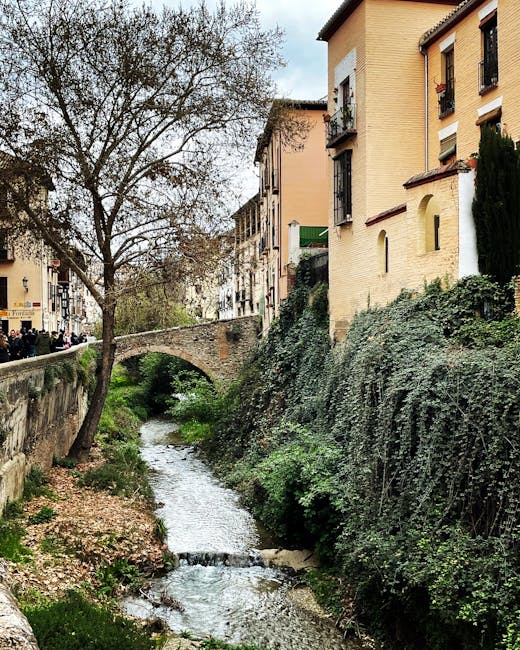
- Start at Plaza Nueva (Plaza Nueva, 18001 Granada). Estimated walk to Paseo de los Tristes: 10–15 minutes via Carrera del Darro.
- Follow the Carrera del Darro (C. Carrera del Darro, 18010) along the río Darro — photo stop at Paseo de los Tristes (Paseo de los Tristes, 18010).
- Grab a quick coffee at Taberna El Arenal (C. El Arenal, 5 — coffee ≈ €1.50–€2.50, check opening hours 09:00–14:30 then 19:00–23:00).
Why here? It’s the classic approach to the Alhambra and an ideal point to start climbing into the Albayzín without losing elevation. Walk gently, keep water handy and take several photo breaks.
4. Mid-morning day 1 — climb to Mirador de San Nicolás
Steps:
- From Paseo de los Tristes, take Calle Cuesta Gomérez then Cuesta del Chapiz. Follow signs to the Mirador de San Nicolás.
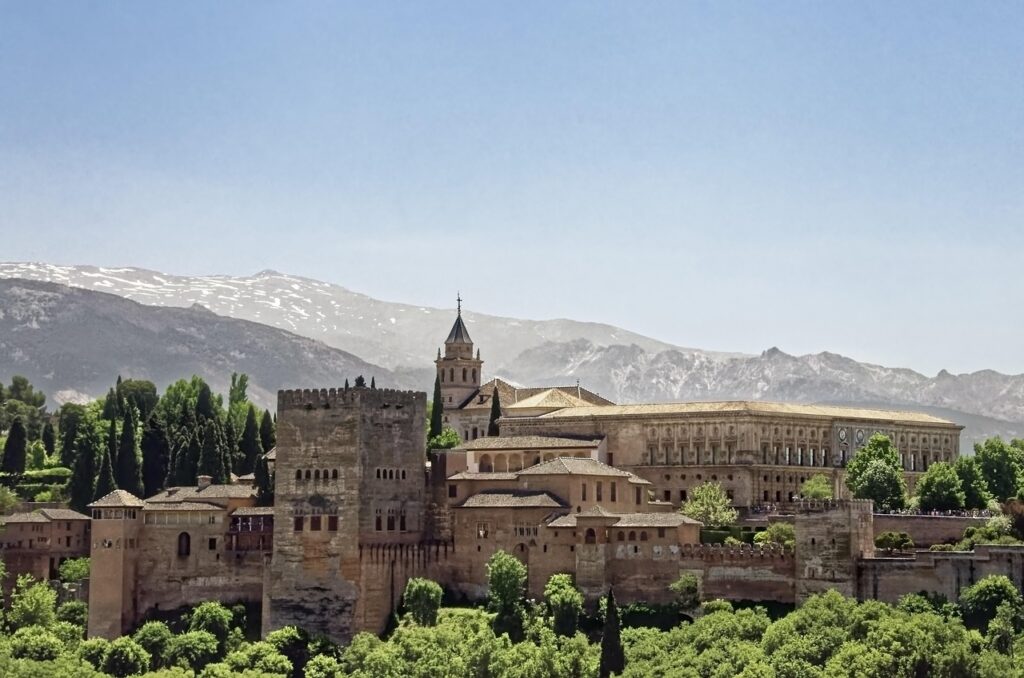
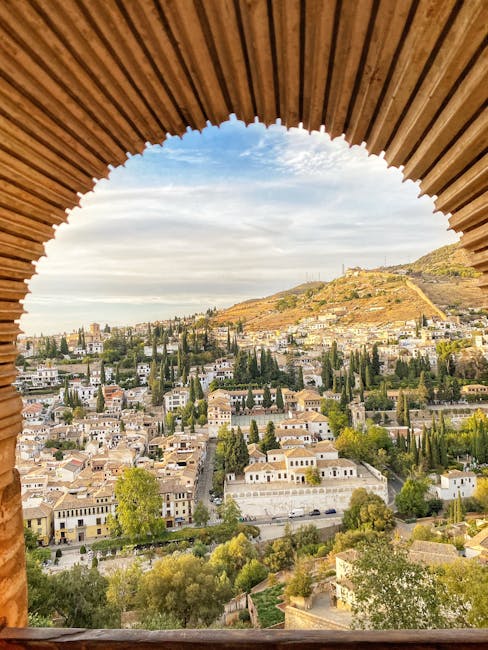
- Arrive at Plaza de San Nicolás (Plaza de San Nicolás, 18010 Granada): direct views of the Alhambra and the Sierra Nevada.
Hours & tips: the mirador is open 24/7; to avoid crowds aim for 10:00–11:30 in the morning. Entry is €0 (public space). Tea houses around (C. Calderería Nueva) often close between 21:00–23:00.
5. Lunch break day 1 — tapas at Bodegas Castañeda
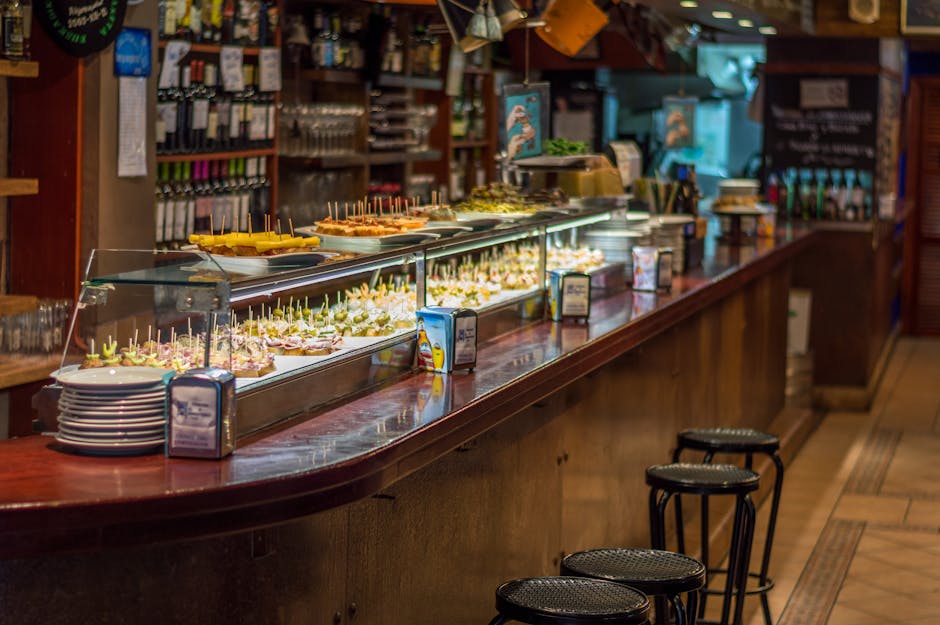
Address: Bodegas Castañeda, Calle Almireceros, 1-3, 18010 Granada. Hours: 10:00–00:30 (may close Sunday afternoon; check locally). Prices: tapas €2.50–€4.50, half pint ≈ €1.60–€2.50.
Practical tip: arrive around 13:00 to avoid the main 14:00–16:00 rush. Order: tortilla de patatas, jamón serrano and a tapa of berenjenas con miel. Cash often easier at the standing bar.
6. Afternoon day 1 — walking tour of Realejo
Route:
- From Bodegas Castañeda, walk to Plaza de los Campos and follow C. Molinos to enter the Realejo.
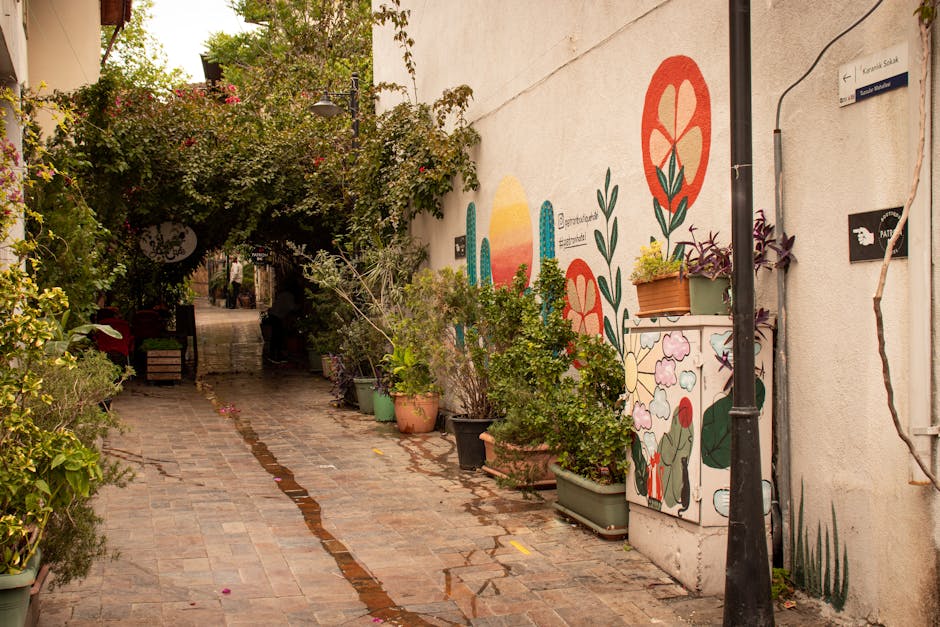
- Stroll along Calle Elvira then Callejón de las Tomasas (great photo ops, private patios visible from the street).
- Visit the Carmen de los Mártires (Ronda de los Mártires, s/n, 18009). Hours: 10:00–19:00 (variable). Garden entry is free; check access to the house itself.
Immersive description: Realejo is a maze of ochre façades, small food markets and artisan workshops. Keep an eye out for contemporary graffiti contrasting with old walls.
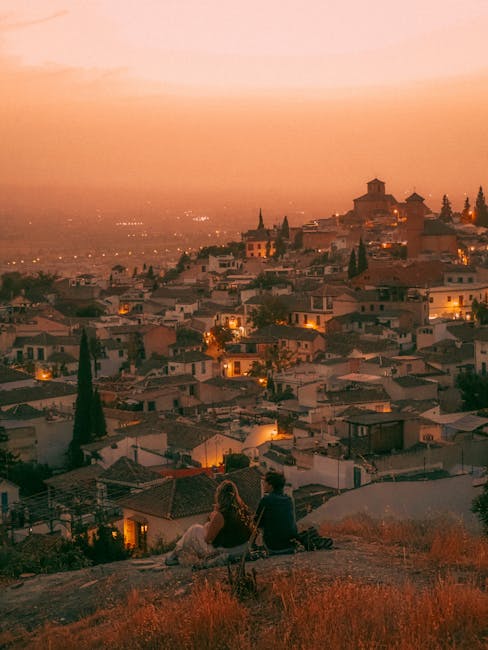
7. Late afternoon day 1 — sunset at Mirador de San Cristóbal
How to get there: from Carmen de los Mártires take C. de Molinos then Cuesta de los Chinos; a gentle 12–15 minute climb. Mirador de San Cristóbal (upper Albayzín) gives a different perspective — more of the city and the sierra.
Photo tip: arrive 30 minutes before sunset to secure a good spot. Bring a small torch or phone light for the walk down at night; some stairways are dimly lit.
8. Dinner day 1 — recommended restaurants in the Centro
Practical options:
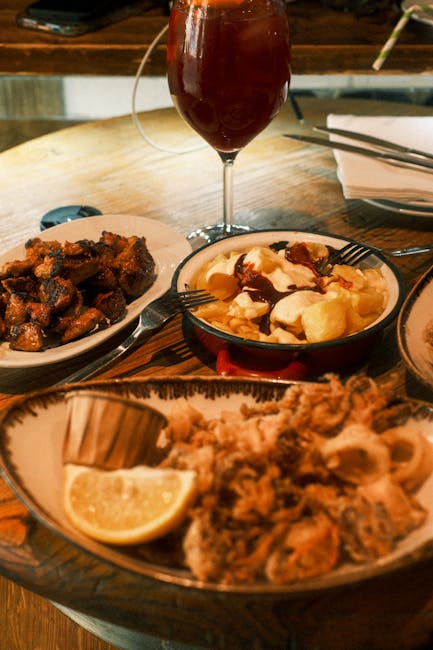
- Los Diamantes, Calle Navas, 28, 18009 Granada — specialising in fried fish and tapas. Hours: 12:00–00:30. Tapas budget €3–€5.
- Restaurante La Oliva, Plaza Nueva, 5, 18001 — modern Andalusian cuisine. Hours: 13:00–16:00 and 20:00–23:00. Main courses ≈ €12–€22.
Booking: reserve La Oliva on weekends. Los Diamantes often has a queue — aim before 20:00 or after 22:00.
9. Evening day 1 — flamenco in Sacromonte (optional)
Recommended venue: Zambra María la Canastera (Cueva Zambra, Barrio del Sacromonte). Shows typically 20:30–22:00 and 22:30–00:00. Price: performances ≈ €20–€35 depending on drink inclusion. Book in advance.
Tip: for a less touristy vibe choose a small zambra with mostly locals rather than a large commercial tablao. Taxi from the Centro ≈ €8–€12.
10. Morning day 2 — Alhambra entry (timing plan)
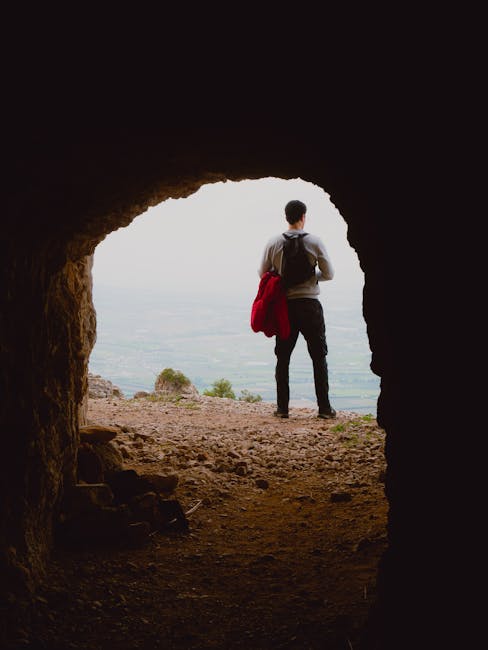
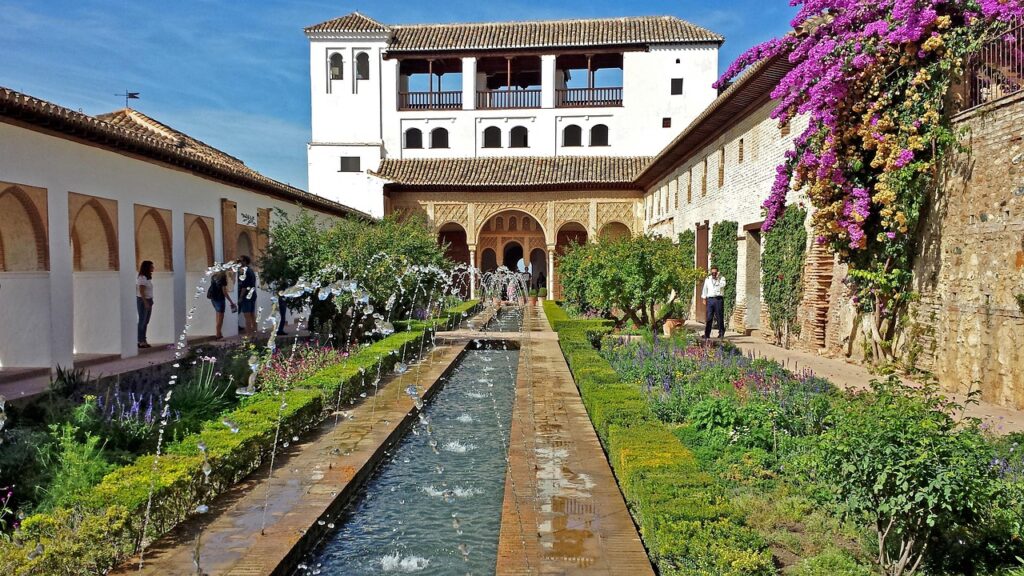
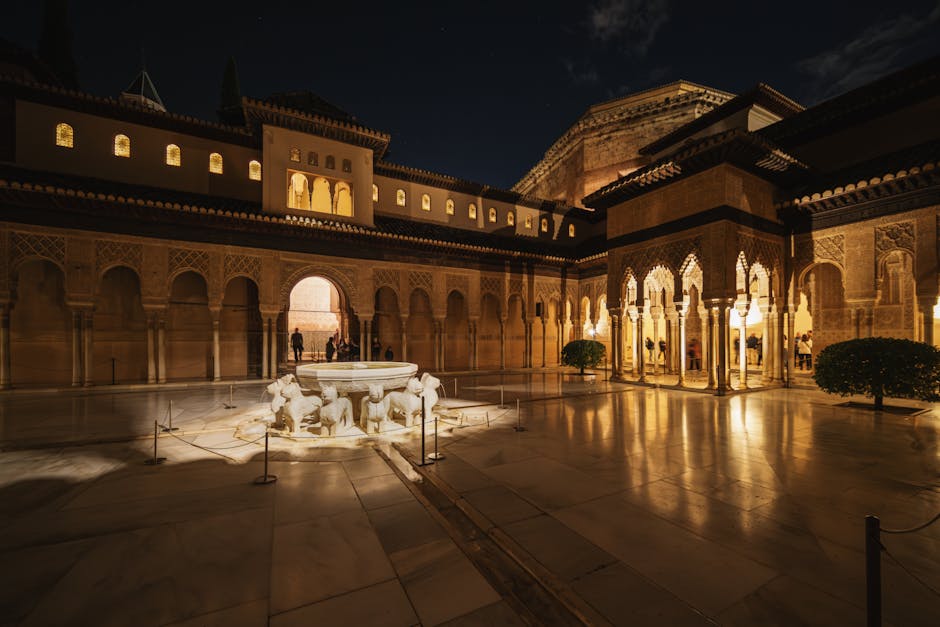
Full Alhambra address: Patronato de la Alhambra y Generalife, Calle Real de la Alhambra, s/n, 18009 Granada. General hours: 08:30–20:00 (summer), reduced hours in winter. Check your Palacios Nazaríes time — the entry time is printed on your ticket.
Step-by-step plan:
- Arrive 30 minutes early at the Puerta de la Justicia for security checks (main pedestrian access).
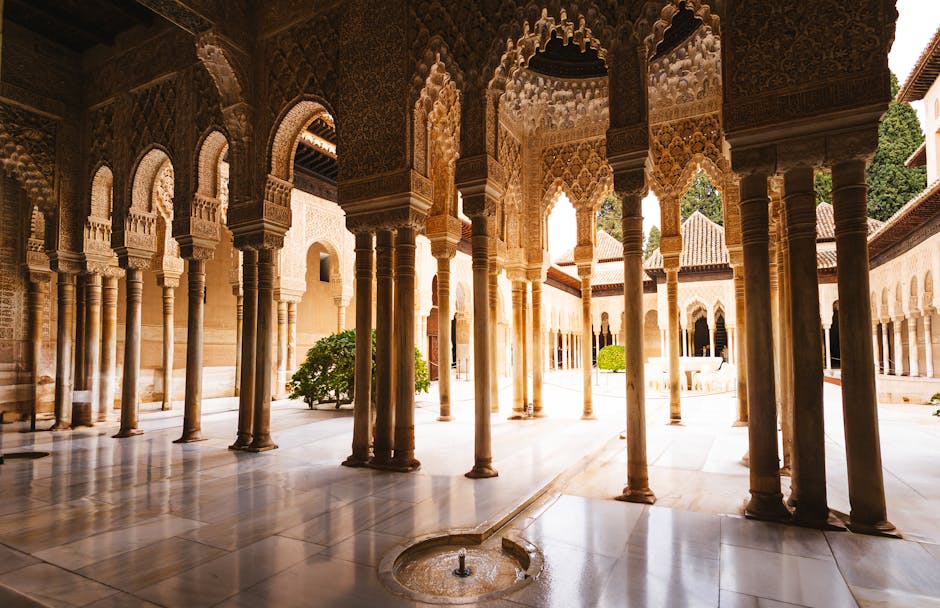
- Walk through the Generalife gardens, then visit the palaces; allow 2–3 hours.
Approximate price: Ticket General Alhambra y Generalife €18. Students and seniors may have discounts (bring ID).
11. Guided Alhambra visits — practical options
Options:
- Self-guided audio tour: available in several languages (rental cost ≈ €3–€5).
- Guided group tour: bookable online through local operators ≈ €25–€45 per person including ticket + guide (check inclusions).
Tip: a guided tour brings hidden historical corners to life and saves reading time. If you prefer independence, the official app and onsite panels are fine — go early to avoid heat.
12. Late morning day 2 — exit and coffee break
After the Alhambra, head down to Paseo de los Tristes for a break. Recommended café: Café 4 Gatos (Paseo de los Tristes, 16). Prices: coffee ≈ €1.80–€3, small pastry ≈ €2–€3.50.
Tip: sit by the window to watch the river and plan the next stage towards Centro and the Cathedral.
13. Midday day 2 — Centro district visit (Cathedral)
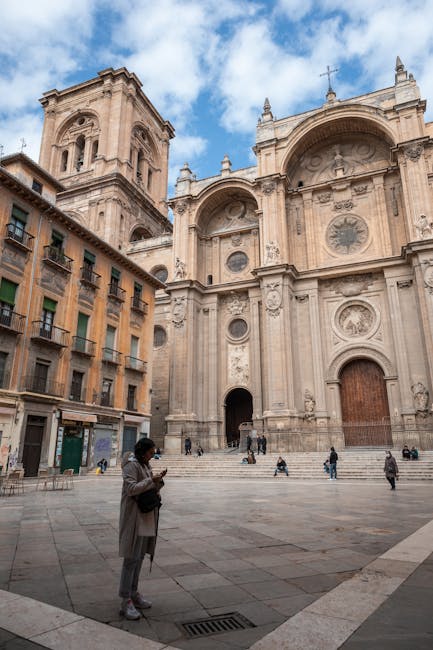
Cathedral of Granada address: C. Gran Vía de Colón, 5, 18001 Granada. Hours: generally 10:30–18:00 (varies by season). Price: cathedral visit ≈ €5–€7. The Capilla Real (C. Oficios, 3) next door often closes 15:30–17:00; entry ≈ €5–€6.
Steps:
- Visit the Cathedral (nave, chapels and Renaissance tombs).
- Cross to the Capilla Real to see the tombs of the Catholic Monarchs — allow 30–45 minutes.
14. Lunch day 2 — quick options and markets
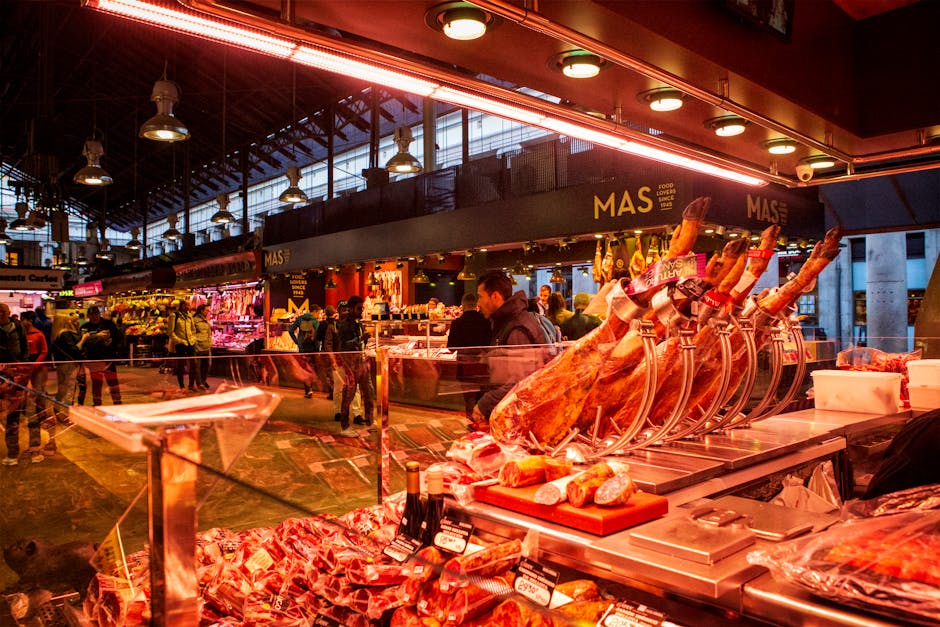
Market option: Mercado San Agustín (C. de San Antón, 10 — check local address). Opening hours: 09:00–15:00. Great for cured meats and cheeses to take away (budget ≈ €5–€12).
Restaurant option: Bar Los Diamantes (if you didn’t try it the night before) or Taberna La Tana (C. Rosario, 11) for high-quality tapas. Lunch budget ≈ €10–€20 per person depending on consumption.
15. Afternoon day 2 — winding streets and artisan shopping
Areas to explore:
- Calle Calderería Nueva (18010): teahouses, ceramics and artisan souvenirs. Shops generally open around 10:00–22:00 depending on the store.
- Calle Elvira: bookstores, leather shops and crafts. Buy souvenirs like a painted fan or artisanal soap for ≈ €4–€15.
Tip: bargain politely in small shops; a 5–10% discount can sometimes be negotiated if you buy several items.
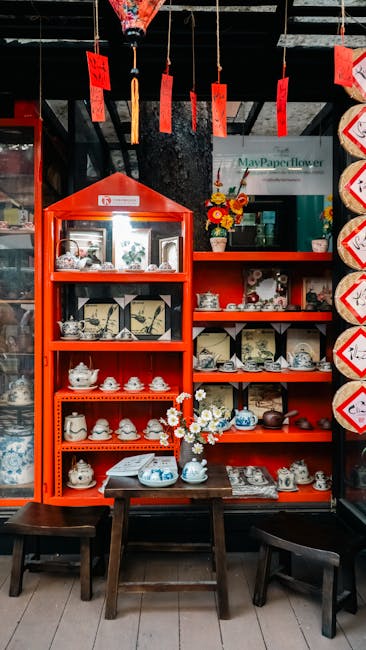
16. Late afternoon day 2 — visit Casa del Chapiz
Address: Casa del Chapiz, Cuesta del Chapiz, 32, 18010 Granada. Hours: often 10:00–14:00 and 17:00–20:00 (seasonal). Entry is usually free to see the patio; occasional workshops ≈ €5–€10.
Why go: great views from terraces and typical Andalusian patios. If it’s closed, stroll the area — several secondary viewpoints offer strong photos.
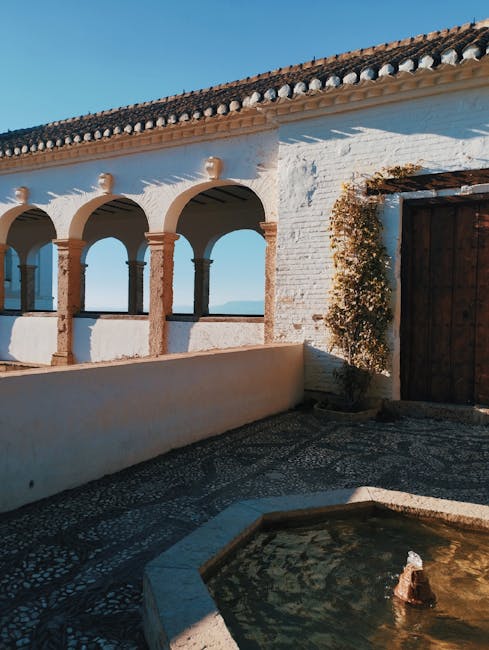
17. Dinner day 2 — final meal in the Centro
Seated dinner recommendation: Restaurante Chikito (C. Reyes Católicos, 1, 18009 Granada). Hours: 13:00–16:00 and 20:00–23:00. Main courses ≈ €12–€25. Book ahead on weekends.
More intimate tapas alternative: Taberna La Tana for local wine and a cosy atmosphere. Dinner budget ≈ €15–€30 depending on choices.

18. Evening and plan B — night walks and night photography
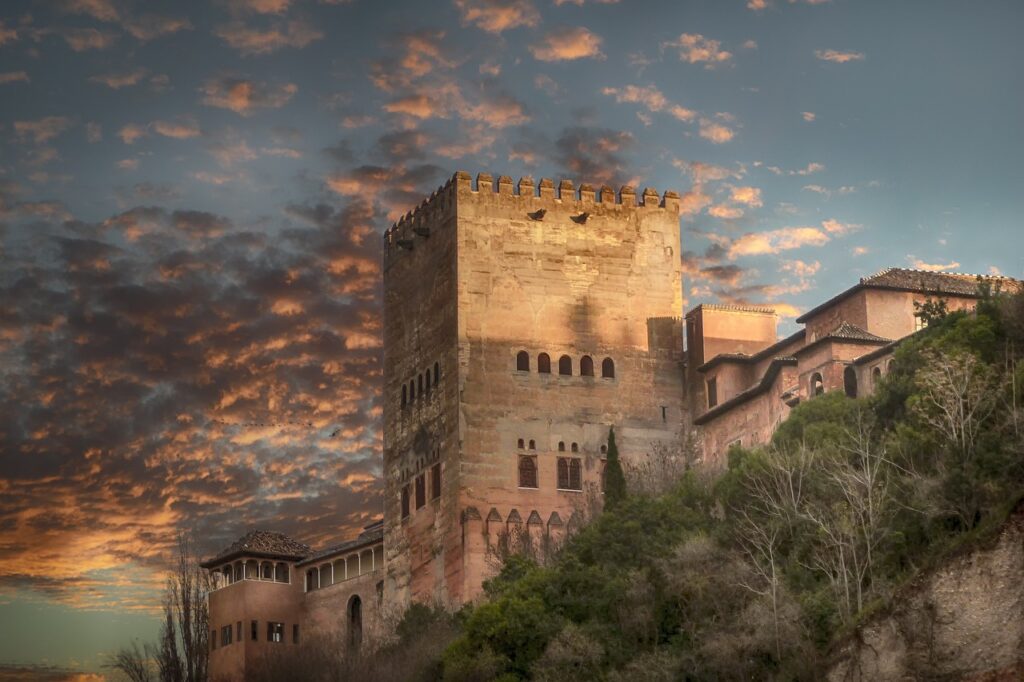
Short night route: start at Plaza Nueva, walk up into the Albayzín and stop at Mirador de San Nicolás to see the Alhambra lit up. After 21:30 the climb is usually quieter but some stretches are poorly lit: use a torch.
Safety tip: keep belongings close and avoid isolated paths. Taxi back to the centre ≈ €6–€12.
19. Transport tips — walking vs public transport
Granada is largely pedestrian in tourist areas. Walking benefits: better discovery of alleys, saving money and flexibility. Downsides: steep hills in the Albayzín and Sacromonte.
City bus: single tickets ≈ €1.40–€1.60. Taxi: central trips to Sacromonte or Alhambra ≈ €8–€15. If your accommodation is far, ask reception about local shuttle schedules and taxi stands.

20. Photo tips — where and when to shoot
Best times: sunrise at the Alhambra (06:30–08:30 depending on season), sunset at Mirador de San Nicolás (rich colours), morning light for Centro alleys (09:00–11:00).
Gear: a compact tripod for long exposures at night; telephoto is unnecessary for panoramas. Respect ‘no tripods’ signs at some monument entrances.
21. Approximate budget for 48 hours (per person)
- Accommodation (2 nights): €50–€200 depending on category.
- Meals: breakfast ≈ €3–€7, lunches/tapas ≈ €8–€20, dinners ≈ €12–€30.
- Entrance fees: Alhambra ≈ €18, Cathedral ≈ €6, Capilla Real ≈ €6.
- Transport: ≈ €10–€30 (buses/taxis).
Estimated total range: €120–€350 for 48 hours, depending on accommodation and dining/activity choices.

22. Safety and health — local recommendations
Key points:
- Stay hydrated (especially in summer) — public fountains are sometimes closed; bottled water ≈ €0.60–€1.20 at convenience stores.
- Beware of pickpockets in busy tourist spots (Plaza Nueva, Albayzín, tourist buses); keep your bag closed and close to your body.
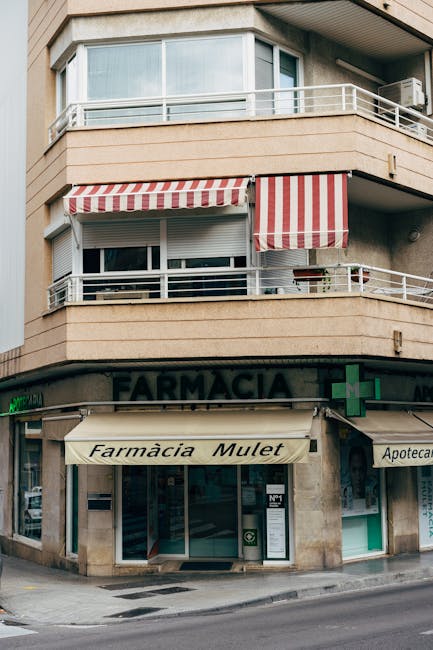
- Emergency numbers: European emergency 112. Pharmacies: most open mornings and afternoons; night on-call pharmacies are listed on the main door of a pharmacy on duty.
23. For families — adapting the route
Tips for families with children:
- Alternate Alhambra visits with park breaks (Parque Federico García Lorca, Av. de la Ciencia) for playtime.
- Choose an Alhambra visit with less walking (use local bus or taxi to climb); consider a compact stroller — watch the cobbles in Albayzín.
- Family-friendly restaurants: check for kids’ menus and confirm policies in advance.

24. For photographers — lesser-known hidden spots
Recommended spot: a small viewpoint near Carmen de la Victoria (close to Ronda de los Mártires) — panoramic views over the Sacromonte hill. Best in the early morning for soft light. Respect private property and shoot from public points.
25. Options if it rains — museums and cafés
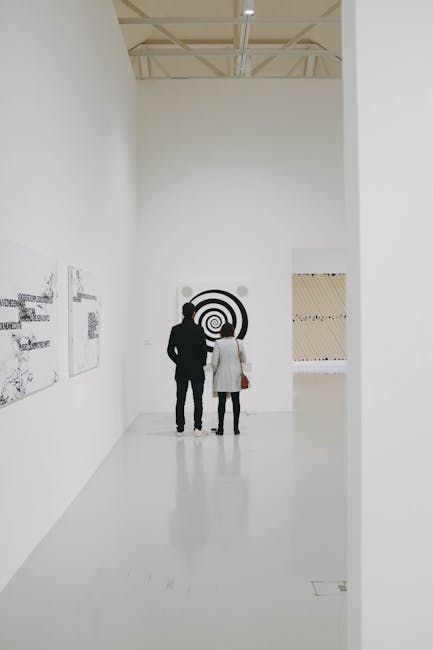
- Centro José Guerrero (C. Ángel Ganivet, 2) — modern art gallery, hours vary, often free or a small fee.
- Tea houses and cafés on Calle Calderería Nueva for shelter and tea (generally open 10:00–22:00).
26. Accessibility — wheelchair-friendly areas
Areas with limited stairs: the Centro (Cathedral, Capilla Real, Plaza Nueva). Albayzín and Sacromonte have steep slopes and cobbles, which limit mobility. The Alhambra has accessible routes — check at the ticket office for adapted paths.

27. Local markets and gourmet buys
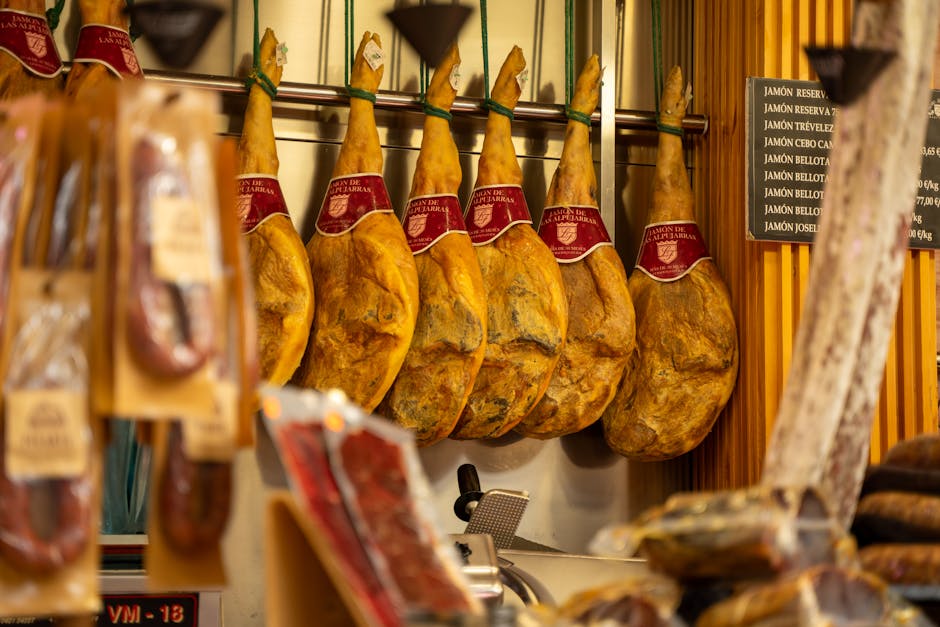
Products to bring home: Iberian ham (properly packaged), local olive oil, Granada saffron. Where to buy: Mercado San Agustín or small artisan shops on Calle Elvira. Check export rules for food if you’re travelling outside the EU.
28. Wine bars and cellars to visit
Recommendation: La Vinoteca (Centro) for Andalusian wine tastings. Glass price ≈ €3–€6. A great way to spend an evening in town.

29. Small museums and artisan workshops
Suggested: small pottery workshops in the Realejo (look for « Taller de Cerámica Granada » locally). Workshops usually open 10:00–14:00 and 17:00–20:00. Intro classes ≈ €10–€30 depending on length.

30. Respect and local behaviour
Etiquette: respect siesta/closing hours (14:00–17:00 in some shops), be discreet in places of worship, ask permission before photographing people — especially street artists and amateur flamenco performers.
31. If you have more time — day-trip options
If you extend your stay: half-day trip to the Sierra Nevada (hiking or cable car, costs and schedules vary). Another option: an Arabic bath (Hammam Al Ándalus, C. Santa Ana, 14 — sessions ≈ €35–€60 depending on duration).

32. Frequently asked questions — practical FAQ
Do I need to book the Alhambra? Yes. How long for the visit? 2–3 hours. Can I enter earlier or later? No, Palacios Nazaríes entry time is strict. Can I buy tickets on site? Sometimes sold out; better to book online.

33. Alternative afternoon for very hot days
If it’s very hot: Alhambra in the morning, market/café at midday, museums or hammam in the afternoon, evening walk to Mirador de San Nicolás.
34. Where to find cheap public toilets
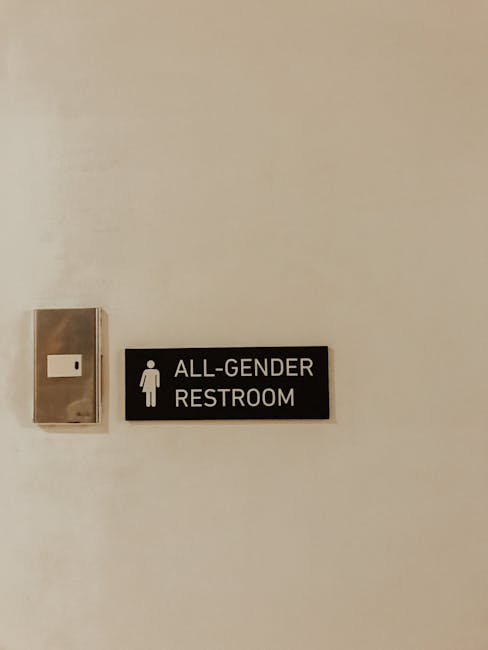
Paid public toilets: Plaza Nueva and some bus stations; cost ≈ €0.50–€1. Cafés often allow toilet use with a small purchase.
35. Tip to avoid queues at the Alhambra
Arrive 30–45 minutes before your printed time, use the pedestrian entrance (Puerta de la Justicia) and avoid tourist buses that unload groups in the afternoon.
36. Accepted payment methods
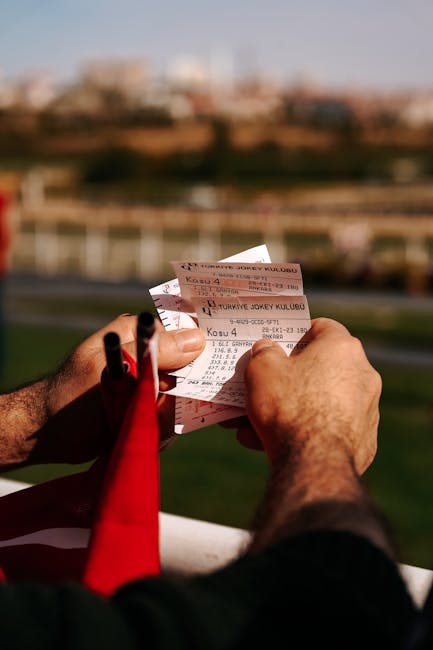
Most places accept Visa/Mastercard; always carry cash for teahouses, markets and small neighborhood taxis.
37. For vegetarians and special diets
Vegetarian options are available in many tea houses and modern restaurants (salads, tortillas, vegetable tapas). Tell the server — staff are usually accommodating.

38. Best times to visit
Spring (April–June) and autumn (September–October) for mild weather. July–August can be very hot: focus on mornings and evenings. Winter is quieter but some gardens have reduced hours.
39. Communication and language
Spanish is the main language; English is common in tourist areas. Useful phrases: « ¿Dónde está el baño? » (where is the toilet), « La cuenta, por favor » (the bill, please).
40. Recommended maps and apps
Apps: Google Maps (offline maps), Renfe or ALSA for extra journeys, the official Alhambra app for info. Download offline maps before you go.
41. Transport to Federico García Lorca Airport
Taxi from the centre: ≈ €20–€30 depending on time and traffic. Airport bus (LINE A): regular departures from Plaza Isabel la Católica, price ≈ €3–€5. Check evening schedules.
42. Authentic souvenirs to bring home
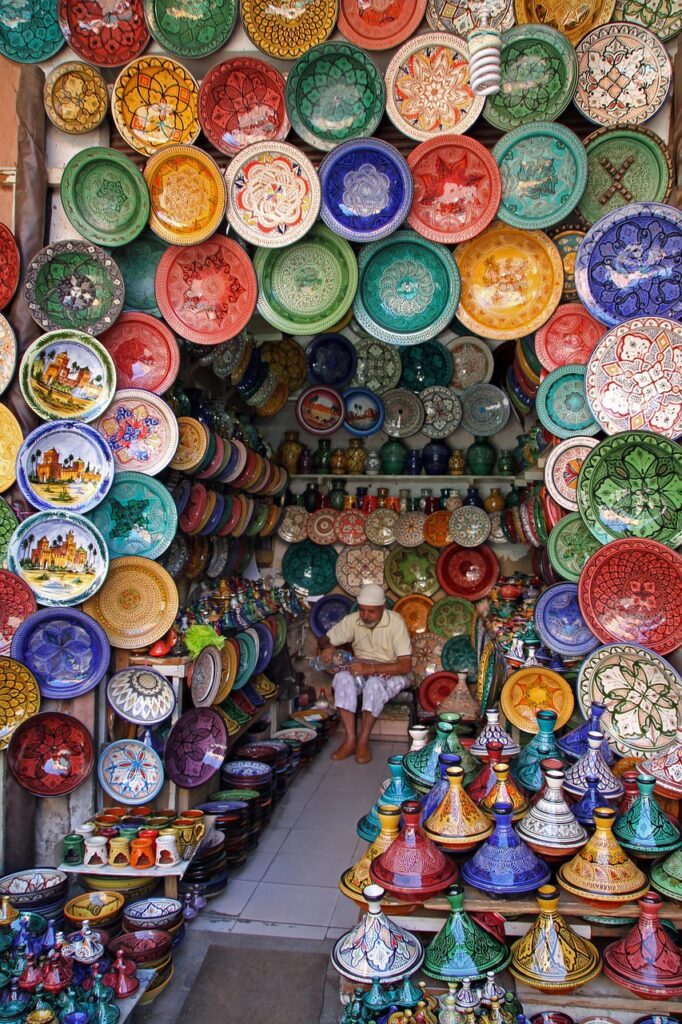
Recommendations: Andalusian pottery, painted fans, local olive oil, Granada saffron, olive-oil-based soap. Buy from artisan shops for better quality.
43. Small local pleasures to try
Try: tinto de verano (summer drink), plato alpujarreño (a local dish sometimes found in taverns), and Arab sweets at the teahouses of Calderería Nueva.

44. If you’re delayed or tickets are sold out
If the Alhambra is sold out: visit the Palacio de los Olvidados (interactive museum about Jewish and Muslim history) or focus on Albayzín and Sacromonte for views and photos — no ticket needed.
45. Express 24-hour itinerary (if short on time)
Morning: Alhambra (book early). Afternoon: Albayzín and Mirador de San Nicolás. Evening: Centro and tapas. Prioritise depending on interest — history (Alhambra), views (Albayzín), or food (Centro).
46. Tips for solo travellers
Granada is generally safe but stay alert at night. Tapas bars are friendly for solo travellers: sit at the counter and strike up conversation with locals.
47. Useful contacts to keep
- Tourist Info Granada — Oficina de Turismo Plaza Mariana Pineda, local phone number to check on site.
- Medical emergencies: 112.
Keep these numbers on paper and in your phone.
48. Final tips to get the most from your 48 hours
Slow down: two days are intense — rather than ticking everything off, choose depth in a few key places. Hydrate often, wear sturdy shoes, and book the Alhambra first to avoid disappointment. Don’t be afraid to get lost in the Albayzín — often the best patios and small teahouses where locals linger are found that way.
Time management: leave 30–45 minute buffers between major activities for the unexpected (queues, coffee breaks, photos). If your pace is relaxed, drop a few stops but keep the essentials: Alhambra views, neighborhood atmosphere, tapas and a little night music. Keep tickets and receipts, take photos but also put the camera down sometimes to soak it in. Enjoy your stay in Granada!
Conclusion — Practical recap and encouragement
This 48-hour guide gives you a detailed, step-by-step plan to explore the Albayzín, Realejo and Centro of Granada in a pragmatic, immediately usable way. You have preparation checklists, exact addresses (Bodegas Castañeda, Plaza de San Nicolás, Patronato de la Alhambra y Generalife, Cathedral of Granada, Capilla Real, Casa del Chapiz, Carmen de los Mártires, Los Diamantes), precise timing tips (typical opening hours, recommended times for Alhambra and miradors), estimated euro prices for tickets and meals, and alternatives for rain or sold-out tickets. The numbered itinerary lets you follow the route day by day and hour by hour; the “tips” sections provide shortcuts to optimise time and reduce fatigue.
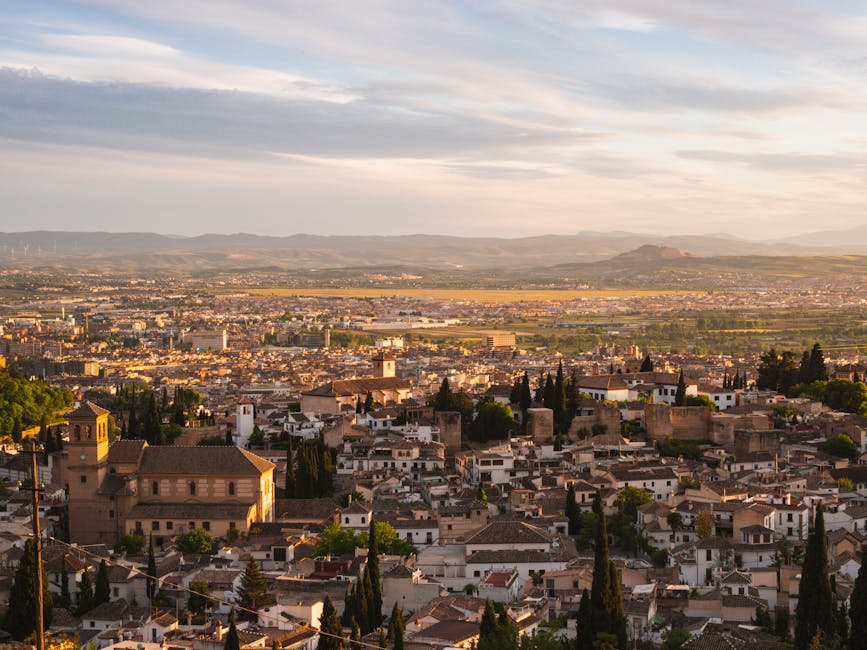
Remember the essentials: book your Alhambra ticket in advance and note the exact entry time; prefer walking to feel the city but use taxis for steep climbs if needed; try tapas away from the big tourist hubs for a more authentic experience; and above all, take time to admire the views — Mirador de San Nicolás at sunset and the Alhambra at sunrise are unforgettable moments. Use the visual markers in the guide to plan your shots and stops.
Finally, adapt the itinerary to your rhythm: if you love history, allocate more time to the Alhambra and museums; if you prefer food, schedule more tapas stops in Centro and Realejo. Granada is meant to be savoured slowly. With this concrete plan you can travel with peace of mind, well prepared, and make the most of 48 hours among the alleys, shaded gardens, guitar notes and Andalusian flavours. Buen viaje — and let me know if you’d like a personalised version of this itinerary based on your dates or dietary preferences.