





Introduction — Granada in a cracked mirror: why we need to rethink Muslim heritage
Granada has, over the past decades, become one of the world’s must-see tourist destinations. The Alhambra draws millions of visitors a year; the narrow streets of the Albaicín and the viewpoints overlooking the Generalife fill countless Instagram feeds. Yet behind the postcard image lies a more complex reality: Granada’s Muslim heritage is not merely a static backdrop to be consumed on a tight schedule. It’s a living, fragmented, sometimes overlooked heritage, often reduced to a few sanctified and overcrowded sites. The aim of this “against-the-grain / anti-guide” is simple: to dismantle clichés, point out what’s overhyped or misunderstood, and offer, for every tourist myth, concrete, precise and accessible alternatives — complete with addresses, prices and opening times — for those who want to experience Granada differently.
I’m not writing to disparage: the Alhambra clearly deserves its historical and artistic reputation. The issue is the monoculture of tourism that turns the experience into a queue, a quick selfie and a plastic souvenir. That model eclipses places, stories and practices that embody Andalusian-Muslim heritage in all its plurality — modest yet original architecture, community uses, lesser-known religious and domestic sites, and an urban geography where artisans, private gardens (cármenes), and historic baths are part of a living culture.
In the sections below I’ll unpick a few received ideas: why the Alhambra, although essential, is often overrated if you’re after real immersion; why the stereotypical viewpoints (Mirador de San Nicolás) tell just one story; how tourist “Arab baths” and folkloric performances can curtail understanding of older practices; and finally why focusing on a handful of clichés harms the local cultural economy. For each critique I offer a solid alternative: exact place name, full address, prices in euros, typical opening hours, and practical tips (best time to visit, respectful behavior, how to get there, and how to book). Read these proposals not as a condemnation but as an invitation to rework your itinerary — to trade haste for attention, images for materiality, and a lightning visit for conversation.
Ready to challenge the postcard and discover Granada’s Muslim heritage in a different light? Here are concrete, pragmatic alternatives that favor depth over spectacle and human connection over cliché.
1) The Alhambra: an indispensable masterpiece turned tourist magnet — and a quieter, more intimate alternative
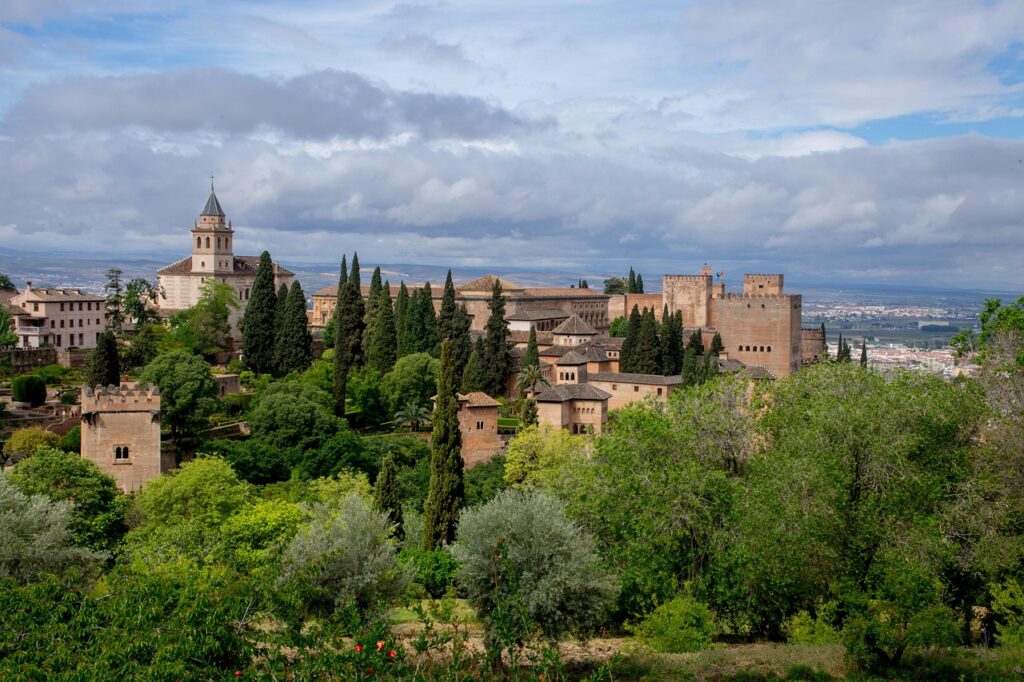
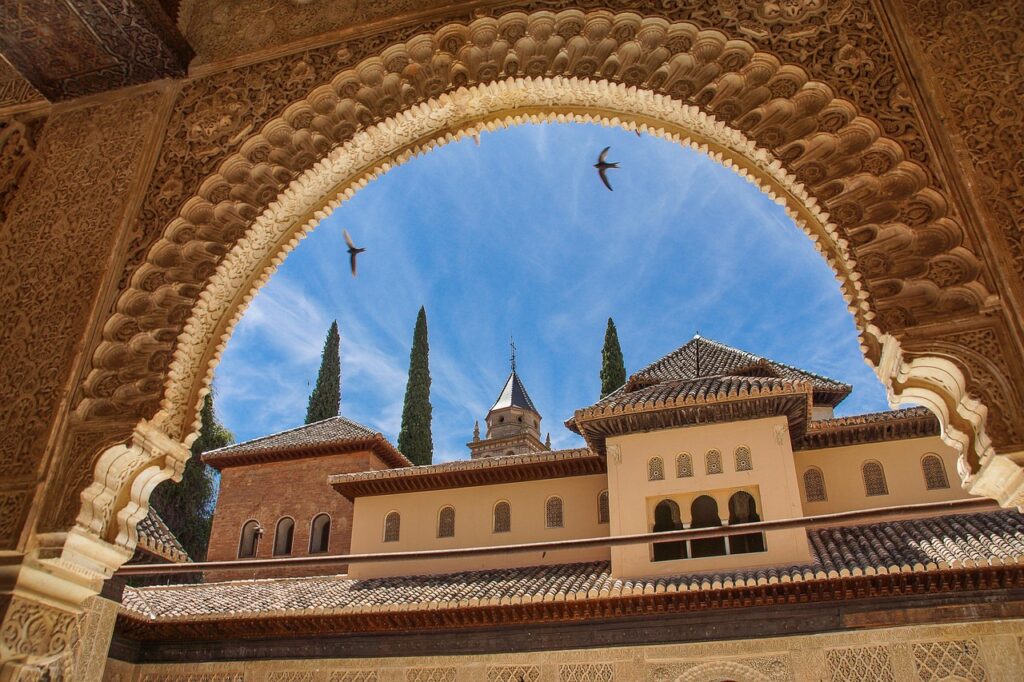
The Alhambra is a major monument of Nasrid art and Islamic architecture in Europe. Its historical and artistic role is undeniable, and I’m not asking you to ignore it. The problem appears when the Alhambra becomes shorthand for “I’ve seen Granada”: rushed reservations, pressured group tours, a single photo at the Silla del Moro viewpoint, and then you’re off. This way of consuming the site reduces the experience to surface-level impressions. In high season, entry slots are strictly timed (tickets are time-stamped and often sold out weeks in advance), and you’ll quickly learn what it means to walk in single file through spaces designed for contemplation.
What’s overvalued: the promise of an “instant” emotional experience when passing through the gates. Many hope for a mystical moment in the Patio de los Leones; in reality, crowds, loud audioguides and queues blunt that perception. Moreover, the Alhambra institutionalizes a highly publicized version of Muslim history — sumptuous, yes, but one that hides the urban, popular and domestic continuities of Granada.
Recommended alternative: visit the Palacio de Dar al-Horra and wander the neighboring cármenes. The Palacio de Dar al-Horra, located at the entrance to the Albaicín, is a lesser-known Nasrid residence rich in late medieval history. It requires far less waiting time and places Nasrid architecture within its urban logic: homes, gardens and everyday uses.
- Place: Palacio de Dar al-Horra
- Address: Plaza de San Miguel Bajo, s/n, 18010 Granada
- Price: typically around €3.00 (indicative — check the municipal website)
- Hours: usually 09:00–14:00 and 16:00–18:00 (closed on some public holidays; check municipal listings)
- Tips: Combine the palace visit with a stroll through the lower Albaicín lanes; favor the morning for the best light on the stones and fewer people.
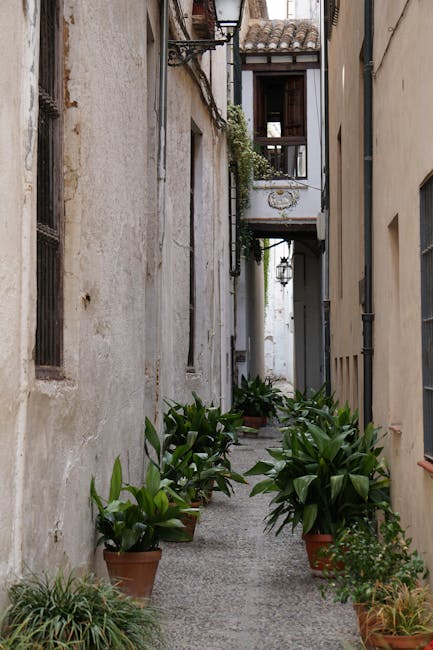
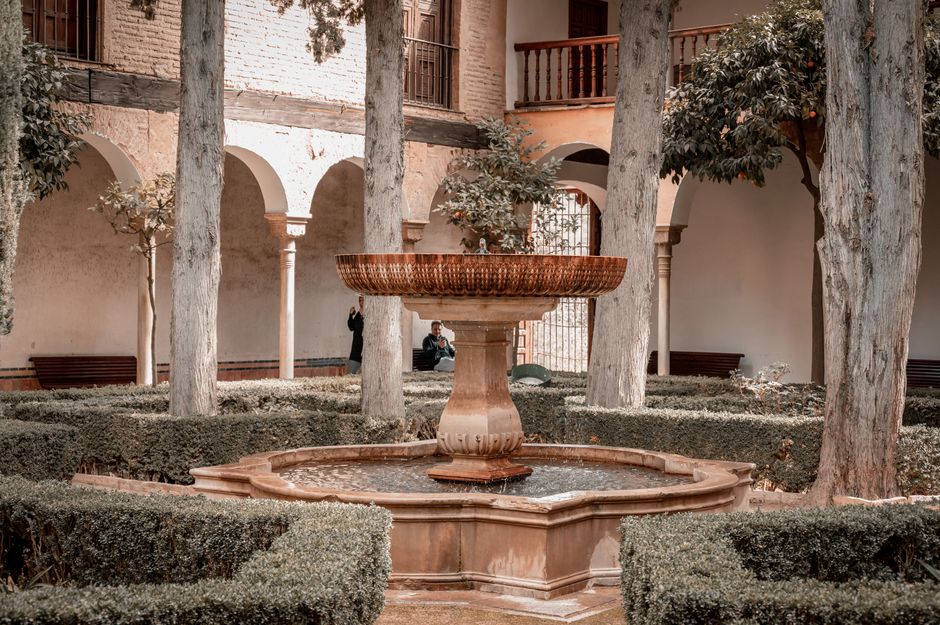
Why this works: Dar al-Horra offers an entry point into Nasrid domestic life — its scale feels more human, and you can sense the residential logic and succession of uses. The surrounding neighborhood contains cármenes — walled private gardens — that show how Grenadines have continued for centuries to live the city-garden relationship inherited from the Muslim period.
2) Viewpoints: beyond San Nicolás — quieter, overlooked panoramas
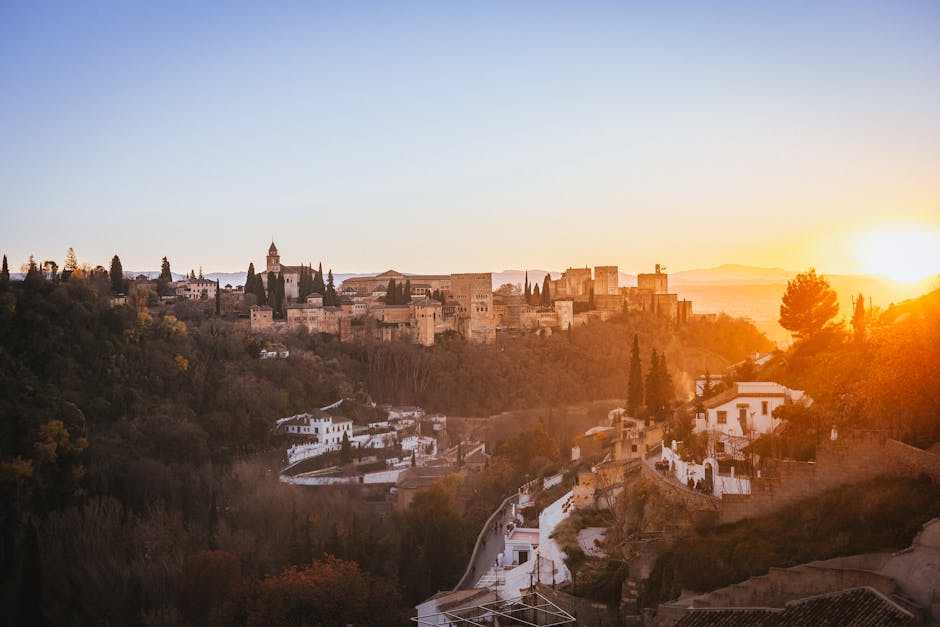
The Mirador de San Nicolás is iconic: panoramic Alhambra views at sunset, impromptu guitarists and singers, packed crowds, and selfie sticks. It’s romantic, yes, but also extremely busy and commercialized. This viewpoint now operates like a tourist product: music, vendors and long waits overlay the contemplative experience. The result: many people leave without really looking, satisfied with a photo that proves they “did” Granada.
What’s overvalued: the idea that the best viewpoint equals the most famous one. Crowds create a snowball effect: tour operators stop there, and the quality of the view gets drowned out by social performance (posers, tour buses, snacks). For those seeking an intimate encounter with the city and its Muslim topography, quieter alternatives offer not only a more peaceful view but a more meaningful historical context.
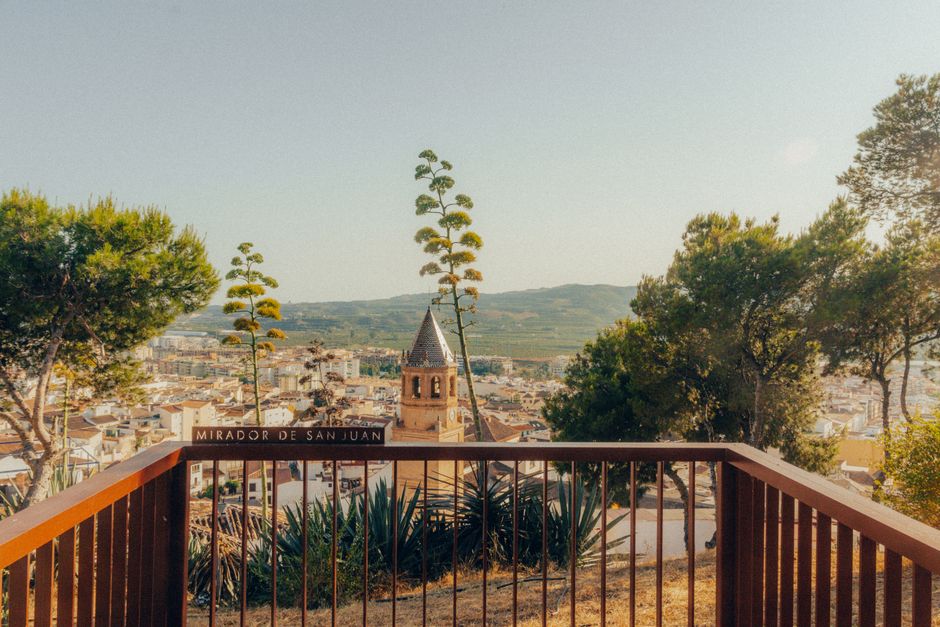
Recommended alternatives: Mirador de San Cristóbal and Mirador de la Lona. These lesser-known vantage points provide different perspectives and let you observe the city’s relief and urban cross-sections — notably the arrangement of gardens and rooftops — which helps to understand the Islamic structuring of space.
- Mirador de San Cristóbal — Address: Paseo de los Tristes / C. San Cristóbal, 18010 Granada
- Price: free
- Hours: accessible 24/7; favor the blue hour (30–60 minutes after sunset) for soft light and fewer people
- Mirador de la Lona — Address: Plaza de San Miguel Bajo, 18010 Granada (towards the upper part of the Albaicín)
- Price: free
- Hours: accessible all day; morning is generally peaceful
Local tips: take the lanes that climb behind the Carrera del Darro to reach San Cristóbal; the walk follows the river and retains fragments of everyday life. At Mirador de la Lona, look for local cafés where you can sit without being hassled by street vendors. From these spots you’ll see how cármenes and small domestic plots create pockets of greenery — a landscape heritage rarely visible from standardized tour circuits.
3) Tourist “Arab baths” versus historic, modest baths
Current tourist-oriented “hammams” (let’s be honest: often modern spas dressed up in oriental décor) promise relaxation and exoticism. They can be excellent for unwinding, but their connection to historic Andalusian practices is frequently repackaged for the market: lounge music, tapas packages, and couples’ deals. The commercial version isn’t necessarily bad, but it can create a homogenized experience far from the social and hygienic functions of the Nasrid era.
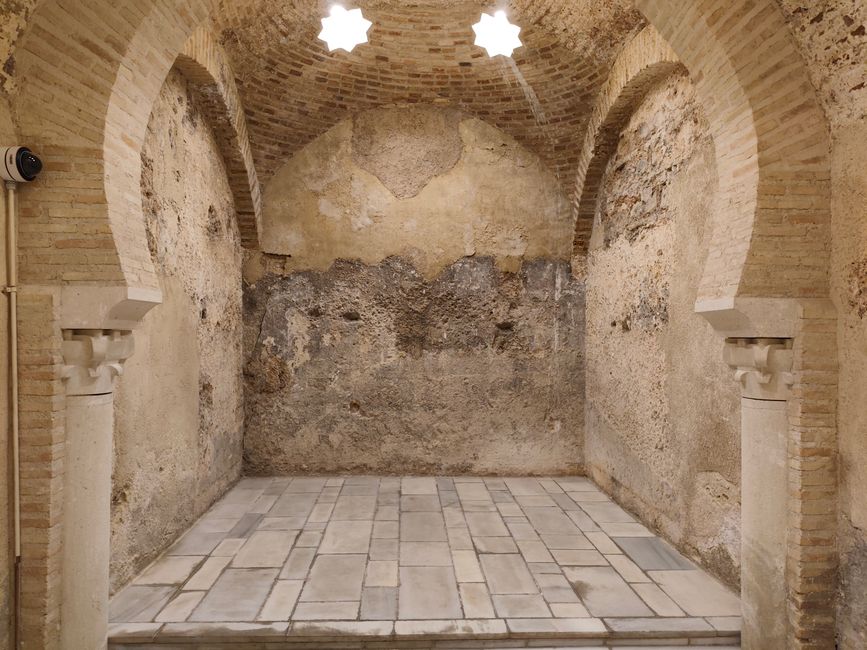
What’s overvalued: the belief that every themed “Arab bath” faithfully preserves an unbroken ancestral heritage. In reality, Granada has authentic, minimalist bath remains that better tell the story of daily life and architectural technique: heat management, ducts and materials, without the tourist gloss.
Recommended alternatives: El Bañuelo (Baños Árabes) and a genuinely local bathing experience in a long-established center off the main tourist tracks.
- El Bañuelo (Baños Árabes)
- Address: Calle Horno de Oro, 1, 18010 Granada
- Price: around €2.50 (museum/site admission)
- Hours: generally 09:00–20:00 (check for holidays and winter hours)
- Tips: the visit is short (30–45 minutes); combine it with a coffee stop in a traditional tetería in the Albaicín.
Why choose El Bañuelo: it’s a direct architectural testimony to Andalusian bathing practices. Historically documented baths — modest in scale — reveal technical solutions (vaults, hypocaust systems, niches) and a social organization overlooked by modern hammam spectacles. After the visit, head to Plaza Larga to meet local artisans and browse small shops — signs of a local economy that continues to extend the cultural heritage.
4) Museums, workshops and living spaces: escape folkloric staging
Many visitors reduce Muslim heritage to a folkloric staging: cave flamenco shows, themed restaurants, and souvenir shops. This carries two risks: it standardizes culture — reducing it to a product — and sidelines institutions that research, restore and transmit traditional skills. Local museums and artisan workshops tell the story from another angle: techniques, materials, family continuities and everyday practices.
What’s overvalued: thinking that the best cultural insight comes from an evening show. Performances have their place, but they don’t replace the analytical and participatory approach that museums and workshops provide.
Concrete alternatives:
-
Corral del Carbón — a former Nasrid alhóndiga later used as a theater and cultural agora
Address: Calle Mariana Pineda, 10, 18001 Granada
Price: often free entry; exhibitions usually €1–3 depending on programming
Hours: generally 10:00–18:00 (variable with municipal events)
Why: it’s one of the few large surviving examples of Nasrid civil and commercial architecture transformed into a living venue for exhibitions and concerts; you’ll feel the continuity between commerce, politics and urban sociability. -
Museo Cuevas del Sacromonte — to understand troglodyte dwellings and cultural layering
Address: Barranco de los Negros, 18010 Granada (near Sacromonte; check exact access on the official site)
Price: around €3–5 (depending on exhibitions)
Hours: 10:00–18:00 (seasonal variations apply)
Tip: prefer guided tours — they contextualize the cave, craft traditions and everyday life. -
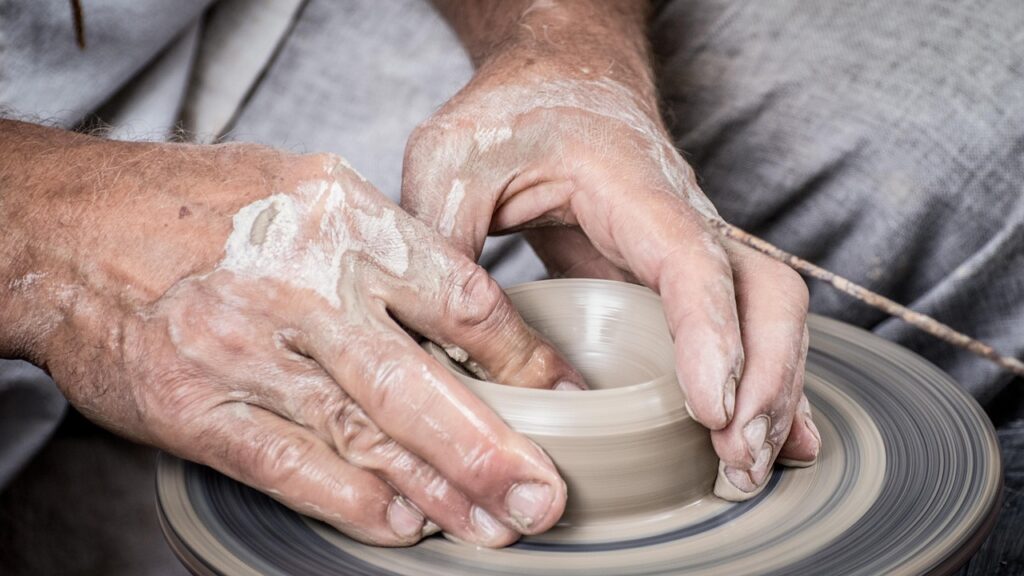
Ceramics artisan workshop / Albaicín — several local potters open by appointment; ask the Tourist Office (Plaza del Carmen, 7) for addresses
Price: workshops and demonstrations €10–25 depending on duration; you can buy unique pieces
Hours: by appointment, often 10:00–14:00 and 16:00–19:00
Why: meeting an artisan helps you understand techniques and influences (shapes, motifs, glazes) inherited from Islamic craftsmanship in Andalusia.
Practical tips: check with the Municipal Tourist Office (Plaza del Carmen, 7, 18009 Granada); they often have brochures in several languages and contacts for workshops. Prioritize national or municipal museums — they tend to present more nuanced research and exhibitions than private attractions that lean on staging.
Conclusion — Recompose the experience: depth, respect and responsibility
Questioning clichés doesn’t mean rejecting what’s popular, but recognizing that popularity changes things. In Granada, Muslim heritage is both an artistic treasure (the Alhambra) and a living urban fabric (Albaicín, Sacromonte, cármenes, cisterns, baths). If you want an authentic encounter with this heritage, favor time, a variety of places and local contacts: modest palaces like Dar al-Horra, historic baths like El Bañuelo, less crowded viewpoints, neighborhood museums and artisan workshops. These alternatives offer a richer and fairer representation of what Andalusian-Muslim heritage produced — not only splendor but also ways of living and transforming urban space.
Practical notes: always double-check hours and prices before you go — municipal museums and historic sites regularly update openings by season. Book early when needed (the Alhambra, yes, and some workshops in high season). Finally, adopt a respectful attitude: don’t interrupt services, don’t climb fragile structures for photos, ask permission before taking portraits, and if you buy local craft, prioritize artisans who live and work in Granada rather than imported goods sold in hyper-touristy zones.
By taking a little more time and choosing the routes I suggest — Palacio de Dar al-Horra (Plaza de San Miguel Bajo, s/n — approx. €3.00, 09:00–14:00 / 16:00–18:00), El Bañuelo (C. Horno de Oro, 1 — approx. €2.50, 09:00–20:00), Mirador de San Cristóbal (Paseo de los Tristes / C. San Cristóbal — free, morning and blue hour recommended), Corral del Carbón (C. Mariana Pineda, 10 — often free entry), Museo Cuevas del Sacromonte (Barranco de los Negros — approx. €3–5) — you’ll help diversify tourism impact, support modest but essential places, and feel Granada not as a checkbox but as an extended conversation.
Ultimately, Muslim heritage in Granada is multiple: palatial, domestic, landscape, technical and living. To truly understand it you need to step away from the crowds and return to the details — the walls, the channels, the small squares where city life plays out. The thoughtful traveler doesn’t settle for one photo; they seek the question behind the image. If you come back, you’ll see that Granada, with enough attention, always reveals other angles — less popular but truer.