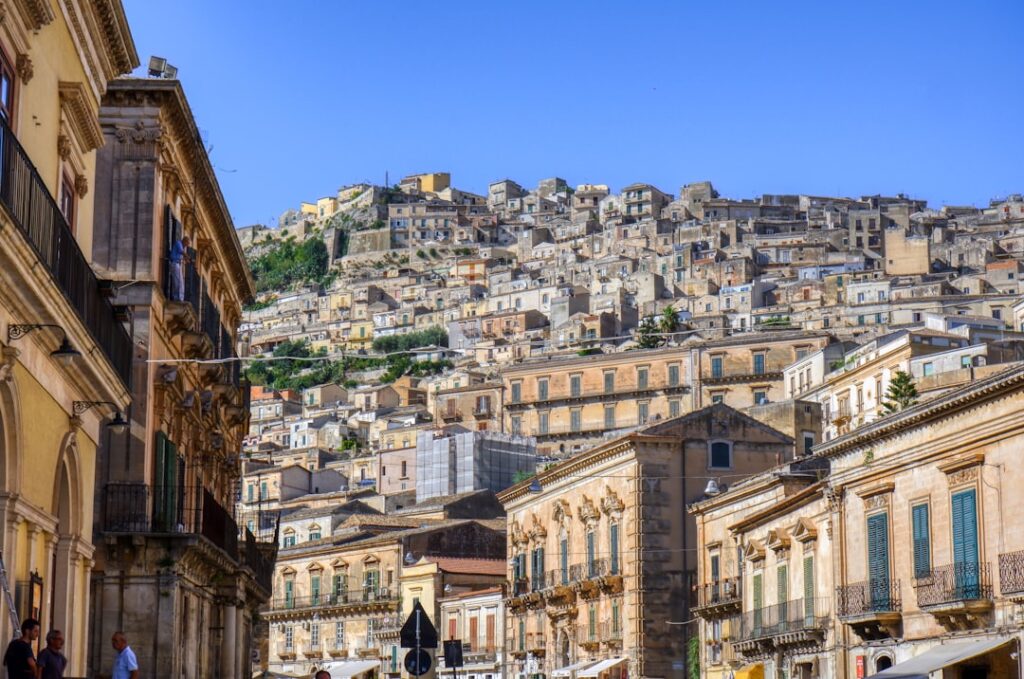





Introduction — Why explore the Albaicín and Sacromonte in Granada?
The Albaicín and Sacromonte are two of Granada’s most iconic neighborhoods, clinging to the hills opposite the Alhambra and woven into the city’s soul. They hold centuries of history, cultural coexistence and living traditions: narrow cobbled lanes, whitewashed houses, miradors with breathtaking views, gypsy caves transformed into flamenco tablaos, secret gardens and Nasrid ruins. Whether you’re a curious traveler, a photography buff, a history lover or someone searching for authentic local experiences, the same question keeps coming up: is it better to visit these neighborhoods with a live guide, an audio guide, or on your own? This article answers that practically and in detail, describing key sites, addresses, opening times, indicative prices and local tips to get the most out of each option.
A guided tour (with a professional guide) provides historical context, local anecdotes and easier access to places that can be tricky to find. Audio guides and mobile apps offer autonomy, flexibility and the freedom to go at your own pace — ideal for independent travelers who like to dive deeper on their own schedule. Finally, going solo — with good prep — lets you explore freely, linger in a café or on a viewpoint, and shoot sunset photos without time constraints. Below we’ll break down the pros and cons and make practical recommendations for each main site: Mirador de San Nicolás, Carrera del Darro and Paseo de los Tristes, Casa de Zafra and the Albaicín Interpretation Center, Carmen de los Mártires, the Abbey of Sacromonte, the cave tablaos (zambra) and the Museo Cuevas del Sacromonte.
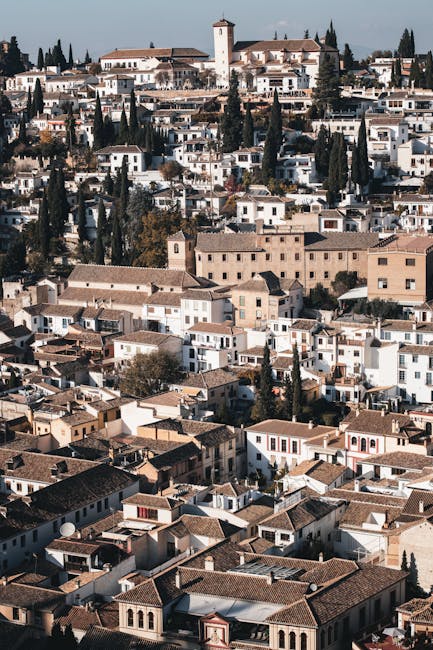
1) Mirador de San Nicolás, Plaza de San Nicolás, s/n, 18010 Granada — The must-see view: guided, audio or solo?
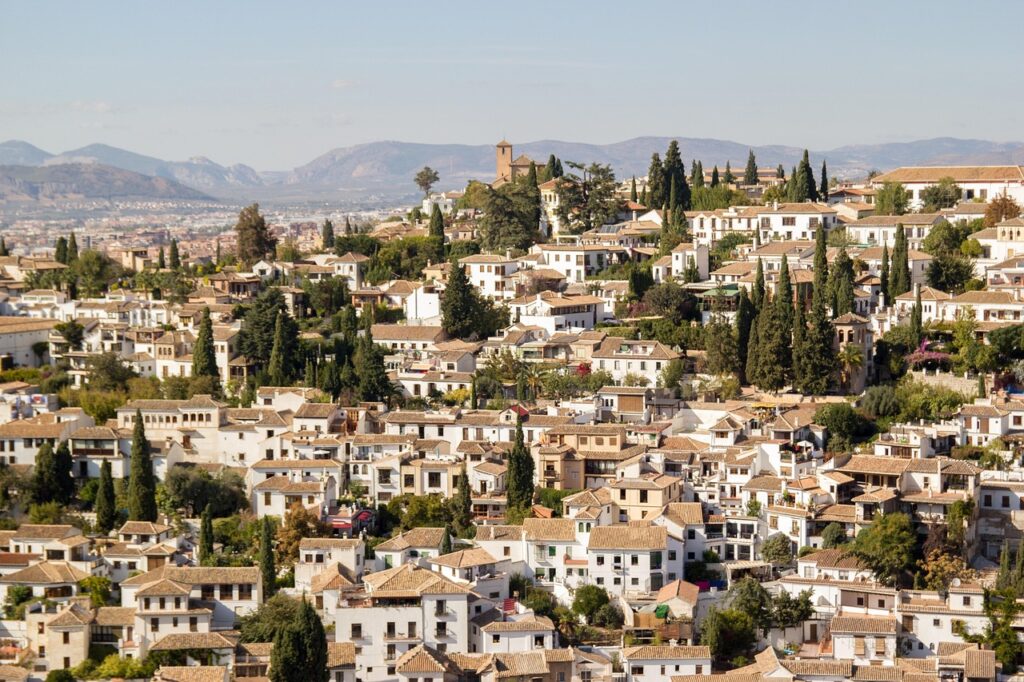
The Mirador de San Nicolás, at Plaza de San Nicolás, s/n, 18010 Granada, is probably Granada’s most photographed viewpoint. Facing the Alhambra and overlooking the city, it offers a spectacular panoramic view, especially at sunset. Access is free. The mirador is lively year-round, often crowded with street performers, souvenir sellers and tourist groups. Opening hours: it’s a public space open 24/7, but the best time is usually 18:00–21:30 in spring and summer. Local tip: arrive about 45 minutes before sunset to secure a good spot and make the most of the light.
Guided tour — Pros: a local guide will explain Nasrid history, the architectural significance of the Alhambra, and point out specific features in the panorama. Guides also know the best photo angles and can suggest short complementary walks through the Albaicín. Cons: the area around groups can be busier, and you’ll lose some intimacy.
Audio guide — Pros: compact, often available in multiple languages through an app, and lets you sync narration with what you’re seeing. Cons: it relies on GPS signal, lacks human interaction, and won’t give you live photography tips.
Solo — Pros: complete freedom to listen to the sounds, take photos and soak in the moment; perfect for sunrise photographers. Cons: you’ll likely miss deeper historical context unless you’ve researched beforehand.
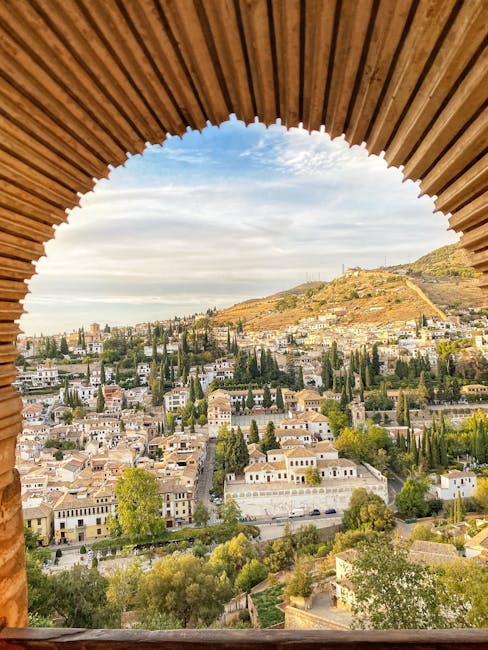
2) Historic Albaicín — streets, carmenes and interpretation centers (Casa de Zafra, Albaicín Interpretation Center)
The Albaicín is a maze of lime-washed lanes, intimate squares and carmenes — walled gardens typical of Granada. To understand how the neighborhood evolved from the Islamic era to the Christian period, two sites are particularly useful: Casa de Zafra (the Albaicín Interpretation Center) and the Carmen de los Mártires.
– Casa de Zafra / Albaicín Interpretation Center: This center, housed in a historic home, offers explanatory panels, models and exhibits about the neighborhood’s topography and history. Approximate address: Callejón de las Monjas (historic center of the Albaicín), 18010 Granada. Indicative opening hours: 10:00–18:00 (subject to change; weekly closures possible). Price: typically between €2 and €4. Tip: check the municipal website for exact opening times and guided tour reservations.
– Carmen de los Mártires: Located at Paseo de los Mártires, 2, 18009 Granada, this public garden has terraces, fountains and views of the Alhambra. Hours: generally 09:00–20:00 in high season; entry fee around €3 (reduced rates for students/seniors). The carmenes give insights into aristocratic and landscaped life with orange trees, cypresses and pergolas. Local tip: after visiting the Carmen, walk down through the lanes toward the Carrera del Darro for a riverside stroll.
Guided tour — Pros: a guide will take you through hidden passages, explain the neighborhood’s changing topography and tell the stories behind old houses. Guides can sometimes arrange access to private carmenes that open for special visits. Audio guide — Pros: lets you pause in a carmen or in front of a façade and listen to targeted explanations; ideal for photographers who need time. Solo — Pros: freedom to wander and get pleasantly lost, discovering unexpected viewpoints. Cons: you may get disoriented in the maze and miss contextual information if you haven’t planned your route.
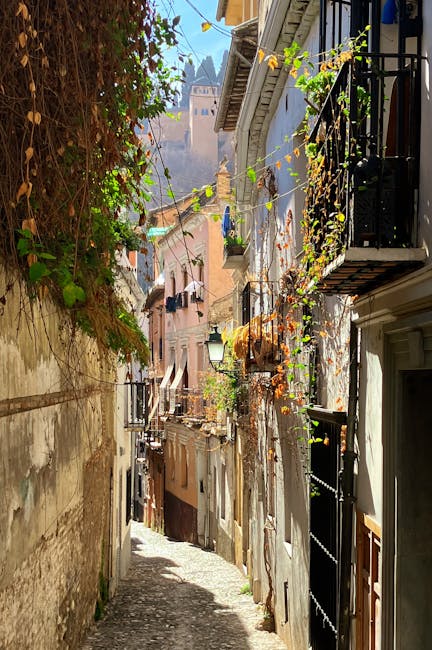
3) Sacromonte — caves, tablaos and the Abbey of Sacromonte: cultural and nocturnal immersion
The Sacromonte, perched on the southeast hill facing the Albaicín, is famous for its cuevas (troglodyte caves) where gypsy traditions and the art of flamenco endure. The neighborhood spreads around Camino del Sacromonte and Romeral del Gallo, in the 18010 Granada postal area. Points of interest include the Museo Cuevas del Sacromonte (a museum and exhibition about cave life and the zambra tradition), the Abbey of Sacromonte and numerous tablaos offering nightly performances.
– Museo Cuevas del Sacromonte: Located in the Sacromonte area (municipal address often listed as Paseo de los Tristes / Camino del Sacromonte, 18010 Granada depending on the main entrance). Hours: variable, typically 10:00–18:00. Price: around €3–5. The museum features reconstructed cave interiors, tools, costumes and old photographs.
– Abbey of Sacromonte: A religious and historic site offering views and collections. Address: Romeral del Gallo, high area of Sacromonte (check the entry signage on site). Hours: services and visits follow a schedule. Price: guided visits or donations recommended. Local tip: combine a daytime visit to the abbey with an evening at a tablao to experience both the sacred and the profane sides of Sacromonte.
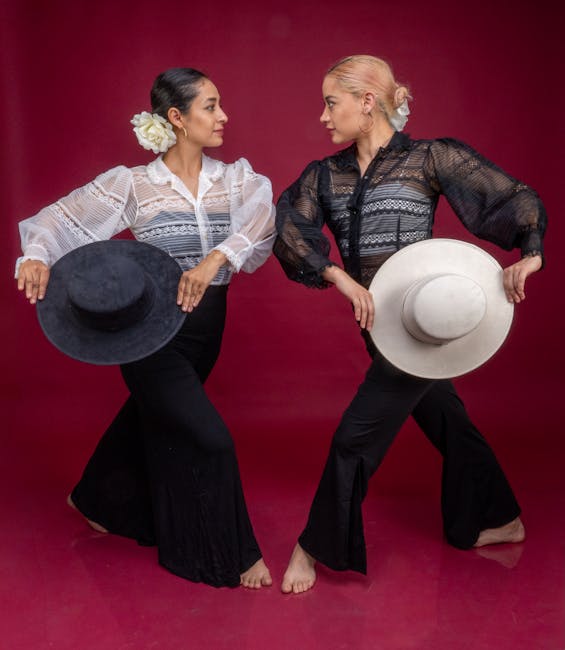
Flamenco shows (zambra) in the caves — Price: €25 to €50 per person depending on the package (often including a drink or dinner). Times: performances usually start between 20:30 and 22:30. Booking is recommended. Guided tour — Pros: a local guide will explain the history of the zambra, the codes of the performance and can secure good seating. Audio guide — Less relevant here: flamenco is a sensory experience best shared live. Solo — You can book a show directly or wander to listen to rehearsals; however, without a guide you risk picking a lower-quality tourist offering.
4) Practical routes, opening times, prices and local tips to choose the best option
Choosing between a guided tour, an audio guide or exploring solo depends on your priorities: cultural depth, flexibility, budget and traveler profile. Here are concrete elements to help you decide, with times, prices and practical advice.
- Guided tour (private or group): Typical duration 2–4 hours for an Albaicín + Sacromonte circuit. Price: group tours from €12–20 per person; private tours €80–180 depending on length and group size. Pros: access to anecdotes, optimized routes, restaurant recommendations and photo tips. Booking: local platforms, tourist offices or official Granada guides. Tip: choose an official guide for solid historical information and language options.
- Audio guide / app: Cost: often €3–10 for a full route (or free via a municipal app). Hours: complete autonomy. Pros: flexibility and the ability to pause. Cons: no interaction, reliance on GPS and battery. Tip: download offline maps (Google Maps or Maps.me) and bring discreet earphones so you don’t disturb residents.
- Solo exploration: Cost: free (aside from museums and carmenes). Typical daily budget: €10–30 for coffees, entrance fees and transport. Pros: your own pace and freedom to photograph. Cons: you may miss contextual information and get lost. Tip: prepare a simple route: Mirador de San Nicolás → Calle Calderería (teashops and crafts) → Casa de Zafra (or interpretation center) → Paseo de los Tristes → climb toward Sacromonte for an evening show.
Practical hours: most museums and interpretation centers open between 10:00 and 18:00 (some closed on Mondays). Public gardens like Carmen de los Mártires open from around 09:00. Flamenco performances start in the evening (between 20:30 and 22:30). Indicative prices to remember: small exhibitions €2–5, garden entries €2–4, shows €25–50, guided tours €12–180 depending on the format.
Essential local tips: wear comfortable shoes (uneven cobbles, steep climbs), carry water especially in summer, respect the residents’ peace (these are residential neighborhoods), avoid dining too late if you have a show, and explore the lanes early in the morning for soft light and fewer crowds. For photography, favor sunrise at the Mirador de San Nicolás or the blue hour after sunset for dramatic panoramas.
Practical transport and safety tips
Getting around: walking is the best option; the lanes are not suitable for cars. Urban buses: lines C30/C32 (seasonal) serve areas near the Albaicín. Taxis: ranks at the bottom of the Albaicín and near Plaza Nueva. Accessibility: some parts of Sacromonte and the carmenes are steep and not always stroller- or wheelchair-friendly.
Conclusion — Which option to choose to discover the Albaicín and Sacromonte?
There’s no single correct answer: each option — guided, audio or solo — has strengths. If your goal is to deeply understand Nasrid and Christian history, hear local anecdotes and access hidden spots, go for a guided tour led by an official Granada guide. For independent, curious travelers, a well-prepared audio guide plus offline maps offers an excellent compromise: moderate price, flexibility and historical content. And if you love to wander, photograph at your own pace and create spontaneous encounters, solo exploration will suit you well, provided you prepare a practical route and follow a few local tips (good shoes, water, respect for residents).
Final recommendation: mix formats if you can. For example, start with a morning guided tour to get context, then spend the afternoon revisiting your favorite spots solo for photography or food discoveries; finish the evening in a Sacromonte cave for an authentic musical immersion. Don’t forget to check current opening hours and prices before you travel (the prices above are indicative and may vary by season). And above all, take the time to slow down: the Albaicín and Sacromonte are discovered as much by listening to their stories as by looking at their stones and panoramas. Buen viaje y disfruta de Granada!