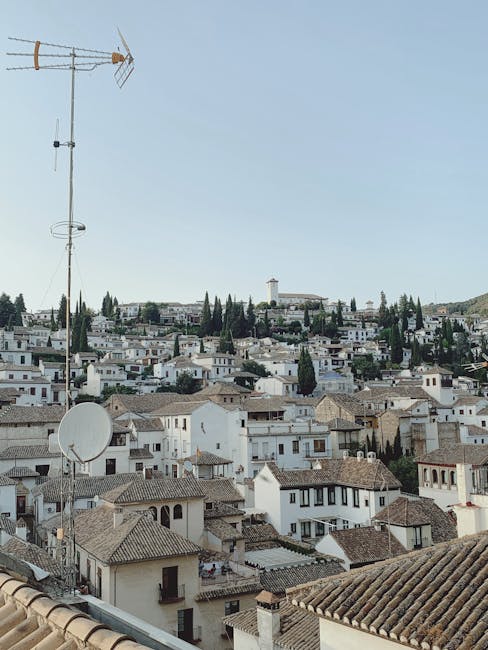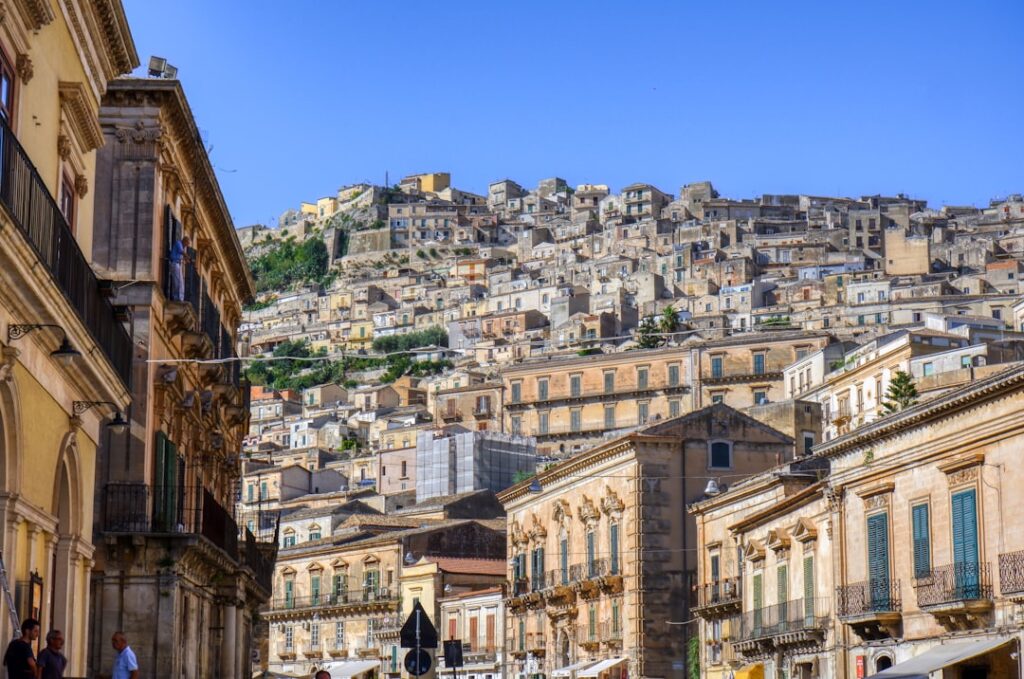





Introduction — Panorama of Granada’s three neighborhoods: Albayzín, Realejo, Centro
Granada reads like a history book, with each neighborhood offering its own distinct chapter: the Albayzín (Albaicín), the Realejo and the Centro (historic city center). These three barrios brush up against one another and answer each other back, each with its own mood, viewpoints and heritage gems that shape Granada’s soul. In this practical, detailed guide I’ll take you deep into each area: exact addresses, opening hours, up-to-date euro prices at the time of writing, immersive descriptions and local tips to help you make the most of your visit — whether you’re here for a short stop or a longer stay.
The Albayzín, perched on the hill opposite the Alhambra, keeps the city’s medieval and Moorish spirit alive: narrow winding lanes, breathtaking miradors, carmenes (flower-filled private gardens around whitewashed houses) and Nasrid-era remains. It’s the neighborhood of views; the air here tastes like time passing slowly. The Realejo, the old Jewish quarter (judería), feels more intimate and bohemian: lively squares, taverns, colourful façades and subtle street art. Finally, the Centro gathers Granada’s administrative and monumental core — the cathedral, the Capilla Real (Royal Chapel), wide boulevards and shopping streets. Together, these three barrios offer a full experience: history, food, photography and unforgettable strolls.
This guide is designed to be both useful and detailed enough to plan your days: exact addresses for monuments and museums, opening hours and admission prices in euros, practical tips (best times to avoid crowds, café or tapas break recommendations, walking connections between sites). Hours and prices can change with the seasons; I’ll also note when to book ahead (notably the Alhambra) and where to enjoy free views. At the end of each section you’ll find local pointers for a more authentic experience: where to catch intimate flamenco, how to spot a well-kept carmen, or which narrow streets to avoid in a storm.
Before we dive into the neighborhood-by-neighborhood breakdown, here are some general pointers you’ll find useful: for major visits (Alhambra, Capilla Real, certain museums) book online several days ahead during high season; aim for early morning or late afternoon for softer light and fewer tourists; wear comfortable shoes — many streets are steep and cobbled; and always carry a paper or offline map: mobile signal can be patchy in the narrowest Albayzín lanes.
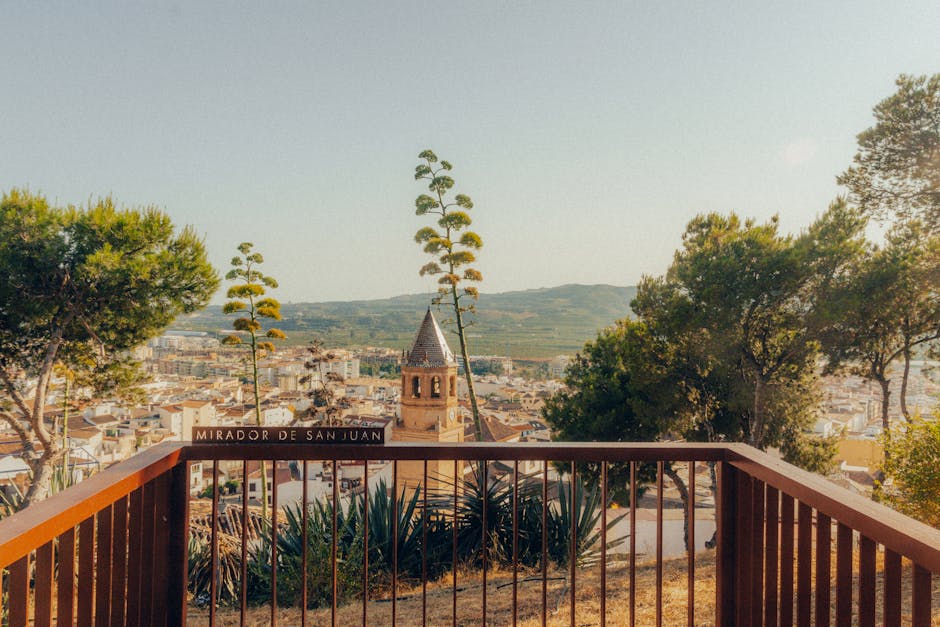
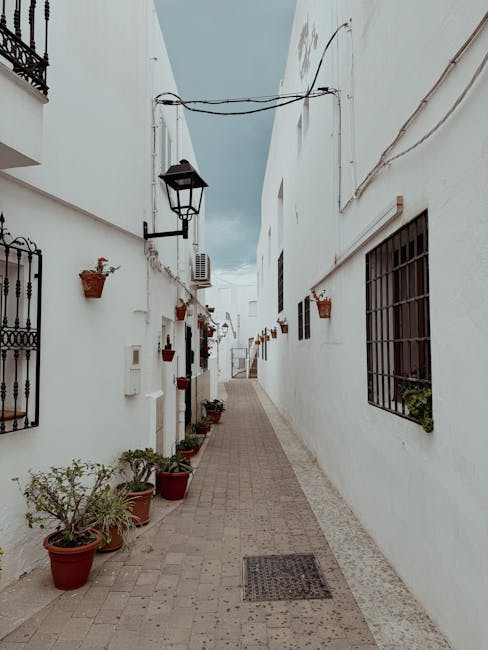
Albayzín — historic maze and viewpoints: key spots, addresses, hours and prices
The Albayzín (Albaicín) is Granada’s historic Hispano-Muslim quarter on the hill facing the Alhambra. Its network of winding streets delivers superb views and little discoveries around every corner. Here are the essential spots to know, with exact addresses, opening times and admission prices.
Mirador de San Nicolás
Address: Plaza de San Nicolás, 4, 18010 Granada.
Description: The Mirador de San Nicolás is the city’s most famous viewpoint over the Alhambra and the Sierra Nevada. At sunset the square fills with visitors, artists and street musicians. The panorama across the Torre de la Vela, the Nasrid Palaces and the Generalife gardens is one of Spain’s most photographed urban scenes.
Opening hours: free access 24/7; surrounding shops and chiringuitos (outdoor cafés) generally open from around 10:00 to 23:30 depending on the season.
Price: free to enter the square. Some terraces and cafés charge for food and drinks — expect €2.50 to €8.00.
Baños del Bañuelo (the old Arab baths)
Address: Calle Santa Ana, 15, 18010 Granada.
Description: The Bañuelo is one of Spain’s best-preserved Arab baths, dating from the Nasrid period. The restored spaces let you imagine daily life around these thermal complexes. The atmosphere is intimate, the architecture restrained yet full of grace.
Opening hours: typically 10:00–18:00 (closed Mondays); times vary by season so check before you go.
Price: around €3.00 for entry (reduced fares for students and seniors roughly €1.50). These rates can change — confirm online.
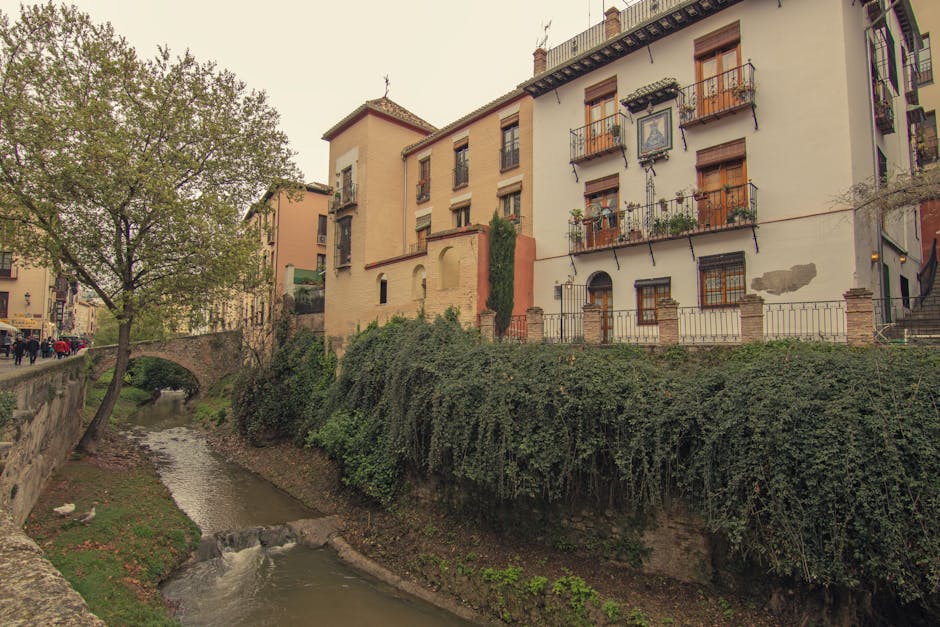
Paseo de los Tristes and Carrera del Darro
Address: Paseo de los Tristes, 18010 Granada / Carrera del Darro, 5, 18010 Granada (some venues).
Description: These two roads along the Darro river are perfect for a stroll by the water, with old bridges and picturesque façades. In the evening, lit terraces create a romantic vibe. Don’t miss views of the Cabrera bridge and the Alhambra silhouette from the opposite bank.
Opening hours: walks are open at all times; restaurants and bars usually operate 12:30–16:00 and then 20:30–00:30.
Price: free to walk; café tapas typically €2.00–€8.00 per plate.
Carmen de los Mártires
Address: Calle Campo del Príncipe, 1, 18009 Granada.
Description: The Carmen de los Mártires is a historic garden next to the Alhambra with lawns, viewpoints and a small romantic palace. It’s ideal for a quiet stroll away from the crowds at San Nicolás. The gardens offer different perspectives on the city and shady corners for reading or a picnic.
Opening hours: usually 09:00–20:00 in high season; 09:00–18:00 in low season. Hours may vary, so check ahead.
Price: free access to the main garden; guided visits or entry to the small palace are sometimes charged (€1.50–€3.00 depending on the activity).
Local tips: To make the most of the Albayzín, intentionally get lost in the lanes early in the morning (before 10:00) to avoid crowds and capture soft light for photos. Climb up via the Cuesta de los Chinos from Plaza Nueva for a gentler ascent rather than the steeper alternatives. If you’re after a meal with a view, try Restaurante Mirador de Morayma (Calle Pianista García Carrillo, 2, 18010 Granada): Andalusian dishes, main courses typically €12–€18, open 13:00–16:00 and 20:30–23:00.
Realejo — bohemian vibe, Jewish history and foodie addresses
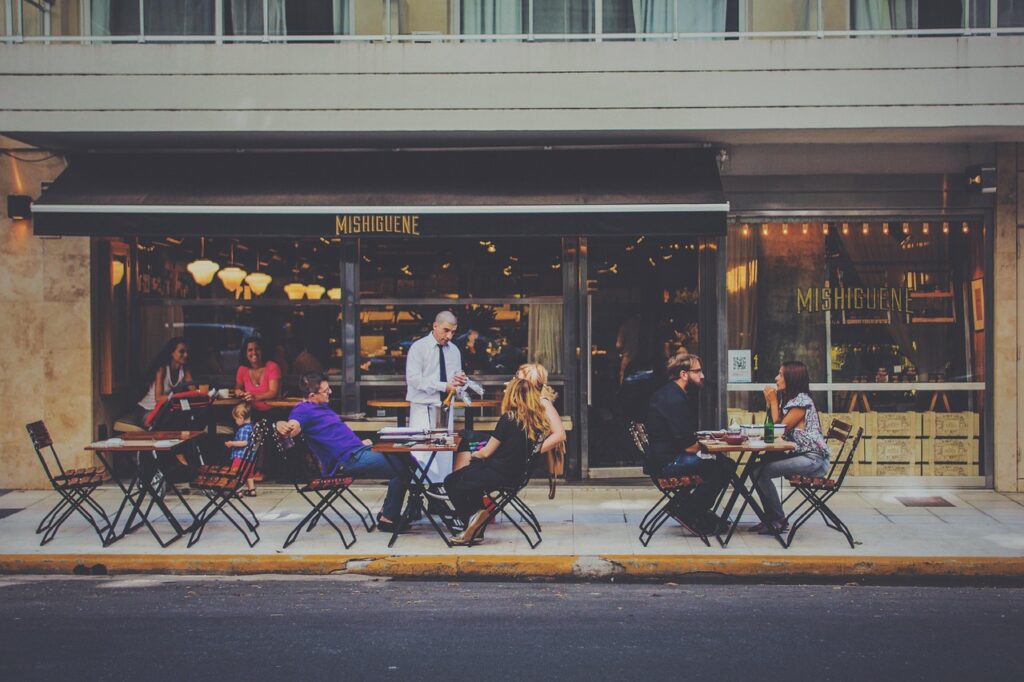
The Realejo is Granada’s former Jewish quarter, wedged between the Alhambra and the city centre. Less touristy than the Albayzín, it’s full of neighbourhood life: quiet squares, small art galleries, taverns and a strong artistic personality. It’s best explored on foot to soak up the atmosphere: colourful façades, patios, political graffiti and quality restaurants. Here’s what to keep in mind.
Plaza de los Campos & Plaza de la Romanilla
Addresses: Plaza de los Campos, 18009 Granada / Plaza de la Romanilla, 18009 Granada.
Description: These small squares act as Realejo meeting points. They host outdoor cafés, tapas bars and occasional markets. The vibe is relaxed and very local, especially in the late afternoon and evening. The squares are a great base for exploring nearby alleys where artists’ studios hide.
Opening hours: lively throughout the day; cafés generally open 09:00–23:00, tapas bars 12:30–16:00 and 20:30–00:30.
Price: coffee €1.50–€2.50; tapas €2.00–€6.00 depending on the venue.
Centro Federico García Lorca — House Museum Foundation
Address: Placeta de San Felipe Neri, 1, 18010 Granada (Centro Lorca in the Realejo neighbourhood / nearby placeta).
Description: Poet Federico García Lorca has deep roots in Granada; the Centro Federico García Lorca houses archives, rotating exhibitions and cultural information about his life and work. A place of memory and cultural events, it offers visits that help explain Lorca’s importance to Andalusian identity.
Opening hours: generally 10:00–19:00; closed on some public holidays. Check the exhibition calendar for concerts or readings.
Price: admission usually €3.00–€5.00 (reduced rates for students). Some events may have separate fees.
Museums and street art
Realejo hosts several small museums and many murals by local artists. The Museo Parque de las Ciencias isn’t in Realejo itself, but the neighbourhood’s cultural energy makes it a great starting point for a day of cultural roaming. Streets like Callejón de las Monjas and Calle San Matías brim with galleries and café-studios.
Hours & prices: private galleries are often free; local museums charge €2.00–€8.00 depending on the exhibition.
Foodie recommendations
- Bar Kike (Callejón de la Condesa, 2, 18009 Granada) — traditional tapas; tapas €2.00–€4.50; open 12:30–16:00 and 20:30–00:00.
- Taberna La Tana (Calle Rosario, 11, 18001 Granada — on the edge of Realejo) — renowned wine cellar; tapas €3.00–€7.00; open 13:00–16:00 and 20:30–00:00.
- Café 4 Gatos (Calle de Frailes, 1, 18010 Granada) — coffee, pastries and small plates; open 09:00–22:00, lunch prices around €8–€15.
Local tips: Realejo is ideal for a tapas-hopping route. Unlike the most touristy spots, ask servers for recommendations — they’ll often point you toward homemade ‘raciones’ that are better and cheaper. In the evening, favour the little lanes to catch impromptu concerts or street performances. As everywhere, don’t leave valuables visible in your car when you stop for a drink — stay cautious.
Centro — cathedral, Royal Chapel and urban lifestyle: must-see sites and practical info
Granada’s Centro is the city’s administrative, commercial and religious heart. You’ll find the main civic and religious monuments here, including the Catedral de Granada (Granada Cathedral) and the Capilla Real (Royal Chapel), as well as Plaza Nueva, the shopping street Gran Vía de Colón and numerous historic cafés. This area suits both monument sightseeing and relaxed café stops.
Catedral de Granada (Cathedral) and Capilla Real (Royal Chapel)
Cathedral address: Calle Gran Vía de Colón, 5, 18001 Granada.
Capilla Real address: Calle Oficios, s/n, 18001 Granada (just behind the cathedral).
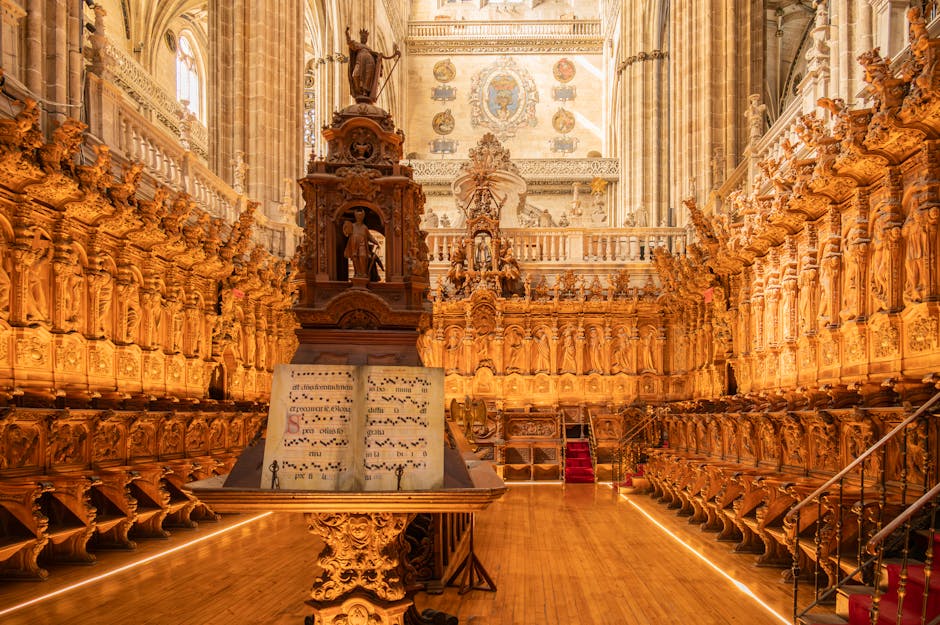
Description: Built between the late 15th and 17th centuries, Granada Cathedral blends Gothic, Plateresque and Baroque styles. Next door, the Capilla Real holds the tombs of the Catholic Monarchs (Isabella I of Castile and Ferdinand II of Aragon), along with sacred artworks and relics. The Royal Chapel is especially rich in historical significance.
Opening hours: Cathedral: typically 10:00–18:00 (hours vary by season). Capilla Real: 10:00–18:00 (closed on some holidays; times usually aligned with the cathedral). Check online for mass times that can restrict access to parts of the buildings.
Price: combined Cathedral + Capilla Real ticket around €7.00–€8.00; individual Capilla Real entry roughly €5.00. Reduced rates for students and seniors (often around 50% off).
Plaza Nueva and Alcaicería (historic market)
Plaza Nueva address: Plaza Nueva, 18010 Granada.
Description: Plaza Nueva is a hub between the Albayzín, the Alhambra and the Centro. Many walking routes start here. The Alcaicería, once a Muslim commercial quarter, is now a maze of shops selling ceramics, scarves and handmade souvenirs. The alleys around the cathedral are full of traditional shops and pastry shops.
Opening hours: shops usually 10:00–14:00 and 17:00–20:30; pastry shops and cafés open earlier (08:00–20:00).
Price: artisan goods from €3.00 (small souvenirs) up to €80+ for higher-quality pieces (ceramics). Pastries like piononos €1.50–€3.00.
Gran Vía de Colón and city life
Gran Vía de Colón is Granada’s main shopping street, lined with international stores, bookstores and cafés. It’s a great place to take a shopping break or sit for a coffee and watch city life. Several large hotels and higher-end restaurants are located here.
Opening hours: shops 10:00–21:00 (some hotels and restaurants open later). Big stores often extend hours in July and August.
Price: terrace coffee €1.50–€3.50; lunch in a central restaurant €12–€25 per person.
Local tips: To visit the Capilla Real, book a morning slot (10:00–11:30) to avoid tour groups. If you want to attend mass at the cathedral, check posted schedules at the entrance — that may temporarily restrict access to some areas. For a traditional dessert, search out patisseries serving the « pionono de Santa Fe » (Pionono de Santa Fe, 18009 Granada) — a small round sweet often enjoyed with coffee. Also, take time to wander the Alcaicería shops for handmade goods — discreet haggling is sometimes possible on certain items.
Suggested routes, transport and practical tips for visiting the three barrios
To get the most out of visiting the three barrios, here are route suggestions and logistical tips: recommended visit times, getting around and best practices. These itineraries suit different paces — from a focused half-day to a full multi-day exploration.
Half-day route (focused morning)
- 08:30–10:00: Albayzín — start early to enjoy empty lanes and the Mirador de San Nicolás at sunrise (free).
- 10:15–11:00: Descend via Paseo de los Tristes and Carrera del Darro, quick coffee break (Carrera del Darro cafés open from 09:00; coffee €1.50–€2.50).
- 11:15–12:30: Centro — visit the Cathedral (Calle Gran Vía de Colón, 5) and the Capilla Real (Calle Oficios, s/n). Combined ticket roughly €7.00–€8.00.
Full-day itinerary
- Morning: visit the Alhambra (advance online booking required, address Calle Real de la Alhambra, s/n, 18009 Granada). Tip: morning slots give better light and fewer crowds. Alhambra admission (Nasrid Palaces included): about €16.00 — prices vary by season; check the official ticketing site.
- Lunch: in the Realejo, enjoy tapas and wine in a local taberna (budget around €12–€20 per person).
- Afternoon: wander Realejo (galleries, plazas) then visit the Cathedral and Capilla Real.
- Evening: return to Mirador de San Nicolás for sunset or catch an intimate flamenco show in Sacromonte (small tablaos around €15–€30 depending on the package).
Transport and walking
Granada is a very walkable city, but there are urban buses and taxis. The bus network (local transport consortium) links the neighborhoods well; single fares are usually around €1.30–€1.50 (year-dependent). Taxis have a minimum fare (monto mínimo) of about €3.50–€4.00, then charge per kilometre. Note that the Albayzín is not very car-friendly: prefer walking or park in public garages (paid parking in the centre, rates vary). Taxis can be handy for getting up to the Alhambra area if you’re short on time.
Practical tips: always carry water, especially in summer (July–August) when temperatures can exceed 35 °C. The best months to visit are May–June and September–October, when weather is pleasant and crowds are lighter. For photographers, golden hour from Mirador de San Nicolás or Paseo de los Tristes delivers memorable shots. Finally, respect places of worship: keep noise down and avoid photos where they’re prohibited.
Conclusion — The vitality of the three barrios: experience Granada to the full
Albayzín, Realejo and Centro form a lively triangle that concentrates the essence of Granada. The Albayzín offers sweeping views and a contemplative atmosphere, the Realejo unfolds a bohemian, foodie energy, and the Centro embodies monumental grandeur and urban life. By mixing morning visits, culinary breaks and evening walks you’ll capture the city’s many facets: history, aesthetics, taste and friendliness.
Practical takeaways: book Alhambra tickets ahead (Calle Real de la Alhambra, s/n, 18009 Granada — Nasrid Palaces indicative price €16.00; times depend on ticket type); plan your Cathedral visit (Calle Gran Vía de Colón, 5, 18001 Granada) together with the Capilla Real (Calle Oficios, s/n) for a full tour of religious heritage (combined ticket €7.00–€8.00); and enjoy Realejo’s small local stages for tapas and contemporary art. The prices quoted here (museums, Arab baths, guided tours) are indicative and may change — check official sites or call ahead if your budget or schedule is tight.
For a truly authentic experience, leave time to wander — some of the best discoveries happen down a stairway or in a small square where an impromptu concert breaks out. Talk to shopkeepers and ask for their recommendations: they often point you to the best tapas and little bodegas. Above all, respect the city and its residents: keep quiet in residential parts of the Albayzín, be mindful of accessibility on steep climbs, and be prepared to walk — Granada is best experienced on foot.
Enjoy your time in Granada: may your steps take you from the Mirador de San Nicolás to the colourful alleys of the Realejo, and on to the majesty of the Cathedral and Royal Chapel. These three barrios give you a complete picture of Andalusian culture — history, food and urban panoramas.