





Introduction: Granada, a mosaic of barrios with distinct vibes
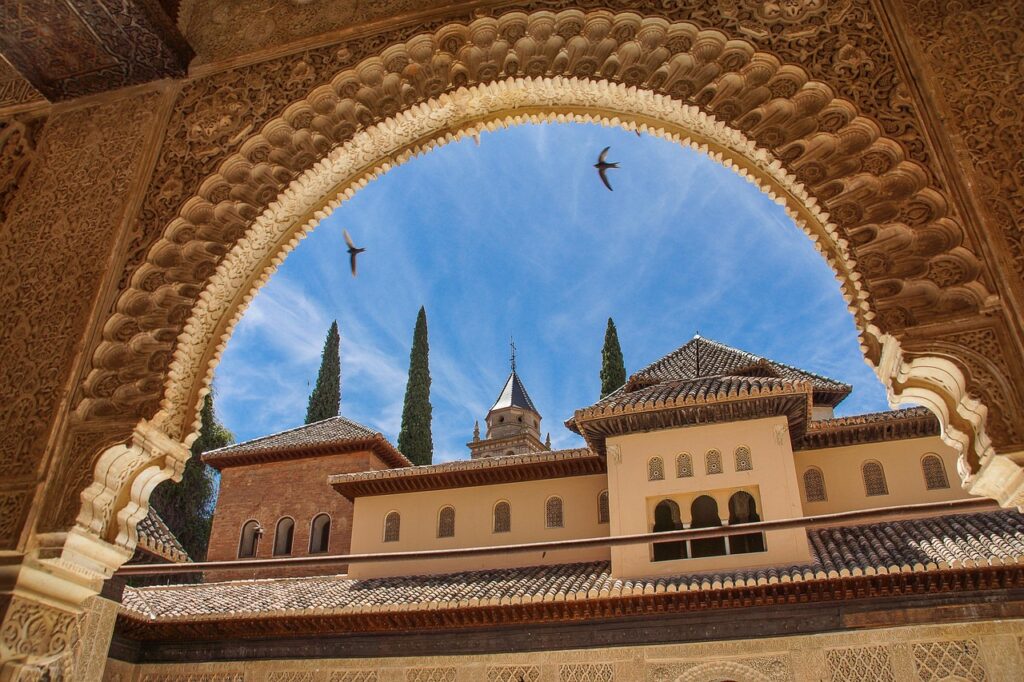
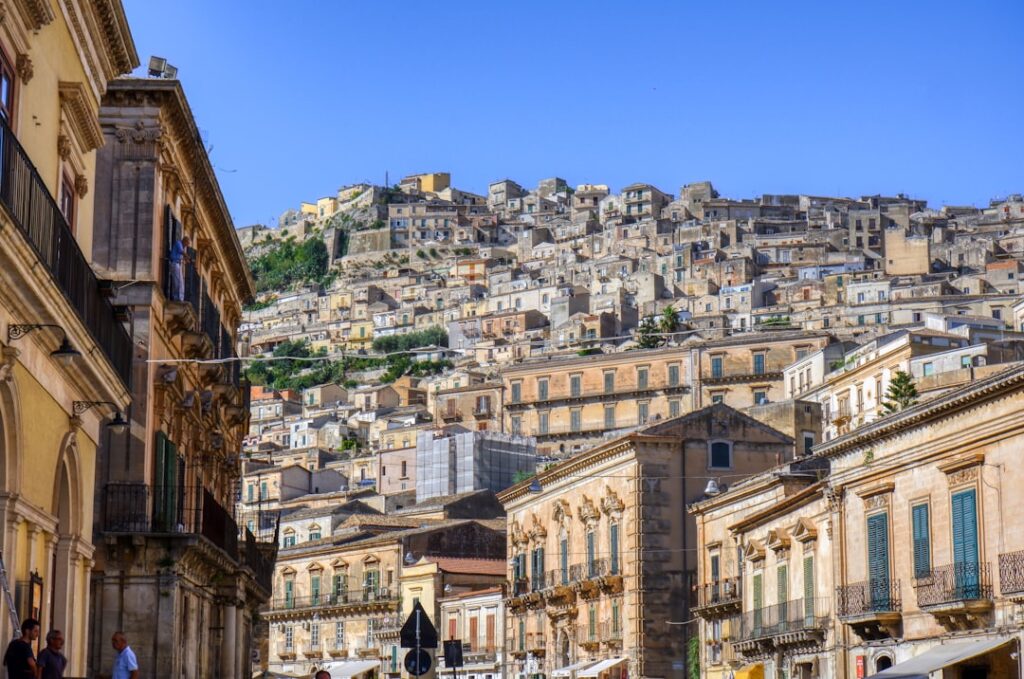
Granada is a city where each barrio tells a different story — a cultural palimpsest layered with Moorish, Christian and Andalusian influences. The city’s soul isn’t limited to the towering Alhambra: it spills into the white alleys of the Albaicín, the sunlit viewpoints, the Sacromonte caves where guitar and song take on an almost sacred resonance, the bustling shopping streets of the historic center, and even the more contemporary, working-class neighborhoods like the Zaidín. To really understand Granada you need to move through it barrio by barrio, because the atmosphere, sounds, smells and rhythms shift from one district to the next.
This guide is here to walk you through those neighborhoods — Albaicín, Sacromonte, Realejo, the Centro Histórico and Zaidín — outlining their history, atmosphere, must-see spots (with exact addresses), opening hours and indicative prices, plus local tips to live each barrio like a Granadino/a. Whether you’re hunting photogenic panoramas, an intimate flamenco tablao, an architectural stroll or a tucked-away tapas bar, each section gives practical pointers to plan your visits and soak up the feel of every area.
Before diving into the barrios, note a few practical essentials: most tourist sites open early and close between 6:00pm and 8:00pm depending on the season; flamenco shows usually start after 9:30pm; many historic lanes are paved and steep, so comfortable shoes are a must; and booking certain tickets in advance (especially for the Alhambra) is strongly recommended to avoid queues or daily quotas.
Albaicín: Moorish maze and Andalusian memory
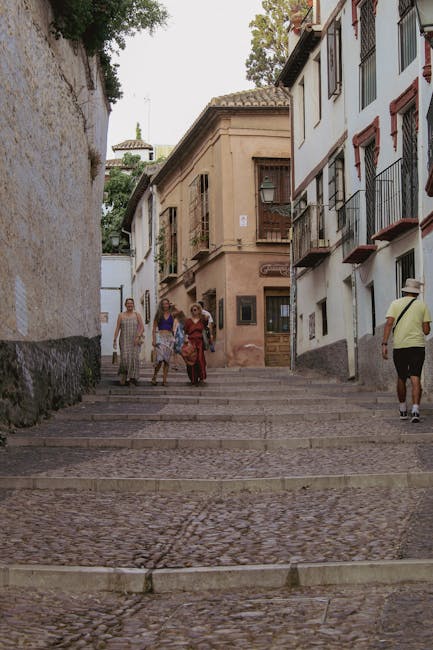
The Albaicín is the most emblematic barrio of medieval Granada: a tangle of white streets, shaded plazas and cármenes (garden-houses) that rise toward viewpoints offering spectacular views of the Alhambra. Occupied by the Nasrid presence and later shaped by Christian influence, the Albaicín has a strong identity made of small craft shops, traditional homes and former mosques converted into churches. Walking here feels like stepping on the dust of history, overhearing conversations at doorways, and watching the changing light sculpt the whitewashed façades.
Main spot: Mirador de San Nicolás (Calle Mirador de San Nicolás, 18010 Granada), famous for its panorama over the Palacios Nazaríes and the Sierra Nevada mountains. Open 24 hours, it’s the go-to place at sunset, often frequented by buskers and photographers. Tip: arrive about an hour before sunset to secure a spot on the balustrade and enjoy the golden light. 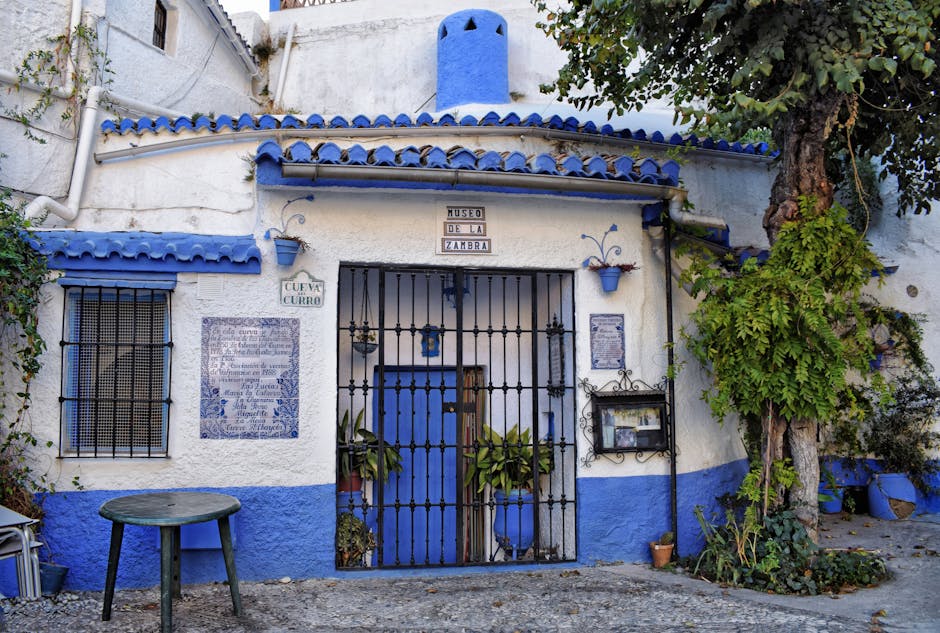
Other places to visit: Plaza Larga (Plaza Larga, 18010 Granada), the social heart of the barrio, and Casa Árabe (Calle Benard, 6, 18010 Granada) which sometimes hosts exhibitions and talks on Andaluso-Moorish culture. Most small galleries and workshops are open from 11:00am to 2:00pm and 5:00pm to 8:00pm.
Access and costs: the Albaicín is mainly pedestrian and reachable on foot from the Carrera del Darro. There’s no entrance fee to wander, though some patios or cármenes open their gardens for a small contribution (around €3 to €6). Wear comfortable shoes — the cobbles are uneven and the streets steep. Taxis can drop you near Mirador de San Nicolás or Plaza Larga; the nearest bus stop is Plaza Nueva (center), served by urban lines.
Atmosphere and local tips: the Albaicín is quieter during the day and livelier in the evening around the viewpoints. Dine in a carmen (garden-restaurant) for a typical experience: places like Carmen de la Aben Humeya (Calle Panaderos, 10, 18010 Granada) serve local cuisine with a view (average €20–€35 per person, depending on choices). If you want authenticity, avoid the most touristy routes at dusk — explore the side streets to find perspectives that feel timeless.
Sacromonte: caves, flamenco and Roma memory
Perched on the neighboring hill east of the Albaicín, Sacromonte is the barrio of caves (cuevas) that for centuries have housed a unique musical culture: Gitano flamenco. Sacromonte’s history is deeply tied to Roma communities and their artistic traditions. The façades here are less white than in the Albaicín; you’ll find modernized troglodyte caves, small squares and rugged terrain that give the neighborhood a panoramic, wild feel.

Highlights: the Abbey of Sacromonte — Abadía del Sacromonte (Calle Camilo José Cela, 2, 18010 Granada) — with its museum and library documenting local culture; and the cuevas turned into tablaos like Cueva Zambra (Calle San Miguel Bajo, 1, 18010 Granada) where traditional shows take place. Cave performances usually start between 9:00pm and 10:30pm. Indicative prices: cave shows €20–€35 per person (entry + drink), while larger venues or tourist shows can charge €30–€50. Check schedules in advance and book, especially in high season.
Visiting Sacromonte often involves steep walking; be ready for sharp inclines and stairs. The neighborhood offers unforgettable views of the Alhambra and the city, particularly from the Paseo de los Tristes and the terraces near Sacromonte. For a cultural immersion, attend a traditional zambra — intimate dance and song — or explore the Abbacy’s historical collections.
Opening times and practical tips: Abadía del Sacromonte is generally open from 10:00am to 2:00pm and 4:00pm to 6:00pm (times may vary off-season). The caves mainly open in the evening; some offer dinner-shows (menus around €25–€45). To get there, take a taxi from Plaza Nueva (around €7–€10 depending on traffic) or walk up from the Carrera del Darro following signs to El Sacromonte. Avoid sticking to the main « tourist alley »: explore the small lanes to find artisan workshops and quieter viewpoints.
Realejo and Centro Histórico: art, markets and royal monuments
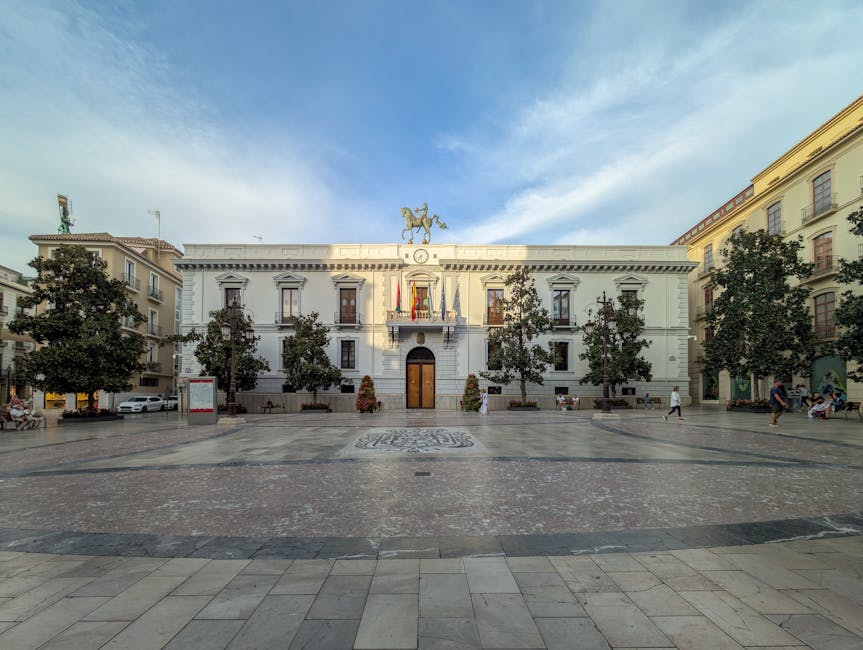
Realejo was Granada’s old Jewish quarter and today retains a bohemian vibe, dotted with street art, creative restaurants and lively squares. The Centro Histórico is the administrative and commercial heart: the Cathedral of Granada, the Royal Chapel (Capilla Real) and the Gran Vía form an unmissable historic triangle. Together, these barrios tell the story of post‑Reconquista Granada transitioning into a modern city, blending monumental heritage with vibrant everyday life.
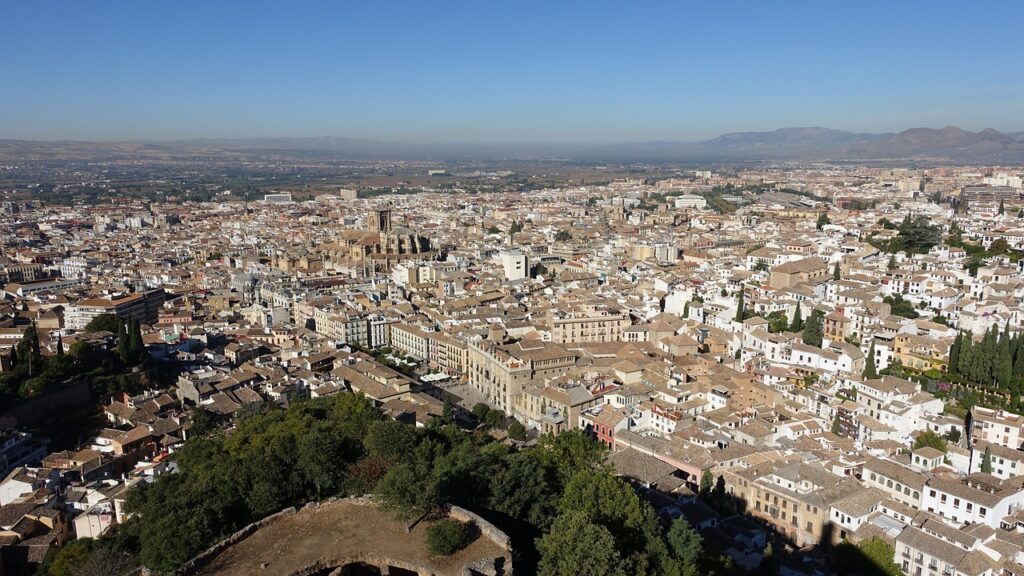
Key monuments and addresses:
- Catedral de Granada — Calle Gran Vía de Colón, 5, 18001 Granada. Hours: usually 10:00am–6:30pm (times vary by season). Entry: around €5–€6 (discounts for students/seniors).
- Capilla Real (Royal Chapel) — Calle Oficios, 3, 18001 Granada. Hours: 10:00am–6:00pm; closed on some public holidays. Price: around €4–€5.
- Alcaicería (historic market) — Calle Oficios, 18001 Granada, near the Cathedral. Shops and crafts: open during the day with no entry fee.
- Plaza Nueva — Plaza Nueva, 18001 Granada: a starting point to head up to the Alhambra and stroll along the Darro river.
Experiences and food: the Centro is full of classic tapas bars where the tradition of a free tapa with your drink still survives, especially around Calle Navas and Gran Vía de Colón. For quality tapas, try Bodegas Castañeda (Calle Almireceros, 1, 18010 Granada); dishes cost between €3 and €12, and it’s usually open from 12:30pm to 12:30am. For a cultural pitstop, visit the Corral del Carbón (Calle Mariana Pineda, s/n, 18001 Granada), a restored Nasrid monument open from 9:30am to 7:00pm, with free entry for some events.
Museums and contemporary art: the Centro hosts the CajaGRANADA Cultural Center (Calle Profesor Sáinz Cantero, s/n, 18002 Granada) and the Casa de los Tiros museum (Plaza del Carmen, 10, 18009 Granada — check hours; often free or very low-cost entry). Street-art fans should wander Realejo and take in the murals that reflect the neighborhood’s social evolution.

Practical tips: the area is well served by public transport and easy to explore on foot. Expect crowds around the main monuments in high season. To avoid queues, visit the Cathedral and Capilla Real early in the morning (or late afternoon when the light is softer on the façades). For budget meals, hunt down the small streets perpendicular to Gran Vía where local bars are less touristy.
Zaidín and the contemporary neighborhoods: Granada today
Zaidín, south of the city center, represents Granada’s more modern, working-class side. Unlike the historic barrios, this area is residential and commercial, shaped in the 20th century, where daily life takes priority over heritage scenery. Here you’ll find markets, cafés, sports centers and a lively neighborhood life — less focused on tourism but essential to understanding contemporary Granada.
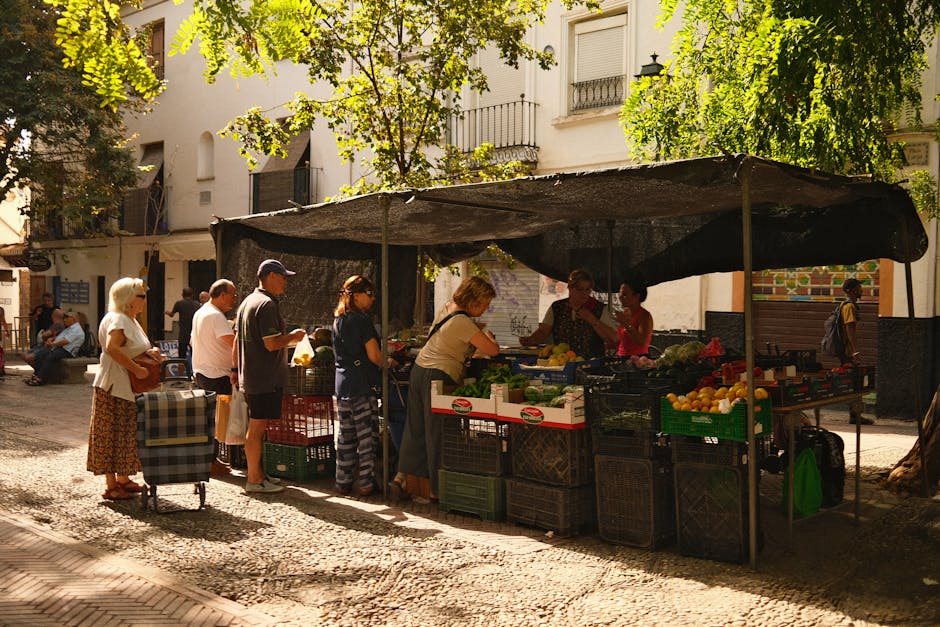
Practical spots and addresses: the Zaidín municipal market — Mercado Municipal del Zaidín (Avenida de Dílar, s/n, 18007 Granada) — is a great place to taste local produce (generally open from 8:00am to 2:00pm and some evenings). The neighborhood also hosts large shopping centers, parks and nearby university facilities that bring lively evenings and more affordable dining. Prices in Zaidín are generally lower than in the center: bar entries €2–€5, daily menus €8–€12.
Vibe: Zaidín is popular with families and students; the atmosphere is relaxed, marked by neighborhood gatherings, local markets and small bistros. Walls are sometimes decorated with contemporary murals and the local cultural center regularly stages concerts and exhibitions. For a local walk, head to main avenues like Avenida de Cádiz to feel the pulse of everyday Granadian life.
Local tips: take the urban bus lines (for example C1/C3 depending on the season) to go from the center to Zaidín. For an inexpensive and filling dinner, look for the « menú del día » offered in many restaurants — a main + dessert + drink around €10–€12 at lunchtime. If you want to experience non-touristy local life, join a community event or a concert at an association-run venue to connect with Granadinos.
Conclusion: Each barrio is a movement—listen slowly
Granada isn’t just a collection of monuments: it’s a city read by neighborhoods. Each barrio — from the Albaicín’s Moorish shade, to the singing Sacromonte, through the lively arteries of the Centro and the friendly modernity of Zaidín — brings its own color, tempo and memory. For the attentive traveler, the pleasure lies less in ticking off sites and more in stopping, listening and tasting. Sit at the Mirador de San Nicolás at sunset, have a drink in a Sacromonte cave, lose yourself in the lanes of Realejo and live the everyday of Zaidín: these simple gestures make up the Granadian experience.
Practical: book your Alhambra tickets early (Alhambra, Calle Real de la Alhambra, s/n, 18009 Granada; Palacios Nazaríes tickets usually around €18, times vary by season — check online), plan a cave flamenco night (shows €20–€35), and favor walking to catch the micro-ambiences of each barrio. Respect residents (keep noise down at night in residential areas, be mindful of photography rules in sacred places), support local artisans and choose independent restaurants and small galleries for a more authentic experience.
Finally, remember that Granada reveals itself slowly: the most intense emotions often come from improvised encounters — a musician in a square, a shopkeeper recounting the history of his street, a young family dining in a tapas bar. Walk the city barrio by barrio, take time to look, listen and retrace your steps. That way each neighborhood will give you not just monuments, but a real atmosphere — a vibe that keeps shaping Granada’s identity.