





Introduction — Why has the Albayzín become almost essential, and why that deserves a second look?
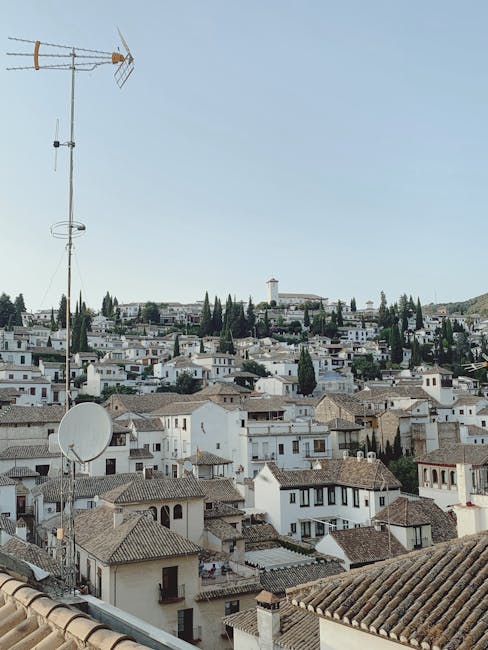
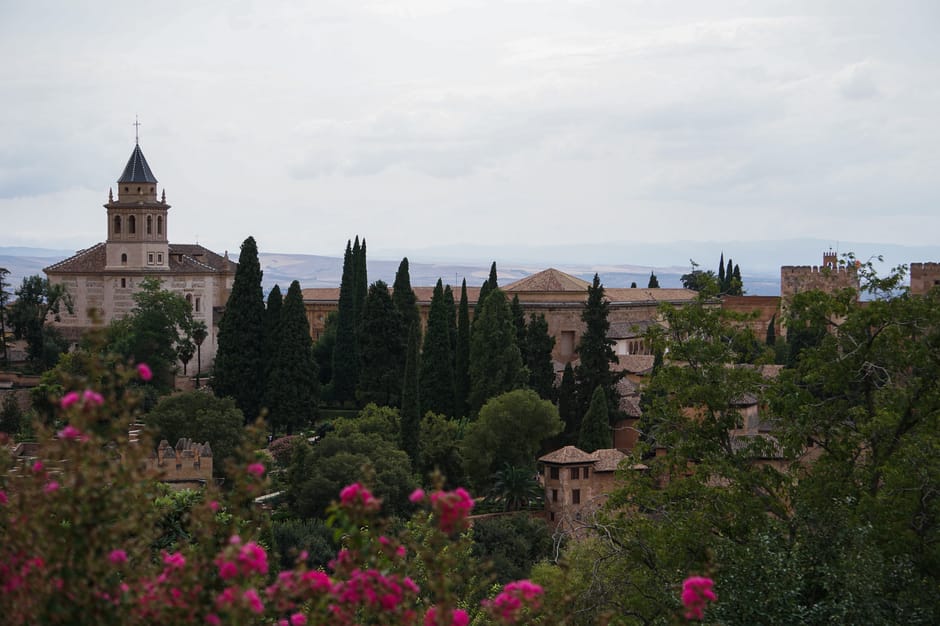
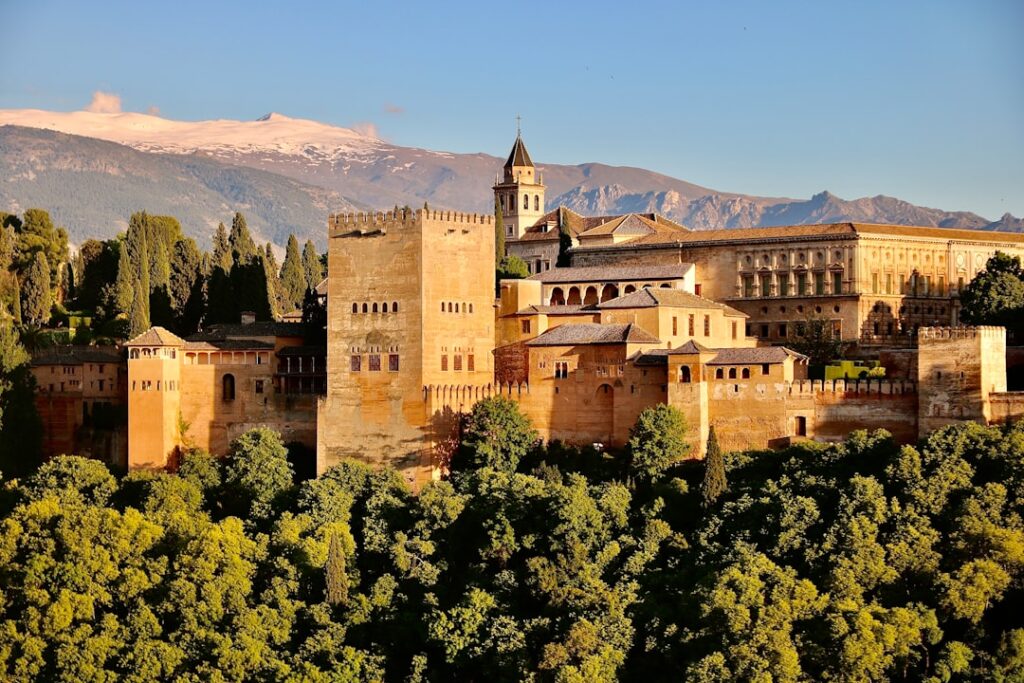
The Albayzín (or Albaicín), that whitewashed maze clinging to the hill opposite the Alhambra, belongs in Granada’s visual pantheon: cobbled lanes, miradors with postcard views of Nasrid towers, and traces of the city’s Muslim past. In guidebooks, on Instagram and on hop-on hop-off buses, the Albayzín plays the role of the “must-see.” But popularity doesn’t always equal quality of experience. Between the steady crowds at the viewpoints, souvenir shops on every corner and cookie-cutter walking routes, it’s easy to lose sight of what made old Granada special.
This piece is a countercurrent: it doesn’t deny the Albayzín’s beauty or historical importance, but it questions the received idea that it’s the best or most authentic way to “live Granada” for a visitor seeking depth rather than just a photo. Mass tourism tends to homogenize experiences: same shots, same visiting hours, same shops. The result is a thinning of sensory richness. The Albayzín can become a backdrop for selfies rather than a neighborhood to be savored slowly.
This article doesn’t only critique — it offers a concrete alternative: the barrio of Realejo, often overlooked by rushed tourist routes. Realejo, Granada’s old Jewish quarter, has managed to keep a lived-in atmosphere — small squares, local tapas bars, hidden patios, gardens with fewer visitors — while offering fresh angles on the Alhambra and Granadian life. It lets you see the city at street level: restaurants frequented by locals, independent bookstores, artisan workshops, and a few lesser-known museums that add real historical context.
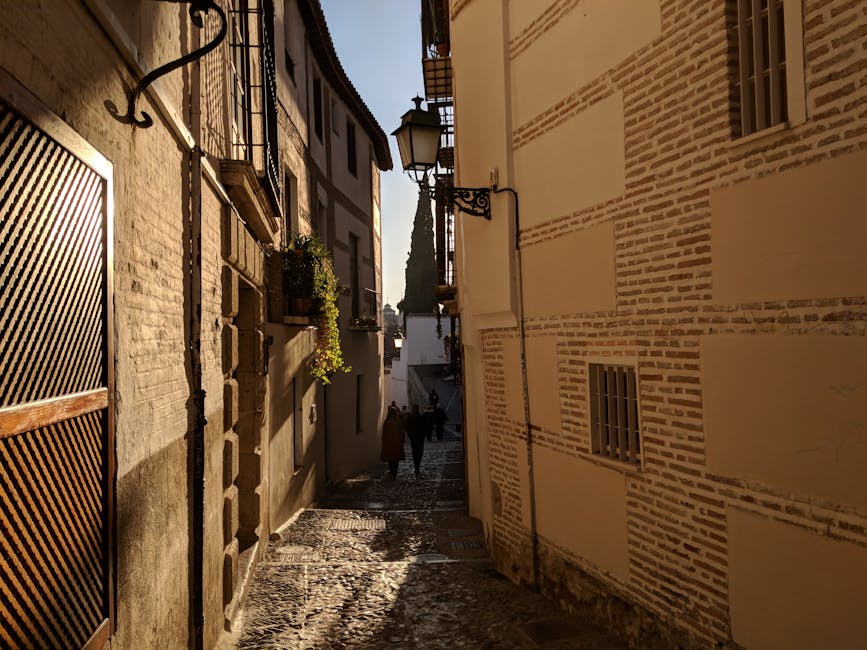
I invite you to a balanced, critical read: first, why the Albayzín may be overrated for certain kinds of visitors; then, a practical deep dive into Realejo as an alternative — with addresses, rough prices, opening hours and local tips to turn a superficial visit into an authentic Granadian experience. The aim is practical and useful: to make your stay calmer, richer and often cheaper, without dismissing the Albayzín entirely. If you love photography, historical discovery and neighborhood vibes, read on: we’ll bust a few myths and give you the keys to enjoy a truer Granada.
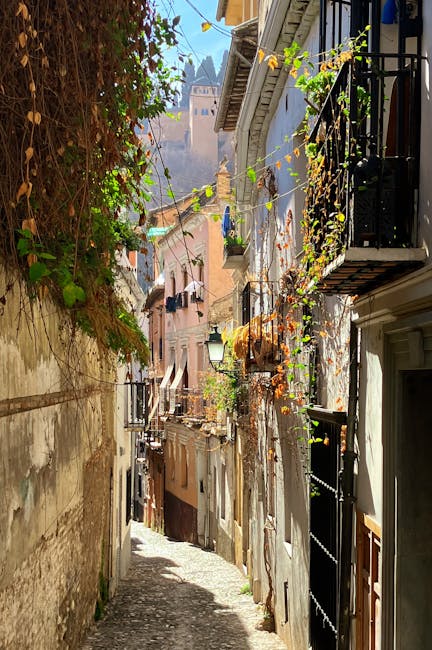
1) Why the Albayzín can disappoint: crowds, prescribed shots and erased memory
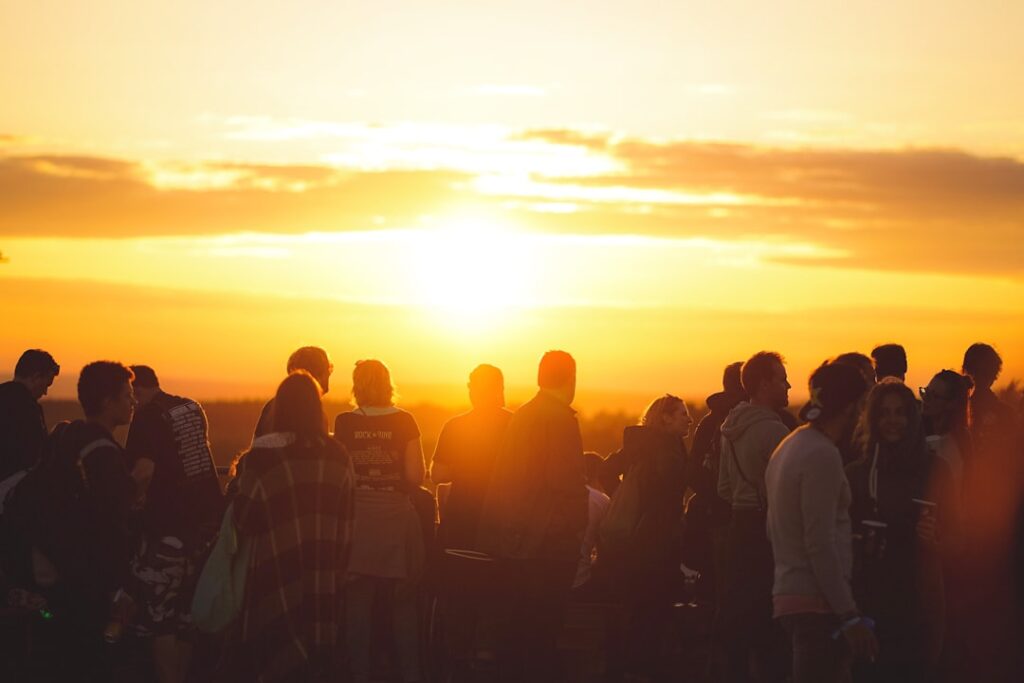
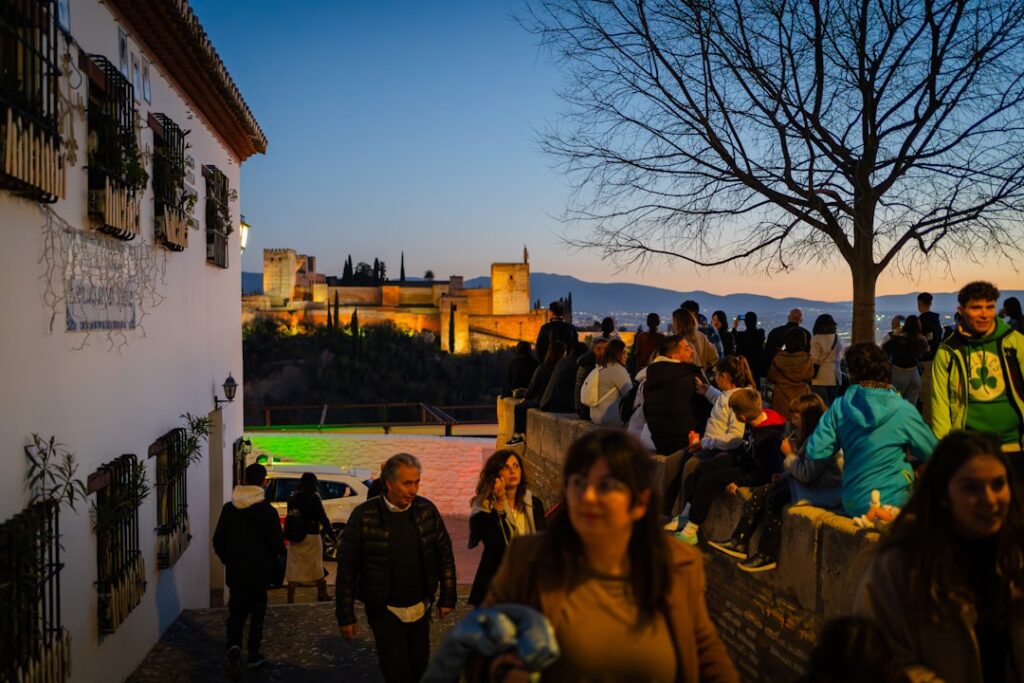
On paper, the Albayzín ticks all the boxes: heritage, views, atmosphere. On the ground, reality is more nuanced. The most visible friction point is crowd management: Mirador de San Nicolás becomes a must-stop between 6pm and 9pm, especially in high season. Tourists all arrive at the same time for the same sunset, reproducing the same images over and over. The result? A saturated public space where contemplation gives way to selfies and photographers jostle for the same angle.
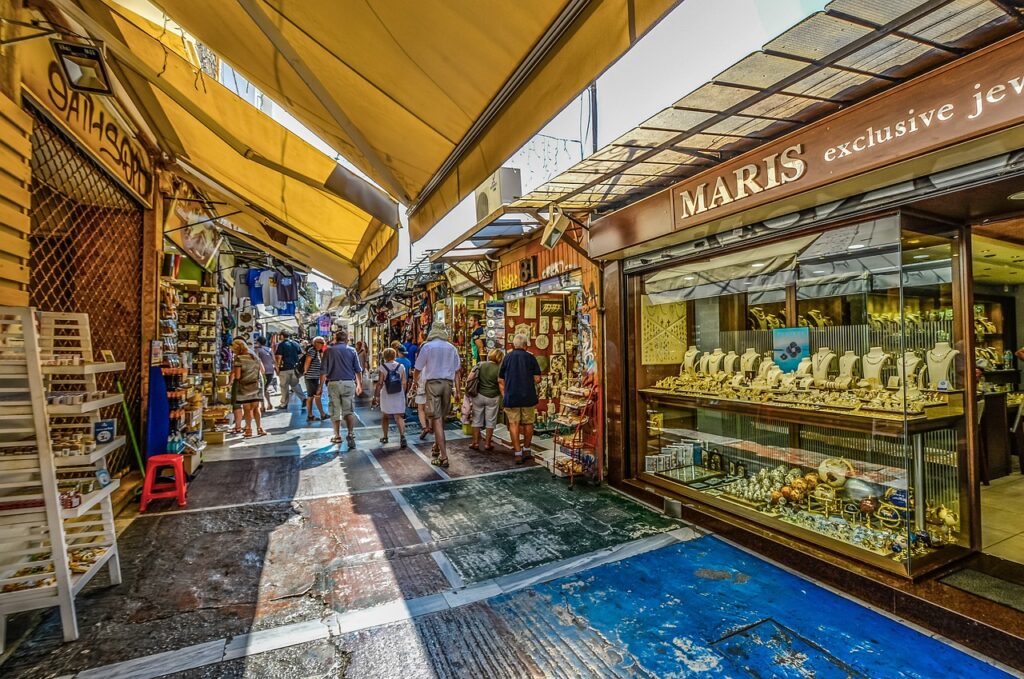
Then there’s the commercial reaction to the flows: souvenir shops, multilingual menus and a whole ecosystem of tourist services that make the neighborhood comfortable but standardized. Many places sell the same things: rugs, ceramics, teapots, tapas “for foreigners.” The creativity of local makers is often overshadowed by the demand for “typical” products. It’s not that those shops have no value, but the overall experience loses authenticity.
Lastly, there’s an issue of urban memory: with parts of the Albayzín being partially turned into a museum piece, certain social realities have faded. Families who lived here for generations face rising rents and a shift in how spaces are used. Daily routes and practices turn into spectacles for visitors. So behind the beauty you can sometimes sense an artificial layer that calls the sustainability of this tourism model into question.
This observation doesn’t mean you should avoid the Albayzín completely: some hidden lanes, less-touristed routes or off-season mornings are still magical. But if your idea of Granada is just ticking off “Albayzín + Alhambra” on a checklist, you risk missing other dimensions of the city where local life beats more strongly. That’s where Realejo becomes a genuine alternative: quieter, livelier, often more authentic.
2) Realejo: history, character and why it deserves more attention
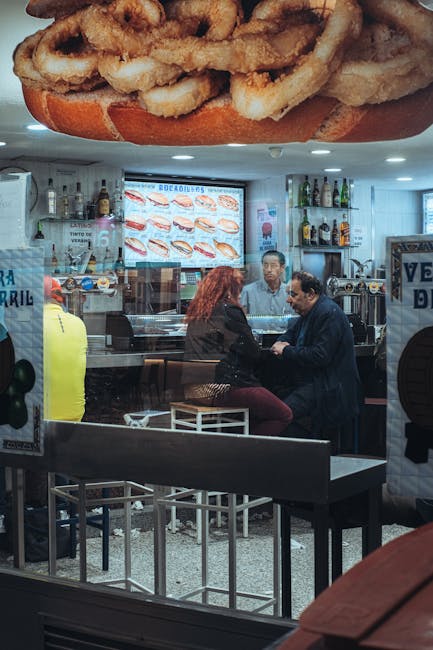
Realejo is Granada’s former Jewish quarter, sitting at the foot of the Alhambra between the modern city center and the hills. Unlike the Albayzín’s dramatic clichés, Realejo is layered: working-class houses, painted facades, small squares where people take coffee, and artisan workshops that give the neighborhood its pulse. It has fewer open-air monuments, but many micro-expressions of urban life to observe: day-to-day neighborhood rhythms, markets, bookstores and tapas bars frequented by locals.
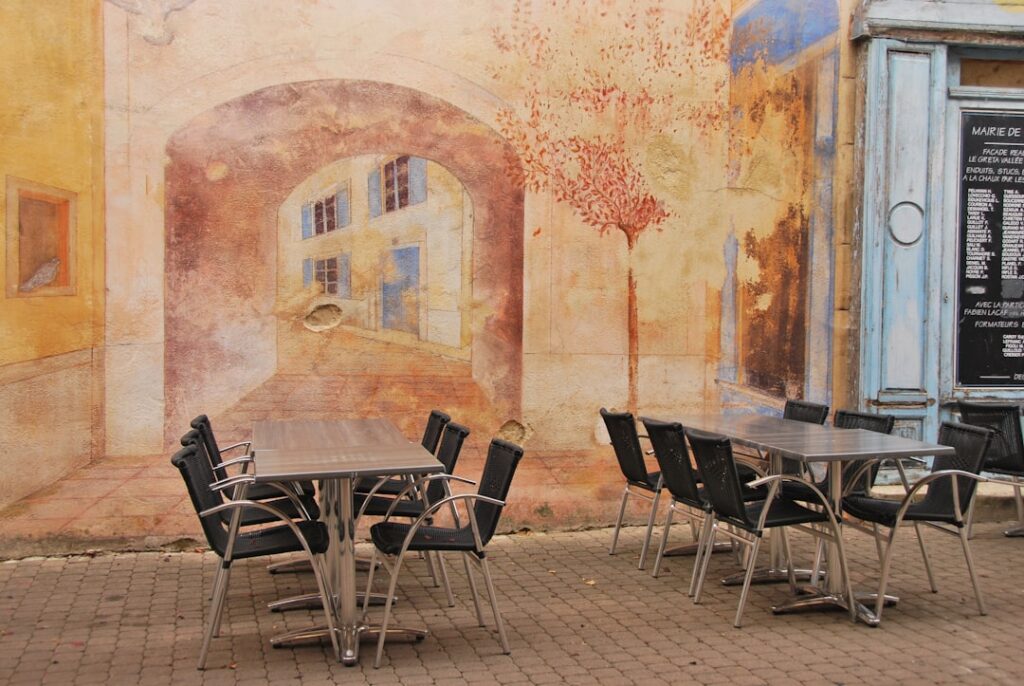
What sets Realejo apart is its ability to offer varied sequences of discovery without the fixed schedule of an overcrowded viewpoint. For example, a morning stroll between Placeta de los Carvajales and Calle San Matías offers encounters, neighborhood shops and cafés — Italian or Andalusian — full of regulars. The facades still bear traces of everyday life, and you’ll find ceramic workshops, small independent bookstores and alternative cultural spaces that exist outside strict tourist time.

Historically, Realejo preserves important fragments: submerged ruins of the old Judería, architectural shifts between Renaissance and Arab influences, and proximity to lesser-visited gardens that offer another perspective on the Alhambra. Unlike the Albayzín, the dominant impression is that of a lived-in neighborhood — and that’s precisely what makes it valuable for anyone looking for a real immersion in Granadian life.
3) A practical Realejo itinerary — places to see, drink and eat (addresses, prices, hours)
Here’s a handy route to turn a visit to Realejo into a genuine local experience. I suggest a roughly 3-hour walk with stops, ideally in the morning or early evening to avoid the heat and the biggest crowds.
-
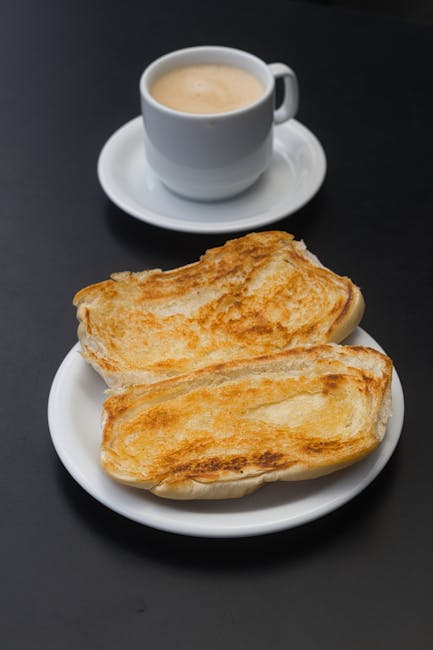
Kick-off café — Bodega La Bella y La Bestia
Address: Calle Cruz, 21, 18010 Granada.
Why: a local bodega serving breakfast and customizable tostadas.
Price guide: coffee €1.50–2.50, tostada €3–4.
Hours: 9:00–15:00, closes in the afternoon depending on season. -
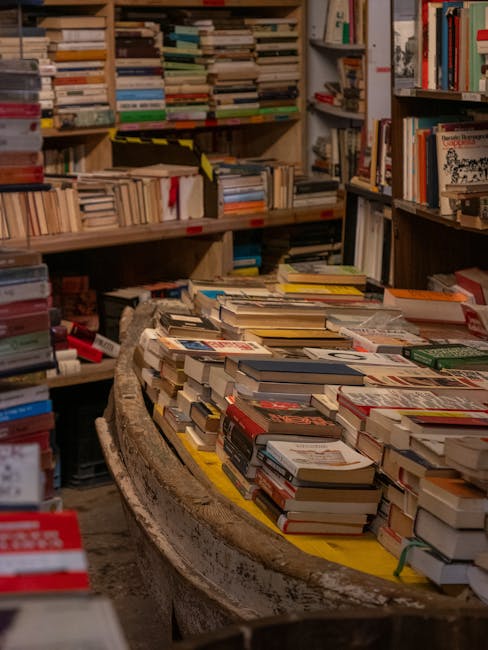
Stroll and bookstore — Librería Papelería Jarcha
Address: Callejón de las Tomasas 2 (or Calle San Matías depending on the entrance), 18009 Granada.
Why: a selection of local authors, offbeat guides and old maps. Chatting with the booksellers is often more enlightening than any guidebook.
Price: books €8–30 depending on edition.
Hours: 10:00–14:00 / 17:00–20:30 (variable hours). -
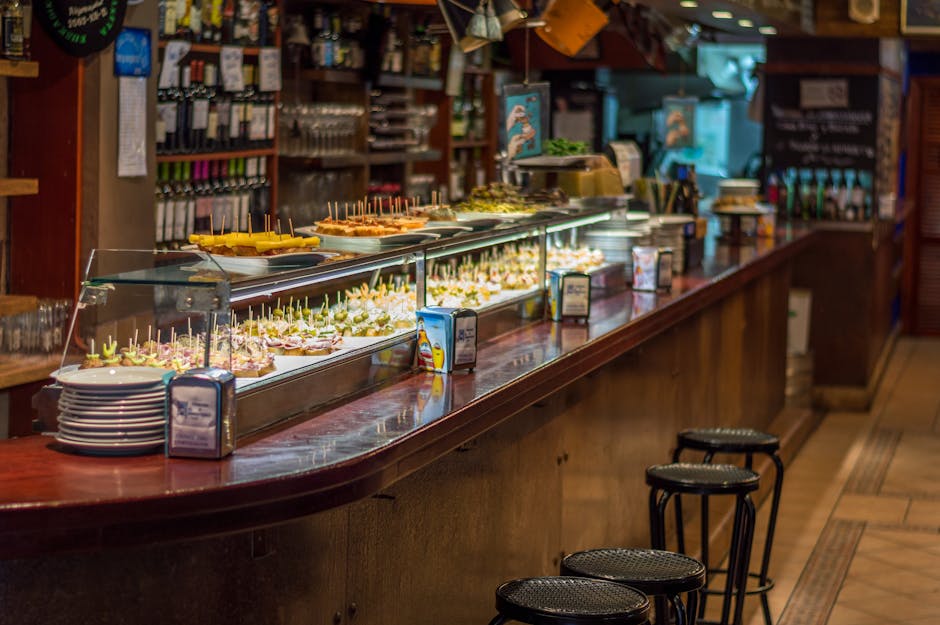
Lunch tapas — Taberna La Tana
Address: Calle Rosario, 8, 18009 Granada.
Why: one of the best spots for authentic tapas frequented by locals, with an excellent wine cellar.
Price: tapas €3–6, raciones €8–15.
Hours: 12:30–16:00 / 20:00–00:00 (may vary; reservations recommended for evening). -
Green break — Carmen de los Mártires
Address: Paseo de los Mártires, s/n, 18009 Granada.
Why: peaceful gardens, views of the Alhambra and far fewer visitors than the popular miradors.
Price: gardens are generally free to access (specific museum areas may charge entry).
Indicative hours: 8:00–20:00 (hours vary by season). Check locally for events. -
Cultural aperitif — Centro Cultural Memoria de Andalucía (or a local cultural bar)
Address: Calle Santa Ana 6 (example of a local cultural space; check listings for programming).
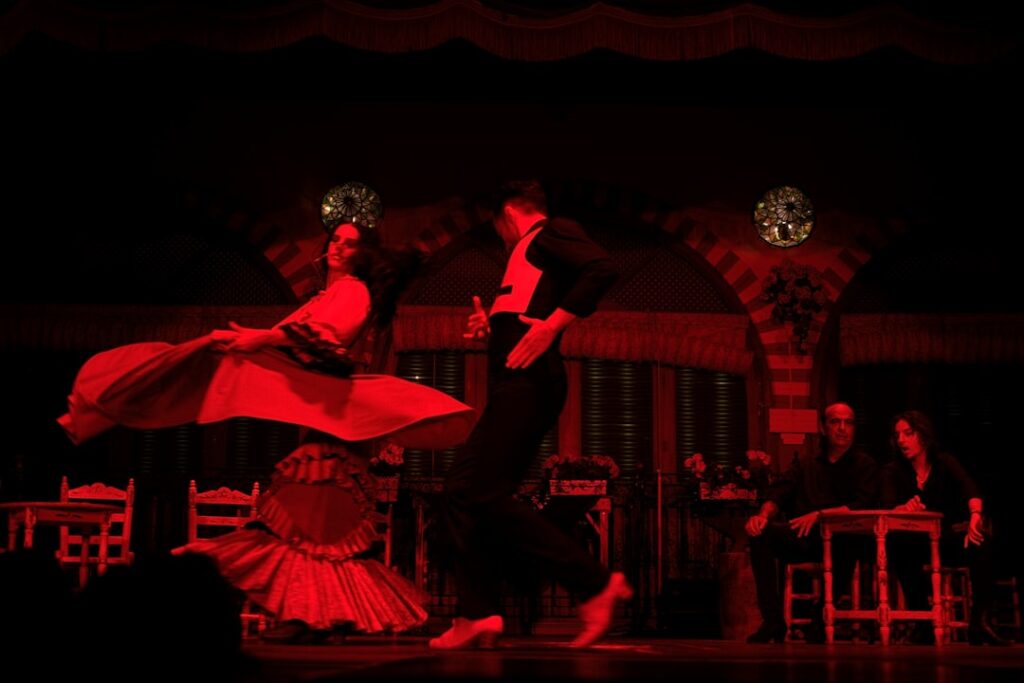
Why: exhibitions, flamenco concerts and artist gatherings rooted in the neighborhood.
Price: exhibitions often free; concerts €5–15 depending on the event.
Hours: events often run 18:00–21:30.
Practical tips: travel light and wear comfortable shoes; bring water during the day — Granada can get hot; carry basic Spanish to interact: “¿Qué recomiendas?” opens a lot of doors. Finally, check opening hours the day before: many small places adjust hours seasonally and on holidays.
4) Local tips to favor quality over quantity: when and how to visit
To enjoy Realejo rather than be overwhelmed by the Albayzín’s crowds, you need to let go of the “see it all” rush. Here are concrete tips, tested by locals and visitors who want more than photos:
- Visit early morning (8–10am): in Realejo, cafés serve a peaceful breakfast and the streets feel lived-in, not just touristy. The vibe is of a waking city, not a staged set.
- Avoid peak mirador hours: if you want a view of the Alhambra, choose lesser-known gardens (like Carmen de los Mártires) or even a private terrace (the bar at Hotel Santa Isabel la Real offers a view with hotel-bar prices).
- Talk to shopkeepers: ask where locals eat, drink and socialize. Neighborhood recommendations are often the best — and the most affordable.
- Book evening shows in advance: for flamenco, pick small peñas or local venues rather than tourist-heavy “flamenco for tourists.” Local peñas are often advertised in bookstores or bars.
- Don’t expect museum-level silence: Realejo is vibrant. That’s a strength, not a weakness. Take time to sit in a square and watch.
Finally, if your stay is short and you insist on seeing the Albayzín, combine an early morning visit (before the rush) with an afternoon or evening in Realejo: that way you get the emblematic panorama without sacrificing the everyday experience of a living city.
Conclusion — Choose authenticity and nuance over the cliché
Calling the Albayzín “overrated” isn’t an empty provocation: it’s an invitation to rethink priorities when we visit a city. The Albayzín remains splendid, but today it also functions as a standardized tourist product. If your goal is postcard photography, tick off the Albayzín; if your goal is to meet Granadian culture in its everyday texture, give Realejo a proper chance.
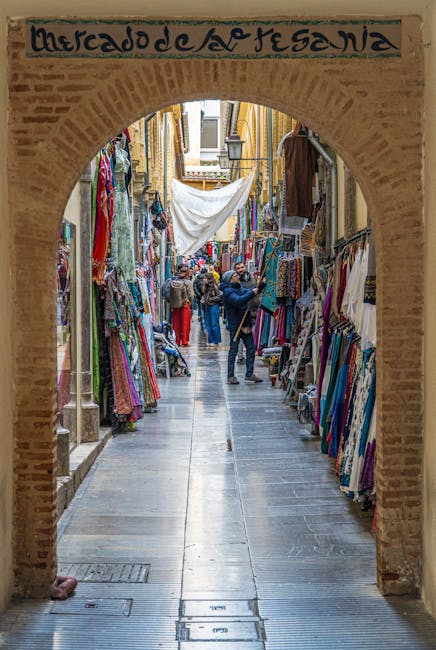
Realejo doesn’t play the same tune: it offers details, encounters, tapas bars where locals discuss current affairs, bookstores, less-visited gardens and an urban geography that makes the city legible. The practical addresses listed above — Bodega La Bella y La Bestia (Calle Cruz, 21), Librería Jarcha (Callejón de las Tomasas / Calle San Matías), Taberna La Tana (Calle Rosario, 8), Carmen de los Mártires (Paseo de los Mártires, s/n) — are concrete entry points with indicative hours and prices to plan your visit.
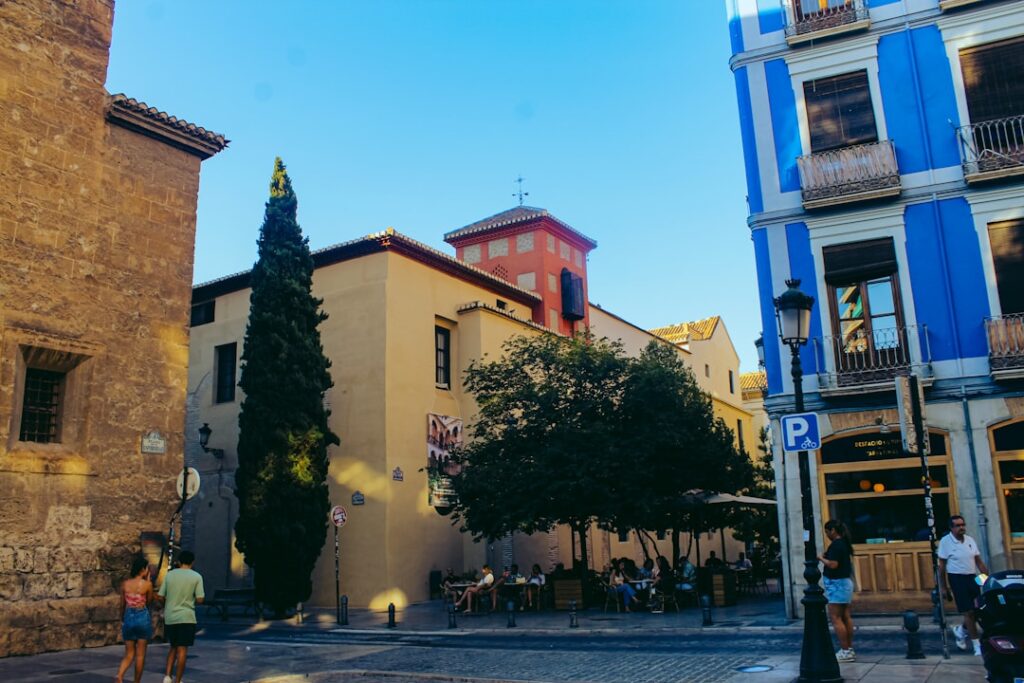
Traveling boldly sometimes means stepping off the beaten path and accepting that you won’t “see everything.” Realejo rewards that patience: every corner tells a living story. So next time you plan a trip to Granada, rebalance your itinerary: a measured Albayzín sunset, plus a morning and an evening in Realejo — and you’ll leave with richer images and truer memories.