



Introduction — Music, poetry and traditions: Muslim cultural life in Granada
Granada is a city where its Muslim past is felt in every stone, down every cobbled lane and in the whisper of the Darro river. Direct heir to the Nasrid emirate, the city is full of monuments, memorial sites and living practices that help explain how Andalusi-Muslim culture shaped local music, poetry and traditions. This introduction offers an immersive overview: how to listen to melodies inherited from Al-Andalus, where to read and hear Andalusi Arabic poetry, and which concrete spots in Granada showcase contemporary expressions of these traditions.
Andalusian music, known through traditional forms such as the muwashshah and the inherited instrumental suites, appears today in concerts, workshops and private evenings, often in historic neighborhoods like the Albaicín and the Sacromonte. The poetic texts of Al-Andalus — rhythmic, melodic, sometimes lyrical and often full of love and mystical metaphors — still inspire bilingual recitals and public readings. In Granada the line between past and present is thin: you might attend an Andalusi music concert in a modern venue and then find yourself in a small inner courtyard for a poetry session inspired by the muwashshah.
Beyond iconic tourist sites like the Alhambra and the Generalife, there are quieter but essential places for anyone wanting to understand local Muslim culture: reconstructed Arab baths open for visits (the Bañuelos), historic caravanserais converted into cultural centers (the Corral del Carbón), as well as neighborhood museums and cultural centers running lectures, poetry workshops and concerts. These spaces offer not only performances but also encounters with artisans, musicians and storytellers who keep alive specific crafts and musical repertoires — oud, qanun, ney and the associated percussion traditions.
This practical, professional and detailed guide will take you to several key sites in Granada, give exact addresses, opening hours and prices, and offer local tips to help you make the most of your cultural trip. It’s not a mere inventory of monuments: the goal is to provide a roadmap to listen to, read and experience Granada’s Muslim culture so you can encounter its sounds, verses and rituals in their living context. Whether you’re a music lover, a poetry fan or an inquisitive traveler, you’ll find immersive, practical recommendations here to connect history and the present during your stay in Granada.
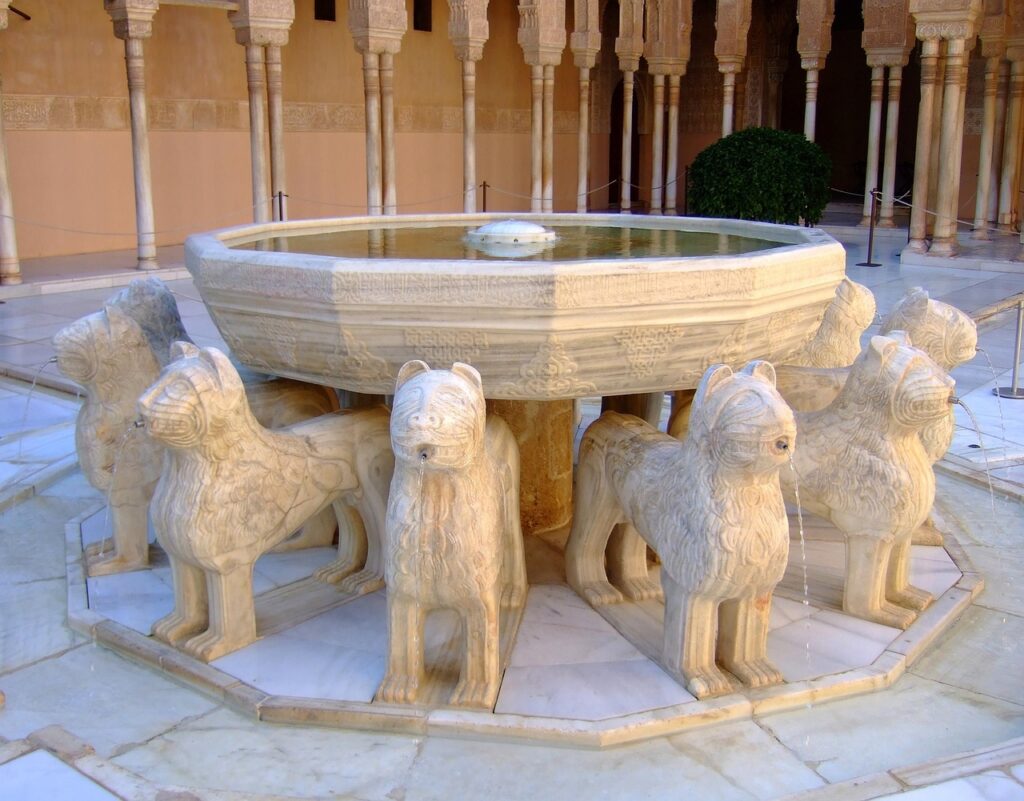
1. The Alhambra and the Generalife: birthplace of musical and poetic forms
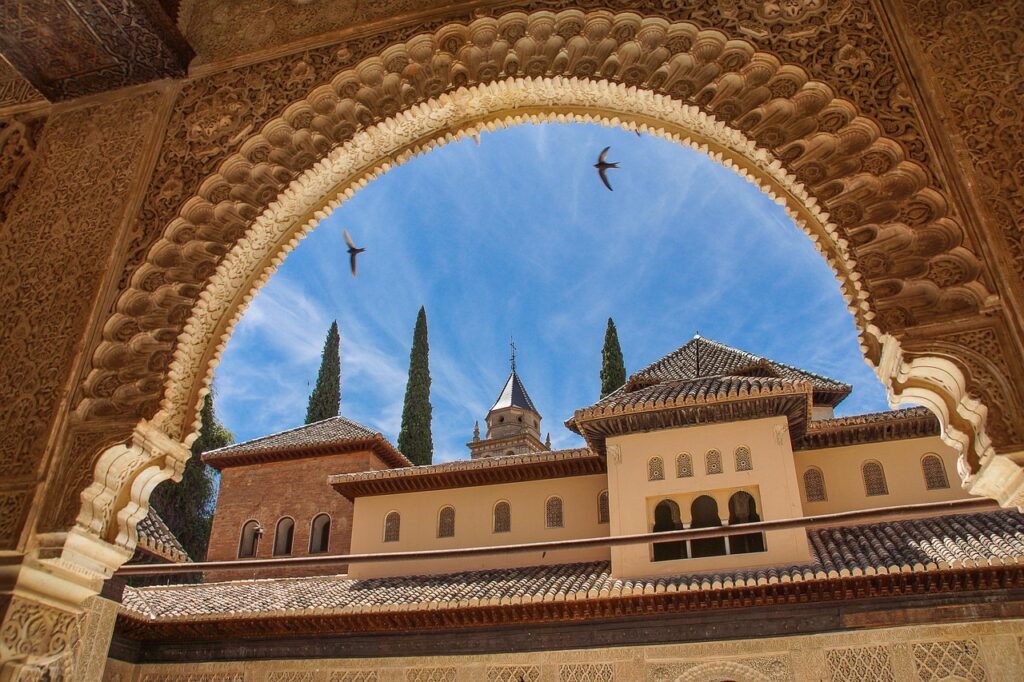
The Alhambra is inseparable from Granada’s Muslim musical and poetic memory. Located at Calle Real de la Alhambra, s/n, 18009 Granada, the monumental complex — Nasrid Palaces, Alcazaba, Generalife — provides a setting that has inspired countless poets and musicians since the 13th century. Visiting the Alhambra means walking through rooms where music would have accompanied ceremonies and receptions. The site is managed by the Patronato de la Alhambra y Generalife: official tickets and opening times are available on site and online.
Address: Patronato de la Alhambra y Generalife, Calle Real de la Alhambra, s/n, 18009 Granada. Indicative prices: Alhambra + Generalife general ticket (adult) around €18–€20 depending on season; reduced (students/youth) often €14; free entry for very young children under certain conditions. Opening hours: vary by season — generally 08:30–20:00 (high season); entry to the Palacio Nazaries is subject to specific entry times and time slots. Buy your tickets in advance: time slots for the Palacio Nazaries often sell out several days ahead.
Tips: favor visiting early in the morning or late in the afternoon for a more intimate sound experience — there are fewer people and the courtyards’ acoustics better showcase voices and instruments. Outside official circuits, look for concerts organized by the Patronato or by local groups who sometimes perform Andalusi repertoires in the Court of the Lions or nearby gardens (check seasonal cultural programs). Bring headphones to compare natural reverberation with modern recordings in silence.
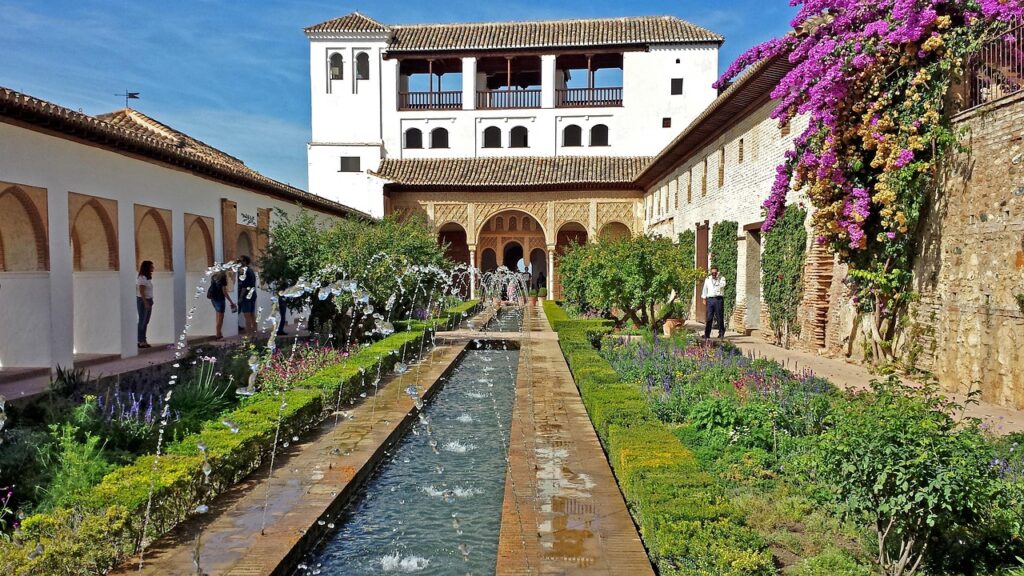
2. Albaicín and Corral del Carbón: poetry, cafés and oral transmission
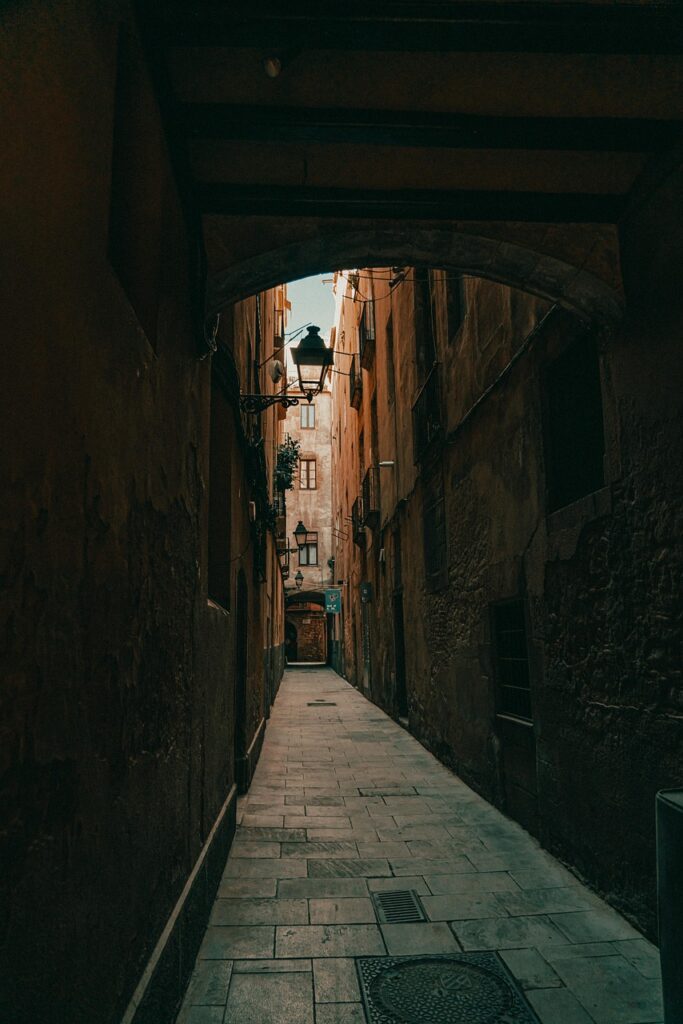
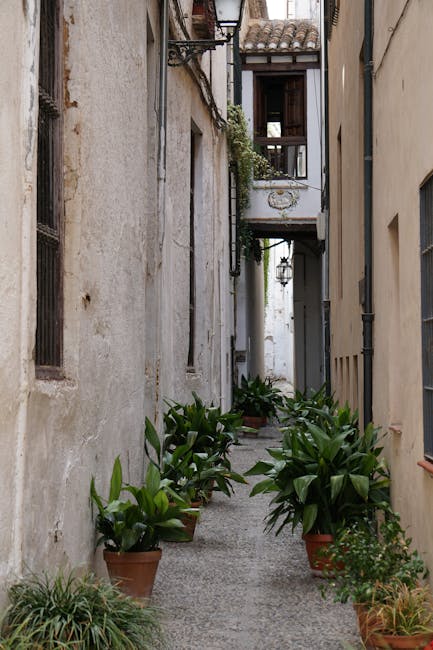
The Albaicín (or Albayzín) is the old Moorish quarter perched opposite the Alhambra. Its narrow lanes, miradores and small plazas are prime settings for poetry readings, literary gatherings and intimate musical evenings. Stroll along the Carrera del Darro and lose yourself up to the Mirador de San Nicolás for a panoramic view of the Alhambra, where you might sometimes catch impromptu recitals of Andalusi poems.
An essential historic site is the Corral del Carbón, the former Nasrid caravanserai, now a cultural space and exhibition hall. Address: Corral del Carbón, Calle Reyes Católicos, 30, 18001 Granada. Opening hours: generally 10:00–18:00; closed on certain public holidays. Price: entry to exhibitions is often free, but specific events (concerts, lectures) may have variable fees, often between €5 and €12.
The Corral del Carbón frequently hosts reading series and Andalusi music concerts. Local tip: check the posters on site and the municipal information board (Patronato de Turismo de Granada); poetry evenings are sometimes announced at the last minute. For a fuller immersion, find a traditional café in the neighborhood (for example on Calle Calderería Nueva) and ask the owner if they know of private gatherings — oral transmission remains a key way to discover events not listed online.
3. The Bañuelos, hammams and the traditional sensory experience
Granada’s Arab baths (baños) are tangible witnesses to Muslim hygienic and social practices and are spaces where music and spoken word once mixed with rituals of relaxation. El Bañuelo, one of the best preserved baths, can be visited to understand the architecture and acoustics of the steam rooms and resting chambers. Address: El Bañuelo, Carrera del Darro, 31, 18010 Granada (near the Paseo de los Tristes). Price: entry often around €3–€4 per person. Opening hours: 10:00–18:00 depending on season; check opening days.
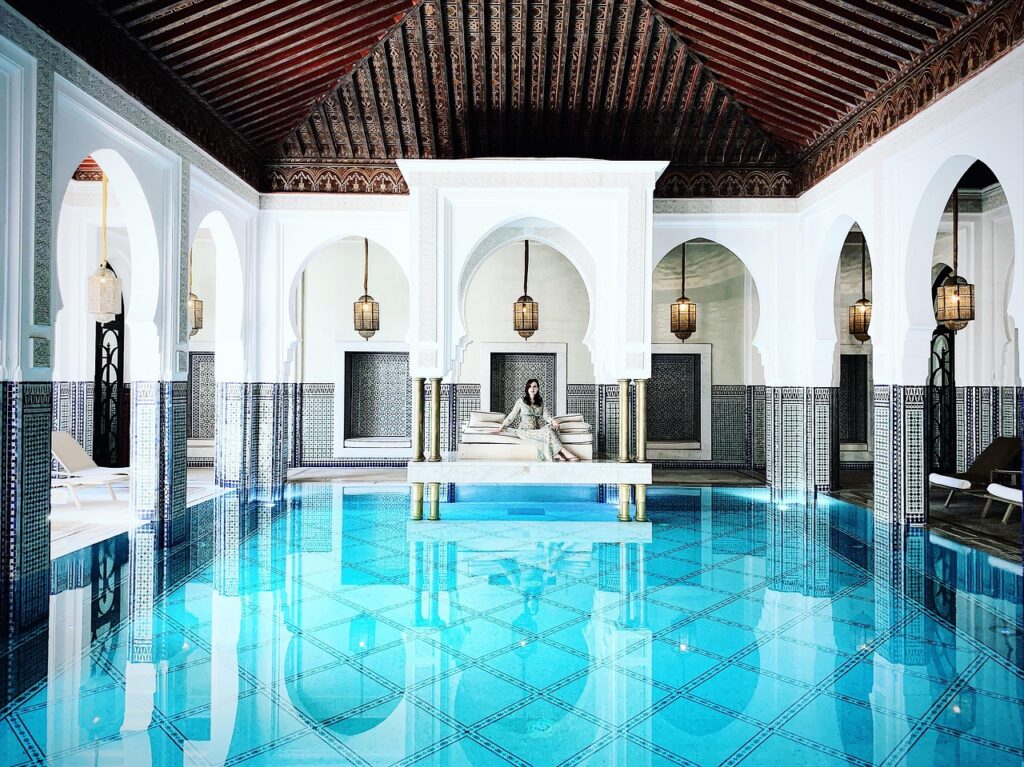
Many modern hammams today offer rituals inspired by Arab traditions with massages, steam and sometimes live music (oud or ney) playing in the background. Example: Hammam Al Ándalus Granada (near the cathedral) — address: Plaza Santa Ana, s/n, 18002 Granada. Indicative prices: packages from about €28 for bath access, up to €55–€80 for full massages and rituals. Opening hours: typically 10:00–23:00; reservation recommended.
Practical tips: schedule a hammam session after a day of sightseeing to feel the continuity between historic architecture and contemporary practices. Respect the local protocol (partial nudity according to the hammam’s rules, use of towels) and opt for evening slots for a stronger musical atmosphere.
4. Sacromonte, Andalusian flamenco and Arab legacies
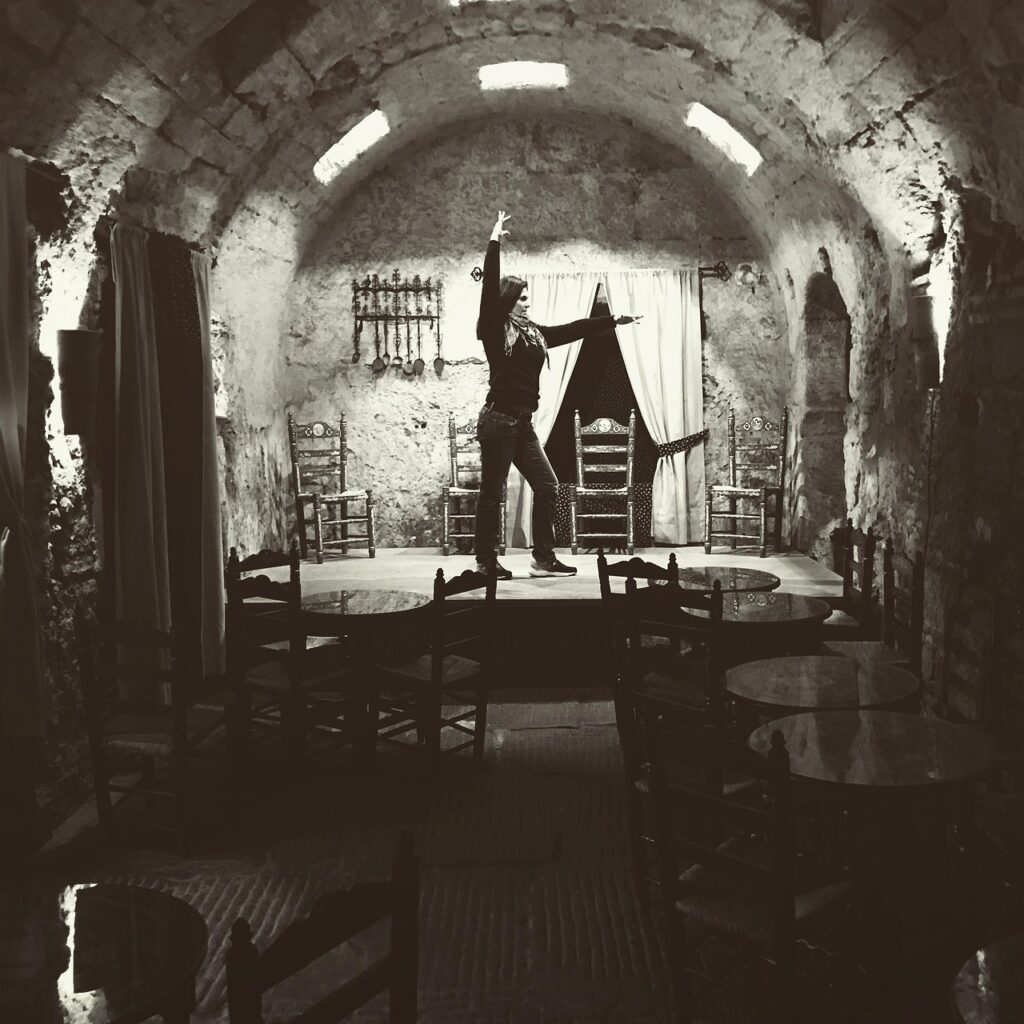
The Sacromonte neighborhood, famous for its cuevas (cave houses), is a key place where Gypsy tradition, Andalusi heritage and popular music meet. While flamenco has its own roots, the rhythmic and melodic influence of Andalusi-Muslim music can be heard in certain palos (styles) and in the use of instruments and modal scales. The Museo Cuevas del Sacromonte (Museum of the Sacromonte Caves) helps explain the cultural evolution of the neighborhood.
Address: Museo Cuevas del Sacromonte, Placeta San Miguel Alto, s/n, 18010 Granada. Opening hours: generally 10:00–18:00; price: around €3.50–€4.50. Tip: attend a flamenco show in a traditional cueva — tablaos like « Zambra María La Canastera » or « Cueva La Rocío » offer performances rooted in traditions with Arab influences. Tablao prices: often €20–€35 with a drink included; check the start times (usually evenings 20:00–23:00).
Local advice: favor small venues for a more authentic experience; talk to the artists after the show to better understand the rhythmic and poetic borrowings. Sacromonte is also a place for recordings and cultural exchanges — look out for workshops and masterclasses organized there, often posted on local noticeboards or through neighborhood cultural associations.

5. Cultural centers, bookstores and workshops: contemporary transmission hubs
To follow contemporary Muslim cultural life in Granada, cultural centers and specialized bookstores are essential. Casa Árabe (headquartered in Madrid but active locally through partnerships) and municipal institutions organize lecture series, concerts and readings. An important local center is the Centro Cultural CajaGranada: address Plaza de las Culturas, Paseo del Violón, s/n or sometimes listed as Paseo del Violón, 18006 Granada; it offers concerts, exhibitions and poetry series. Price: events may be free or paid (generally €5–€18 depending on the performance). Opening hours: variable; check the official program.
Notable bookstores: Librería Central (Plaza del Campo del Príncipe area) and small independent shops in the Albaicín where you can find collections of translated Arabic poetry, studies on the muwashshah and scores for Andalusian music. Many language and music workshops (oud, percussion) are run by local teachers; fees: private lessons €20–€40/hour, group workshops often €10–€25 per session.
Tips: subscribe to local newsletters (Ayuntamiento de Granada, Patronato de Turismo) and follow venues on social media to spot workshops and masterclasses. Many events are announced in a decentralized way; ask librarians and booksellers who are often well informed about poetry circles and private musical evenings.
Conclusion — Between heritage and living practices: experiencing Muslim culture in Granada
Granada offers a rich cultural cuisine where music, poetry and Muslim traditions come together across historic and contemporary spaces. Visiting the Alhambra, wandering the Albaicín, hearing a recital at the Corral del Carbón, relaxing in a hammam or attending a show in a Sacromonte cueva: these are different entry points to understand the continuity of a living culture. The addresses and hours provided in this guide will help you plan concrete stops and tailor your experience depending on your interests — melody, verse or ritual practices.
To make the most of it, combine official visits (Alhambra, Bañuelo, museums) with informal encounters (cafés, bookstores, tablaos). Buy important tickets in advance (Alhambra), reserve hammams and tablaos, and check cultural center programs for concerts and readings. The prices listed are references; rates and schedules can vary with season and special programming. Finally, leave room for the unexpected: Granada’s culture is often discovered through conversation with an artisan, musician or poet met in an inner courtyard. Respect the places and local practices and engage with curiosity — that’s how Granada’s Muslim music and poetry make sense, both in the present and across the centuries.