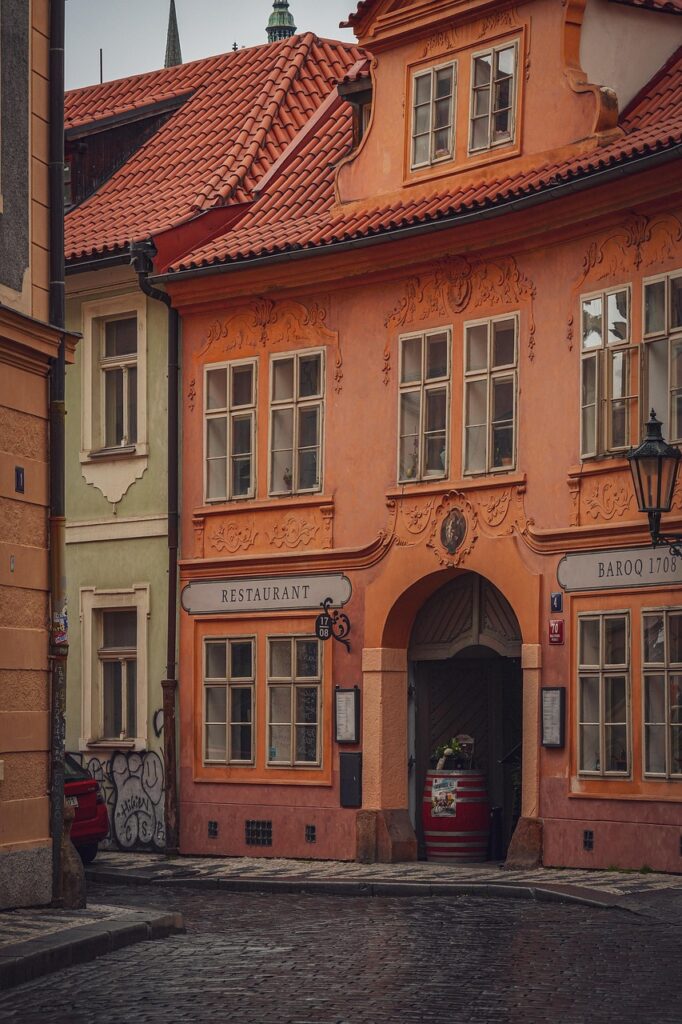






Introduction: Prepare Your Trip to Granada — Safety, Scams and Best Practices
Granada (Granada in Spanish) is a breathtaking Andalusian city, famous for the Alhambra, the Albaicín, Sacromonte and a lively food scene. Its rich history and narrow streets draw millions of visitors each year. But like any popular tourist destination, Granada has some minor risks: pickpockets in crowded spots, “fake guides” offering unofficial tours at inflated prices, and small tourist-trap schemes around major monuments. This detailed guide is designed to help you prepare calmly for your trip: identify higher-risk areas, avoid the most common scams, verify official guides, protect your belongings and know how to react if something goes wrong.
From the moment you arrive, a few simple habits will greatly reduce the risk: keep your wallet in an inside pocket or use a discreet travel pouch, avoid flashing valuables on the street, and stay alert on public transport, busy squares and markets. Pickpockets often work in teams, using distractions — a well-placed question, a staged accident, or someone bumping into you — to divert your attention. Fake guides sometimes wait near the Alhambra entrance or on Plaza Nueva with printed sheets and persuasive patter; they’ll offer an « immediate » tour even though official tickets are time-stamped and must be purchased at the ticket offices or via the official site.
This guide will give you practical, precise information: exact addresses (where to buy official tickets), indicative prices in euros for main sites (check on the day of your visit), typical opening hours, and immersive descriptions of places so you can find your way. We’ll also outline the right behavior when approached by a supposed guide, how to recognize an official guide (badge, affiliation with the Oficina de Turismo, etc.), and which numbers and services to contact in case of theft or incident. Finally, you’ll find tips to organize your visits (best times to avoid crowds) and local recommendations — where to have tea on Calle Calderería Nueva, how to reach the Mirador de San Nicolás for sunset, and the best routes down to the Carrera del Darro.
Before you leave, save digital copies of your documents (passport, cards), note your accommodation address and the nearest embassy or consulate, and tell someone you trust your itinerary. City services and the Policía Local are generally responsive; knowing the right steps and locations (police stations, Oficina de Turismo) will help you resolve most problems quickly. The aim of this guide is not to scare you but to prepare you: Granada remains a very safe destination as long as you follow a few simple rules and book services (guided tours, monument tickets) through official channels. The sections below will walk you through everything step by step, with addresses, indicative prices, opening hours and local tips to enjoy Granada worry-free.
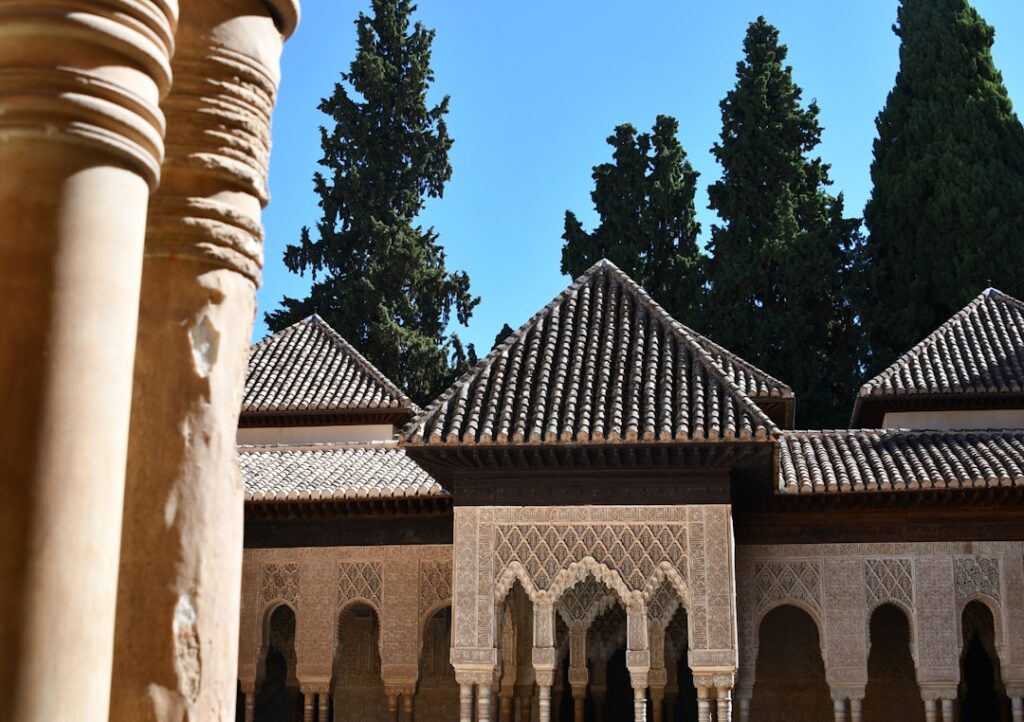
1) The Alhambra and Generalife — Buy Official Tickets and Avoid Fake Guides
The Alhambra is Granada’s crown jewel: Nasrid palaces, the Generalife gardens, the Alcazaba and breathtaking city views. But it’s also a hotspot for scams, notably people offering a « spot right now » or unauthorized private tours. The official Alhambra address is Patronato de la Alhambra y Generalife, Calle Real de la Alhambra, s/n, 18009 Granada. Official tickets are mainly sold on the Patronato website (www.alhambra-patronato.es) and at the ticket window at Puerta de las Granadas, Calle Real de la Alhambra, 18009 (note: queues are common). It’s highly recommended to book in advance, especially during high season.
Indicative prices (2024): general ticket for the Nasrid Palaces around €14.00 (entry at a specific timed slot), combined Alhambra + Generalife ticket around €18.00 to €20.00 depending on options. Discounts for EU residents under 25 and other categories may apply — always check the official page. Typical hours: the Alhambra (Palacios Nazaríes) is often open from 08:30 to 20:00 in summer and 08:30 to 18:00 in winter; the Generalife and gardens generally open from 08:30 and close in the evening (times vary by season). Tickets include a precise entry time for the Nasrid Palaces: arriving outside your slot may result in denied access.
How to avoid fake guides: never pay for a tour at the entrance to the first person who approaches you. Official guides hold a tourist guide license (título de guía de turismo) and are often affiliated with agencies or the Oficina de Turismo. The Oficina de Turismo de Granada is located at Plaza Nueva, s/n, 18010 Granada — you can ask there for lists of official guides and information on authorized tours. If someone offers a small group « right now » for the Nasrid Palaces at a price that seems too good to be true, be wary: either the guide doesn’t have a ticket for the time slot, or it’s a scam.
Practical tips for your visit: arrive early to avoid the crowds and the heat, bring water (you’ll drink it quickly in the sunny walkways), wear comfortable shoes (lots of walking and stairs), and take a photo of your paper or electronic ticket. If you plan to hire a guide, book through reliable platforms or via the Oficina de Turismo (Plaza Nueva, s/n, 18010 Granada; typical opening hours 09:00–19:00; guided tour prices vary, often between €80 and €150 for a private group depending on duration).
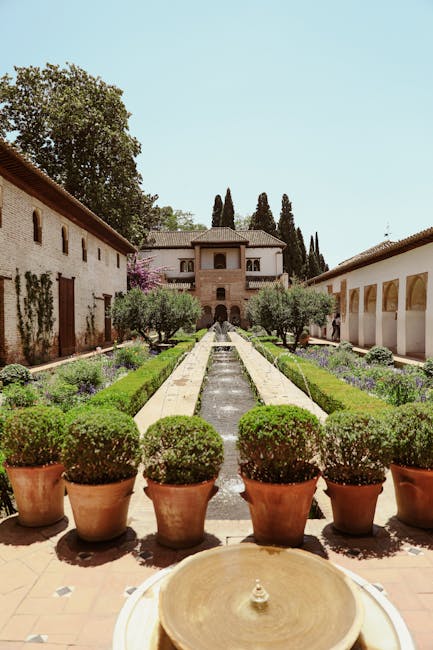
2) City Centers, Markets and Transport: Spot Risk Areas and Protect Your Belongings
Very busy spots — Plaza Nueva (Plaza Nueva, 18010 Granada), the Carrera del Darro (next to Río Darro), Calle Navas (Calle Navas de Tolosa, 18009 Granada), and markets — are prime locations for pickpockets. Pickpockets often work in small teams: one or two distract the victim while an accomplice searches a bag or pocket. Streets lined with shops and bars, like Calle Navas (known for its tapas bars and lively nightlife), are particularly worth watching after dark when crowds swell.
Transport: the main railway station is Estación de Granada, Glorieta Gonzalo Gallas s/n, 18006 Granada. Long-distance trains and Cercanías services use this station. Tickets are bought at the counters or via Renfe (www.renfe.com). If you arrive by bus, Estación de Autobuses de Granada is located at Avenida de Andalucía 20 (address may vary depending on routes); check your arrival point on your ticket. On public transport, keep your bags in front of you and avoid leaving your phone visible while you consult a map.
Concrete tips to protect your belongings: use a bag with a zipper and a crossbody strap worn in front, ideally with a cut-resistant system. For pockets, prefer an inside zipped pocket or a front pocket. Don’t keep all your documents in the same place — split cash and cards. For expensive cameras, use a strap under your arm or an anti-theft cover. Store a digital copy of your passport and cards in a secure cloud and send a copy to someone you trust.
Common scenarios and how to react: if someone bumps into you and « apologizes » while an accomplice walks away with your bag, step back, lock your bag with your hand, and don’t chase the thief — call the police immediately. If you are a victim of theft, go to the nearest police station to file a report (the report is often required for bank blocks and insurance claims). The emergency number in Spain is 112; for non-urgent issues, the Policía Local or Policía Nacional have stations in the center.
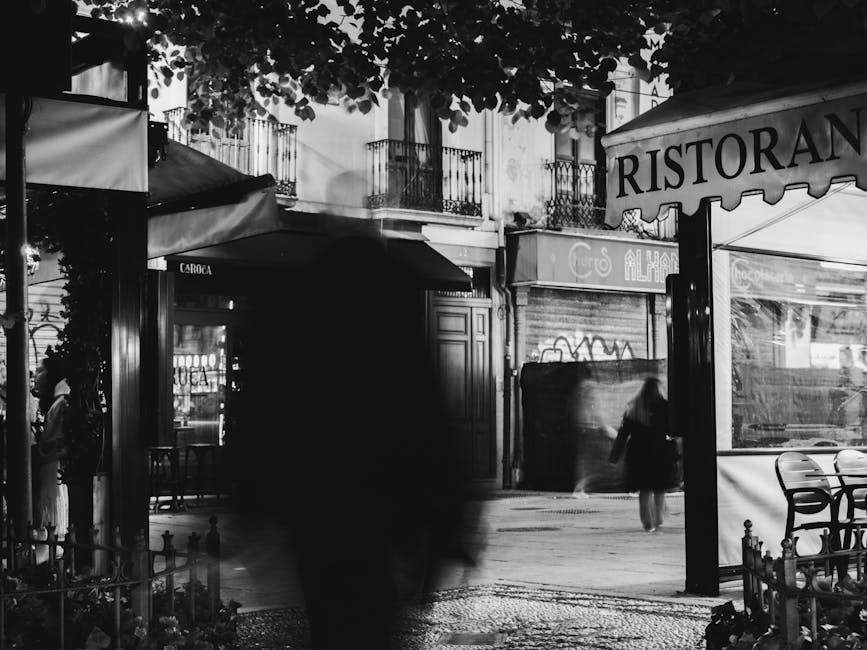
3) Fake Guides, Unofficial Tours and How to Book Safely
Fake guides come in many forms: unlicensed individuals offering « cheaper » tours, informal groups that self-declare as guides, or people selling tickets at the entrance. The most reliable trick to avoid a scam is to buy services from recognized entities: the official Alhambra site (Patronato de la Alhambra y Generalife), the Oficina de Turismo de Granada (Plaza Nueva, s/n, 18010 Granada), or registered local agencies (with visible address and legal information). Avoid anyone who approaches you on the street without tangible proof of affiliation.
How to recognize an official guide: the professional title « Guía Oficial de Turismo » (DIPLOMA) and a professional identity card are required to practice. An official guide will be able to show you their badge and a professional card issued by the Junta de Andalucía. Official tours display a clear itinerary, a duration, a price per person or per group, and written cancellation conditions. Beware of cash-only payments and « cash-only » deals: transparent providers often accept cards or bookings through online platforms.
Safe booking: for Alhambra guided tours, choose agencies recommended by the Oficina de Turismo (Plaza Nueva, s/n) or book via well-known international platforms (Booking, GetYourGuide, Viator) that provide reviews and guarantees. Indicative prices for guided tours: a 2-hour Nasrid Palaces tour is often between €20 and €35 per person (standard group); private 2–3 hour tours for 1 to 4 people run between €80 and €200 depending on the service. Always check what’s included (entry ticket, meeting point, meeting time).
If someone approaches you in the street: decline politely, ask to see the guide’s professional card, and verify their affiliation by calling or visiting the Oficina de Turismo (Plaza Nueva, s/n, 18010 Granada). If the guide persists, move away and report the behavior to the Oficina or the Policía Local. If you’re unsure about an online booking, contact the meeting point or the tourist office directly to confirm.

4) Safe Routes, Local Tips and Proper Behavior
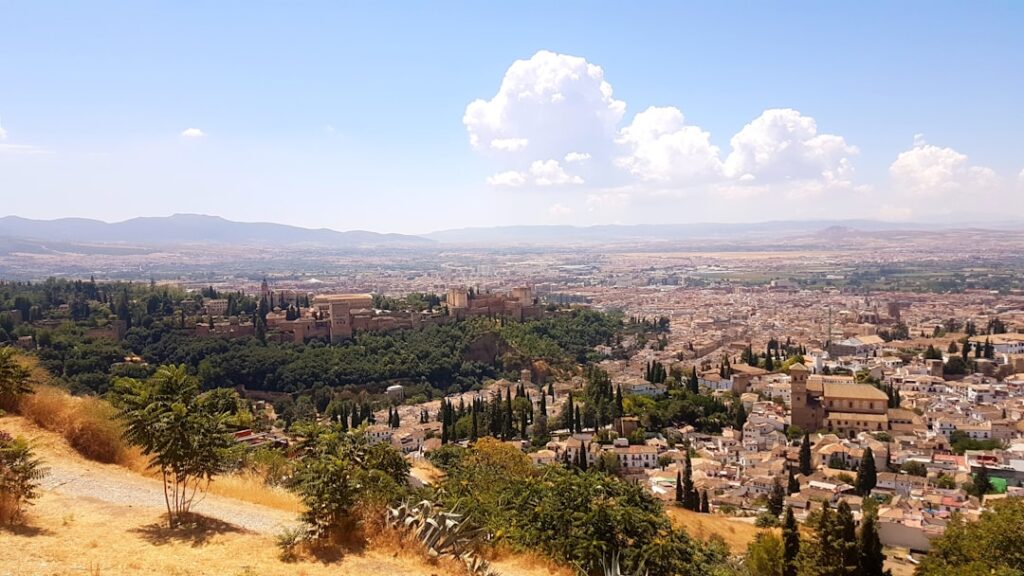
To enjoy Granada safely, plan routes that favor well-populated areas and choose twilight hours for walks in busy tourist zones. The Mirador de San Nicolás (Plaza de San Nicolás, Albaicín, 18010 Granada) is one of the most famous viewpoints to see the Alhambra at sunset; it draws large crowds at dusk: keep your belongings close and avoid displaying valuables. The Carrera del Darro, a pedestrian path along the Río Darro, offers a romantic stroll with bridges and historic façades, but some sections are narrow — watch out for pickpockets in queues at bars and restaurants.
Local recommendations: for an authentic tea, visit the tea rooms on Calle Calderería Nueva (Calle Calderería Nueva, 18010 Granada) — a historic lane full of teterías (tea houses). Shopkeepers are generally honest, but be mindful of distractions when you pay in cash. For a peaceful moment, Carmen de los Mártires (Calle Acera del Darro, 5, 18010 Granada) is a public garden offering calm views of the Alhambra; typical hours 09:30–20:30, entrance around €3.00.
Practical hours and prices: Granada Cathedral (Catedral de la Encarnación de Granada), Calle Gran Vía de Colón, 5, 18001 Granada, often opens from 10:00 to 18:00; entry around €5.00 (reduced €3.00 for students/young people). The Sacromonte neighborhood, famous for its cave flamenco, hosts nightly shows; tablaos have variable prices: flamenco evenings often range from €20 to €40 with a drink included. If you plan to take a taxi, use official ranks (Marques de Gerona, Plaza Nueva, etc.) and ask the driver to use the meter to avoid overcharging.
What to do in case of an incident: if you lose a card or money, block your cards immediately via your banking app or international assistance number. Then go to the Policía Local or the nearest Policía Nacional station to file a denuncia (theft report), essential for administrative and insurance procedures. For emergencies dial 112. For health issues, Hospital Universitario Virgen de las Nieves (Ctra. de Jaén, s/n, 18014 Granada) is the main public hospital.
Conclusion: Travel Smart in Granada to Enjoy Without Worries
Granada remains an exceptional destination: the mix of history, Moorish architecture, fragrant patios and nightlife makes it unforgettable. To maximize your enjoyment and minimize hassles, preparation is key. Buy your Alhambra tickets through the official site or the Oficina de Turismo (Plaza Nueva, s/n, 18010 Granada); beware of people offering « last-minute » entries. Protect your belongings by using a secure bag and keeping valuables out of reach of pickpockets, especially in busy streets like Calle Navas or around the Mirador de San Nicolás at sunset.
Fake guides are another avoidable nuisance: ask for the professional card (« Guía Oficial de Turismo »), check affiliations and favor reputable agencies or platforms. Tourist offices provide lists and reliable recommendations. In case of an incident, call 112 for emergencies and go to a police station to file a report. Always keep digital copies of your essential documents and your accommodation address on hand.
Finally, remember that most visitors enjoy an incident-free stay in Granada by following common-sense rules: stay alert in crowded areas, book activities through official providers, and respect the places and local people. With these precautions you’ll be able to fully savor the Alhambra at dawn, enjoy an authentic flamenco show in a Sacromonte cave, stroll along the Carrera del Darro and sip a soothing tea in the teterías on Calle Calderería Nueva. Have a great trip — and enjoy every moment in this city where history and modern life blend so beautifully.