





Introduction — The Cash Paradox in Granada
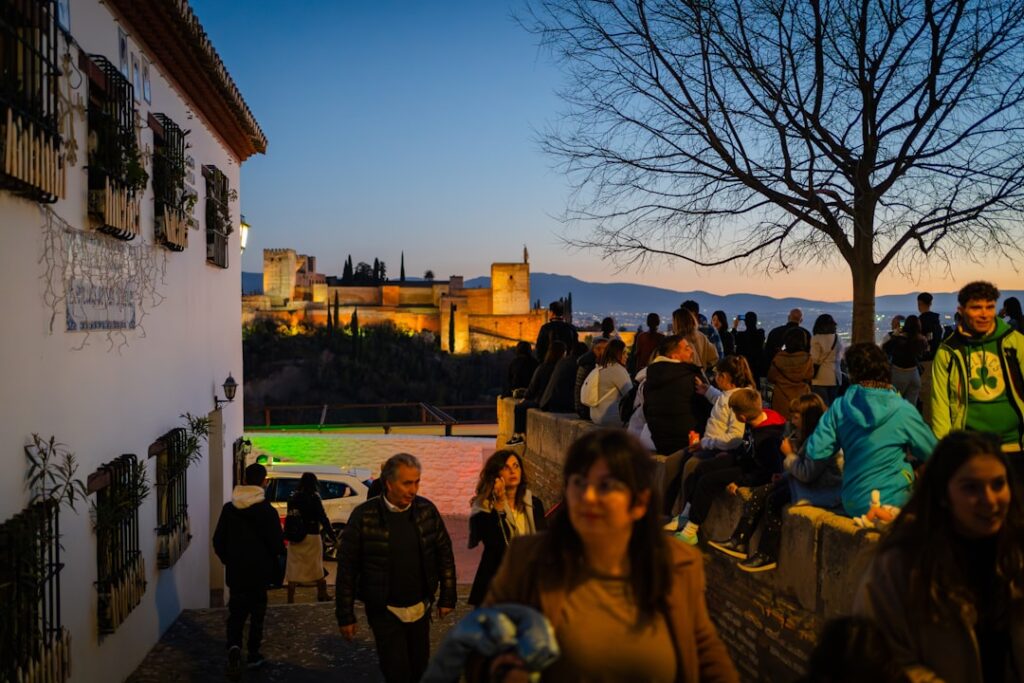
There’s something oddly romantic, almost anachronistic, about slipping banknotes into a server’s hand on a cobbled Albaicín street, or paying for a shared tapa in jingling coins at an old wooden counter. Yet in a Europe ruled by cards and contactless payments, the idea that cash could still “save” a trip sounds paradoxical. In Granada, that paradox becomes reality: far from being a relic, cash can be the key that opens doors — literally and culturally — that electronic payments never even know exist.
Modern travel guides, banking apps and fintech banks push us to travel light: no notes, just cards and instant notifications. But Granada isn’t just a museum of card payments: it’s a city of small businesses, traditional bars, neighborhood markets, Sacromonte gypsy caves and street vendors where cash is preferred for reasons rooted in local trade history, the burden of card fees and administrative simplicity. Paying in cash in Granada isn’t a step backwards — it can be a pragmatic strategy to save money, save time, avoid charges, or simply enjoy more human interactions.
In this contrarian piece I’ll push back on the idea that everything can — and should — be paid by card. I’ll explain exactly why cash still matters in Granada, which places and situations make it essential, and how using cash can actually enhance your experience — even leading you to authentic spots the digital economy often overlooks. I’ll also give you concrete alternatives with exact names, addresses, prices and opening hours so you can try these tips on your next trip.
This isn’t an anti-card manifesto nor a nostalgic ode to dusty bills. It’s a balanced guide: when the card is safer and more convenient, I’ll say so. But when cash saves you time, money and—most importantly—connections (because in Granada, paying often means chatting), then cash becomes an essential travel tool. Bring a few notes, check ATM fees, and let yourself be surprised by a city that, beneath its tourist mosaics, still lives by vibrant local habits.
1) Why Card Payments Are Overrated in Granada — Limits and Realities
The widespread adoption of card payments in major European cities hides practical realities at the local level. In Granada, cards have made inroads, but they haven’t eliminated certain frictions: small shops don’t always accept cards, terminals can fail, minimum purchase amounts crop up, and exchange or withdrawal fees can turn a simple transaction into an unpleasant surprise.
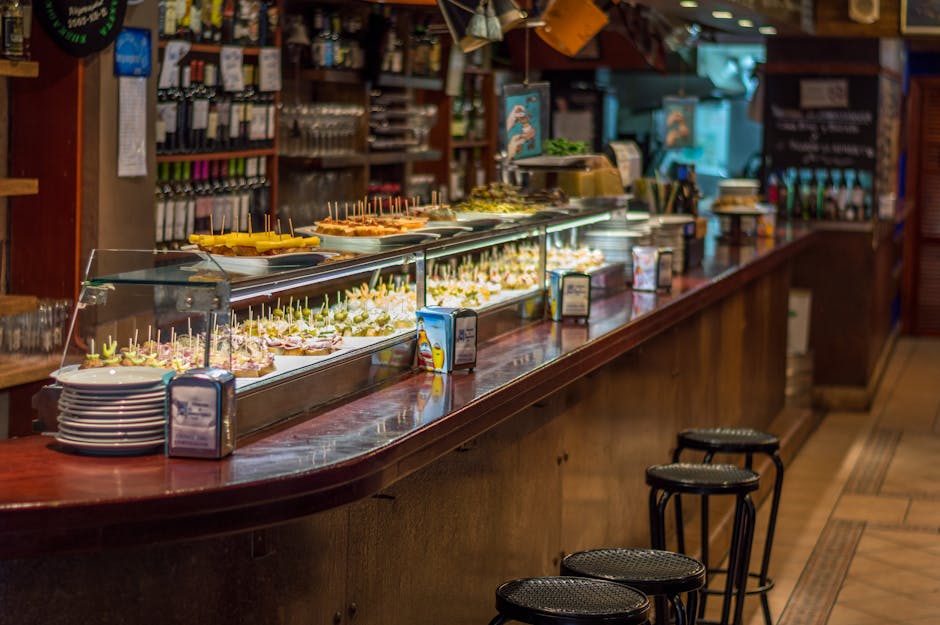
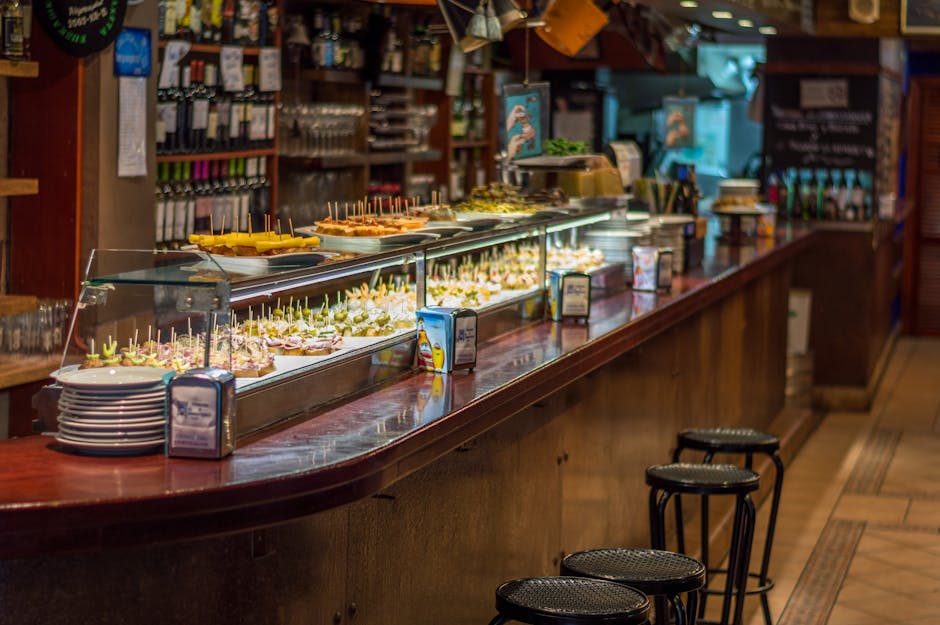
Let’s start with small bars and bodegas. Many traditional taverns like Bodegas Castañeda (Calle Almireceros, 1-3, 18010 Granada) prefer cash for historical reasons — simpler bookkeeping, less paperwork, and a steady daily flow of cash that makes day-to-day management easier. You can try to pay by card, but expect occasional refusals, failed authorizations, or requests for a minimum amount (often €5–10). In these spots, pulling out a card can even slow service during busy times.
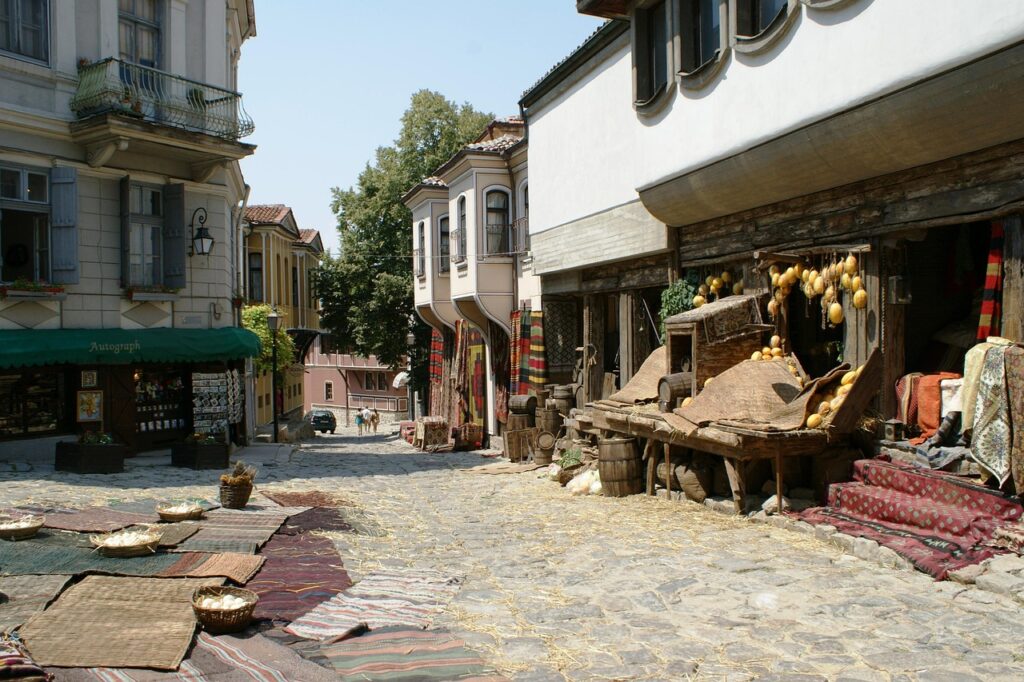
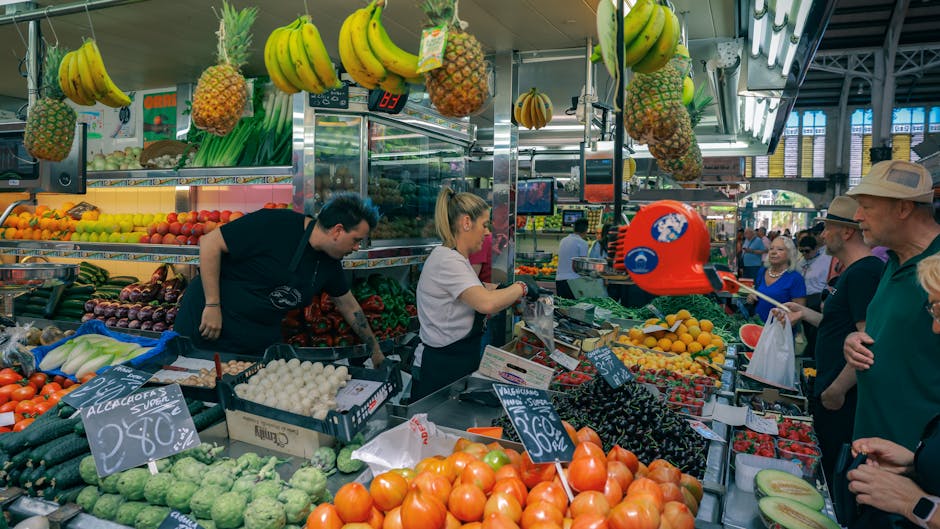
Then there are markets and street vendors: at Mercado de San Agustín (Plaza de San Agustín, s/n — central location), the market on Calle Alhóndiga or among the greengrocers at Plaza de la Romanilla, most transactions are done in cash. Mobile card terminals exist, but the investment and the commission (between 1 and 3% per transaction) deter many small traders. Result: if you want to taste market produce, buy a single olive or a pinch of spice, it’s better to have a few euros in your pocket.
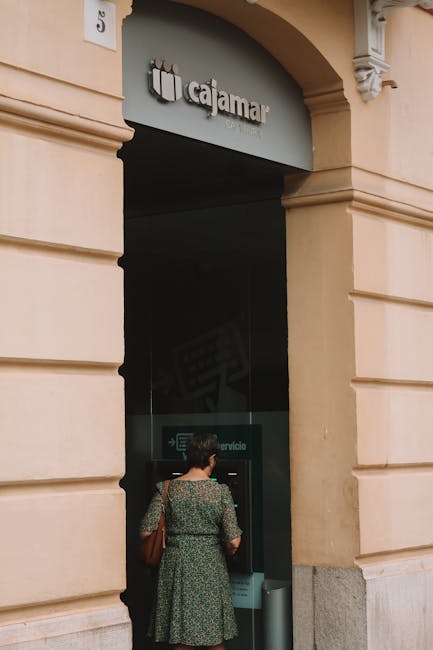
There’s also the ATM question. Foreign banks often charge fixed fees plus a commission on the exchange rate. Making many small withdrawals multiplies those fees; withdrawing a larger sum at once and using it carefully can be more economical. Warning though: notify your bank before traveling and compare fees (e.g., some withdrawals charge €2–5 plus 1–3% of the amount).
Finally, technical resilience: power outages, payment systems going down due to incidents or overload during busy tourist stretches (Christmas, long weekends, local festivals) can make cards unusable. In Granada, during local events or evenings in the Sacromonte, many businesses lack solid network coverage for mobile payments — cash, however, always works.
2) When and Where Cash Really “Saves” You — Concrete Situations
This isn’t about mystical powers of cash, but using it where it delivers a clear advantage. Here are the most common situations where cash can “save” you in Granada, with specific examples.
- Tapas bars and traditional bodegas: in places like Bodegas Castañeda (Calle Almireceros, 1-3), the line moves faster if you pay in cash. At midday and in the evening the counter turns quickly: paying with notes avoids waiting for the terminal and reduces card declines due to poor connectivity. Budget: a tapas experience for two can cost between €12 and €25, depending on drinks and specialties.
- Local markets: small purchases (fruit, cheese, handmade souvenirs): better to have cash. Example: at Mercado de San Agustín, indicative prices — a serving of olives €2–3, a piece of artisanal cheese €3–6, an empanada €2–4.
- Local transport and taxis: some taxis accept cards, but it’s common that in the evening, on the outskirts or for short rides, drivers prefer cash. Indicative fares: city center → Alhambra about €7–10, airport (Aeropuerto Federico García Lorca Granada-Jaén) → city center about €25–35.
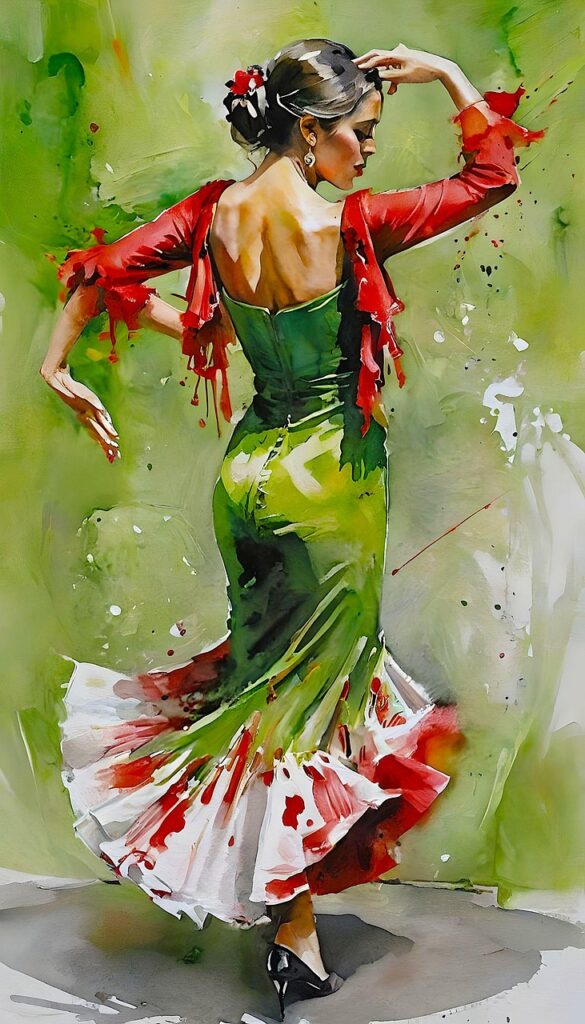
- Sacromonte caves and shows: small entrance fees or tips for performers — and sometimes on-the-spot ticketing — are paid in cash. Example: a flamenco show in a typical cueva often costs around €25–40 depending on the package (drink included or not).
- Small neighborhood shops: bakers, copy shops, newsstands: cash saves time and sometimes money (no terminal fees to pass on).
In short, cash is useful in short, frequent, low-value interactions where cards become a technical, administrative or financial hurdle. It isn’t ideology — it’s efficiency: in Granada, having cash lets you blend into the local rhythm instead of floating on the surface of tourism, protected by your banking app.
3) Practical Alternatives: Where to Spend Your Euros to Experience Granada Differently
Rather than sticking to the crowded tourist spots, here are local, concrete alternatives where cash makes a difference. Each entry below includes practical details: exact address, indicative prices and opening hours so you can plan without surprises.
-
Bodegas Castañeda
Address: Calle Almireceros, 1-3, 18010 Granada, Spain.
Opening hours: typically 10:00–00:30 (hours may vary on weekends).
Prices: tapas €2.5–6, half pint €2–3, glass of wine €3–4.
Why go: authentic atmosphere, busy counter, local conversations. Paying in cash speeds service and keeps you from waiting for the terminal. -
Carmen de los Mártires (a quieter garden)
Address: Cuesta del Chapiz, s/n, 18010 Granada, Spain.
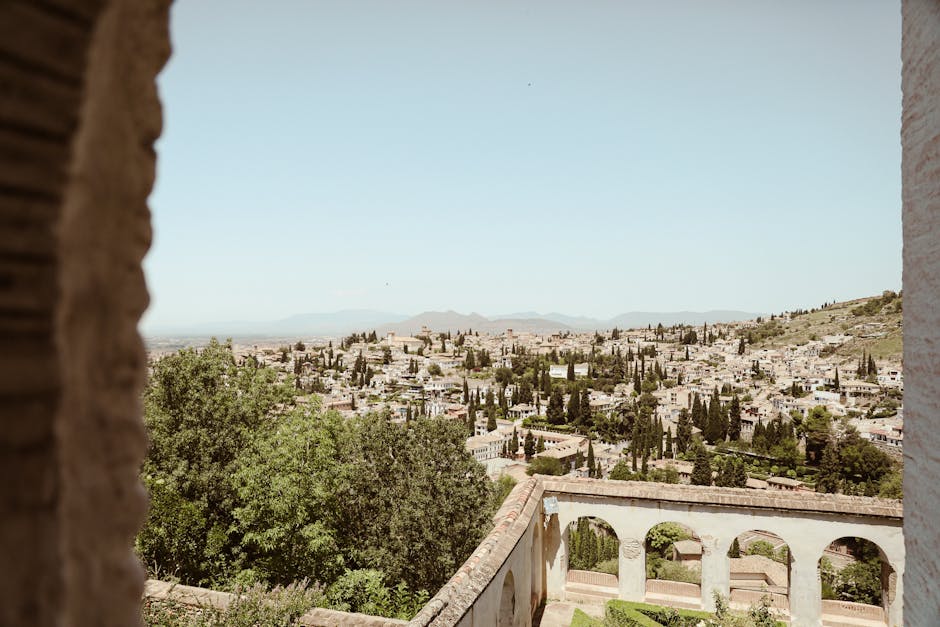
Opening hours: generally 10:00–18:00 (seasonal variation). Entrance often free or a small donation (€0–3) for upkeep.
Why go: peaceful gardens with views over the Alhambra and the city. Small local vendors at the entrance often accept cash only for postcards or refreshments. -
Mercado de San Agustín
Address: Plaza de San Agustín, s/n, 18010 Granada.
Opening hours: covered market often open 09:00–14:30 and 17:00–20:00 (depends on stalls).
Prices: olives and tapas €2–5, sandwiches €3–6, fresh produce varies by season.
Why go: local products, artisan vendors and stalls where cash is the norm. Chat with vendors, haggle for a small bundle, and leave with specialties without card fees. -
Tablaos and caves in Sacromonte — Cueva La Rocío (example)
Address: Barrio del Sacromonte, caves scattered along Camino del Sacromonte, 18010 Granada.
Opening hours: shows usually in the evening, 20:00–22:30 or 22:00–00:00; booking recommended, but some spots sell tickets on-site in cash.
Prices: flamenco show + drink around €25–35 depending on the venue.
Why go: intimate atmosphere, living art. Small venues often prefer cash for tickets and tips.
These alternatives are meant to pull you off the beaten track: they’re experiences where human connection matters and cash is a facilitator. Finally, for neighborhood-to-neighborhood trips, keep a small stash of €20–40 — far more handy than a card for quick runs or a late-night taxi.
4) Practical Tips for Managing Cash Safely and Economically
Having cash doesn’t mean being careless. Here are pragmatic tips to make the most of cash in Granada without unnecessary risk or excess fees.
- Make one larger withdrawal: instead of multiple small withdrawals (each may cost €2–5 + commission), plan an amount for 3–5 days. For example, €150–250 should cover meals, small purchases and transport for a short visit. Check your bank’s withdrawal limits and fees before you go.
- Mix card + cash: keep a card for big expenses (museums, accommodation, nicer restaurants). Use cash for local, quick interactions. Store them in two separate places (wallet and luggage safe or an inner pocket) for extra security.
- Avoid exchanging money at the airport: exchange desks apply poor rates. Withdraw at local ATMs (bank branch ATMs) or pay by card for large amounts. If you withdraw, choose ATMs of major banks (Banco Santander, CaixaBank) to reduce the chance of hidden fees.
- Inform your bank: avoid card blocks from foreign transactions. Turn on push notifications to monitor spending in real time.
- Carry small bills: for tips, markets and small purchases. Vendors prefer €5 and €10 notes rather than €50s they may not have change for.
- Security: don’t flash large sums in public. Keep extras in an anti-theft wallet or the hotel safe. Tourist districts are generally safe but stay vigilant during busy times and in crowded areas.
Lastly, know that most locals appreciate tourists who try to understand and respect local customs — and paying in cash, when appropriate, is seen as a nod to small businesses. A smile, a “gracias” and a few well-placed euros can spark conversations and turn a simple meal into a memorable story.
Conclusion — A Welcome Paradox: Cash as an Immersion Passport
The paradox this article describes is simple: in an age where technology promises frictionless simplicity, there are still places, practices and people for whom cash remains not only useful but sometimes essential. In Granada, cash does more than pay the bill; it’s a cultural medium. It speeds up service in bodegas, makes buying fresh market goods easier, grants access to intimate Sacromonte performances, and avoids fees or technical hiccups that could ruin a day.
Adopting a mixed strategy — card for big spends, cash for day-to-day — lets you enjoy the best of both worlds. Preserve your security by withdrawing smartly, storing money carefully, and carrying small denominations for quick interactions. The places mentioned, like Bodegas Castañeda (Calle Almireceros, 1-3), Mercado de San Agustín (Plaza de San Agustín), or the Carmen de los Mártires gardens (Cuesta del Chapiz), are practical entry points to try this approach: the experience is richer when you pay in cash because it connects you to local practices.
Don’t see cash as a step back, but as a thoughtful travel tool: a tactical choice that can improve your stay, cut hidden costs, and — above all — open the door to more authentic encounters. In Granada, the city rewards those who slow down, talk and pay in a way that matches the local pace. So next time you wander Albaicín’s lanes or share a plate at a bodega counter, pull out a few notes — you might experience a slice of Granadian life your card would never have delivered.